KitGuru KitGuru.net – Tech News | Hardware News | Hardware Reviews | IOS | Mobile | Gaming | Graphics Cards


The rising costs of memory in recent months has led to a number of issues in the consumer electronics space. While Sony had planned ahead and stocked up to avoid raising the price of PS5 consoles, Microsoft did not and ended up raising prices. During its recent earnings call, Nintendo was asked if the Switch 2 would be impacted. The answer? No, for now at least.
Speaking on the call (via VGC), Nintendo president, Shuntaro Furukawa, answered a question about rising memory costs and the impact it may have on the Switch 2, saying that while it may have to revise its pricing if component costs rise, it is in talks with suppliers to ensure steady supply. Furukawa also does not expect to need a price increase during the current fiscal year, ending on March 31st 2026.
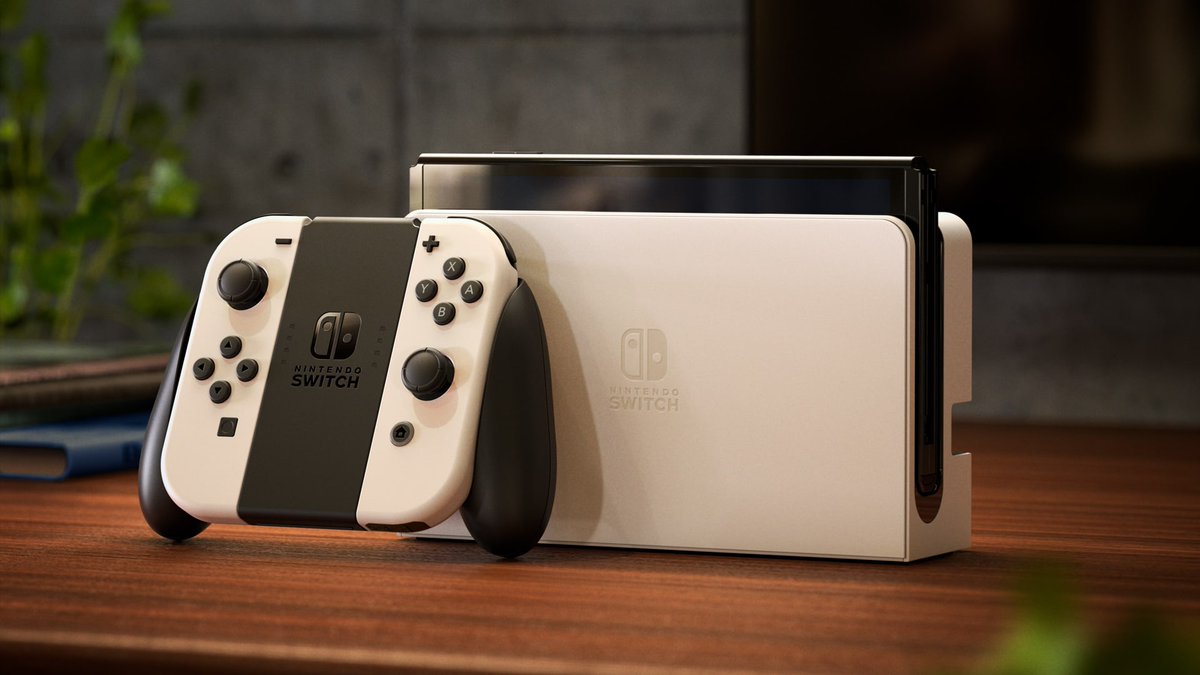
This does mean that the price of the Switch 2 console could rise later down the line, but for now, Nintendo has done a good job of producing a large number of Switch 2 units and keeping the console readily available for consumers. It has not been difficult to purchase a Switch 2 in its first six months on the market and that shouldn't change this year either.
Nintendo also has the benefit of being able to survive a small drop in profitability on hardware sales due to the cut it gets of every software sale after the fact. As a result, Nintendo won't jump to raise Switch 2 prices over what could potentially be a short-term pricing trend.
KitGuru Says: Do you think we will see more console price hikes this year due to component costs?