KitGuru KitGuru.net – Tech News | Hardware News | Hardware Reviews | IOS | Mobile | Gaming | Graphics Cards


The Pokémon franchise is the biggest media property of all time, bringing in a total of more than $110 Billion since its inception in 1996. Nintendo has now released their latest Quarterly Fiscal figures, revealing that the Pokémon franchise is doing better than ever.
Nintendo recently released their latest figures for the Fiscal year ending in March 2022. Alongside the announcement that the Nintendo Switch has now sold 107.65 million units, it was revealed that the past 365 days have been huge for Pokémon.
Selling 14.65 million copies since its release in November 2021, Pokémon Brilliant Diamond and Shining Pearl are now the 8th best selling first-party Switch games ever, just surpassing Pokémon: Let’s Go Pikachu/Eevee. This also means that Brilliant Diamond and Shining Pearl are officially the best selling Pokémon remakes of all time.
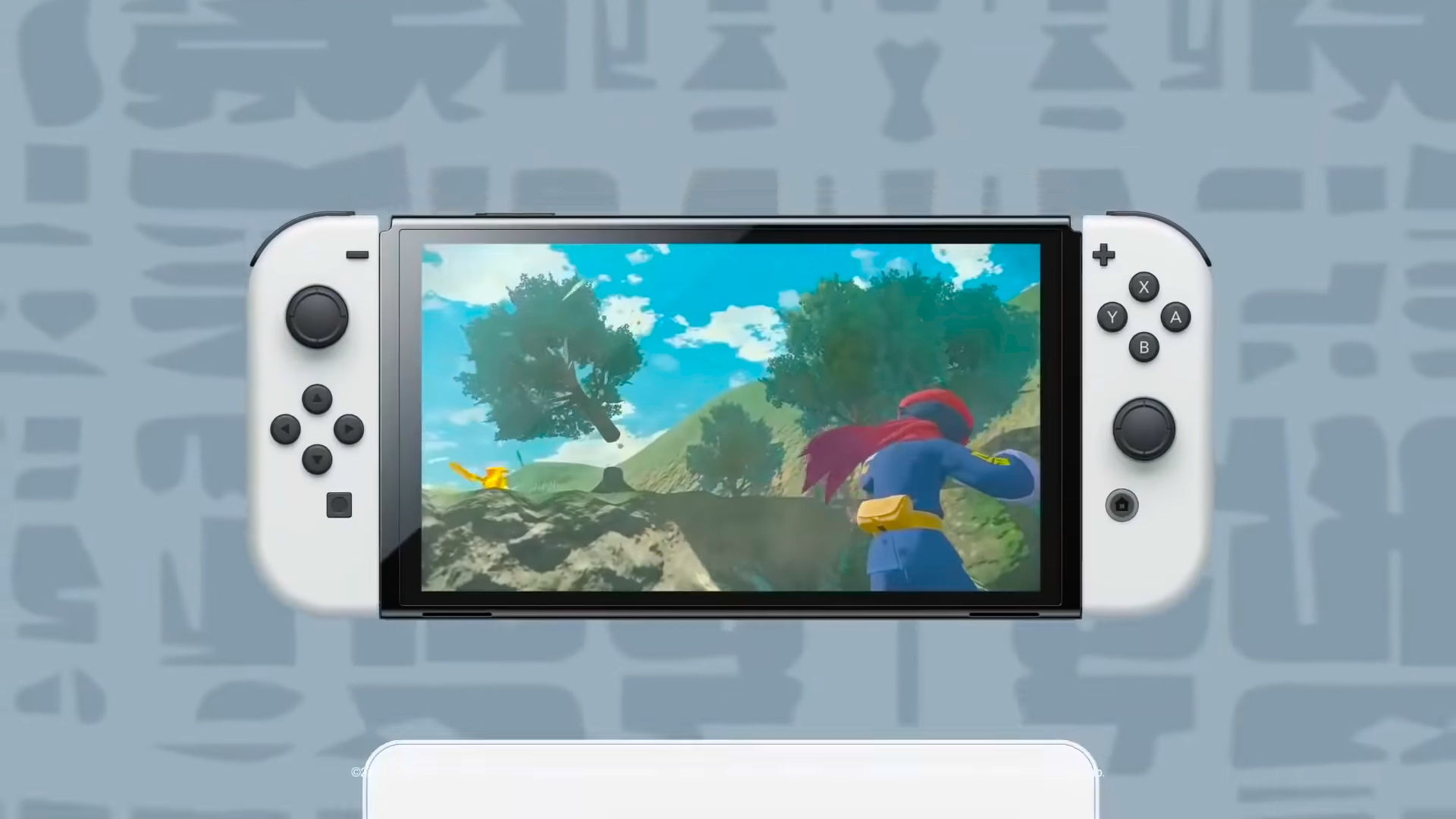
As impressive as the sales of these remakes are, even more impressive is the state of Pokémon Legends Arceus. Released only a few months ago in January of 2022, this ambitious Pokémon title has already sold 12.64 million copies. This feat is even more impressive when considering the fact that unlike most other Pokémon titles, Arceus released as only one game, meaning there were no dual packs to inflate sales.
All in all, the Pokémon franchise sold a total of 35 million units across all its games within the past fiscal year, proving that after more than 25 years, Pokémon is as strong as ever.
KitGuru says: What did you think of Brilliant Diamond / Shining Pearl? Did you buy Arceus? What other franchise deserves the same success as Pokémon? Let us know what you think down below.