KitGuru KitGuru.net – Tech News | Hardware News | Hardware Reviews | IOS | Mobile | Gaming | Graphics Cards


Though its price may be a bit of a hard sell for some, the PlayStation 5 Pro looks set to offer a massive improvement to most of your existing library – last-gen games included. While the main focus of the PS5 Pro is its ability to enhance a bunch of current-gen games, according to Sony, the mid-gen refresh will also include benefits for PS4 titles.
In the blog post detailing all of the various features and functions of the PlayStation 5 Pro, Sony revealed that “Enhancements include PS5 Pro Game Boost, which can apply to more than 8,500 backward compatible PS4 games playable on PS5 Pro. This feature may stabilize or improve the performance of supported PS4 and PS5 games. Enhanced Image Quality for PS4 games is also available to improve the resolution on select PS4 games.”
While details remain light on exactly what this means, the console is likely going to use its ML-powered upscaling technology to improve the perceived resolution of PS4 titles.
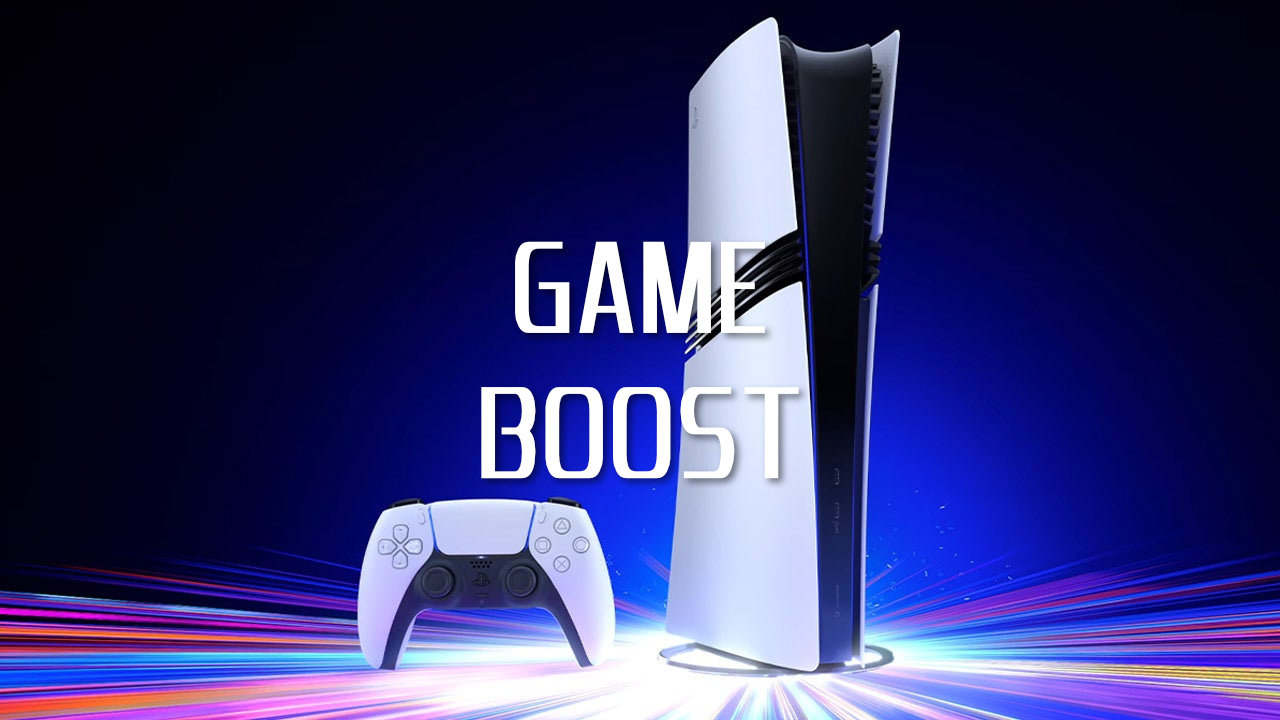
If this is the case, then the PS5 Pro could be a surprisingly solid upgrade – especially as most PS4 titles run at 1080p or below (even some PS4 Pro enhanced games).
Speaking of the PS4 Pro, Sony’s Pro console last generation offered a similar feature in the form of its own ‘game boost’ mode – though with relatively few games actually being massively impacted.
Given just how big of a leap the PS5 is (in some ways) compared to the PS4, being able to bring your old games a new coat of paint could be enough of a reason to upgrade to the Pro console.
Discuss on our Facebook page HERE.
KitGuru says: What do you think of the PS5 Pro? Does it have enough going for it? Will you upgrade? Let us know down below.