KitGuru KitGuru.net – Tech News | Hardware News | Hardware Reviews | IOS | Mobile | Gaming | Graphics Cards


Apple’s upcoming range of iPhones are said to house the tentatively titled A13 processor, which will reportedly use an updated version of TSMC’s 7 nanometre process dubbed N7 Pro. Following this, TSMC has also been working on a 6nm fabrication that should be ready in time for Apple’s 2020 line-up.
TSMC has remained Apple’s sole supplier of A-series system-on-chips (SoC), which is expected to continue throughout this year and perhaps the next. TSMC has not only moved quickly in the 7nm space with the current A12 Bionic SoC, it has supposedly optimised its 7nm extreme ultraviolet lithography (EUV) process for more accurate production and complicated designs, according to Chinese publication Commercial Times, via DigiTimes.
This process has been dubbed N7+, with HiSilicon's Kirin 985 set to be the first to make use of the fabrication. TSMC isn’t stopping there however, as Apple’s A13 chip will reportedly be next to use the updated process, although this will go by a different name. Instead called the N7 Pro, it is not yet clear what the difference it between this variant and the N7+. Both are said to ramp up production in the second quarter, ahead of new flagship smartphones set to release at the end of the year.
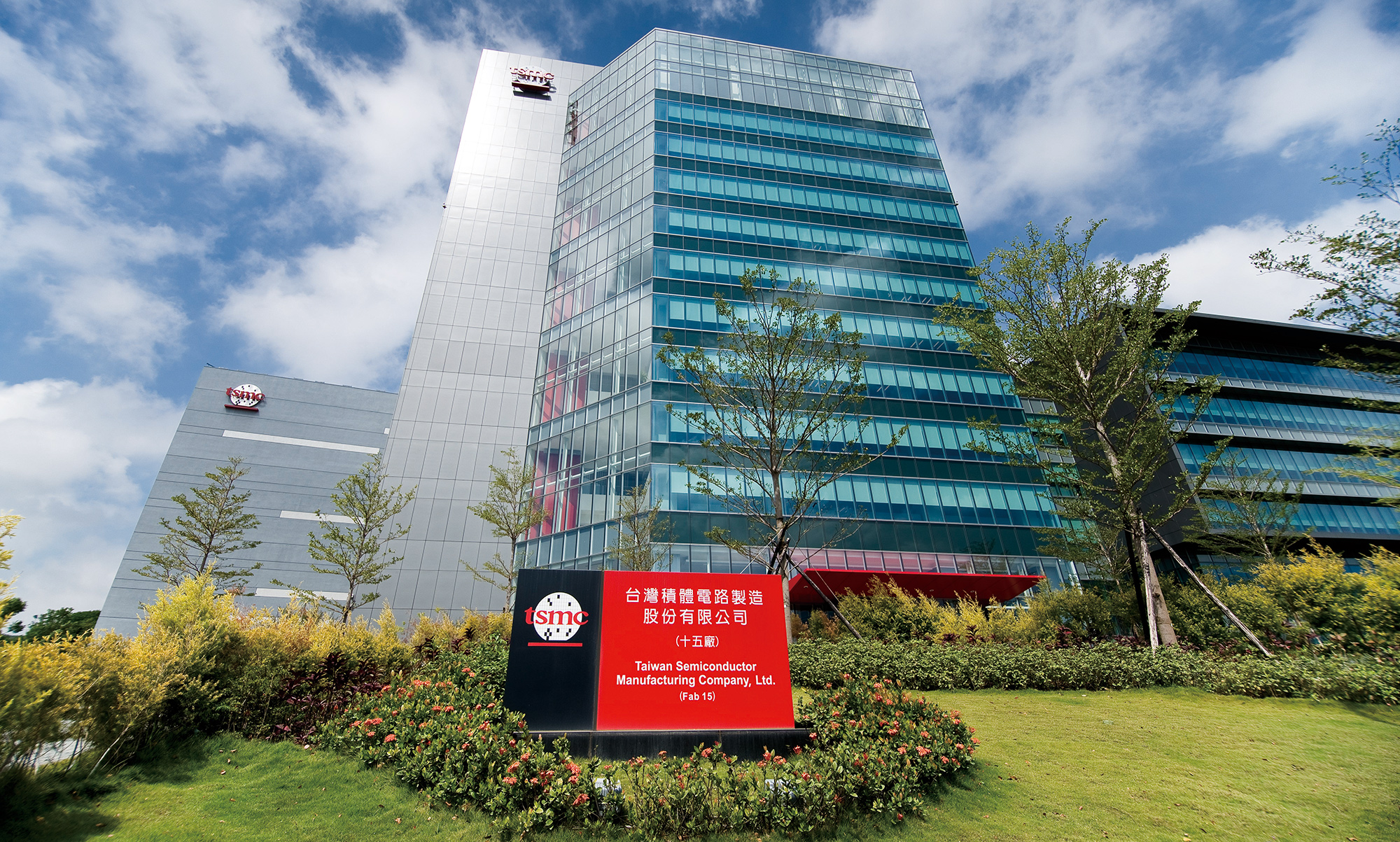
While it was revealed that TSMC has supposedly been working on a 5nm process for future A-series chips, the company has confirmed that its 6nm fabrication is next to debut. Offering a “significant enhancement” over current technologies, the N6 is set to go through risk production early in 2020. Utilising similar design rules as the tried-and-tested N7 process, TSMC ensures that N6 will offer a “seamless migration path with a fast design cycle time with very limited engineering resources.”
Apple won’t launch its next-generation iPhones for quite some time yet, so it’ll likely be months before we hear anything official. The same can be said for Huawei and its use of the Kirin series of chips, especially as the Chinese firm remains focused on the recent launch of its P30 range.
KitGuru Says: It’s possible that TSMC could make its 5nm fabrication available as early as next year, should the company perfect it in time. Either way, there is a jump in architecture inbound and we’re excited to see what kind of performance it will yield when it does.