KitGuru KitGuru.net – Tech News | Hardware News | Hardware Reviews | IOS | Mobile | Gaming | Graphics Cards


‘Phablet' is a term thrown around a lot these days, with some quick to brand anything bigger than 5-inches a phablet. Well today we look at the HTC Desire 820, a 5.5-inch smartphone which definitely fits within the phablet trend. With an asking price of under £280, is it worth the cash?
After a series of indifferent phones, HTC achieved critical success with its HTC One series of devices. Now their other models seem to be following suit and are generally well received. The Desire 820 released in the UK in March 2015, with a 64-bit Snapdragon 615 chip and 5.5-inch display interesting features to note.
Features
- 5.5-inch HD display.
- Snapdragon 615 CPU 1.5GHz.
- 2GB RAM.
- 13MP primary camera, 8MP secondary camera.
- Android KitKat 4.4.
- 2600 mAh battery.
- 16GB internal storage, expandable up to 128GB via microSD card.
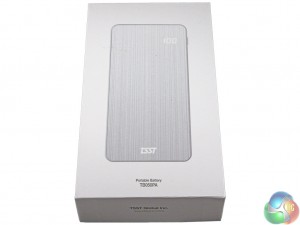
The Desire 820‘s packaging is fairly straightforward. A white box – matching our sample's colour – is used, and is square with rounded edges. Two photos of the smartphone are visible on the front of the box.
Product branding is also printed at the top of the box, in grey.
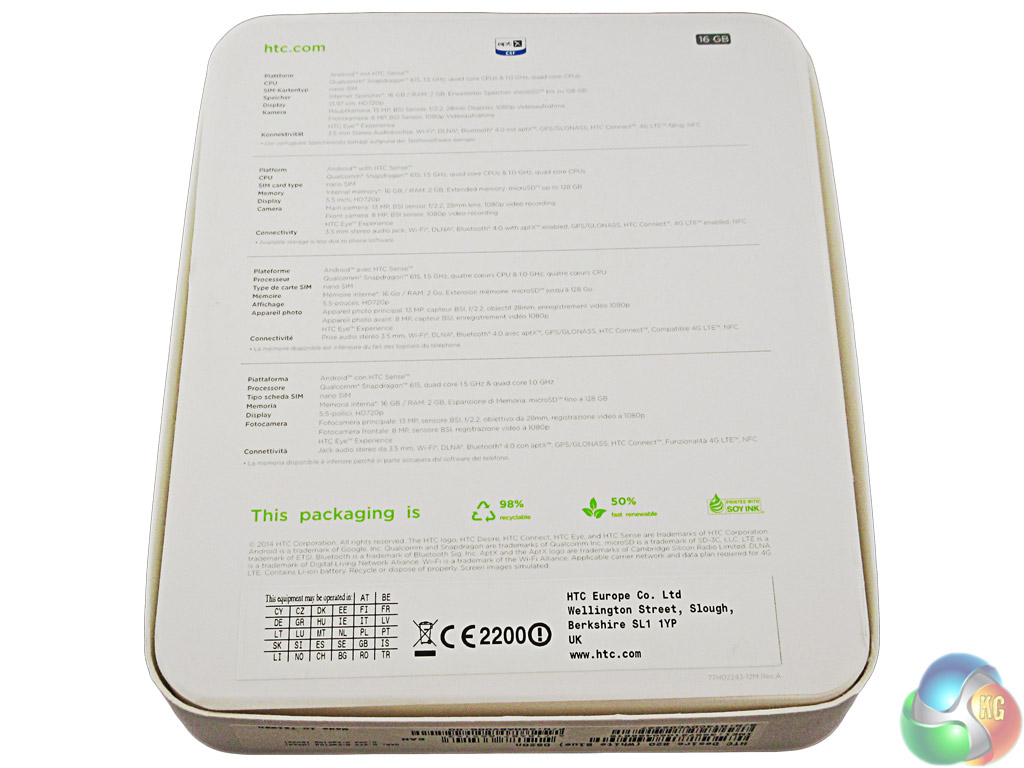
Inside the box we find the usual accessories, including an AC adapter, microUSB cable and headphones.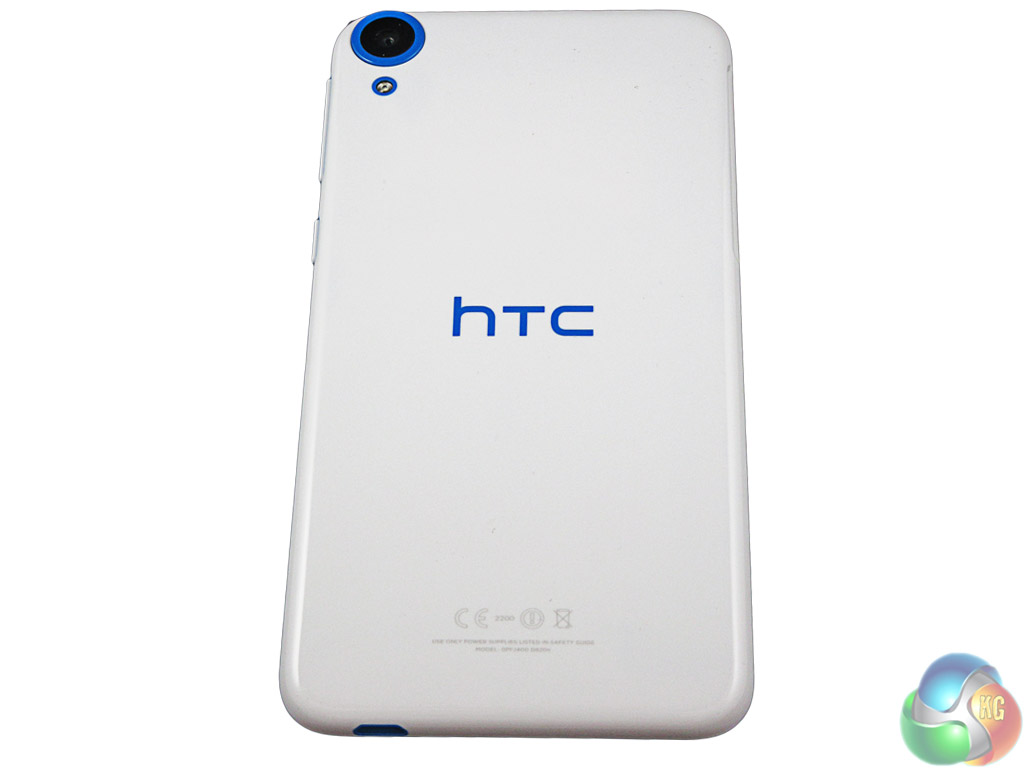
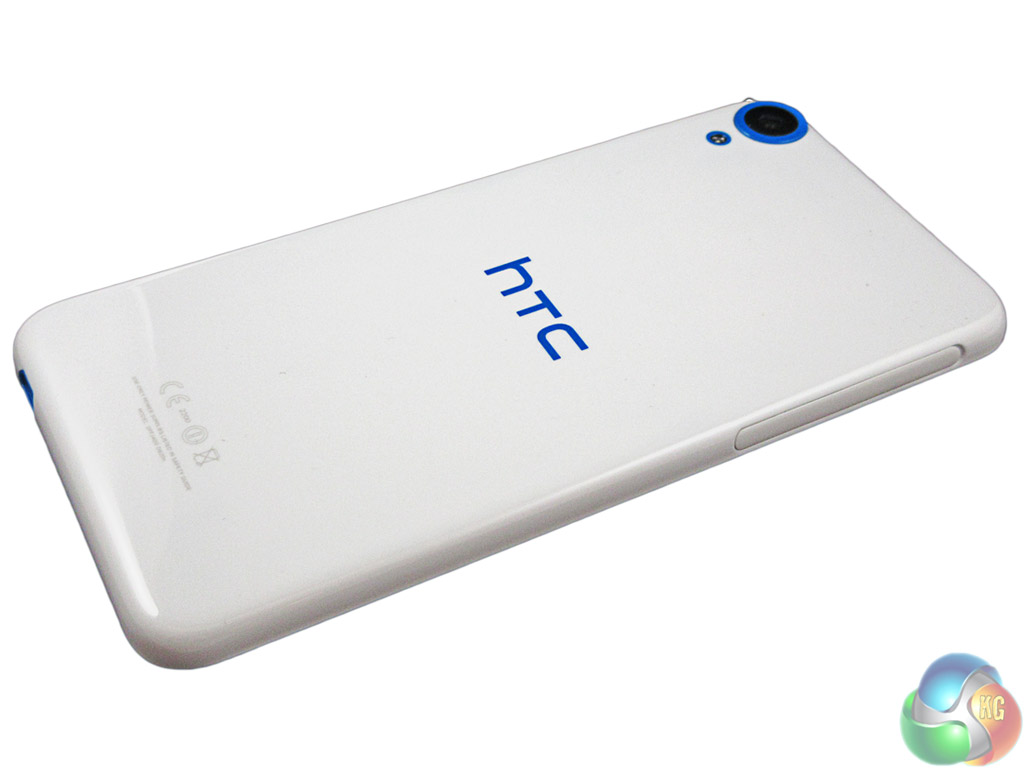
The first thing we noticed about the product design is the bright white-and-blue colour scheme. The white really stands out, so if you like to be noticed this could be the phone to get.
Other than the phone being very large, the build quality is worth mentioning. While it does not necessarily feel cheap, the white plastic is glossy and fairly light for the size – 155g. This can be off-putting for some, as it is not a premium build like the metal One M9.
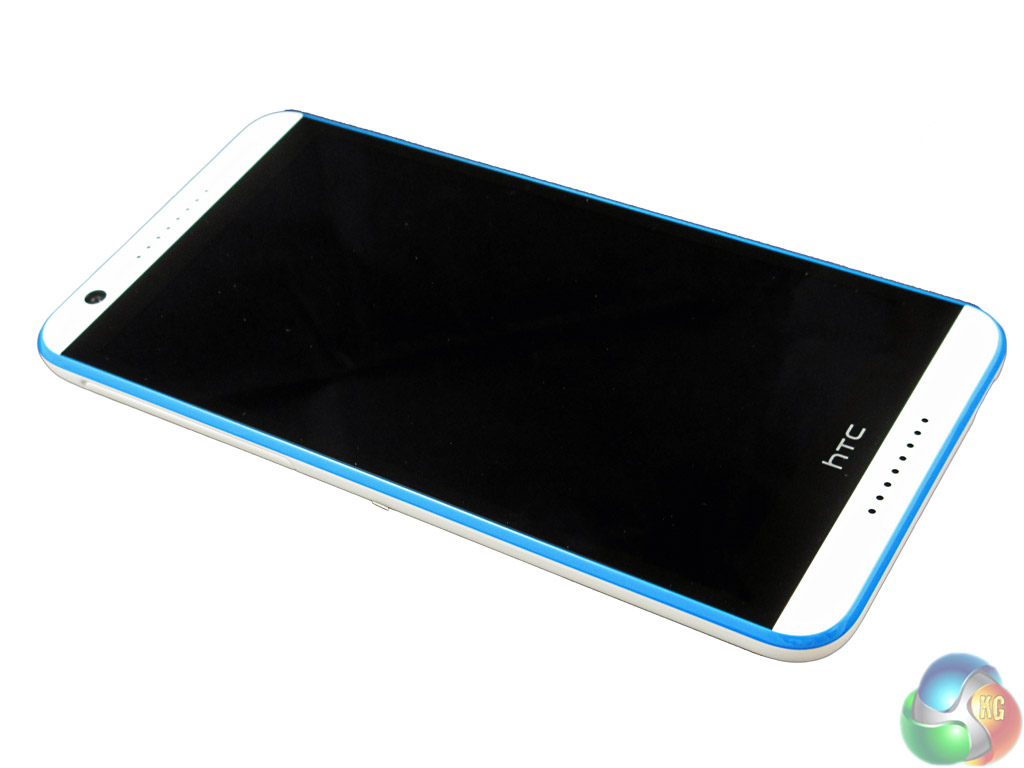
Another point worth mentioning is the curved edges of the Desire 820. We find these are very tasteful, and are certainly not dissimilar to the iPhone 6's design. With a blue rim running around the front edge, it really is a sleek and attractive phone.
As with many HTC devices, there are stereo speakers included at the top and bottom edges of the phone. While these do give good performance, they mean the phone is longer than many other 5.5-inch handsets – 157.7mm long. The LG G3 is 146.3mm long in comparison.
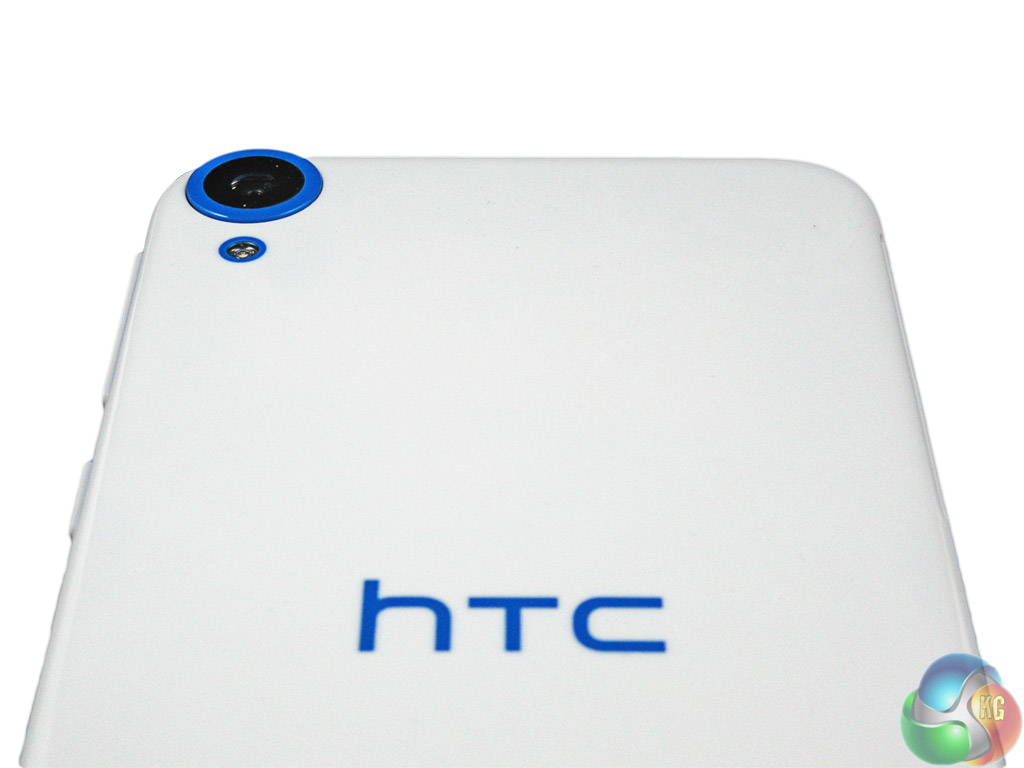
The thickness of the phone is also of note. Coming in at just 7.7mm thick, this is very impressive for a larger phone. The aforementioned G3, for instance, is chunkier at 8.9mm thick.
Overall, though, it is a beautiful phone, but perhaps not one for the introverts as it is quite bold. If you do not mind a phone that is not very pocket-friendly, it looks the part.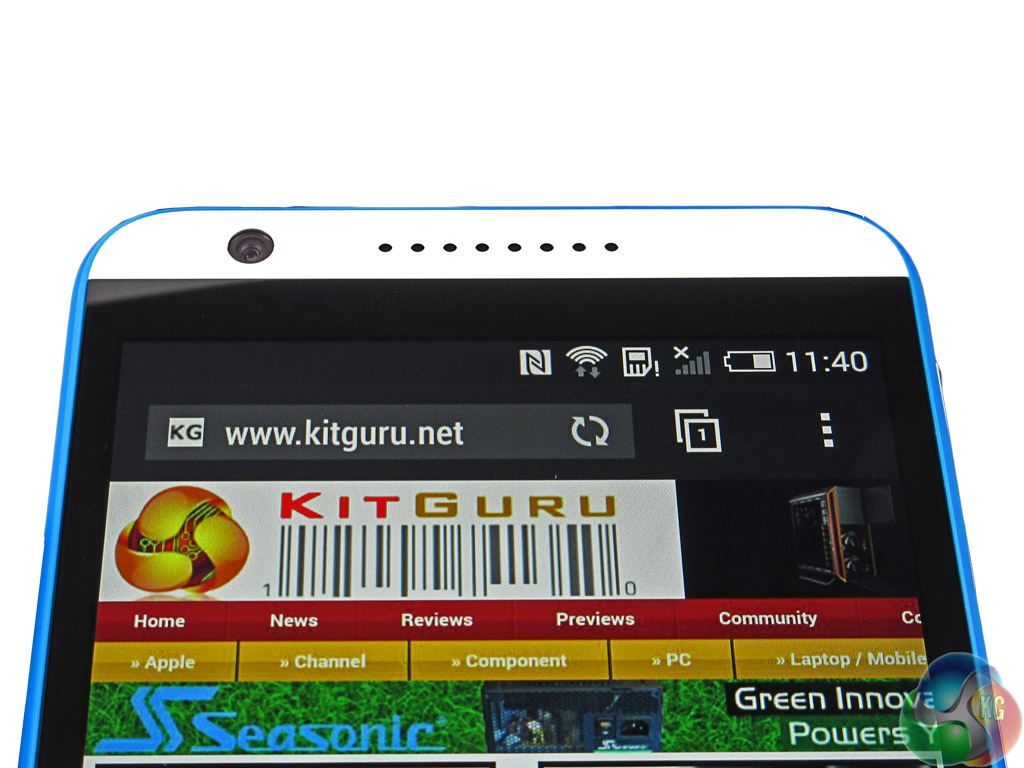
The 5.5-inch display used by HTC features an HD resolution – so 1280×720. Stretched across the large display, it means the Desire 820 has a pixel density of 267 PPI. This is not as high as we would like, though it's not awful.
Taken on its own, the sharpness of the display is good enough. However, when we consider the LG G3 has a QHD display and can now be bought for the same price as the Desire 820, it does pale in comparison.
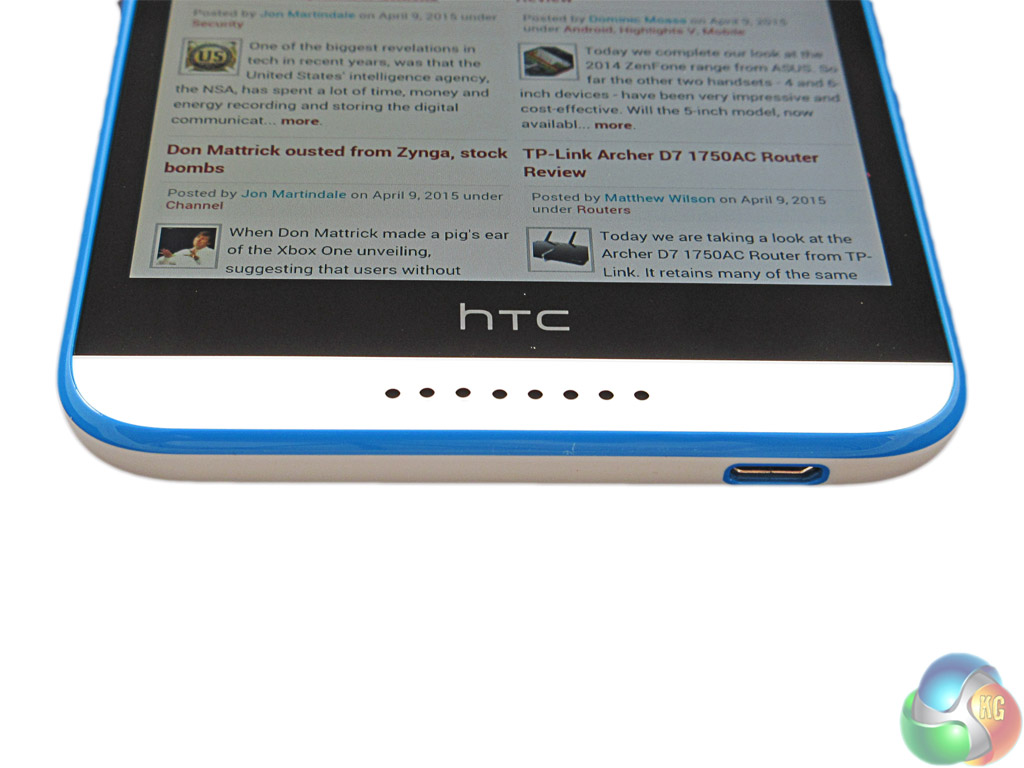
A major downfall of the display is the range of back light brightness. The screen is simply not bright enough for most use outdoors, and can cause your eyes to really strain to see the display. We find it very frustrating when manufacturers do not allow for use in sunlight, as it lessens the overall experience of using a smartphone.
Viewing angles are good, though, and give a clear picture at wide angles. This means watching a film lying down, for instance, does not present a problem.
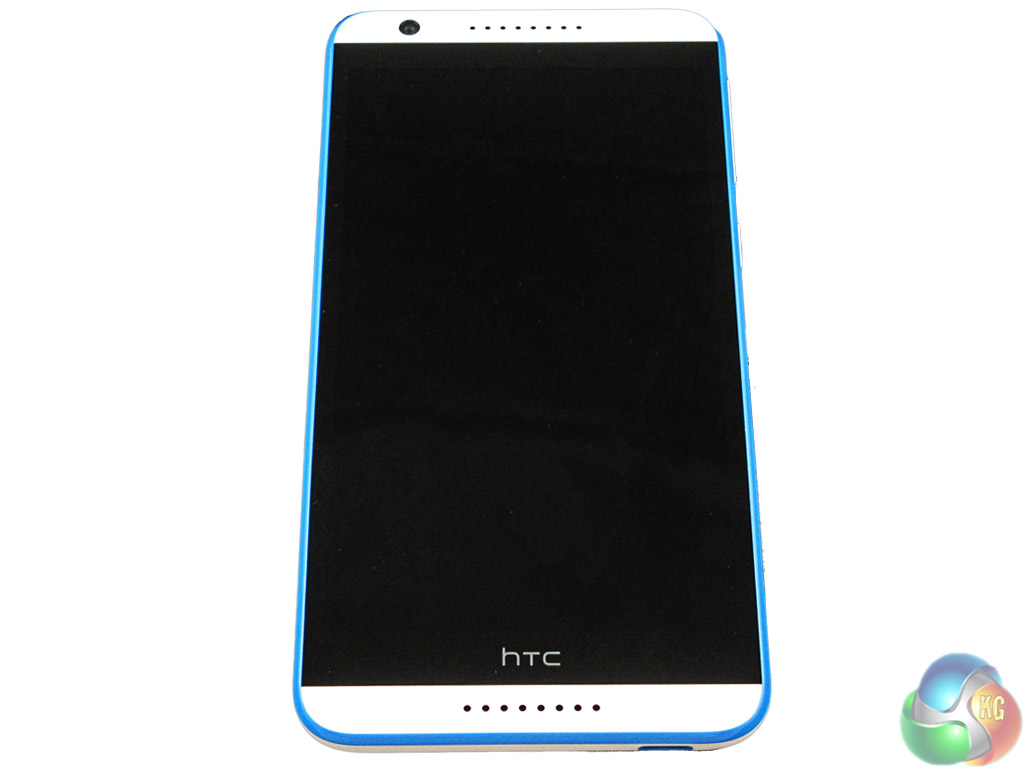
It is a large screen – which we like due to the increased productivity a larger display can bring – but it does fall short in the key areas of screen resolution and brightness.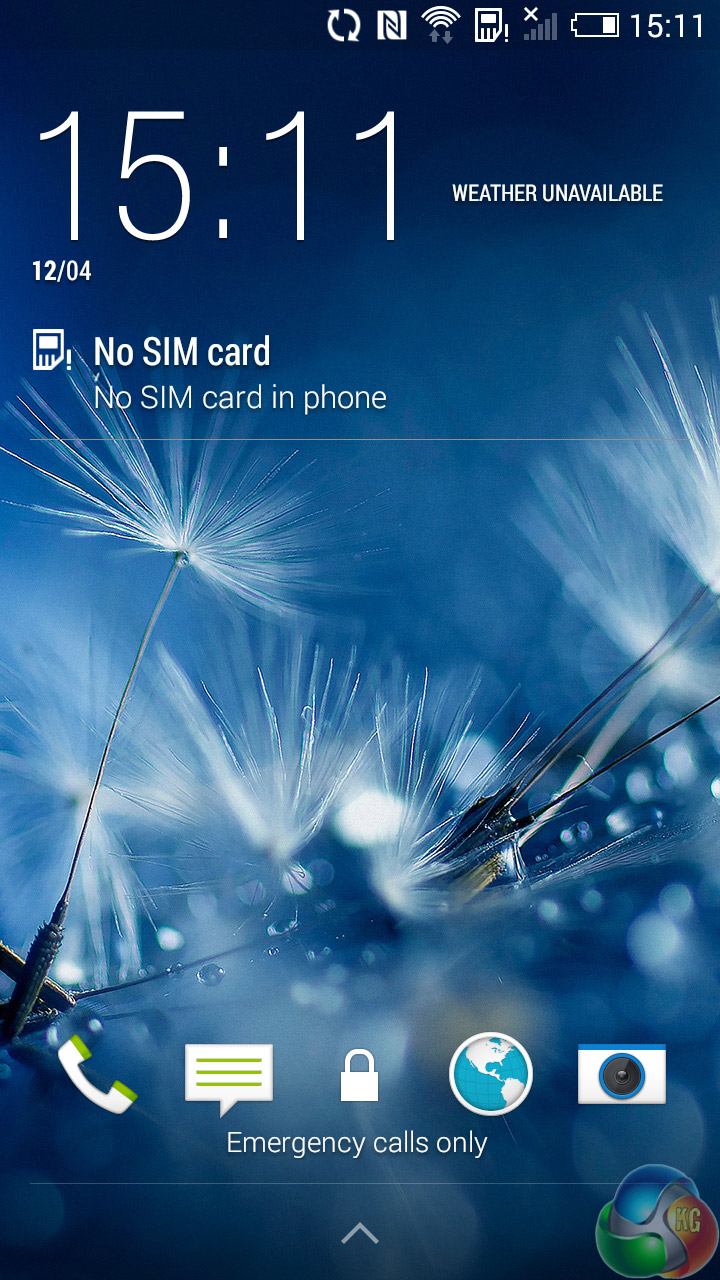
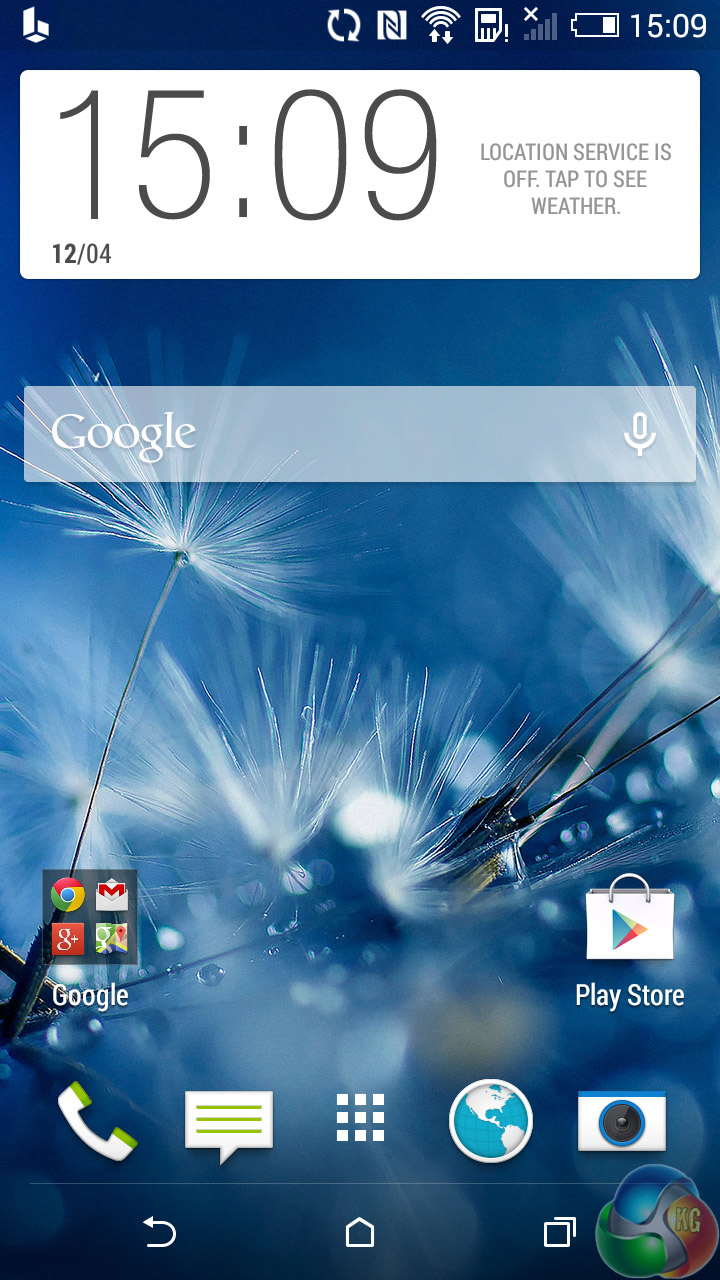
HTC included Android KitKat 4.4.4 with the Desire 820. As usual, they have customised the OS and call their version HTC Sense. The Desire 820 comes with HTC Sense 6.
Within HTC Sense is HTC's stock launcher, named BlinkFeed. The launcher itself is fairly unappealing and does not do much more than you would expect – you can add apps and widgets to the home screen and browse your app drawer, but that's about it.
BlinkFeed, however, takes its name from a personalised news feed which is included within the launcher. Here, each individual can connect their social media accounts and set up weather and news alerts. This is a nifty feature which can collate the information most important to you, if you let it.
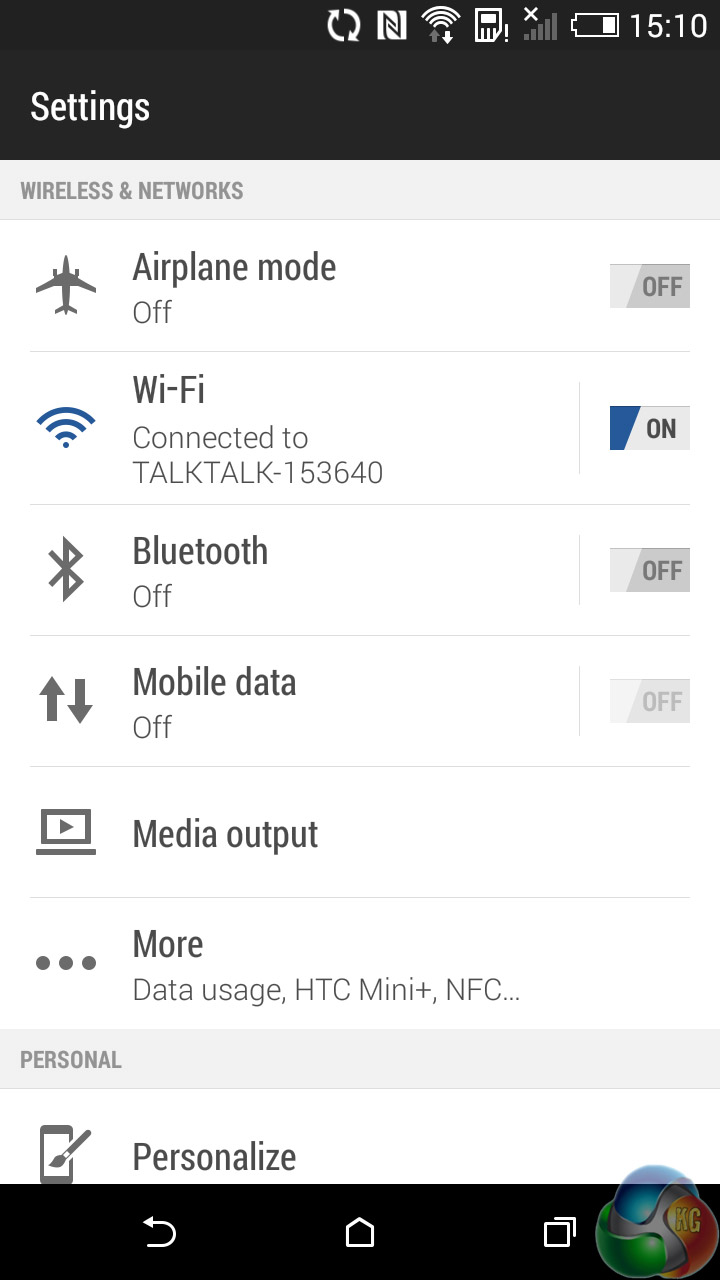
The settings menu is very straightforward, but again, it looks dull. This is due to the grey icons and text – it is very much in need of colour, something ASUS' ZenUI did very well.
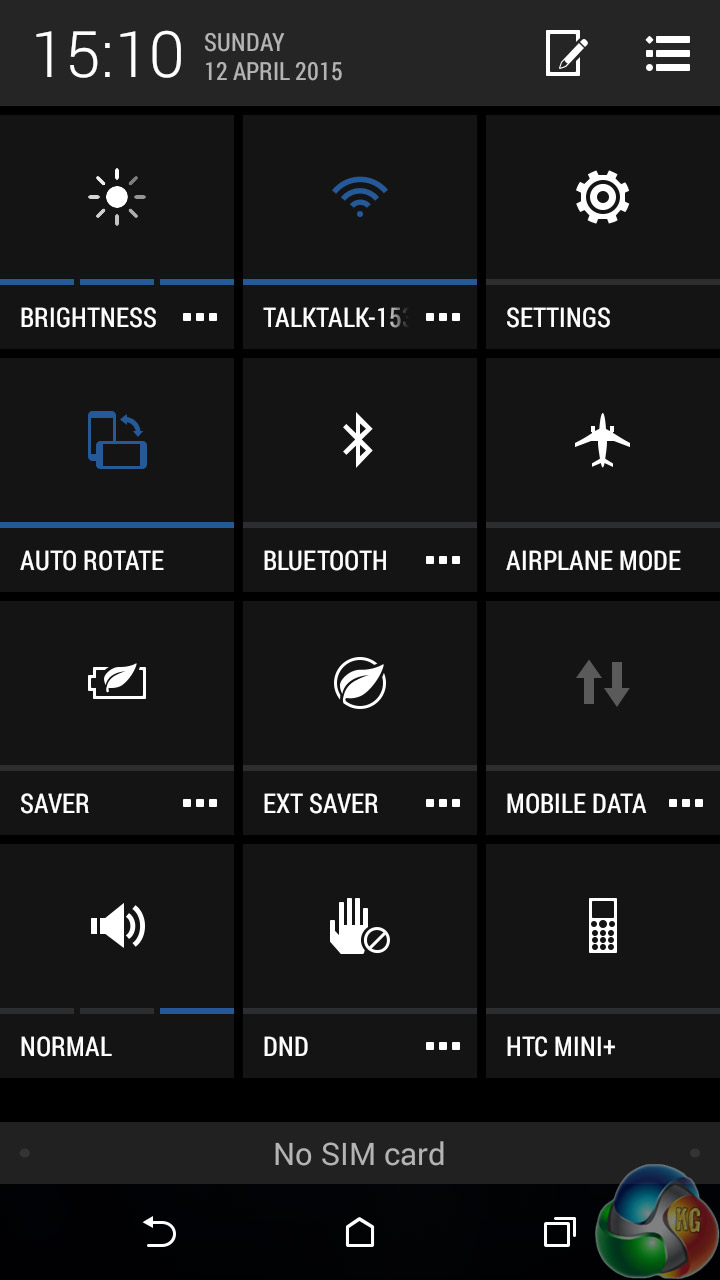
The same can be said for the notification panel options. The settings here are fitted into large square tiles, which make everything feel very blocky and bulky. Again, colour is sorely needed. Yes, when tiles are ‘activated' – when you switch on WiFi, for instance – they turn blue, but it is a dark and dull blue.
You will be able to run all your apps and widgets using HTC Sense and BlinkFeed, but the OS is not very exciting to use. The UI lacks beauty and colour, while the launcher is fairly clunky. We would recommend experimenting with other launchers if you get the Desire 820.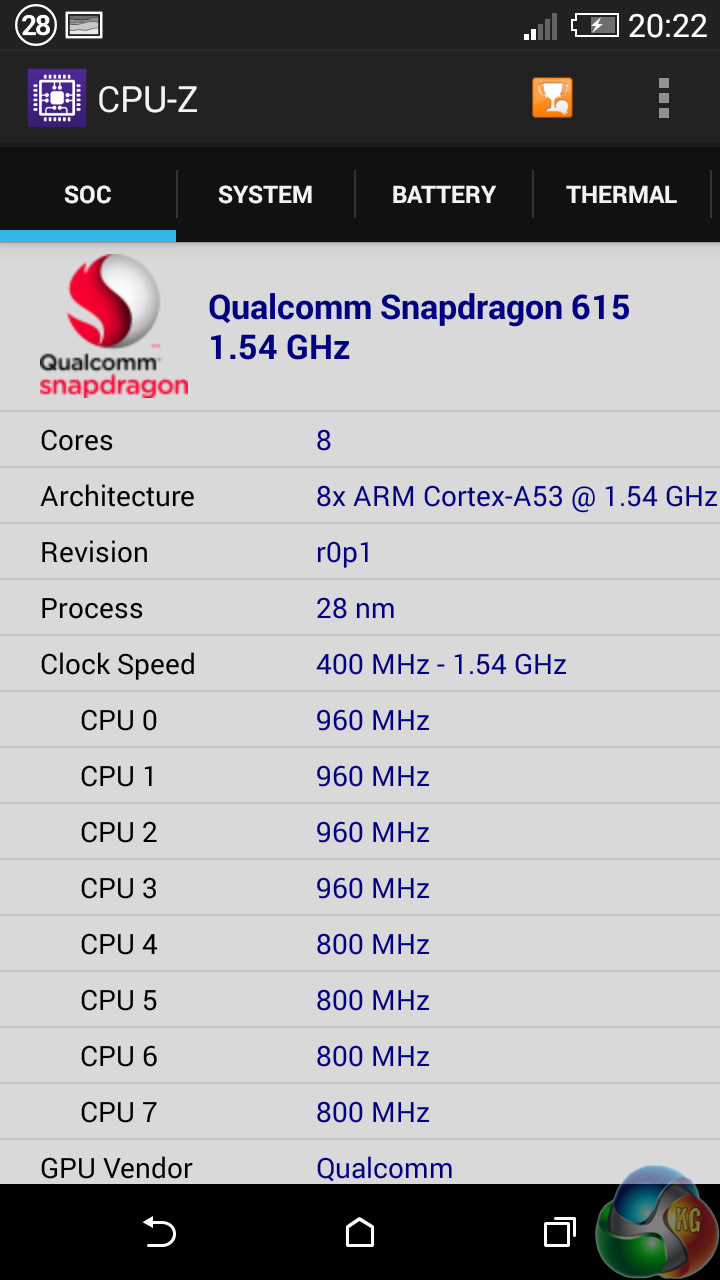
The Desire 820 features exactly the same internal specifications of the OPPO R5 – namely, a Snapdragon 615 and 2GB of RAM – so we were expecting a similar level of performance.
In real word terms, this was certainly the case. Multi-tasking was very fluid, as switching between ten apps (including Chrome with 10 open tabs) was lightning fast and posed no problems. Everyday functions, such as the keyboard responding as you would expect, were managed very well.
We do question the inclusion of the Snapdragon 615 chip, however. It is a 64-bit CPU, but it is paired with only 2GB RAM. Not to say the performance isn't excellent, but perhaps costs could have been saved by using a different 32-bit chip from the Snapdragon 600-series – which would still give similar performance. We just feel it's not really worth including a 64-bit processor to only give it 2GB RAM.
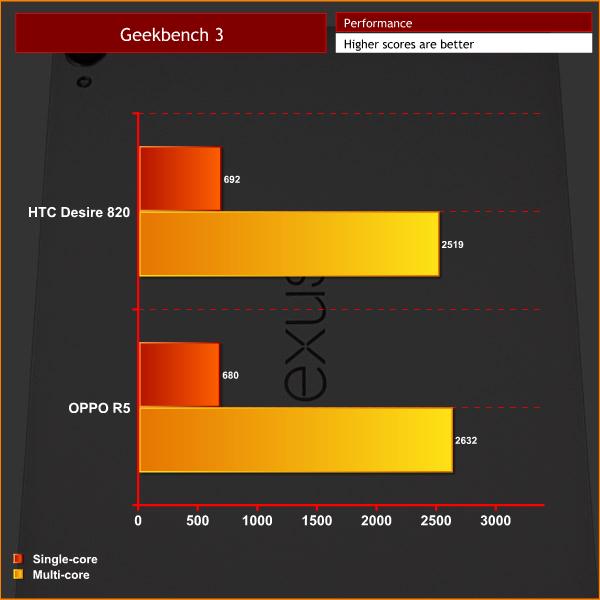
On to the benchmarks. Geekbench 3 gave the Desire 820 a single-core score of 692, while the multi-core score was 2519. As expected, this is very similar to the R5, which posted 680 and 2632, respectively.
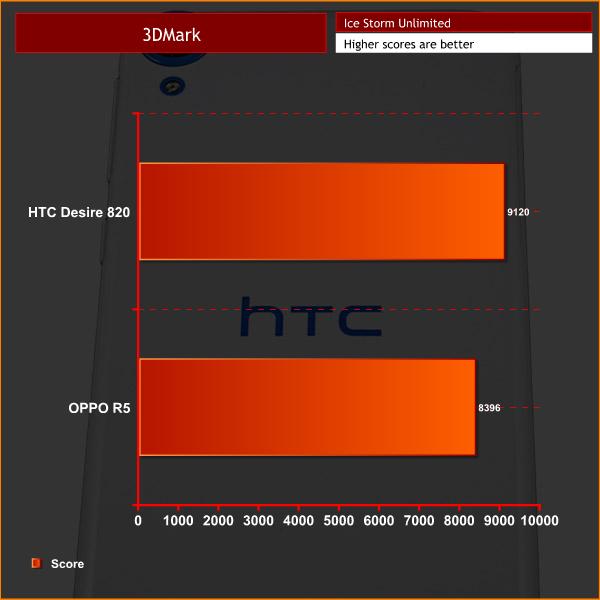
In 3DMark Ice Storm Unlimited, scores were also very similar, with the HTC smartphone scoring 9120 – just ahead of the 8398 achieved by the R5.
It is also important to note the Desire 820 became uncomfortably warm during the benchmarks, something we did not notice when testing the R5. It would suggest the OPPO phone is more efficient and has a better cooling system than its HTC counterpart.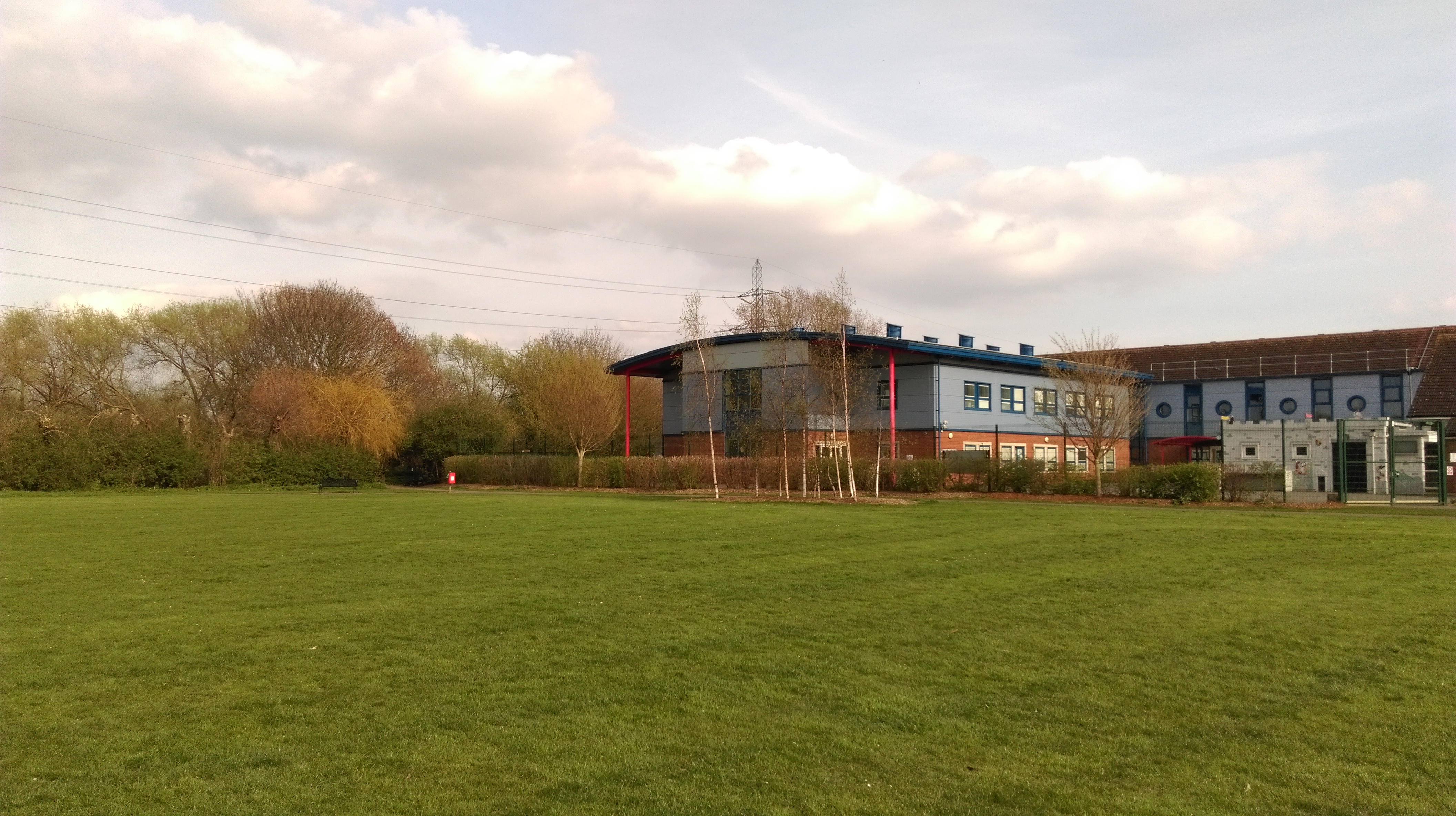
Just like the OPPO R5, the primary camera on the Desire 820 is a 13MP unit. It takes images at a native resolution of 4224*3136. The front camera is an impressive 8MP.
As is usual, HTC include their own camera app – which is actually very limited. It only allows users to take a standard photo – no other modes are included, meaning there is no HDR setting or low-light mode, which many users find useful. We would certainly recommend using Google's own camera app instead, as the HTC offering is rather disappointing.
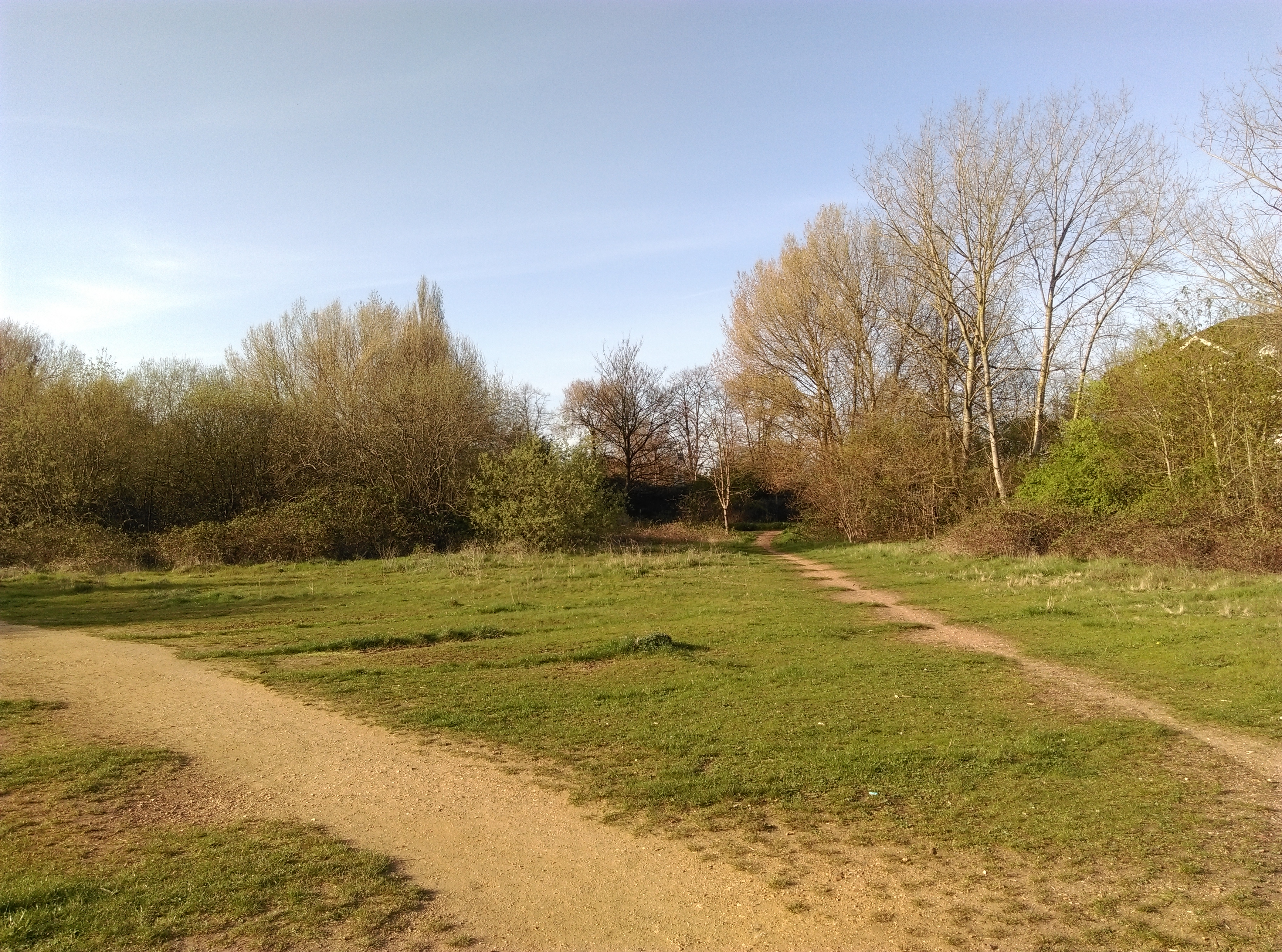

The photos themselves are mostly satisfactory. There is a good level of natural contrast in the images, but often the photos can not accurately reproduce the sky. The camera also does not deal well when shooting into sunlight, but exposure levels are mostly accurate.

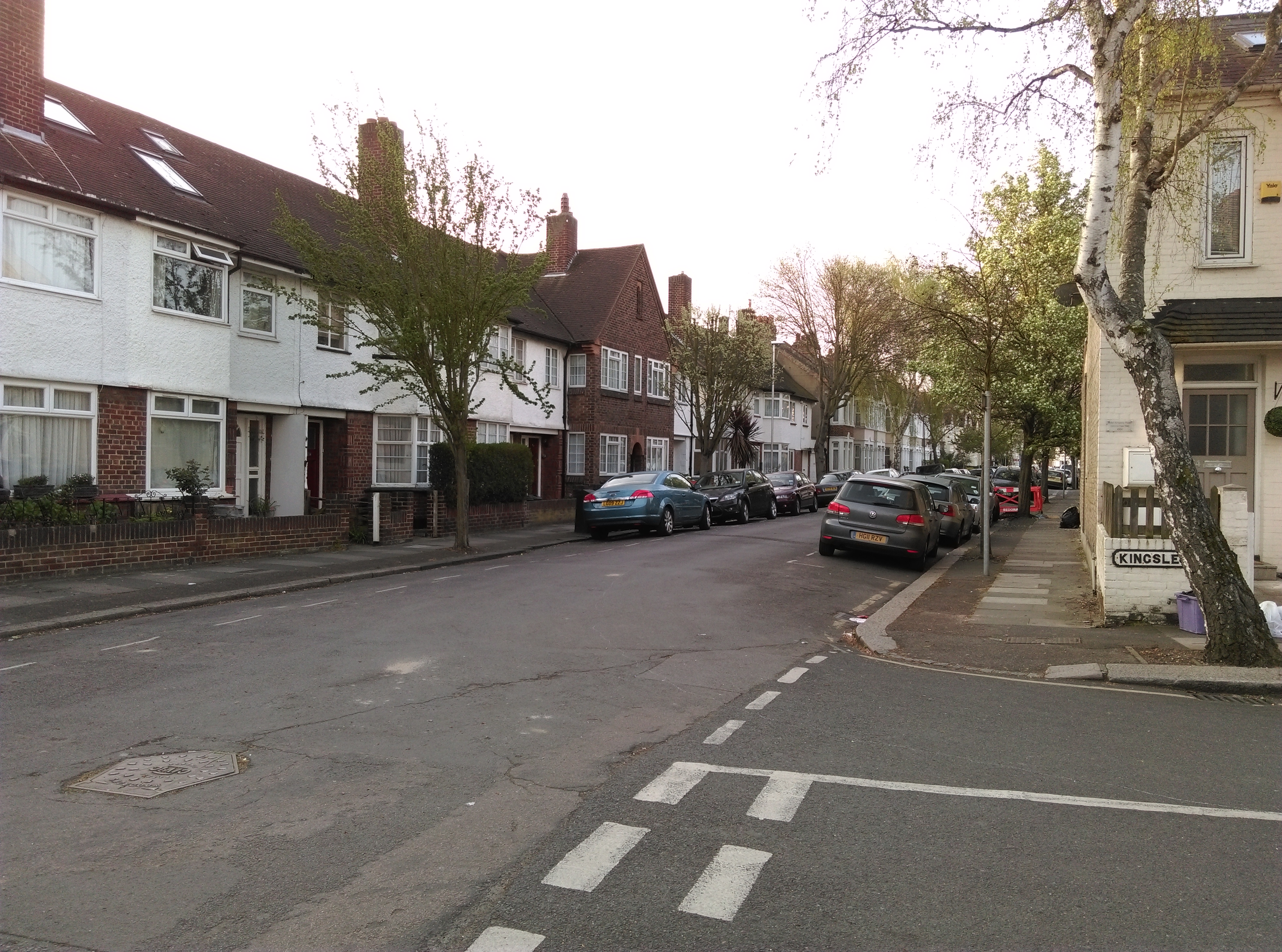
Though it is 13MP, the level of image quality does not seem to be at the same level as the OPPO R5, which shoots crisper images. As it is, it is hard to praise the camera when the OPPO's seems a better all-rounder for a similar price.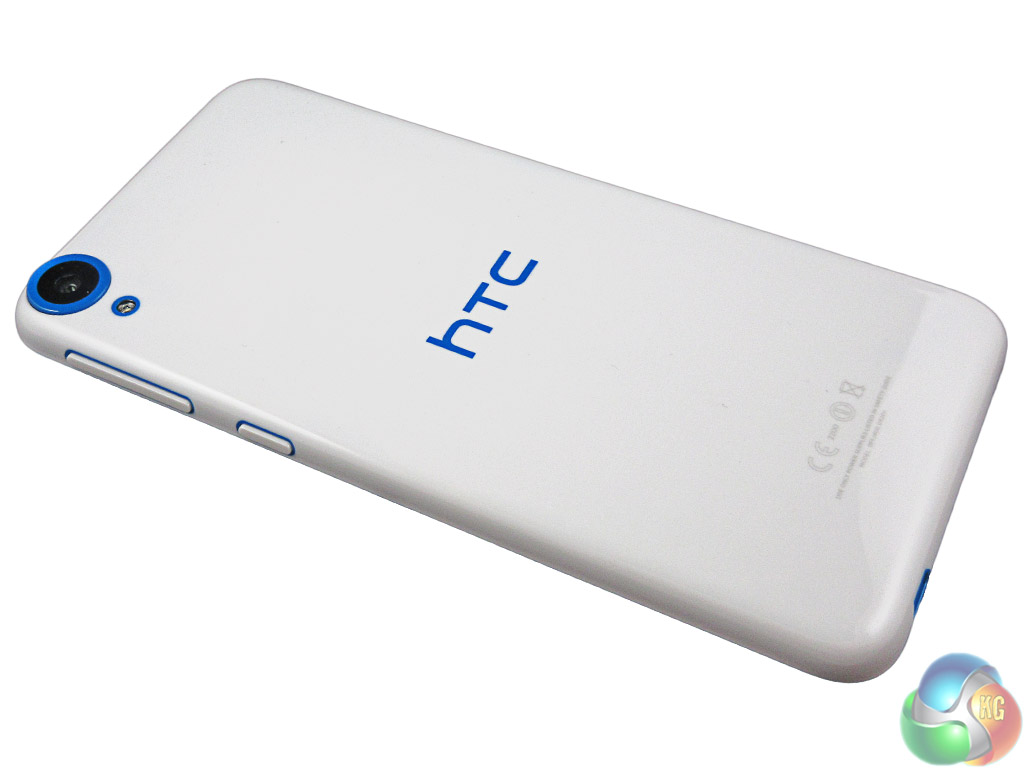
Just like the OPPO R5, the battery life lets down the Desire 820 quite significantly. Despite having a lower resolution display and a larger battery capacity – 2600 mAh – than the R5, the battery life on the Desire 820 is still very poor.
With our usual test settings – regular, daily usage with sync and WiFi/mobile data always on – the Desire 820 just about struggled into the early afternoon before needing a recharge.
The battery drop when the phone was not actually in use was particularly bad – after 30 minutes of just sitting in a pocket, the battery had dropped 6%.
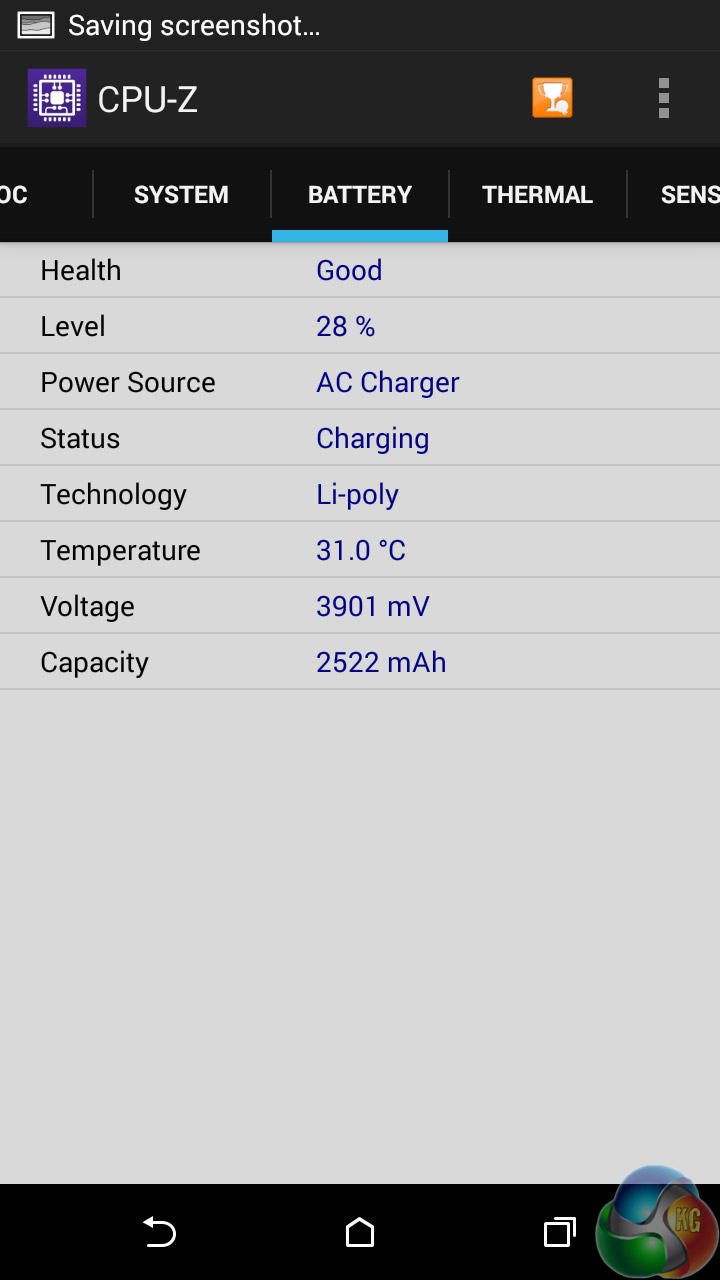
It becomes very hard to justify the 820 when its battery is so bad. It does not even have the benefit of fast-charging technology, which was the OPPO R5's saving grace. You will have to plug the 820 in for over a hour just to get you back to 50% battery capacity.After a thorough examination, it is safe to say HTC's Desire 820 did not quite live up to our expectations.
Things did not start too well, as for a phone costing £280, we would hope for a higher quality build than the glossy plastic finish the Desire 820 features – the OPPO R5 had a classy steel build, for instance. The phone, too, is over 10mm longer than other 5.5-inch devices.

The display is also lacking in quality. A 720p resolution falls well short of the standard set by the LG G3, which is now a similar price to the HTC smartphone. Brightness levels are also simply unacceptable.
HTC Sense also is another area that failed to dazzle, but it can get the basics done – which may be enough for some. We just felt the UI was in desperate need of some colour.
Performance is very good though, and is certainly the strongest aspect of the phone. The Desire 820 crunched through the benchmarks and did very well during everyday use. We simply question the inclusion of a 64-bit CPU when there is only 2GB RAM alongside it.
The 13MP camera did not seem to give as detailed images as the OPPO R5, and the camera app was very limited. It was a satisfactory camera for the price, but did not impress us as much as the shooter on the R5.
Battery life was simply woeful. It made using the phone for long periods very hard, and as the Desire 820 does not support fast-charging technology, there's no way around the problem posed by the insufficient battery.
As a result, we would recommend buying the OPPO R5 instead. A superior camera and build quality, as well as the vital fast-charging technology, make it the phone to beat at this price point.
The Desire 820 was certainly not a bad phone when taken on its own. When compared to the competition though, it does not quite make the cut. You can buy it from Carphone Warehouse for £279.99 inc VAT.
Discuss on our Facebook page, over HERE.
Pros
- Strong performance.
- Large, if not FHD, display.
Cons
- Awful battery.
- Bigger than other 5.5-inch devices.
- Build quality wasn't quite there.
- Photos weren't as detailed as the competition.
- Clunky UI.
KitGuru says: If you are after a mid-range phone, you may want to keep looking. While the Desire 820 is not bad, it's not as good as the standard-setting OPPO R5.