KitGuru KitGuru.net – Tech News | Hardware News | Hardware Reviews | IOS | Mobile | Gaming | Graphics Cards


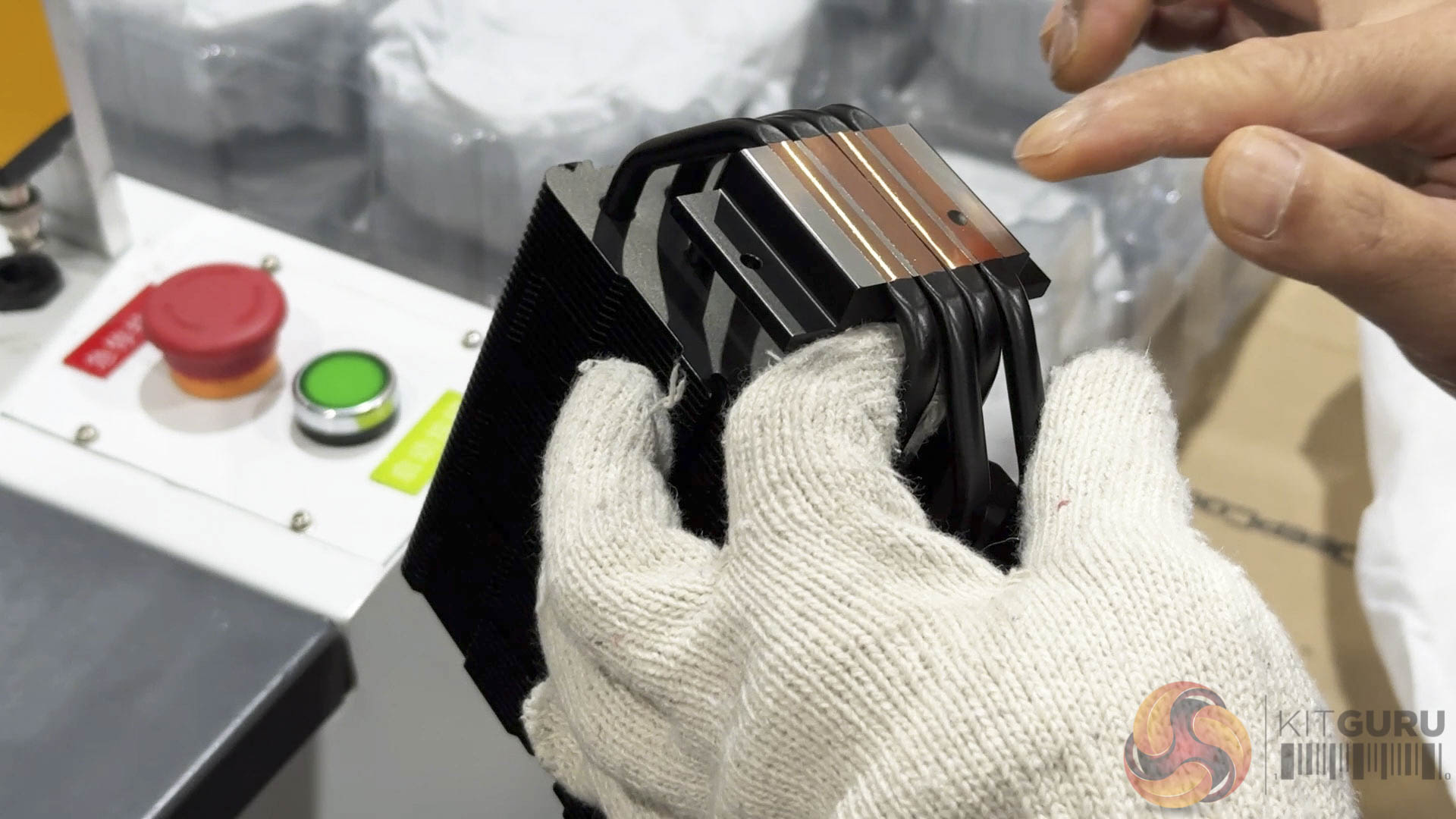
On the way out to Computex in Taipei, we made a detour to spend a few days with DeepCool at their Huizhou production centre. We got to see everything from the making of heatpipes from scratch, through to the final assembly of PC cases. Fortunately, we took a camera – so you can share that journey with us.
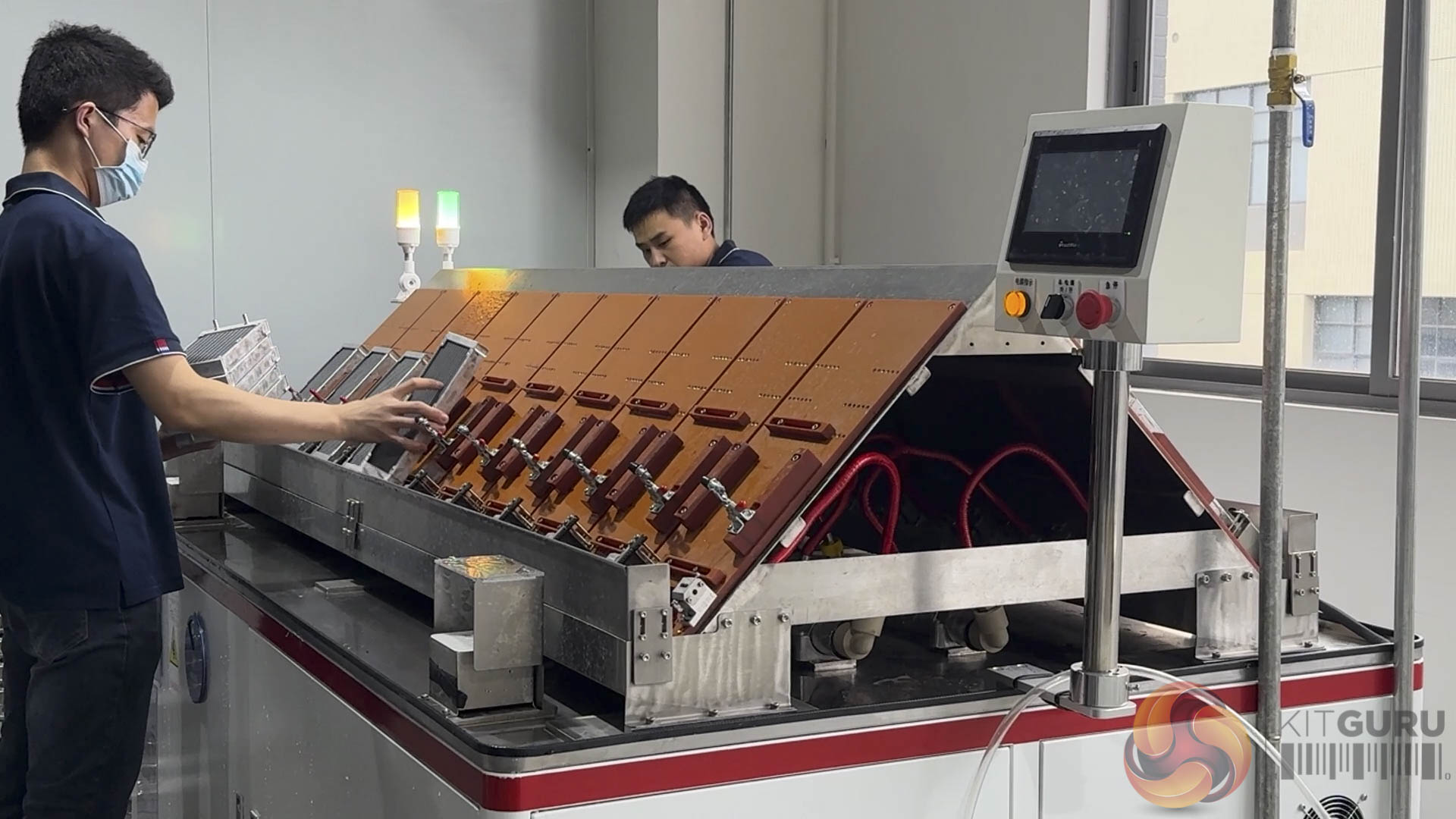
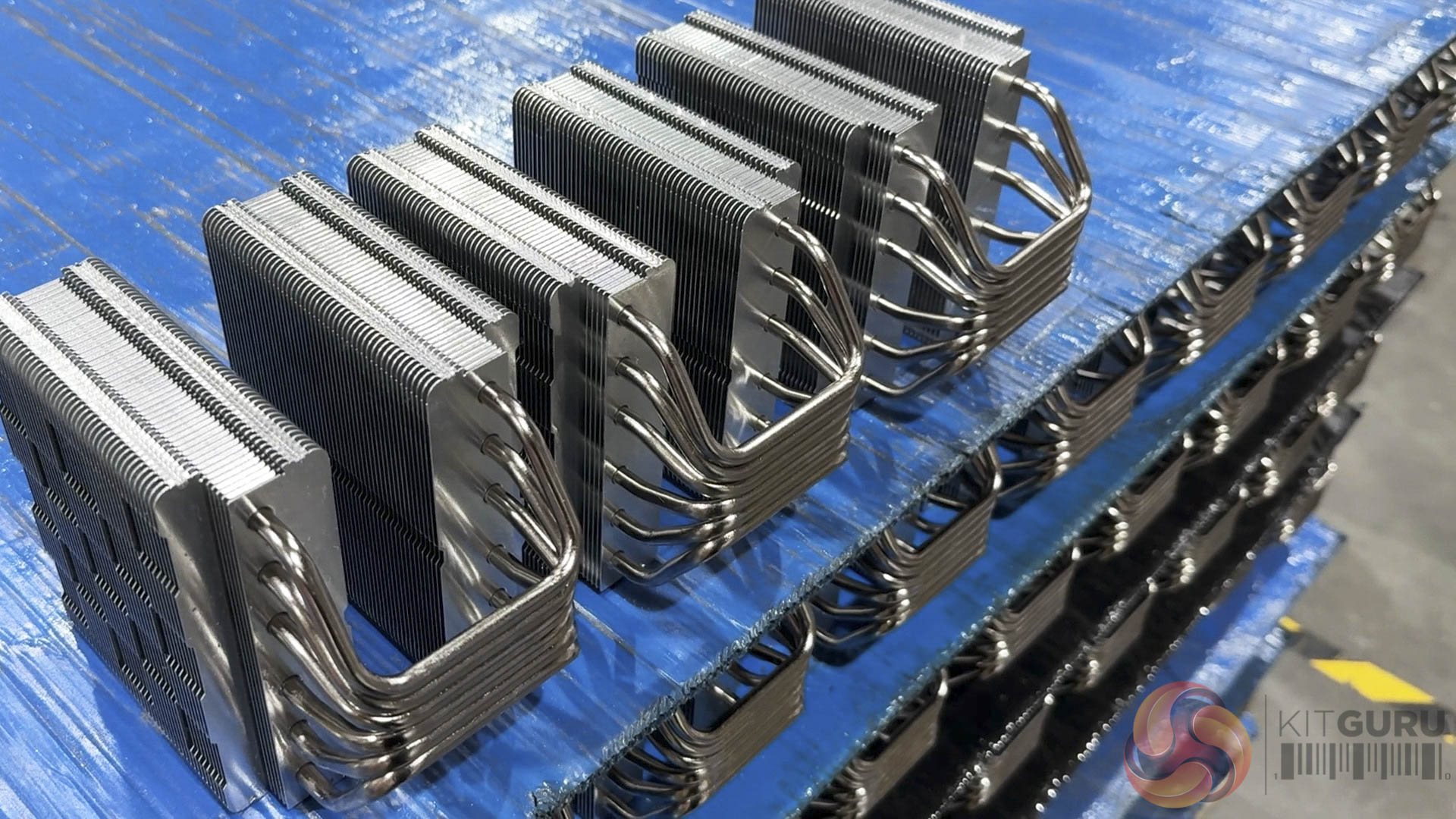
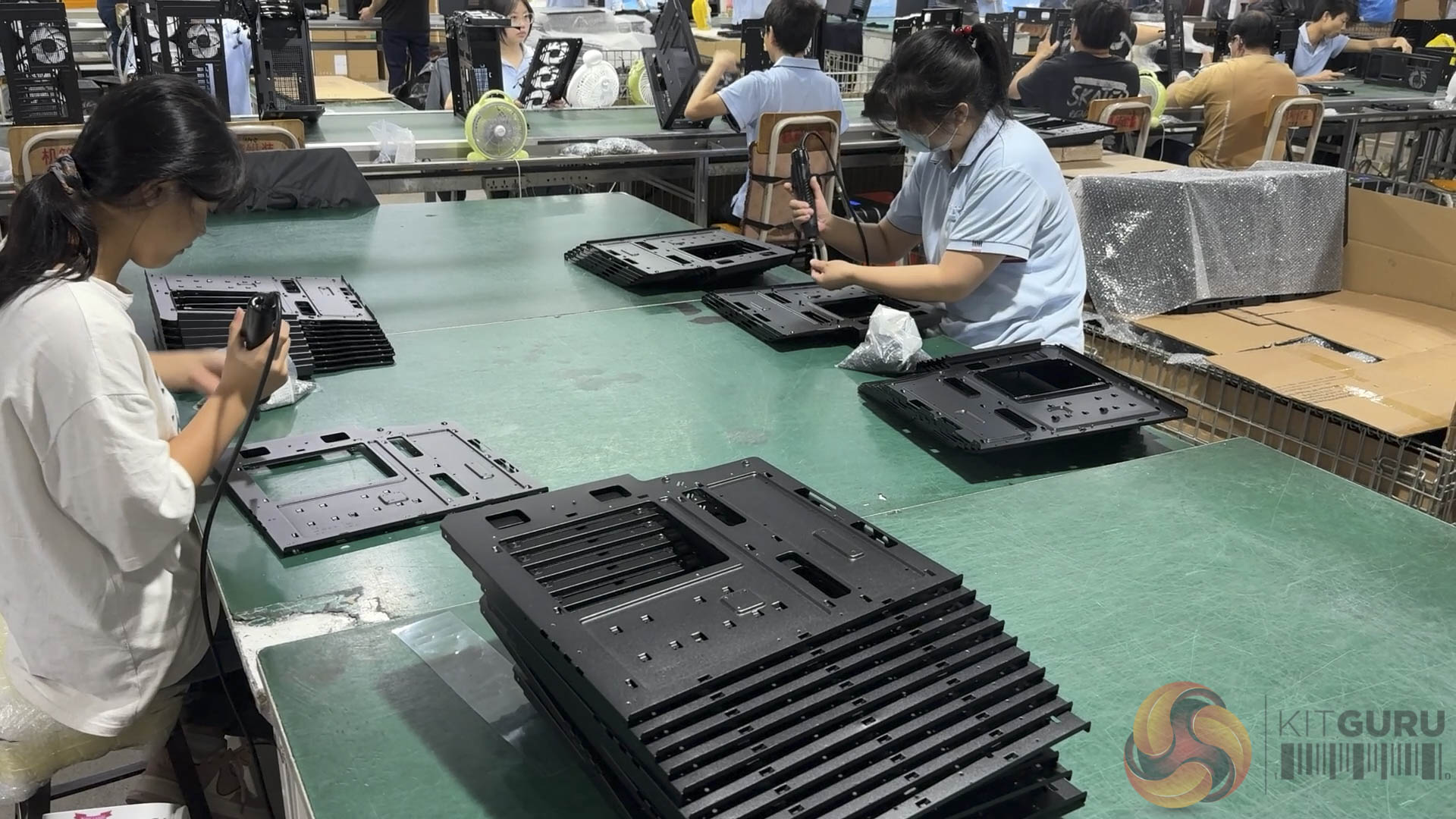
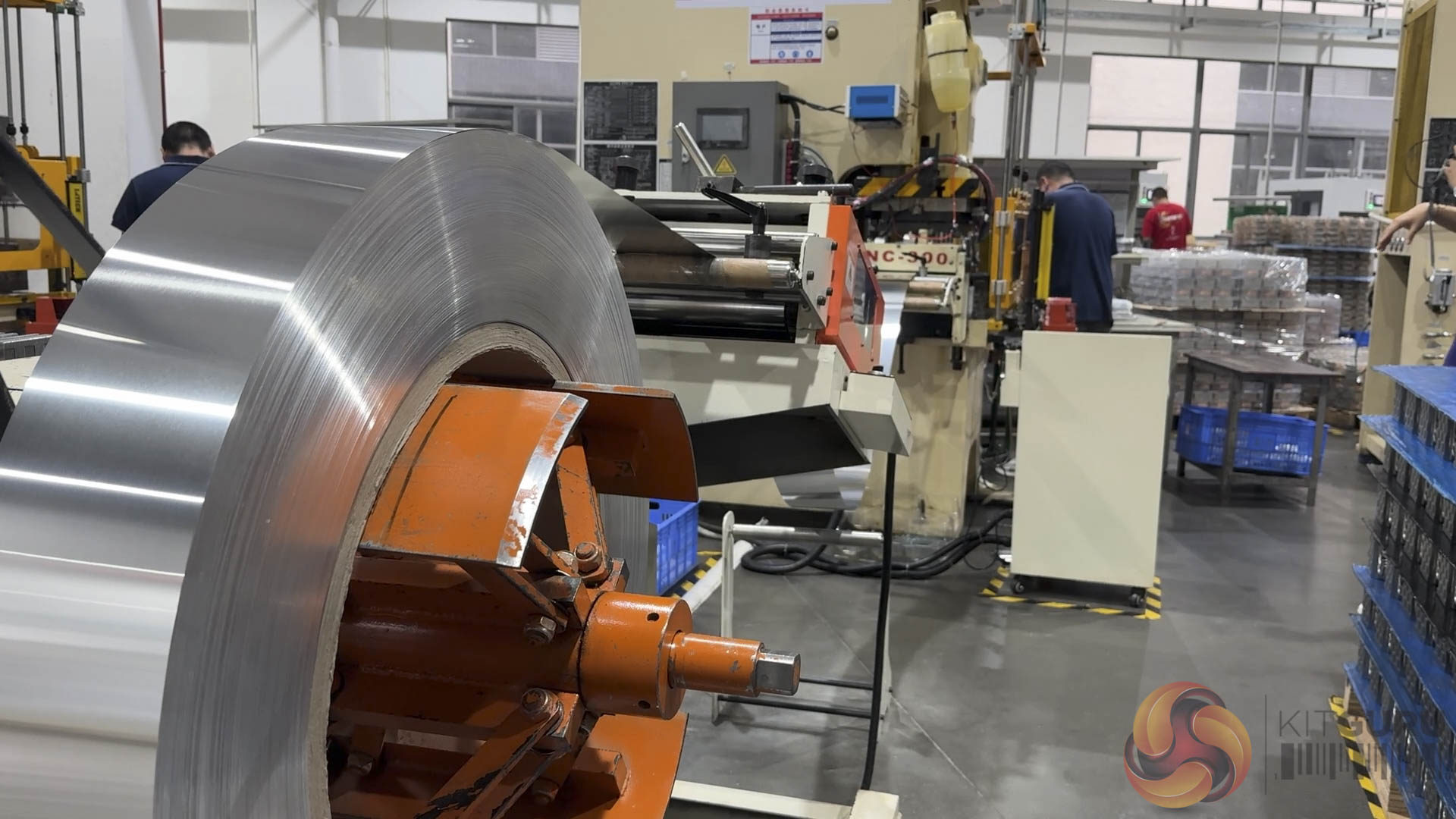
Founded in Beijing, back in 1996, DeepCool continues to expand its range of products, but also its customer base. Our first look at their kit came in 2015, when Leo was impressed enough by the Assassin II to give it a Worth Buying award while declaring it, “Big, heavy and quiet” – which isn’t a bad combination for a CPU cooler. In last year’s KitGuru Editorial awards, DeepCool’s LT720 picked up our Best Budget Cooler award and the AS500 Plus won Best Air Cooler of the year in 2021.
At Computex 2024, we were shown an array of interesting new products, including the VC Vision upgrade to the company’s Assassin IV cooler. This new cooler has a vapour chamber to maximise cooling and the ‘Vision’ part of the name refers to the digital display that is detachable from the main cooler. We feel that DeepCool has an eye on next gen Intel processors coming through this year – where a huge TDP cooling capability could be very useful.
At Computex, DeepCool also announced its first BTF case, designed for the new generation of motherboards with power connectors moved to the back. To support this, cases also need to be tweaked to allow PC builders access to the full back side of the motherboard. The benefit here is that with a BTF motherboard and case, you'll have no power cables routed through the front of the case.
DeepCool's PN-M and PX-S series power supplies are also getting an upgrade to support the latest ATX 3.1 and PCIe 5.1 standards.
KitGuru Says: What did you all think of DeepCool's Computex reveals this year? What did you think of the factory tour?