KitGuru KitGuru.net – Tech News | Hardware News | Hardware Reviews | IOS | Mobile | Gaming | Graphics Cards


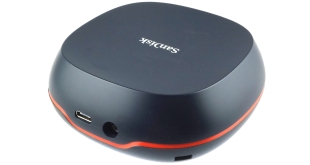
SanDisk's latest drive is the Desk Drive, the company's first desktop SSD, offering large capacity combined with a USB 3.2 Gen 2×1 (10Gbps) interface. We check out the flagship 8TB model, with a price of over £660 here in the UK.
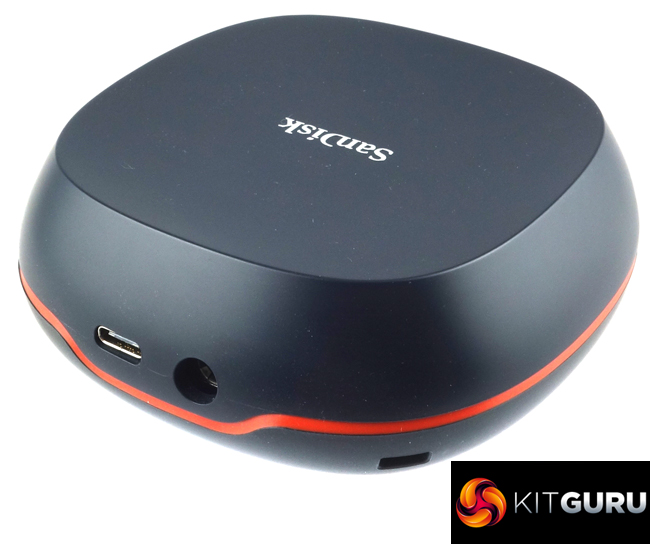
At launch, the SanDisk Desk Drive comes in just two capacities, 4TB and 8TB. SanDisk rates the drive as up to 1,000MB/s for reads but there is nothing listed for write performance.
Although marketed as a drive for the desktop, the SanDisk Desk Drive is compact enough to be carried around (although you will have to remember to carry the power adapter with you as well). The Desk Drive supports both Windows (8.1 and 10 upwards) and MacOS (11 upwards). It supports Apple Time Machine and there is a link bundled with the drive to download Acronis True Image for Western Digital.
SanDisk backs the drive with a 3-year warranty which seems a little mean with 5-year warranties in abundance for SSDs these days.
Physical Specifications:
- Usable Capacities: 8TB.
- NAND Components: BiCS5 112-layer TLC NAND.
- NAND Controller: in-house WD.
- Interface: USB 3.2 Gen 2×1 (10Gbps).
- Form Factor: External.
- Dimensions: 99.2 x 99.2 x 40.2mm,
- Drive Weight: 272g.
Firmware Version: 1007.