KitGuru KitGuru.net – Tech News | Hardware News | Hardware Reviews | IOS | Mobile | Gaming | Graphics Cards


At Microsoft Build, AMD demonstrated its latest advancements in AI computing with several key new announcements. For starters, Microsoft is using AMD's technology, namely Instinct MI300X GPUs and ROCm software to power AI workloads.
The AMD Instinct MI300X has been deployed in Microsoft Azure servers to power OpenAI services like ChatGPT 3.5 and ChatGPT 4. Microsoft's own Copilot AI assistant uses information from ChatGPT. The 4th Generation EPYC CPUs are also widely used across Azure.
To get the most out of these GPUs, Microsoft is also using AMD's open-source ROCm software to achieve leading price to performance ratios, which sounds like a big win for AMD. The AMD Alveo MA35D media accelerator is also being used to power Microsoft's live streaming workloads, from Teams to SharePoint and other applications.
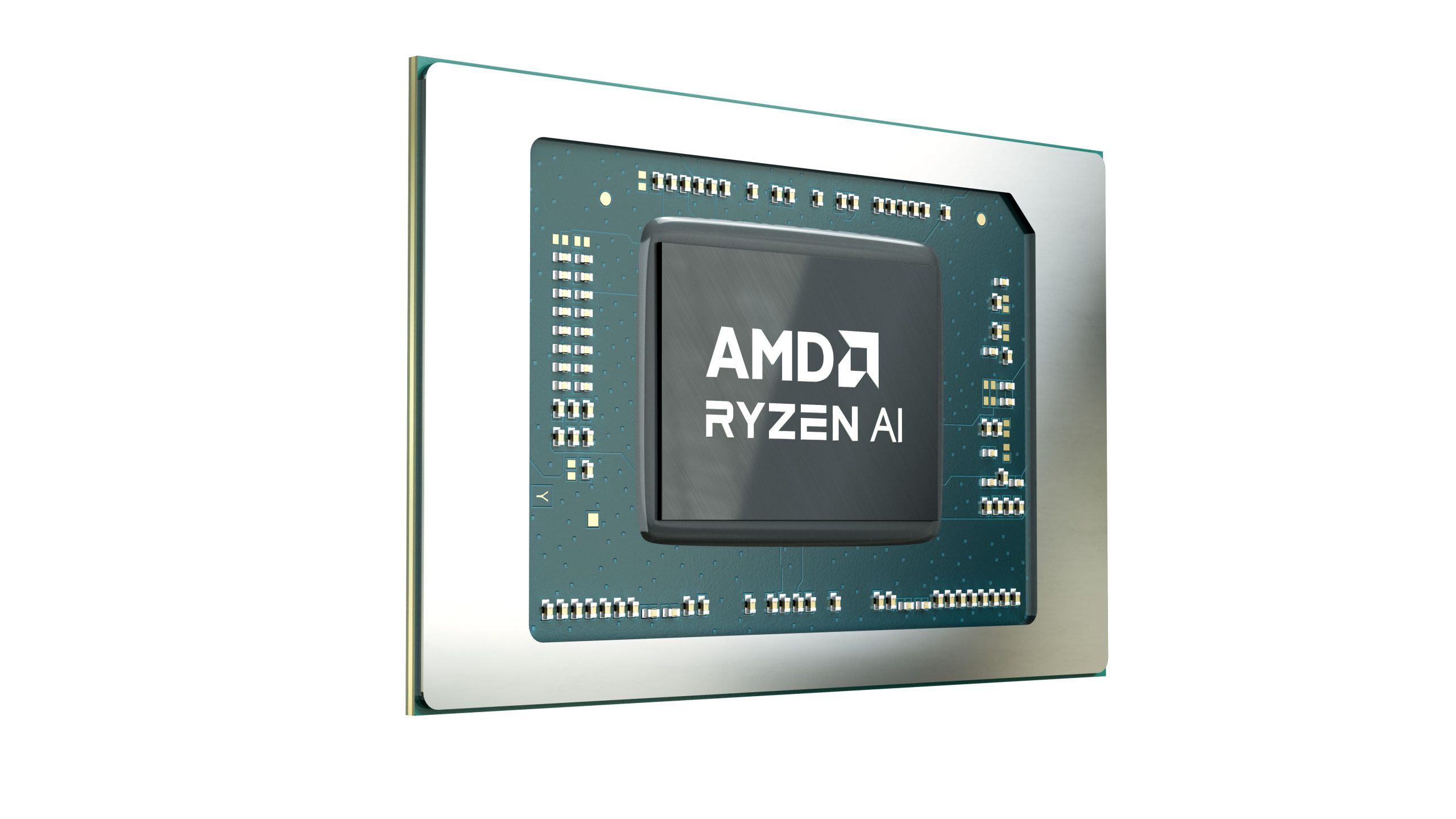
New York-based AI company, Hugging Face, is one of the first major customers utilising Microsoft's new AMD Instinct-powered Azure servers. Developers can also deploy AI Inference software locally using AMD software, just as long as you have a Ryzen AI processor, which is currently only available in the laptop market. The new Ryzen AI processors include the XDNA architecture to accelerate AI workloads.
Discuss on our Facebook page, HERE.
KitGuru Says: AMD is taking some big swings in the AI realm and it looks like the company's partnership with Microsoft is as strong as ever.