KitGuru KitGuru.net – Tech News | Hardware News | Hardware Reviews | IOS | Mobile | Gaming | Graphics Cards


Team Group's gaming brand, T-Force, has introduced its latest gaming SSD line, including the G70, G50, and respective Pro variants. These four M.2-2280 form factor SSDs are all PCIe Gen 4×4 interface-compatible and come equipped with InnoGrit controllers.
To ensure optimum performance, the G70, G50, and respective Pro versions are equipped with proprietary ultra-thin graphene heatsinks. Alternatively, the G70 Pro also comes with an aluminium alloy heatsink for those who may not have an SSD heatsink at hand. Both PC and PS5 gamers can take advantage of these SSDs, as the heatsinks were designed to fit within the PS5's expansion slot.
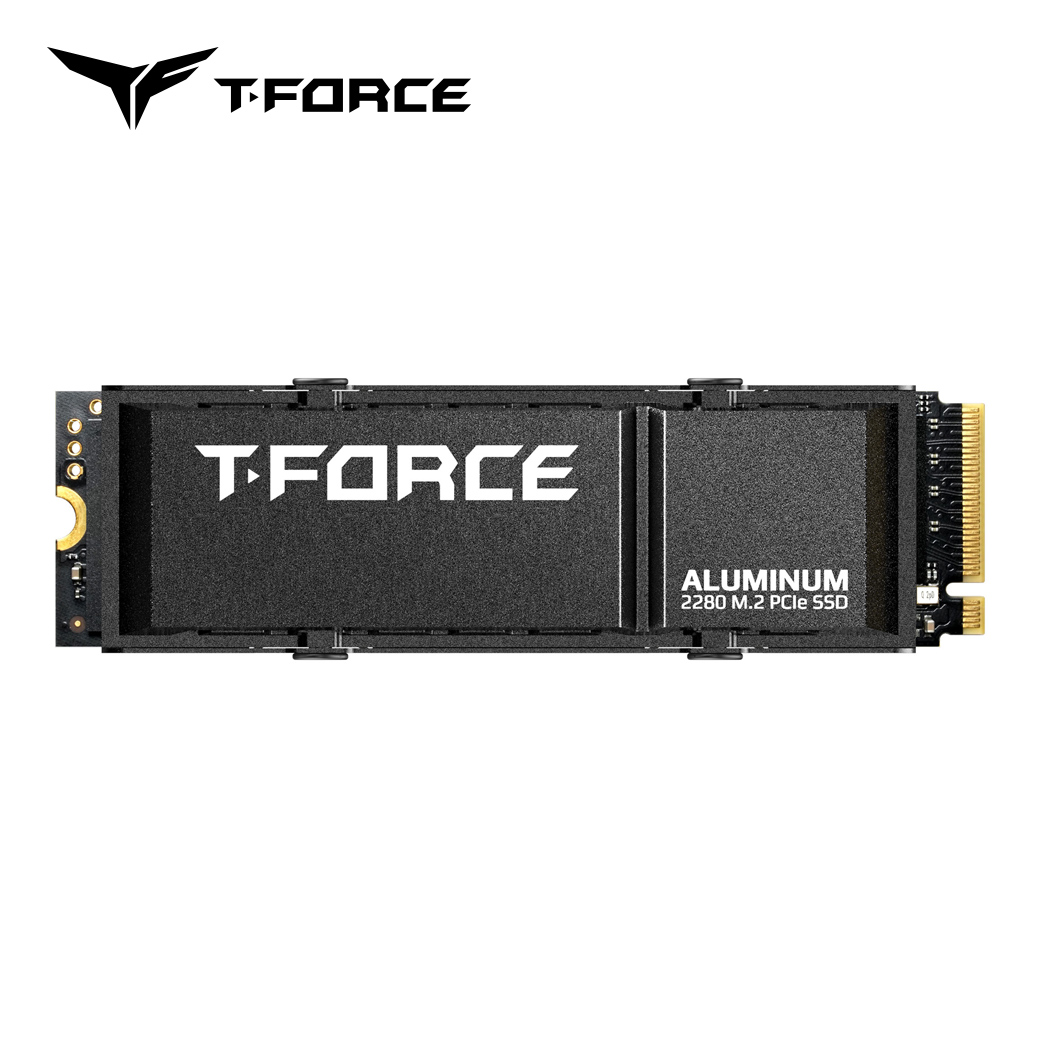
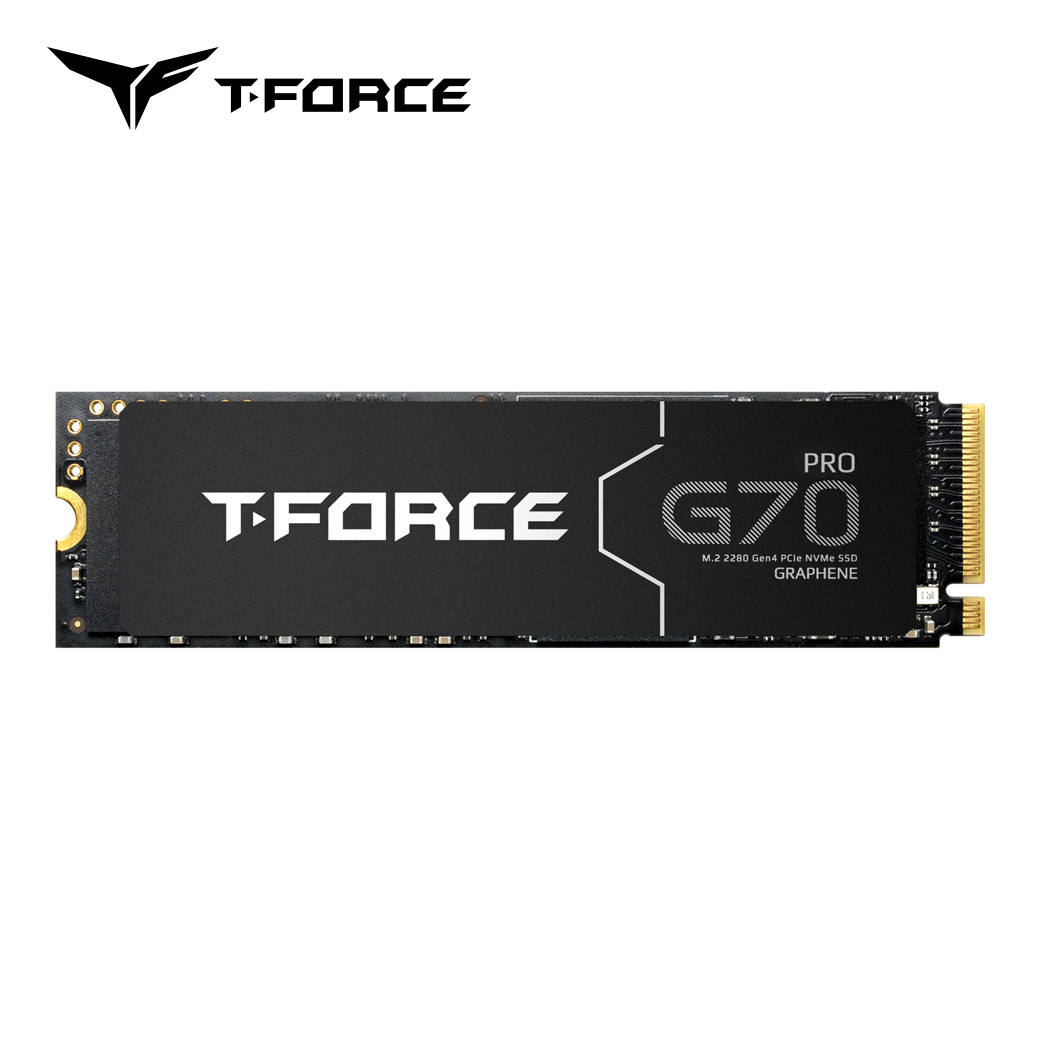
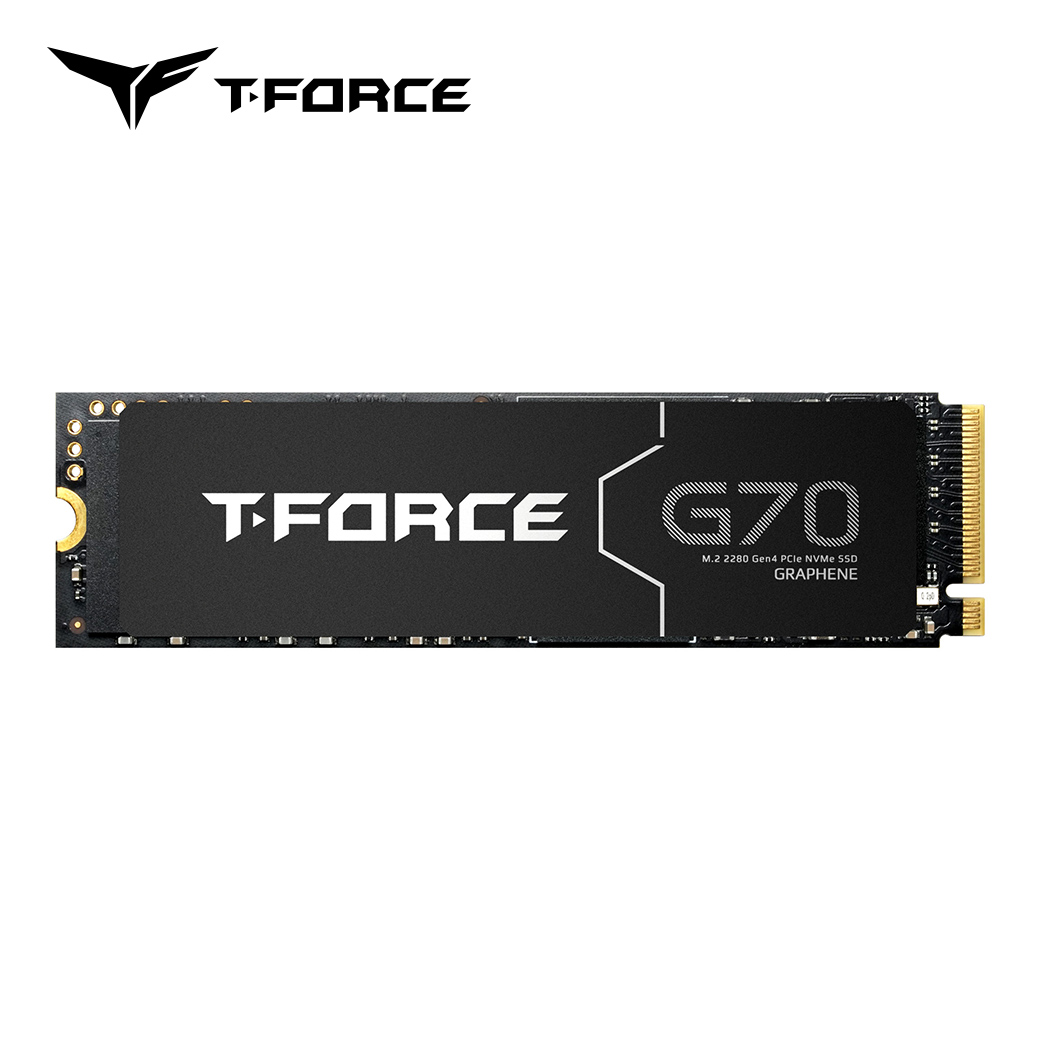
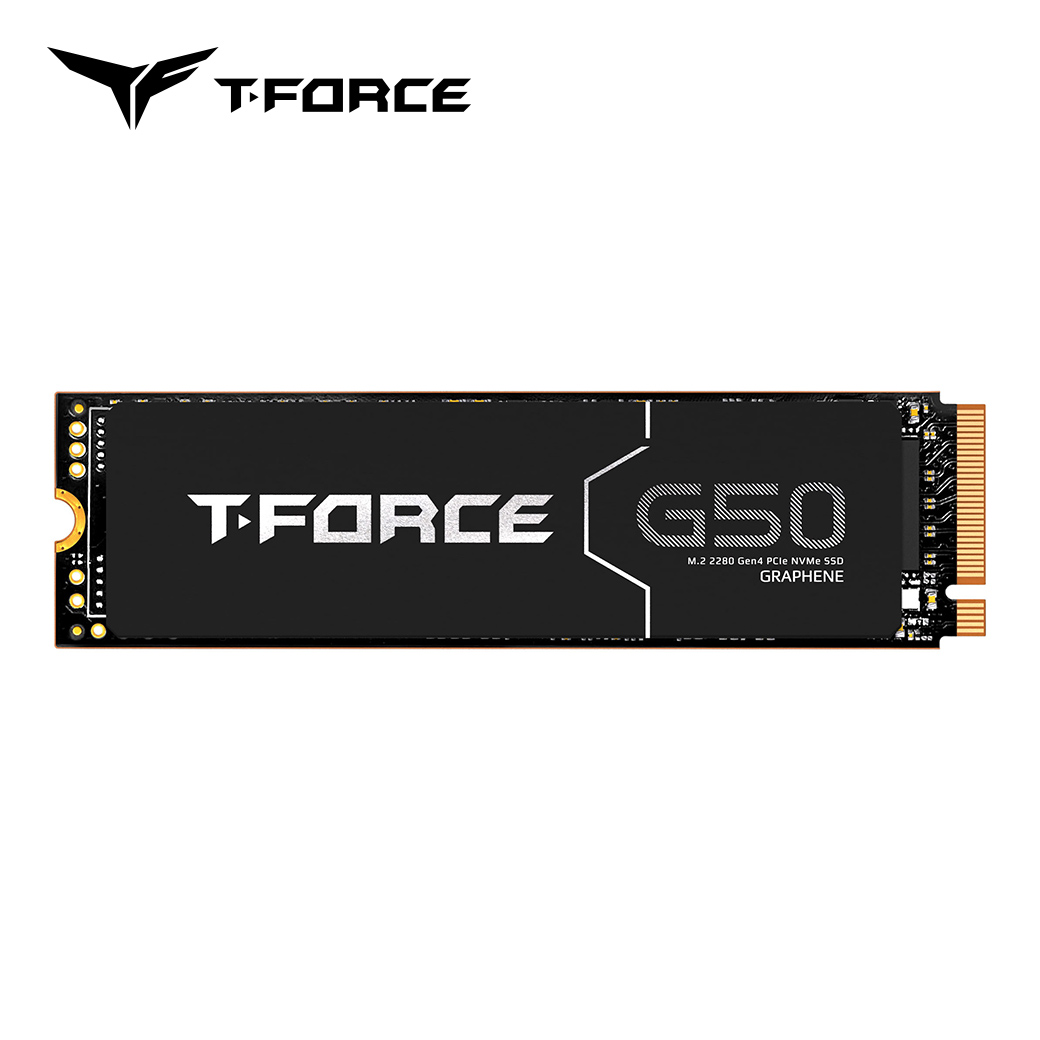
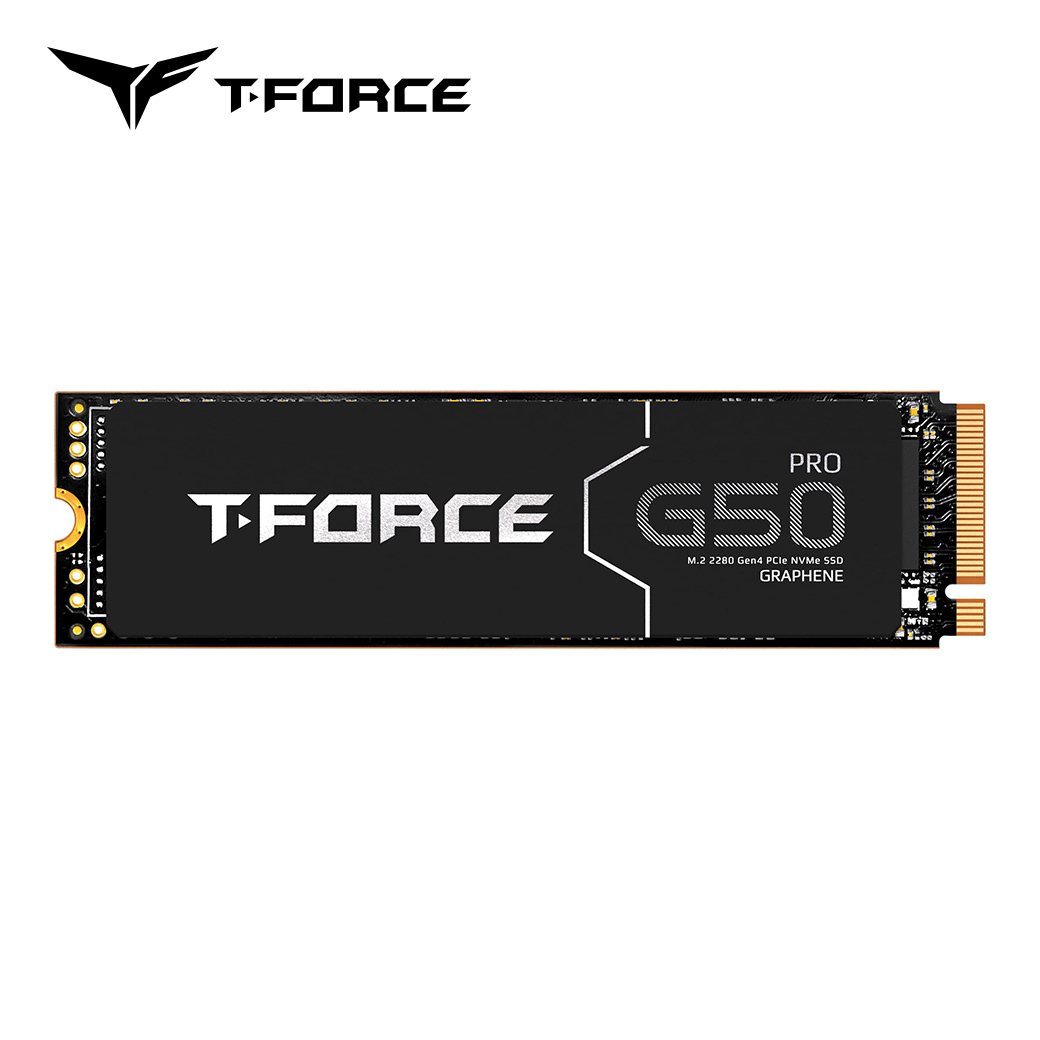
The T-Force G70 and G70 Pro SSDs boast read speeds of up to 7000MB/s and up to 4TB storage capacities, while the G50 and G50 PRO SSDs can read up to 5000MB/s and up to 2TB storage capacities. Both standard and Pro versions of these SSDs support SLC caching, but only the latter has a DRAM cache available for increased performance. The new T-Force PCIe 4.0 SSDs support S.M.A.R.T. monitoring software, allowing users to monitor the health of their SSDs.
Team Group's T-Force G70, G70 Pro (with and without the heatsink), G50, and G50 Pro PCIe 4.0 SSDs will be available in late December.
Discuss on our Facebook page, HERE.
KitGuru says: PCIe 5 SSDs may take the overall performance crown but PCIe 4 SSDs are still perfectly speedy for gaming and tend to be more cost effective in a cost per GB sense. Are you thinking of picking up a new PCIe 4 SSD for a PC or PS5 upgrade?