KitGuru KitGuru.net – Tech News | Hardware News | Hardware Reviews | IOS | Mobile | Gaming | Graphics Cards


When we talk about what's next in chip design, the first things that come to mind are more cores, increased clock speeds, smaller nodes, and more cache. Rarely do we think about the package substrate, the CPU part that holds and links all of its components. However, CPU manufacturers also try to innovate that particular part, as Intel's latest announcement shows.
Intel has recently revealed its new glass substrate, which is expected to appear in advanced chip designs later this decade. Glass is tougher and more efficient than the current organic materials used, allowing the substrate to pack more chiplets and other components.
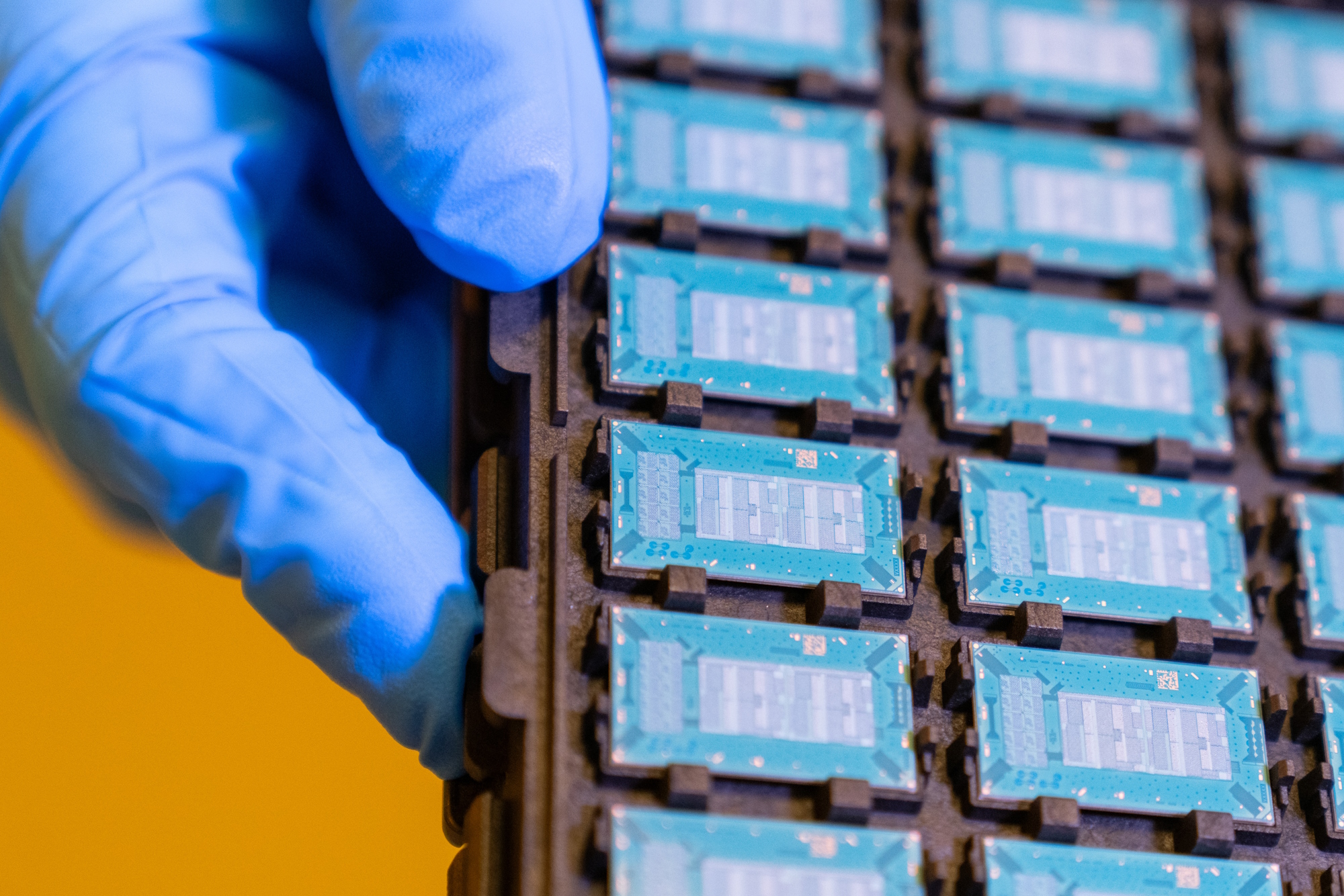
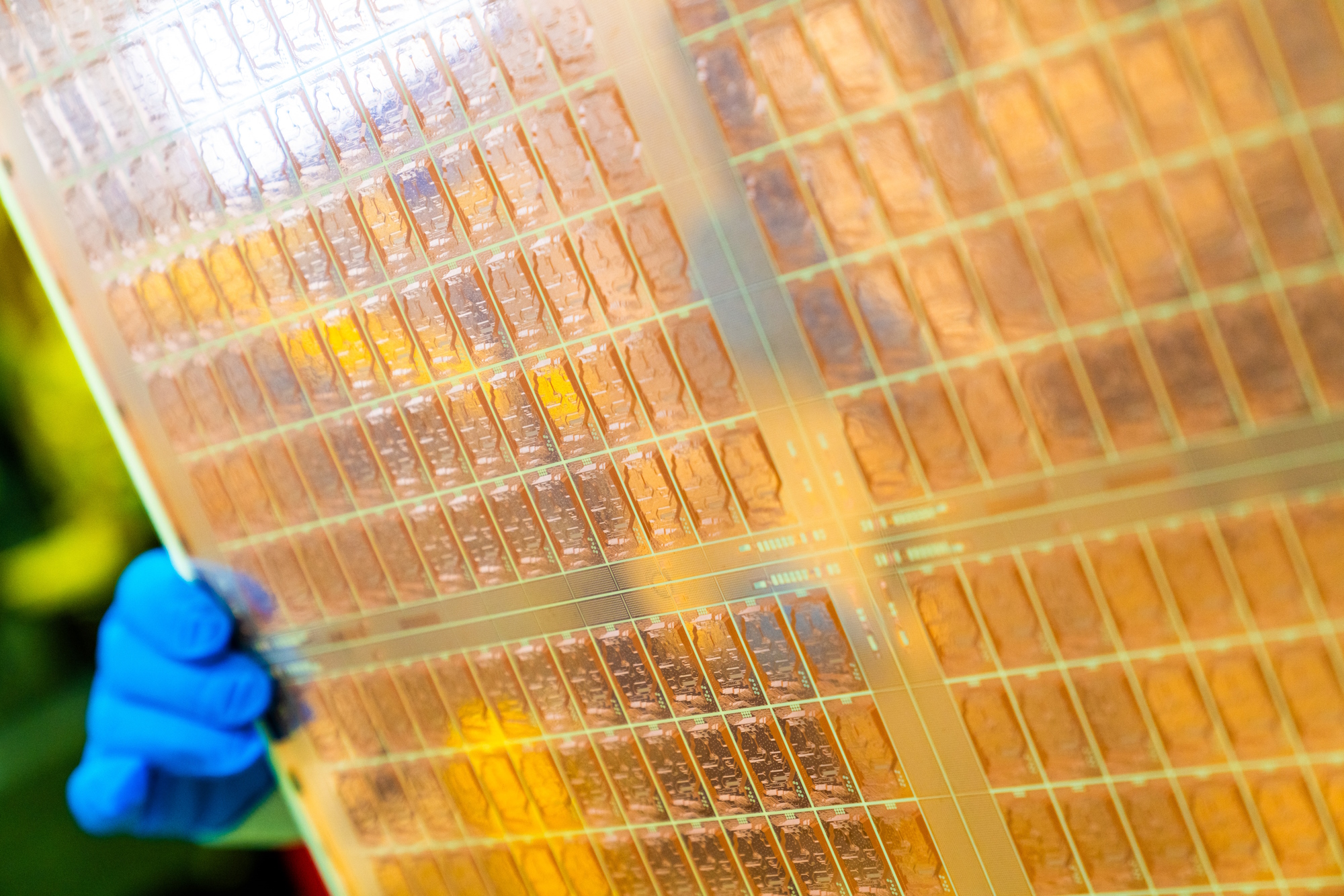
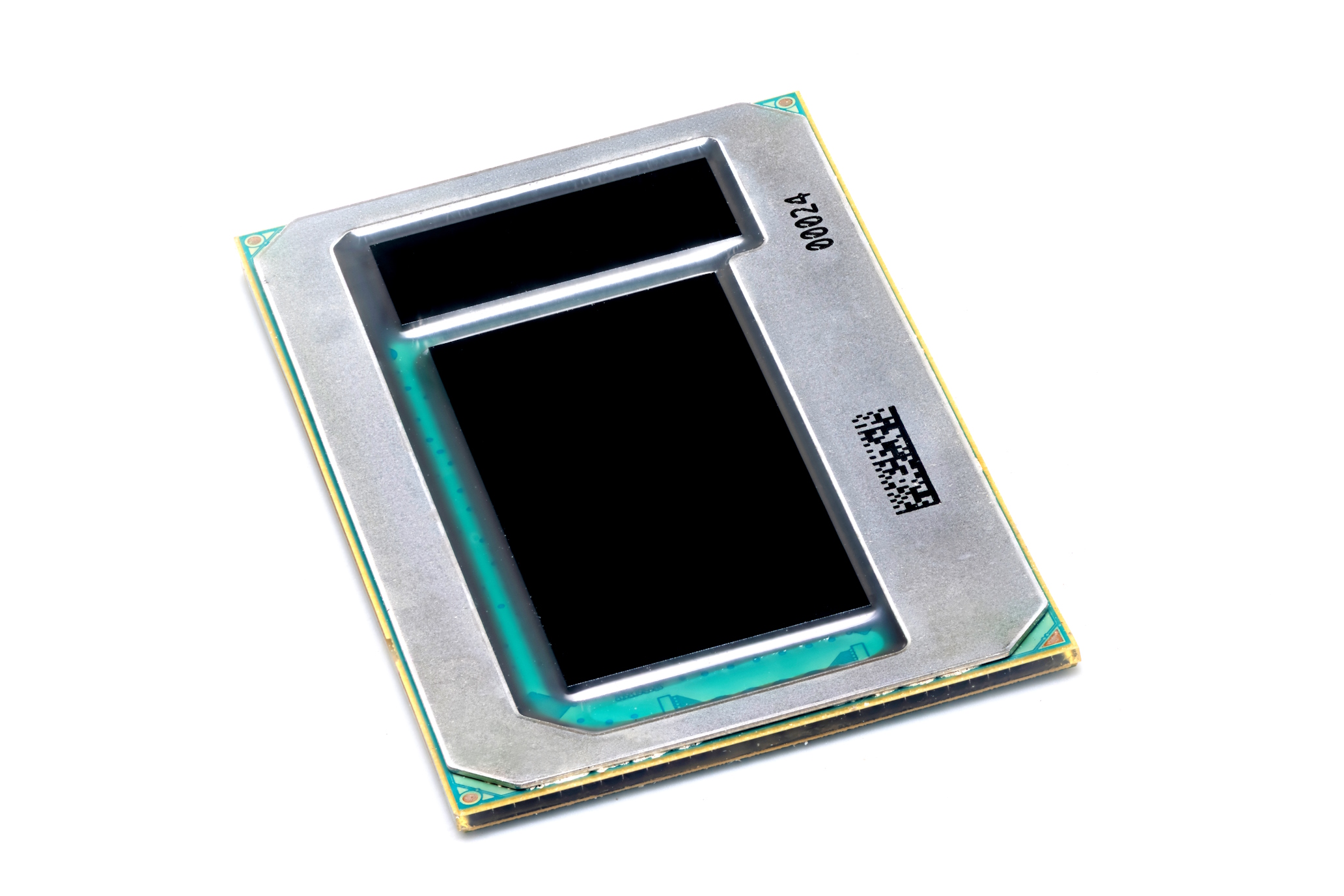
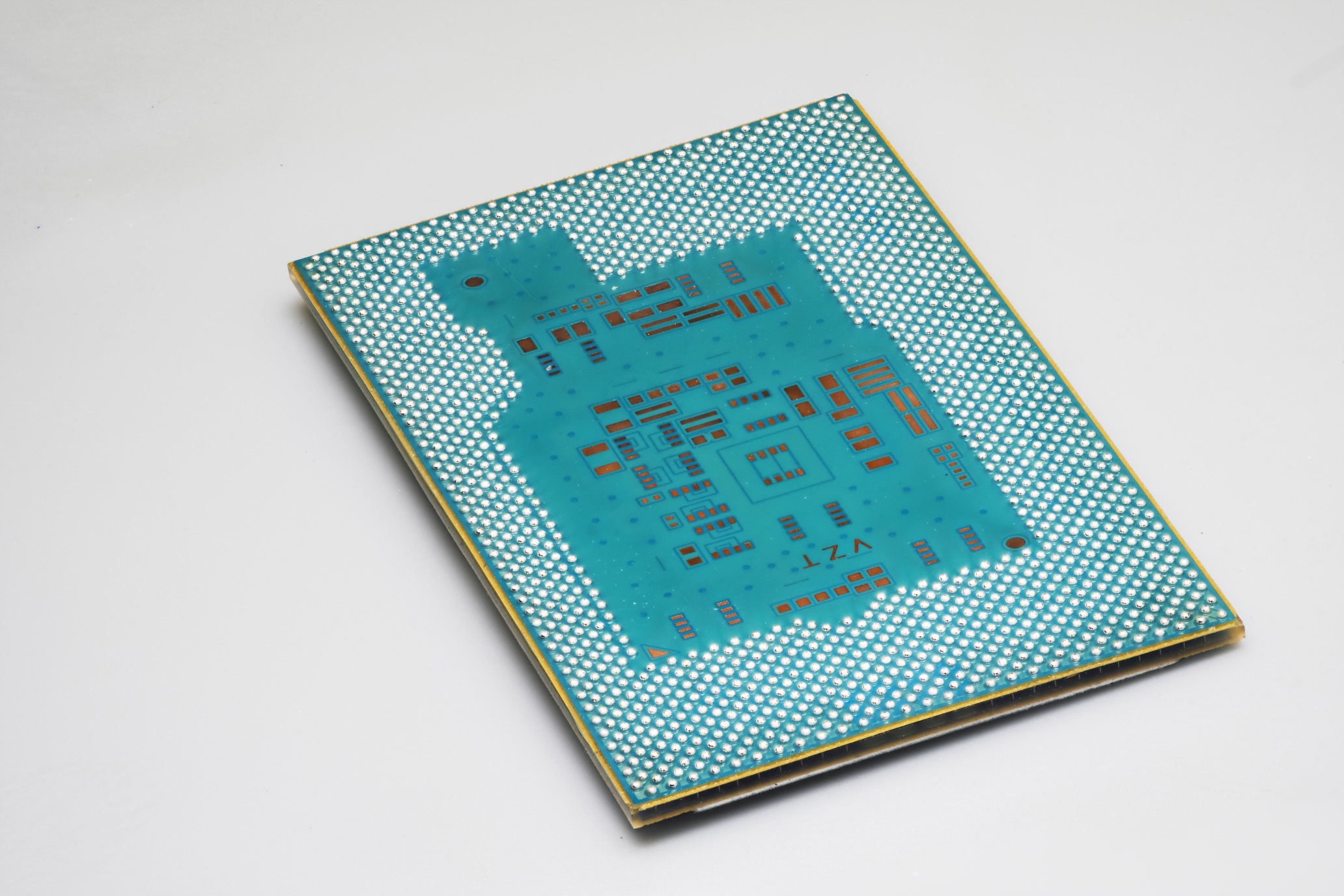
Other benefits brought by glass substrates include high temperature toleration, 50% less pattern distortion, ultra-low flatness for improved depth of focus for lithography, and the dimensional stability needed for an extremely tight layer-to-layer interconnect overlay. According to Intel, glass substrates will allow for a tenfold increase in connectivity density as well as ultra-large form-factor packages with very high assembly yields.
Intel plans to use glass substrates in high-performance sectors initially, such as AI, graphics, and data centres, in the later half of this decade. The company didn't share any plans to use glass substrates in the mainstream in the foreseeable future, but that may still happen if Intel sees any benefit in doing so.
Discuss on our Facebook page HERE.
KitGuru says: Do you think mainstream processors will ever use glass substrates? If so, when do you expect to see the first mainstream CPUs using it?