KitGuru KitGuru.net – Tech News | Hardware News | Hardware Reviews | IOS | Mobile | Gaming | Graphics Cards


The Steam Deck has sold out in some regions, most notably in the US, and Valve has a bit of a problem on its hands, as it is now facing difficulties securing regular memory and storage supplies to produce more.
The Steam Deck handheld has been an increasingly popular option for PC gamers over the past few years and for the most part, Valve has been able to meet demand for the system for that duration of time. Unfortunately, over the past few months, AI-focused corporations have begun buying up the vast majority of available memory supply, resulting in a much smaller slice of the pie to cover consumer electronic devices like game consoles, consumer-grade graphics cards, smartphones and more.
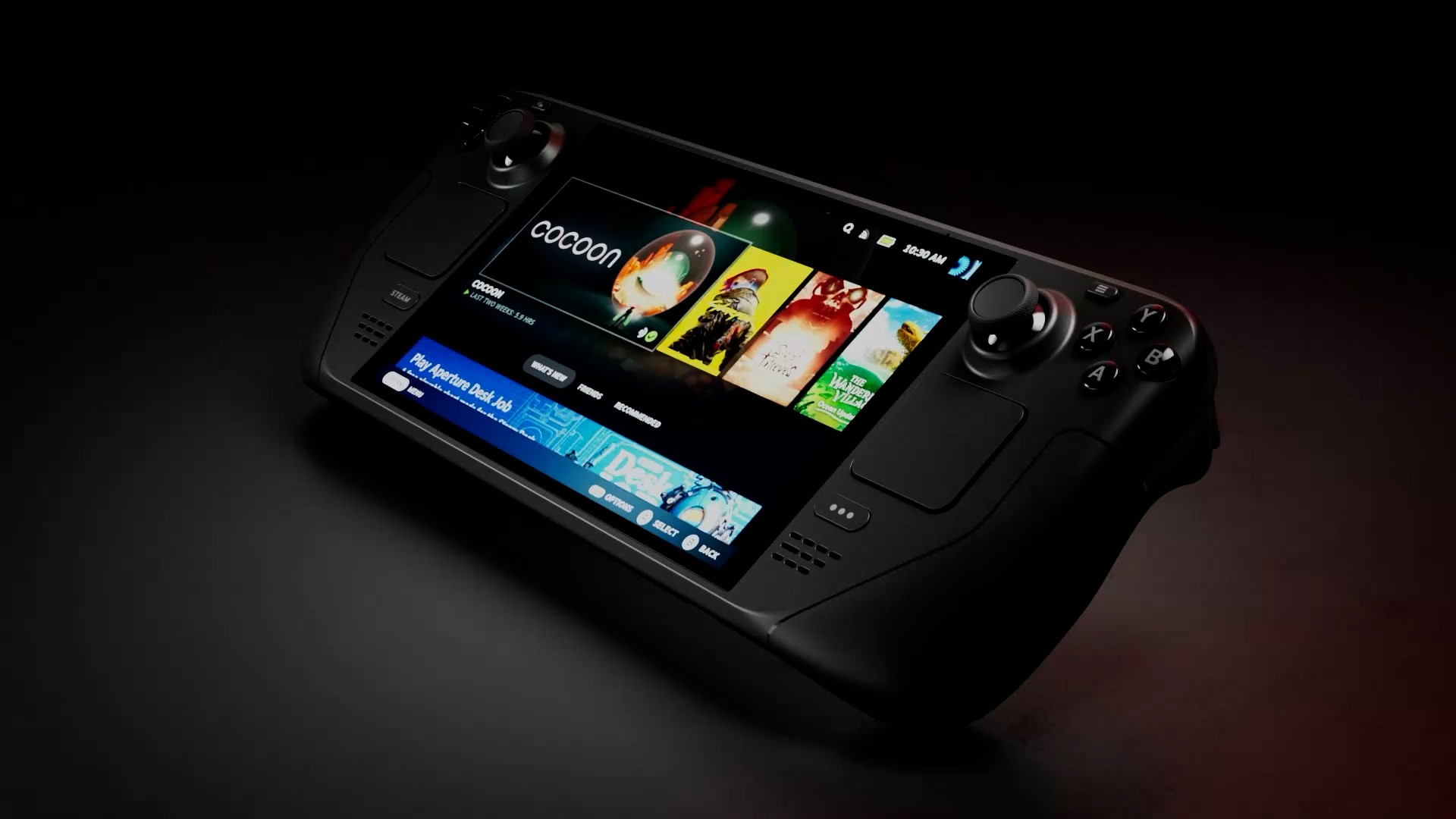
Speaking on the issue, Valve said that the Steam Deck OLED “may be out of stock intermittently in some regions due to memory and storage shortages”. They also added that the 256GB model of the Steam Deck LCD is “no longer in production”, meaning it will soon no longer be available once current stocks run out.
This situation isn't great timing for Valve either, as last year, the company announced a renewed push on hardware with the Steam Machine and Steam Frame devices, both of which may now face delays.
Discuss on our Facebook page, HERE.
KitGuru Says: PC gamers in particular have had a rough decade. In 2016 to 2018, we faced GPU shortages due to a cryptomining boom. In the early 2020s, we faced massive chip shortages due to the pandemic. Now just after recovering from that, we have a new shortage to contend with, brought about by growth in the AI datacentre sector.