KitGuru KitGuru.net – Tech News | Hardware News | Hardware Reviews | IOS | Mobile | Gaming | Graphics Cards


JEDEC has updated its classification system for DDR5 memory modules as higher-capacity unbuffered variants begin entering production. The organization is replacing the previous general CUDIMM label for 4-rank designs, introducing the new, specific term: CQDIMM (Client Quad-Rank Unbuffered DIMM).
Brought to our attention by Guru3D, this new terminology is being made to distinguish 1- or 2-rank modules from the much higher-density 4-rank designs, which include the upcoming 128 GB and eventual 192 GB variants. Previously, all unbuffered DDR5 DIMMs fell under the CUDIMM umbrella. However, 4-rank modules pose distinct challenges for memory training and compatibility due to the higher load they place on the memory controller and bus.
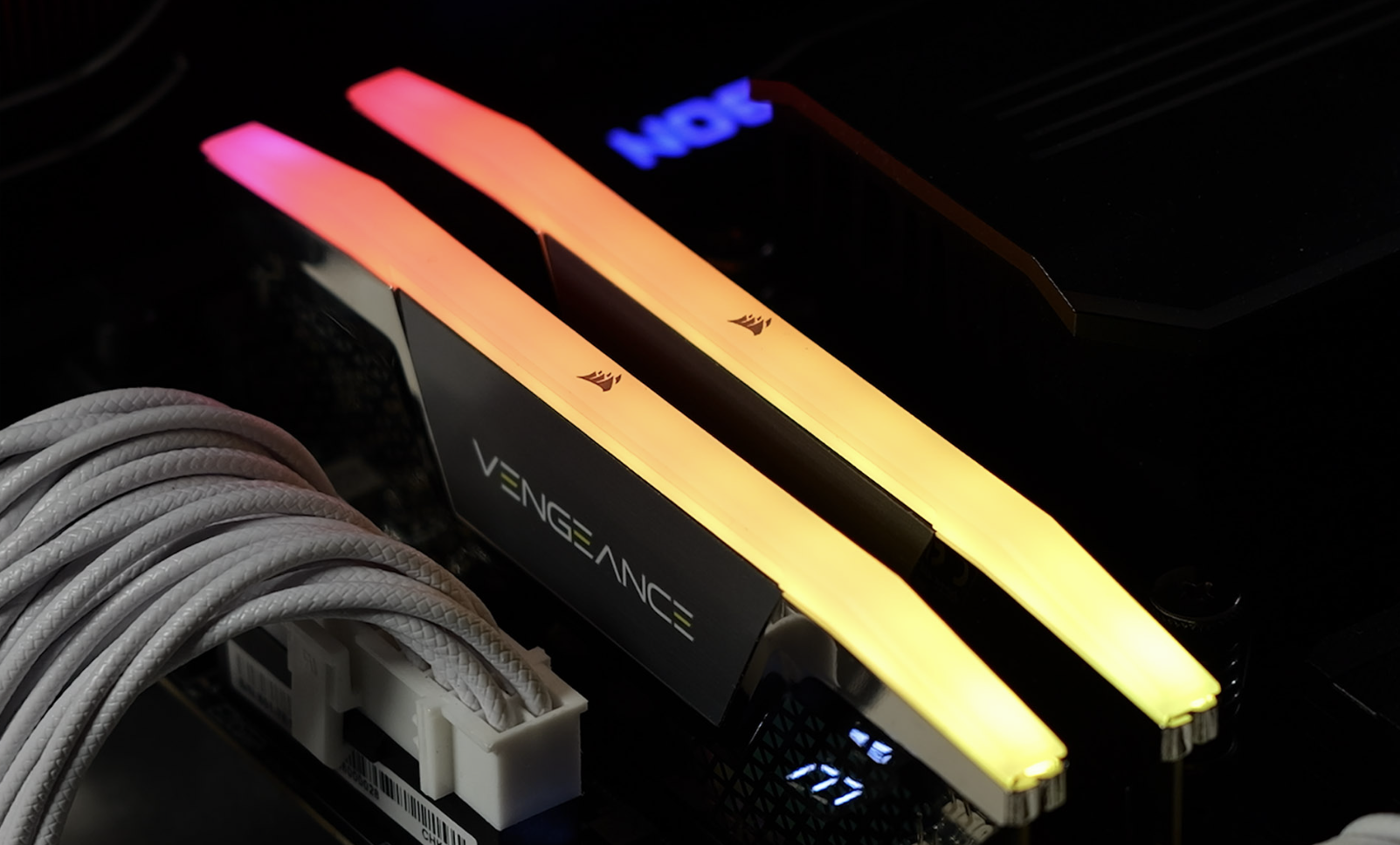
The new classification will be useful to motherboard manufacturers and system integrators. It allows for greater precision when developing firmware and Qualified Vendor List (QVL) entries for next-generation platforms like AM5 and the upcoming LGA-1851, where rank structure directly impacts stability.
Manufacturers have already begun migrating their engineering sample documentation and roadmaps to the new CQDIMM label, confirming the industry's move toward standardised nomenclature for high-capacity builds.
Discuss on our Facebook page, HERE.
KitGuru says: Although CQDIMM will easily find its way into the professional segment, most mainstream consumers won't have to worry about the new nomenclature for a few years.