KitGuru KitGuru.net – Tech News | Hardware News | Hardware Reviews | IOS | Mobile | Gaming | Graphics Cards


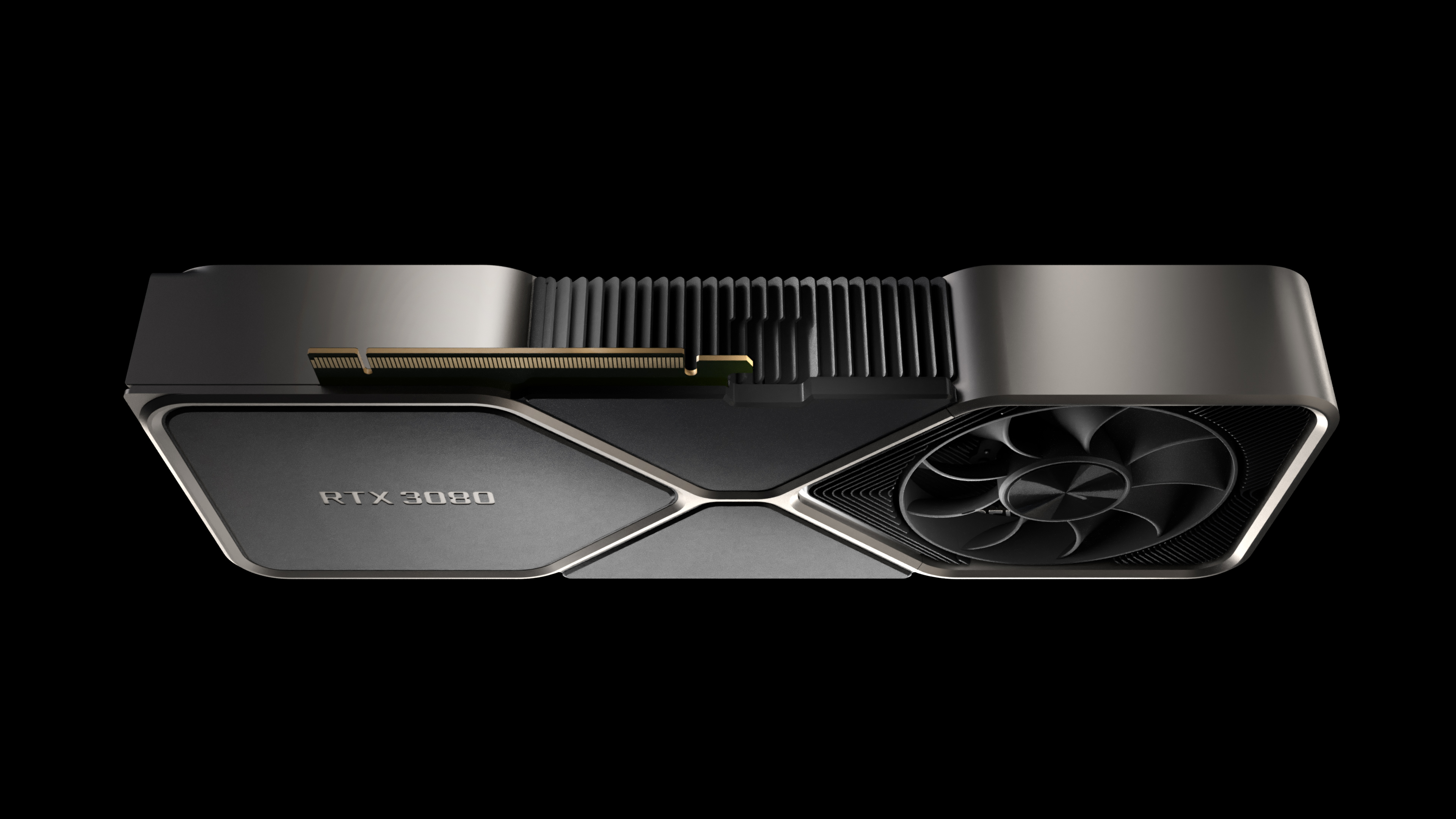
Over the last week, there has been an increasing number of reports of instability for new RTX 3080 owners. In a driver update earlier today, Nvidia began to address “stability issues” with RTX 30 series GPUs but the issue could be a bit more in-depth, with some blaming the capacitors used on some board partner cards.
As reported by Igor's Lab, some board partner cards are using cheaper POSCAP capacitors on their cards rather than the more expensive, but more reliable MLCC variant. MLCCs are more capable at dealing with very high frequencies, so ‘OC' GPUs using POSCAPS instead are facing issues at higher clock speeds.
EVGA (via Tom's Hardware), has seemingly confirmed this already, issuing its own statement confirming that a specific capacitor configuration “cannot pass real world applications testing”, this is why the EVGA RTX 3080 FTW3 edition has been delayed since launch.
Today's Nvidia driver update may help in this instance, as it lowers the maximum boost clock on some RTX 3080s. Others were already able to work around the issue themselves by downclocking their RTX 3080 by 100MHz or so.
Discuss on our Facebook page, HERE.
KitGuru Says: Have any of you been fortunate enough to get your hands on an RTX 3080 already? Have you faced problems with instability and crashing?