KitGuru KitGuru.net – Tech News | Hardware News | Hardware Reviews | IOS | Mobile | Gaming | Graphics Cards


A third-party application called Asobi: Remote Play for Steam Deck, Steam Machine, and other Linux systems promises to bring PS Plus cloud gaming and PlayStation remote play to more devices. Developed by Inside Internet, the tool supports standard PS4 and PS5 Remote Play, along with PlayStation Plus cloud streaming, without requiring a local console connection.
Brought to our attention by Notebookcheck, Asobi pretty much turns the Steam Deck into a PlayStation Portal. Accessing cloud gaming through the app requires a PlayStation Network account alongside an active PlayStation Plus Premium subscription. Users can stream supported titles from the PlayStation Plus catalogue and select eligible digital PS5 games they already own.

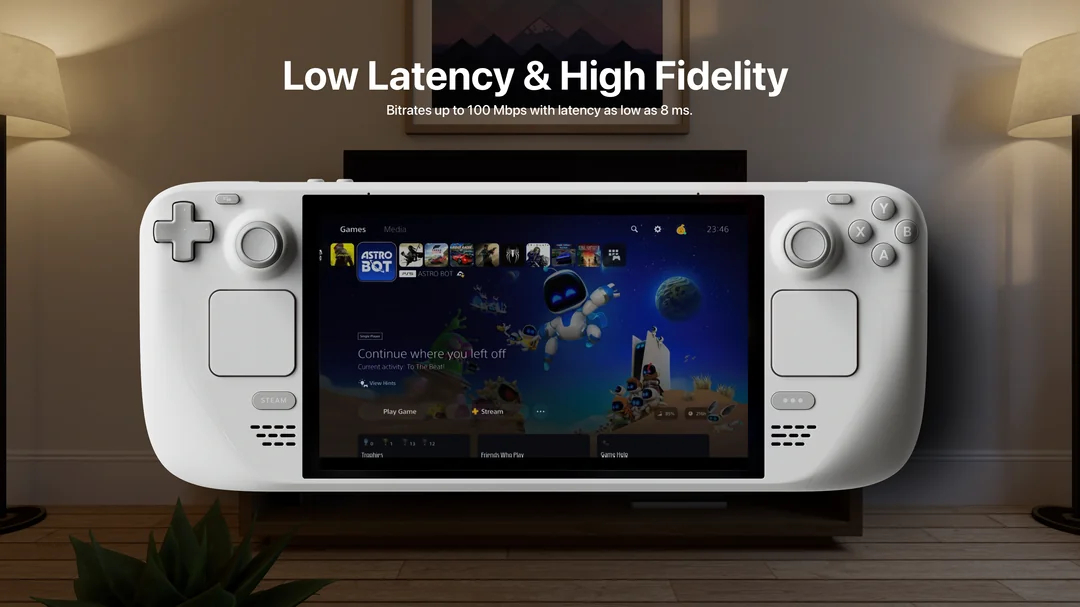
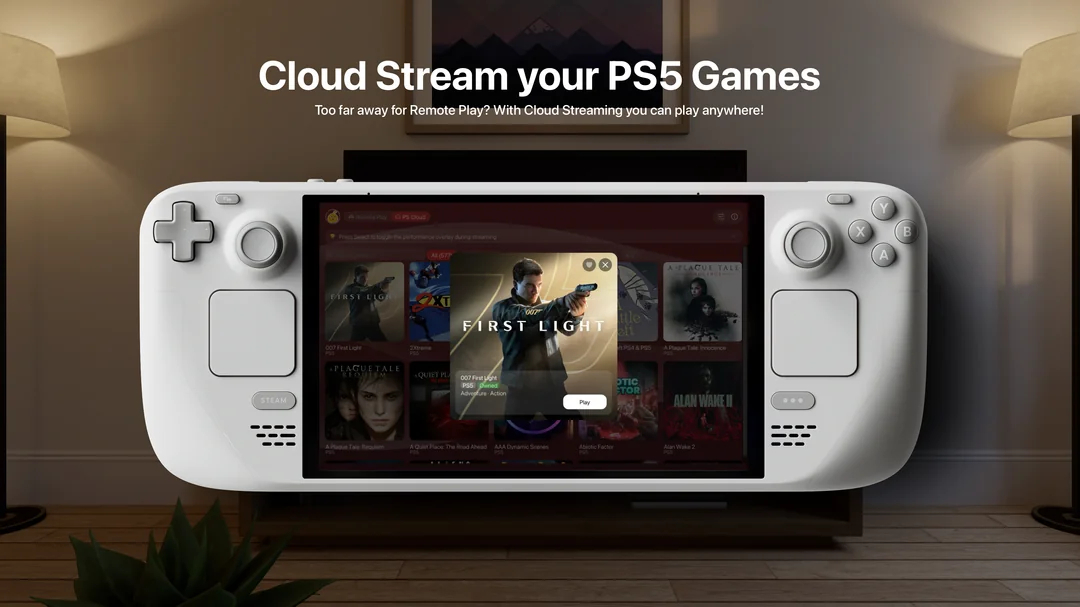

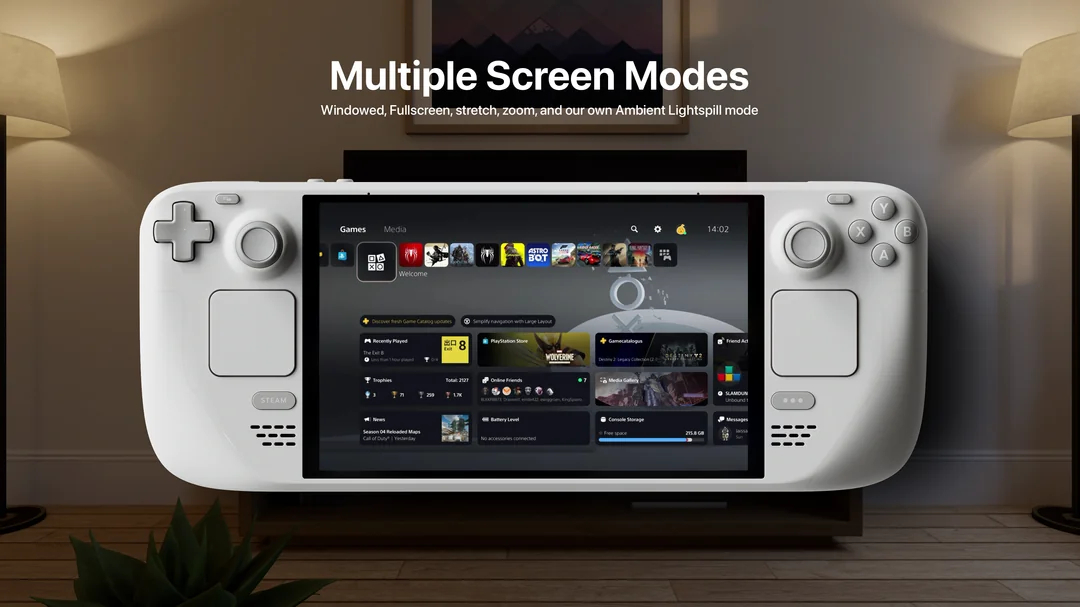
Base functionality includes up to 1080p at 30fps in SDR with automatic bitrate adjustment. Upgrading to Asobi Premium adds 1080p at 60fps, HDR, manual bitrate control, low-latency modes, controller haptics, and upscaling to 4K. Output displays can reach up to 120fps on supported hardware, though streamed games do not render natively at that framerate.
During the ongoing playtest, all premium features are unlocked. Inside Internet lists the software as free with a separate Asobi Premium package, though pricing remains unannounced. While a Windows release is planned, current testing centres on Linux platforms.
KitGuru says: Being able to stream PS Plus cloud games directly to a Steam Deck without owning a PS5 console provides a neat workaround for handheld gamers. Will you be trying Asobi?