KitGuru KitGuru.net – Tech News | Hardware News | Hardware Reviews | IOS | Mobile | Gaming | Graphics Cards


Aside from revisions to the Vive Cosmos lineup, HTC has also begun showing off ‘Project Proton', which is intended to be an early look at the true next generation of VR headsets. There are two key headband designs, one that closer resembles traditional glasses with stems, and another that uses a full wraparound headband with a tracking puck on the back.
As previously mentioned, there are two different forms of Project Proton. The ‘Proton AIO' is the more traditional looking headset design, albeit with a much slimmer and lighter display unit. Meanwhile, ‘Proton Glass' are focused on XR or augmented reality, made to look more traditionally like glasses.
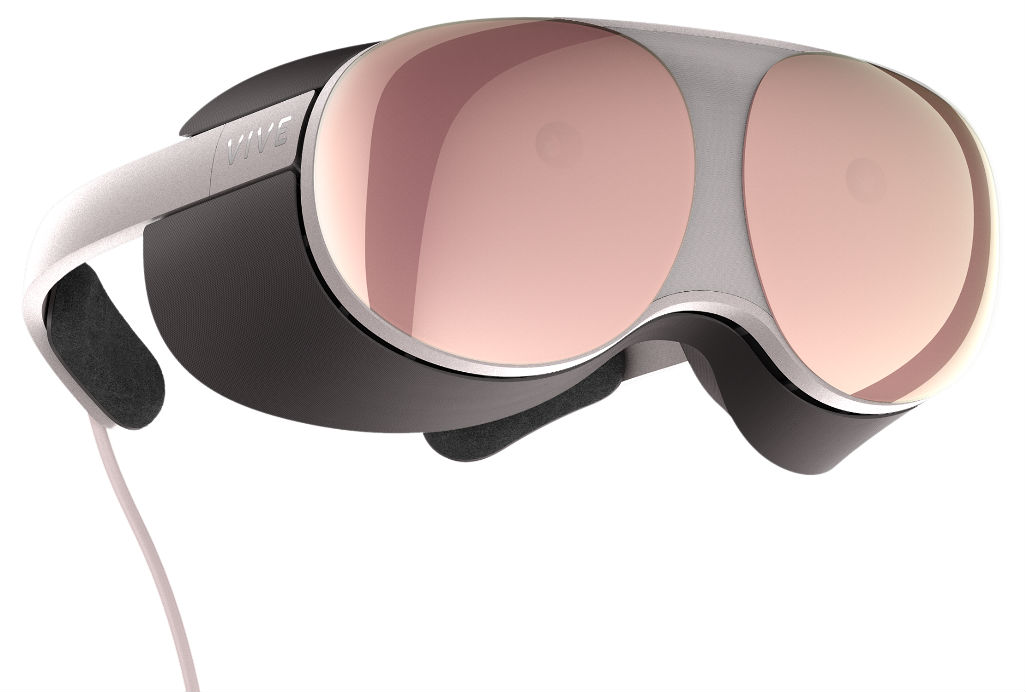
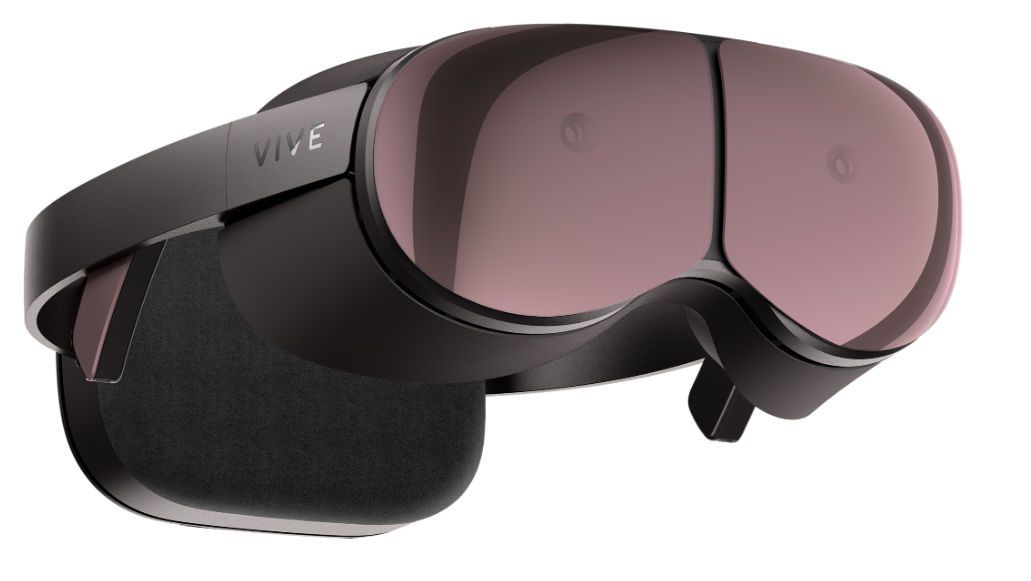
As Engadget points out, there are no specification details to speak of so far, but there is plenty of design innovation on display. The display units/visors are vastly slimmer than those found on current generation headsets and as a result, they should be a lot lighter too.
Judging by the mounting design, that light weight will be a necessity too, in order to avoid the display shifting and users losing focus without the additional stability of an over-the-head strap.
Discuss on our Facebook page, HERE.
KitGuru Says: These are concept designs for the time being, so HTC's next headsets to hit the market will likely look a bit different to what we see here. Still, this is an interesting look at the potential next step for VR. What do you all think of these new designs from HTC?