 KitGuru KitGuru.net – Tech News | Hardware News | Hardware Reviews | IOS | Mobile | Gaming | Graphics Cards


With humans capturing and uploading images to the Internet at an unprecedented rate, social media running amok, and image-heavy websites taking advantage of existing broadband connections, Google has committed to improving JPEG image compression.
Google has developed a new open-source JPEG compression algorithm, dubbed Guetzli (apparently that means “cookie” in Swiss German). The algorithm promises up to 35% more efficient compression of image files without the loss of image quality, when compared to existing compression algorithms. This means that JPEG images weigh less and load times for websites will definitely get a boost.
The higher level of compression was obtained by targeting the quantization stage of the image compression process, which, itself, focuses on image quality. By employing a new search algorithm Google was able to address colour perception and visual masking better than the simpler colour transforms employed in current JPEG algorithms.
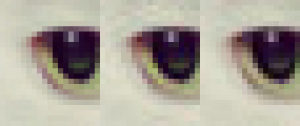
There is a slight downside (of sorts) for the new algorithm: it takes a little more time to compress, but the benefits outweigh the processing costs, as users are on the receiving end of the image – and needn't foot the CPU bill.
After a round of testing by Cornell University using the Butteraugli image similarity metric, Google says that 75% of users preferred the Guetzli-based image compression, for like-sized image files. In other words, given two images of identical size, the Google-compressed JPEG looks nicer.
KitGuru says: Anything that will lighten the load on Internet traffic is a welcome change, in particular if there is no ‘cost' to the end-user. As an open-source development, it is a matter of time for the algorithm to catch on.

Yea so that they can embed more personal information to pass on to big brother