KitGuru KitGuru.net – Tech News | Hardware News | Hardware Reviews | IOS | Mobile | Gaming | Graphics Cards


It seems that IO Interactive has been thrown into the deep end this week as the studio has officially been dropped by its publisher, Square Enix. It seems that despite some glowing reviews, 2016's episodic Hitman release didn't quite meet expectations.
IO Interactive is best known for the Hitman franchise. However, after reviewing its yearly financial results, Square Enix has decided to drop the studio for good as part of a strategy to focus resources on other “key franchises and studios”.
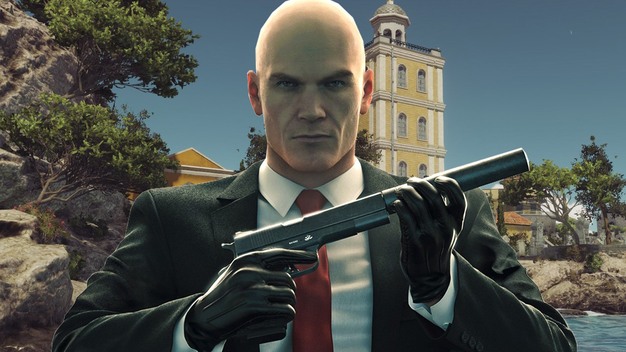
With Square Enix looking to be rid of IO Interactive, it is in search of a buyer. However, the publisher warns that “there can be no guarantees that negotiations will be concluded successfully”.
This all follows IO's bold reinvention of Hitman last year, placing the game in an episodic format. The game garnered a lot of praise and a sequel was already being planned.
Unfortunately, right now we don't know where IO Interactive might end up, or if the Hitman franchise will follow it to a new home.
KitGuru Says: I imagine there will be quite a few studios/publishers looking to acquire IO Interactive. However, we don't know if the rights to the Hitman franchise will stay with the studio, or if Square Enix will be holding on to it, which could have a big impact on things.