KitGuru KitGuru.net – Tech News | Hardware News | Hardware Reviews | IOS | Mobile | Gaming | Graphics Cards


The HTC Vive is set to arrive at the start of April, with pre-orders for the $800 virtual reality headset set to go live next Monday. While we have known about recommended PC specifications for the Oculus Rift for some time, we haven't heard much on the Vive side of things until now. Today, HTC revealed the recommended PC specification for those looking to game on the Vive.
For the most part, the requirements are similar to that of the Oculus Rift, calling for an Intel Core i5 or AMD FX-8350 CPU, at least 4GB of RAM and a Nvidia GTX 970 or Radeon R9 290 graphics card.
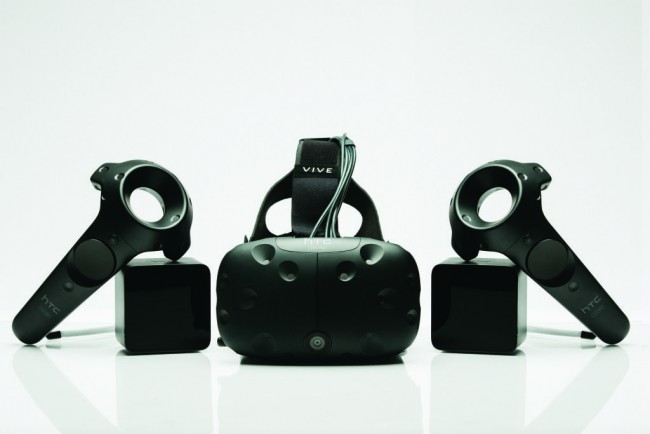
For video output, you will need an HDMI 1.4 or DisplayPort 1.2 connection and for USB ports, you will actually only need one 2.0 port, rather than the Oculus Rift's four USB port requirement. SteamVR will also run on Windows 7 SP1 or newer systems. The HTC Vive starts shipping on the 1st of April and will come bundled with two games, Job Simulator and Fantastic Contraption.
KitGuru Says: The Vive is set to launch very soon and it seems that requirements for VR on PC will be consistent across the board. However, the game selection still seems a bit weak to me but hopefully, Valve can fix that with their own title should they actually be working on one.