KitGuru KitGuru.net – Tech News | Hardware News | Hardware Reviews | IOS | Mobile | Gaming | Graphics Cards



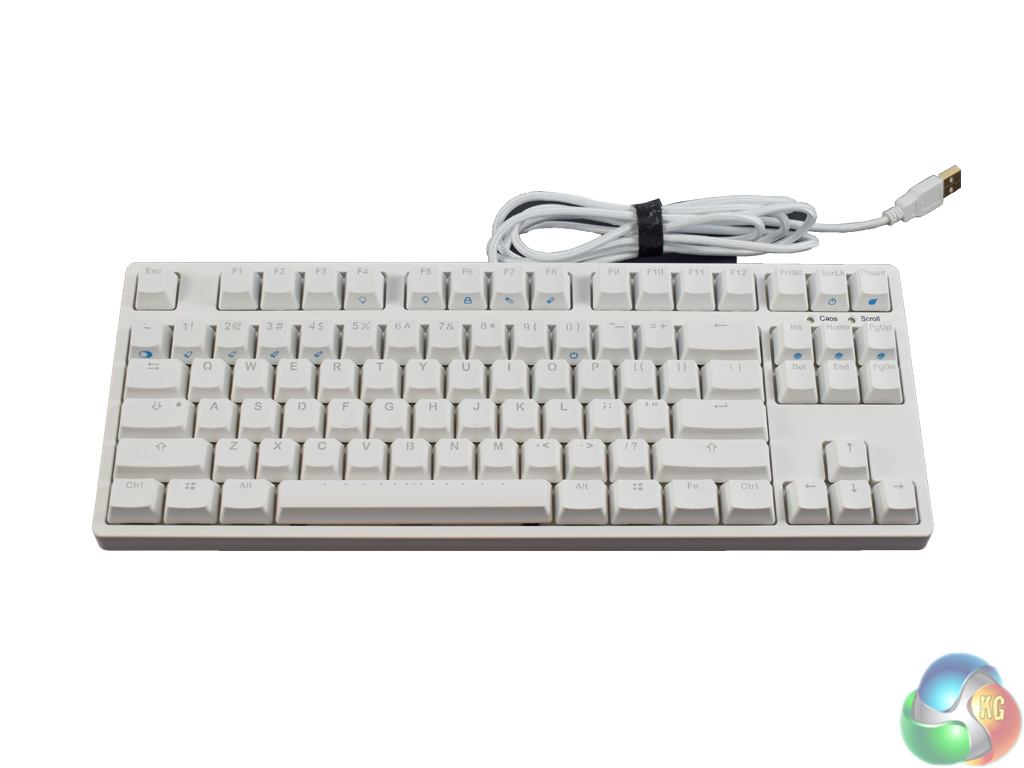
KitGuru reviewer Dominic Moass analysed both the iKBC F87 & F108 Mechanical Keyboards on January the 13th. We sent them to KitGuru TV Presenter Leo Waldock for a second opinion. The verdict? They are definitely worth a look – if you can actually find them anywhere to buy that is! We hope Seasonic help them with their distribution – there is talk of Overclockers UK stocking them in the near future, so keep an eye out.
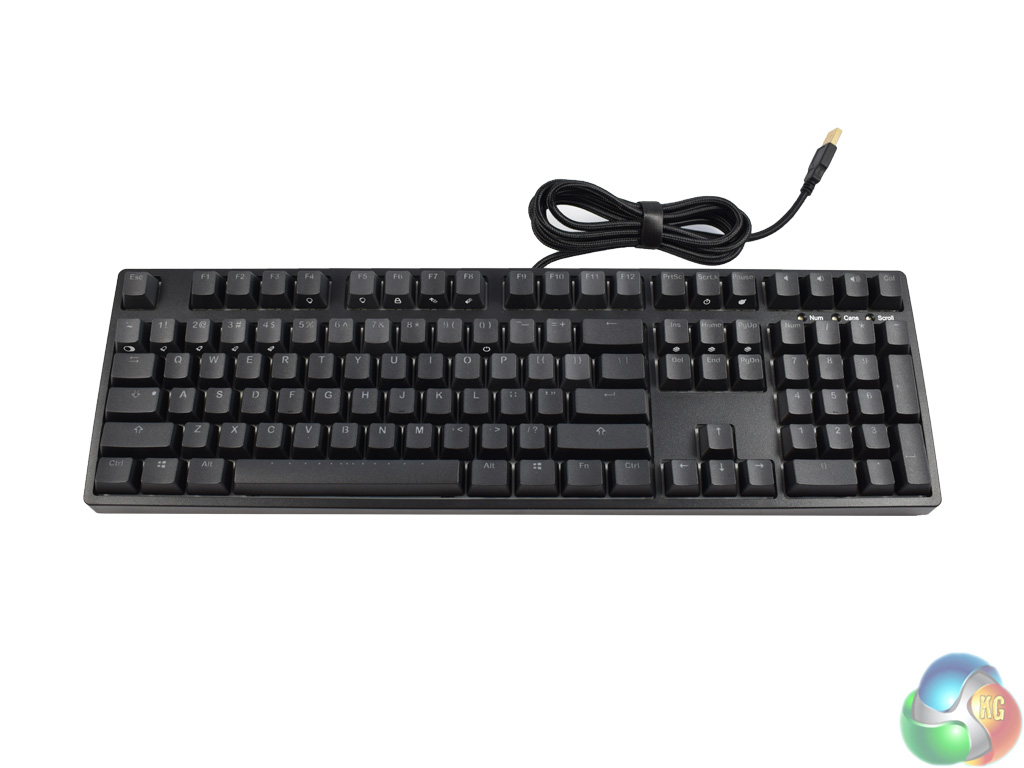
F108
- Size: 100%
- LED color: RGB
- Cherry MX: Genuine Cherry switches (brown, red, black, blue)
- KB case color: Black / White
- Keycap material: PBT double shot
- Keycap color: Black / White
- Print on keycap: No
- Keycap print position: Top
- Layout: ANSI & ISO
- USB Cable: Non-detachable
- NKRO: Full
- Multimedia keys: Yes
- Primary interface: USB
- Warranty: 1 year warranty
- Keyboard dimensions: L438.5 X W136 X H41.6
- Unit gross weight: 1.25Kg
F87
- Size: 80%
- LED color: RGB
- Cherry MX: Genuine Cherry switches (brown, red, black, blue)
- KB case color: Black / White
- Keycap material: PBT double shot
- Keycap color: Black / White
- Print on keycap: No
- Keycap print position: Top
- Layout: ANSI & ISO
- USB Cable: Non-detachable
- NKRO: Full
- Multimedia keys: No
- Primary interface: USB
- Warranty: 1 year warranty
- Keyboard dimensions: L358 X W136 X H41.6
- Unit gross weight: 1.1Kg
Be sure to read the original analysis from Dominic over HERE.