KitGuru KitGuru.net – Tech News | Hardware News | Hardware Reviews | IOS | Mobile | Gaming | Graphics Cards


The rise of free to play came close to killing off subscriptions for MMOs but major publishers have found a new way to bring the subscription model back into gaming. EA, Microsoft, Sony and soon, Ubisoft, all have Netflix-style subscription services, granting access to a library of games for a fee. Ubisoft announced uPlay Plus back at E3 but now, we have more details on its launch, including the games library.
Ubisoft’s service will be priced similarly to Origin Access Premier, coming in at $15/€15 per month, although that money will grant you access to ‘deluxe editions’ of games, which include all of the DLC. New games will be added to the library one day-one too, so it is cheaper than buying a brand new game at launch, although if you stay subscribed you will end up paying more in the long run, which is all part of the business model.
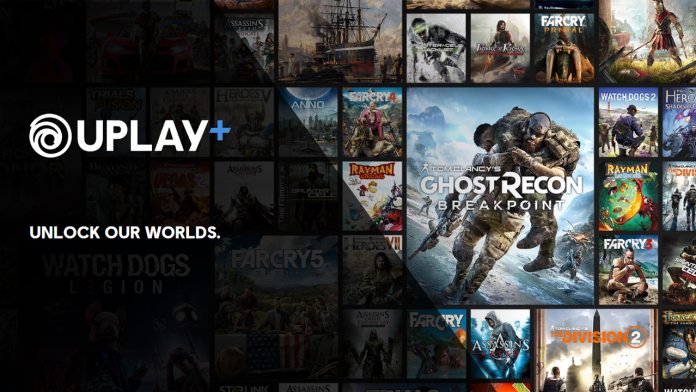
uPlay Plus will be launching in September with 48 games. The list includes Anno 1800, Anno 2205, all of the Assassin’s Creed games, all the Far Cry games (with the exception of Far Cry 1), the Might & Magic series, For Honor, the Prince of Persia series, the Rayman series, the South Park games, all of the Tom Clancy titles from Splinter Cell, Ghost Recon, Rainbow Six and The Division, Watch Dogs 1 & 2, Trials and Track Turbo.
There are a few more games in the list, like The Crew, The Settlers series, Uno, Zombi and some other standalone titles. New games will be added to the service over time too, like Ghost Recon: Breakpoint in October and Watch Dogs Legion in March 2020.
KitGuru Says: uPlay Plus doesn’t have a bad library, it certainly doesn’t lack in variety. Still, it is another subscription service and those are really starting to pile up. Are any of you interested in uPlay Plus? Will you be subscribing for a specific game?