KitGuru KitGuru.net – Tech News | Hardware News | Hardware Reviews | IOS | Mobile | Gaming | Graphics Cards



Stormforce specialises in creating prebuilt gaming computers for a mass audience and in this review we take a look at the more affordable end of the lineup in the form of the Onyx PC. With an entry level price tag of £649.99 is the Onyx a good option for gamers on a budget?
Gallery:
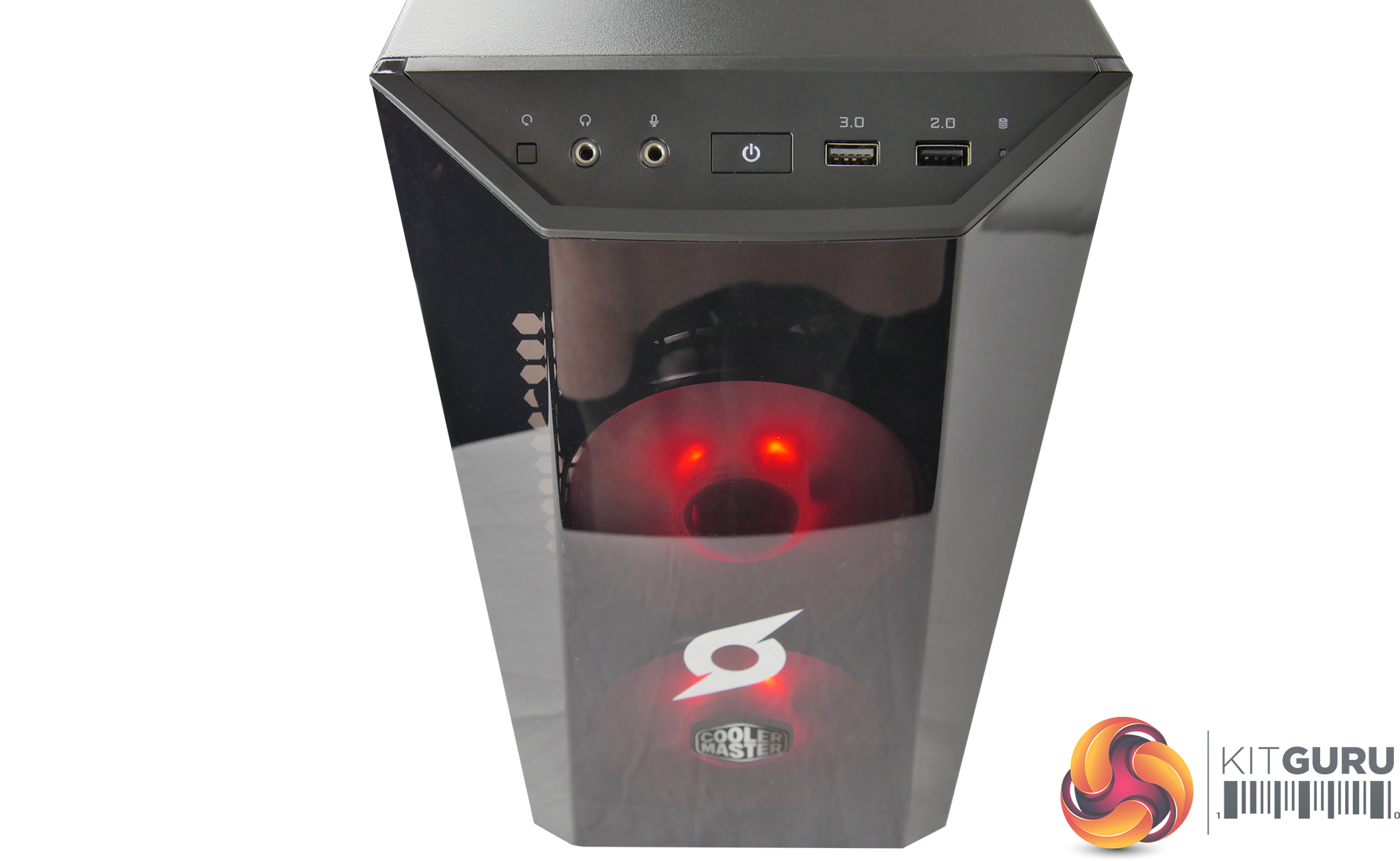
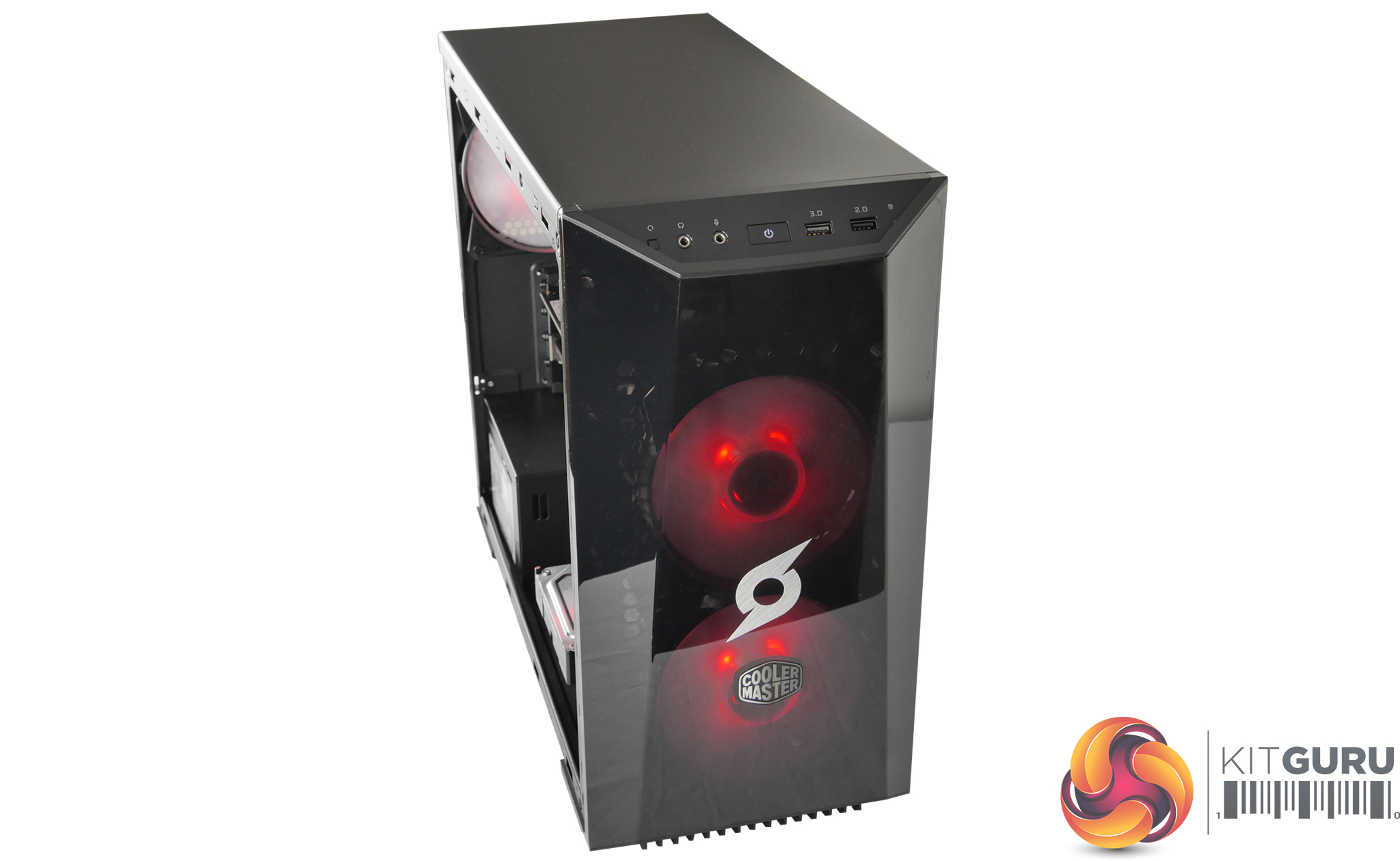
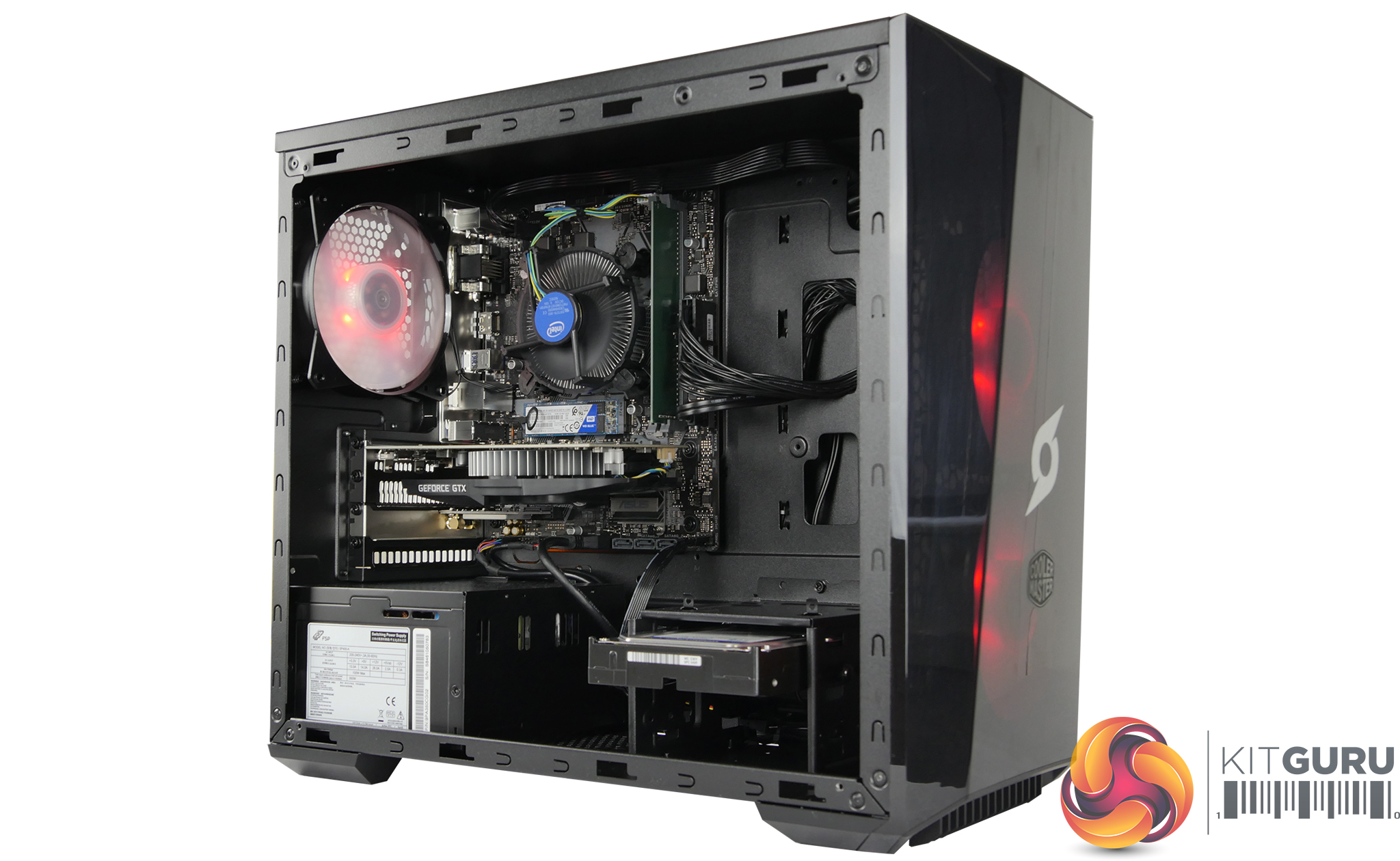
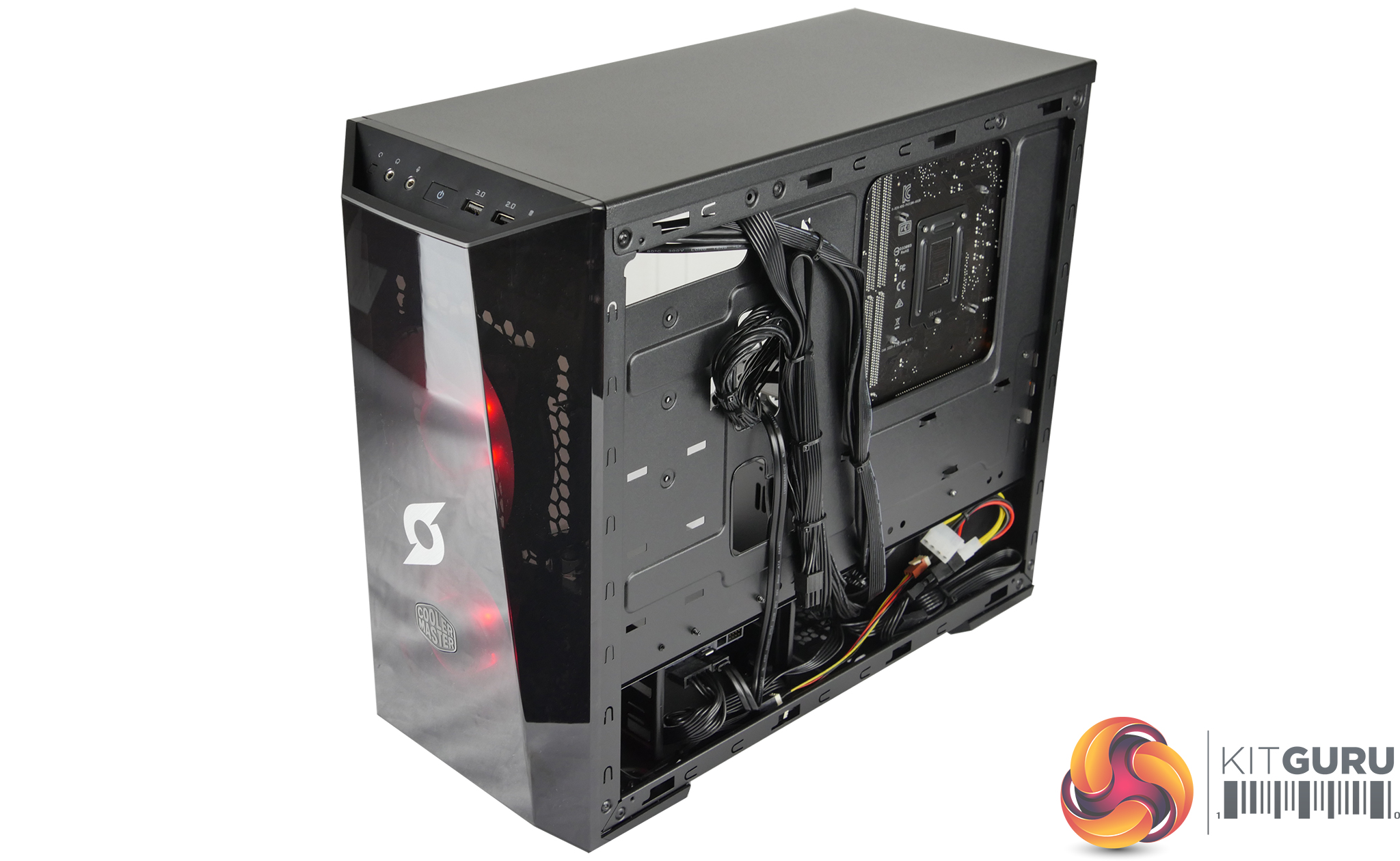
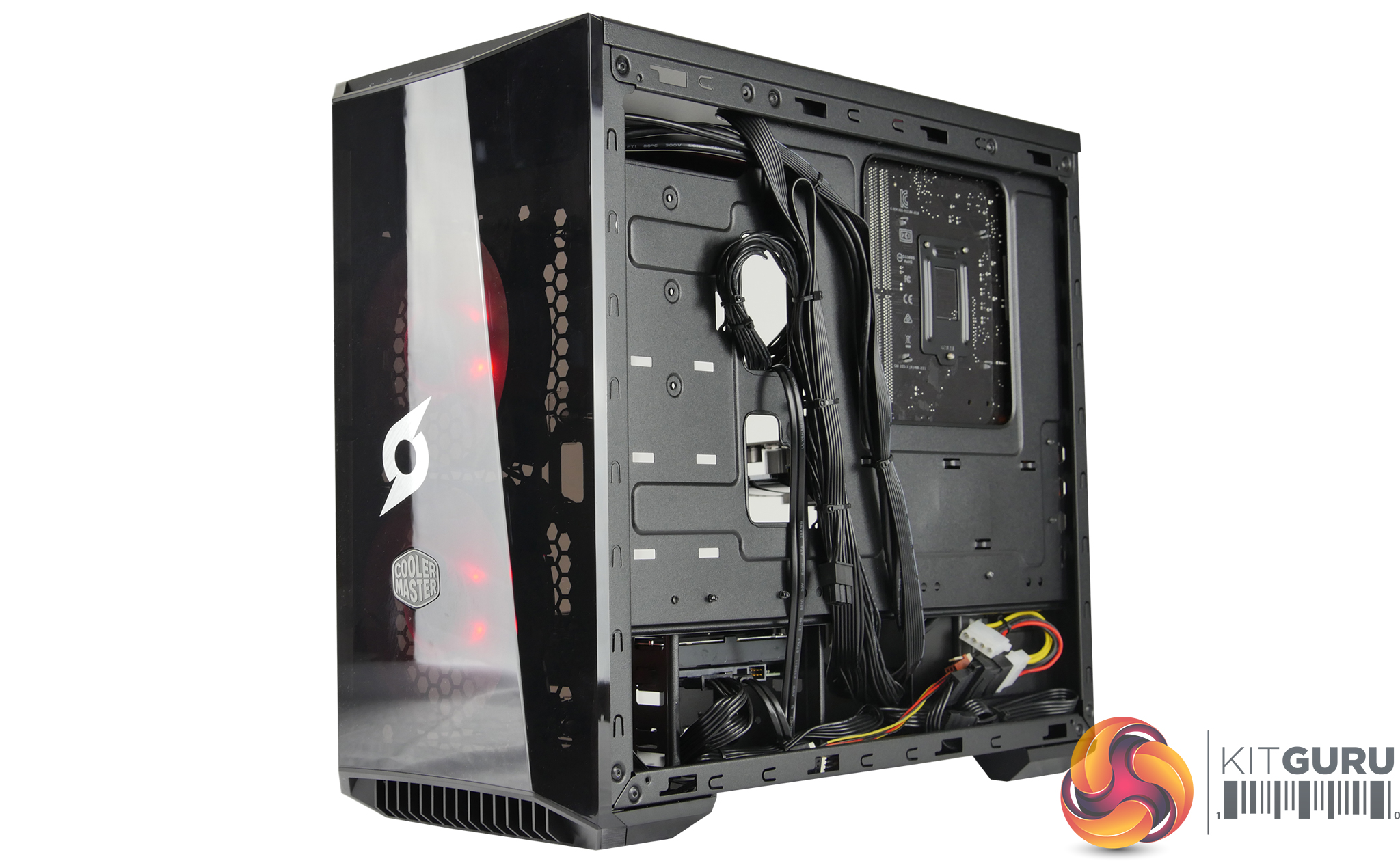
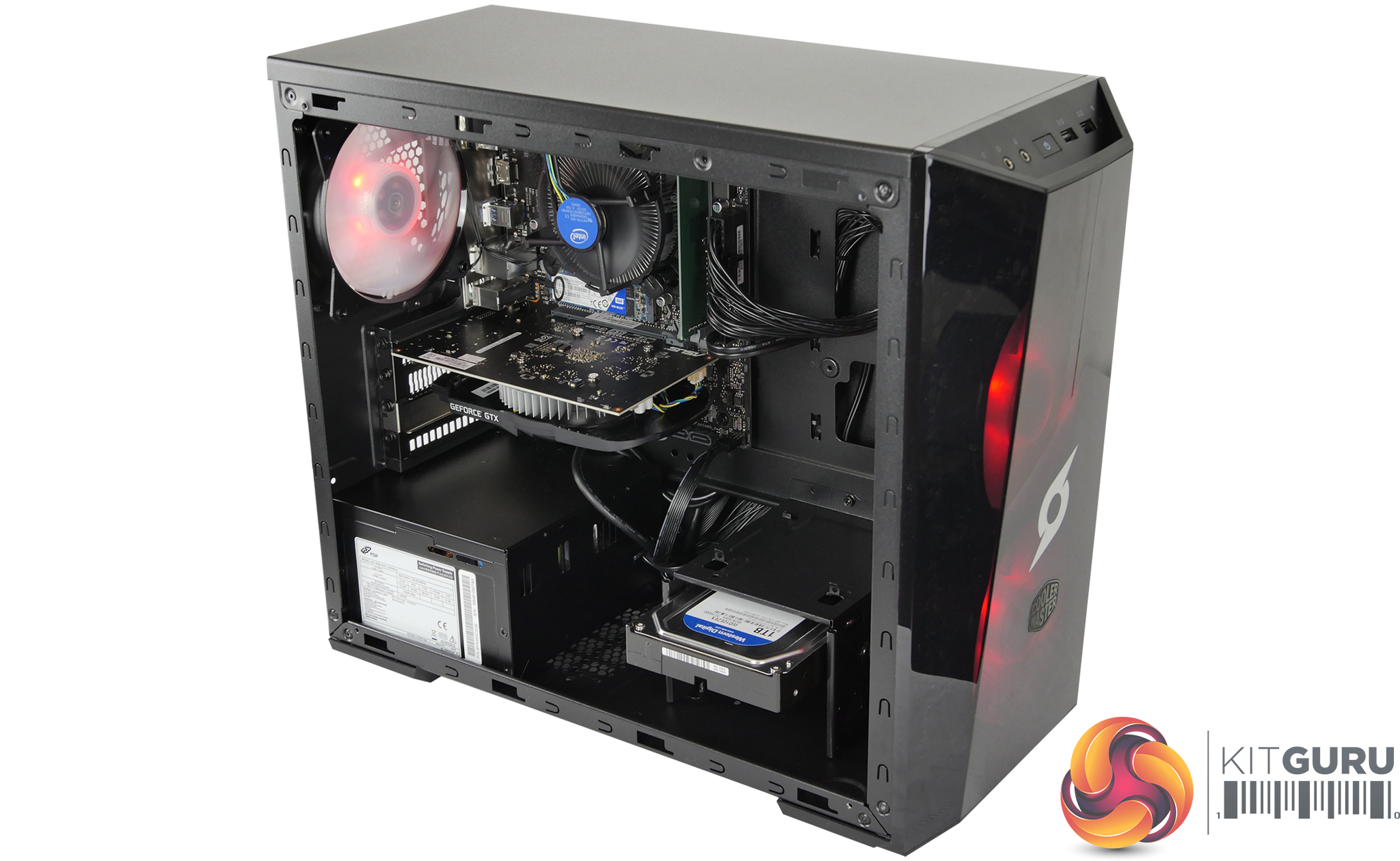
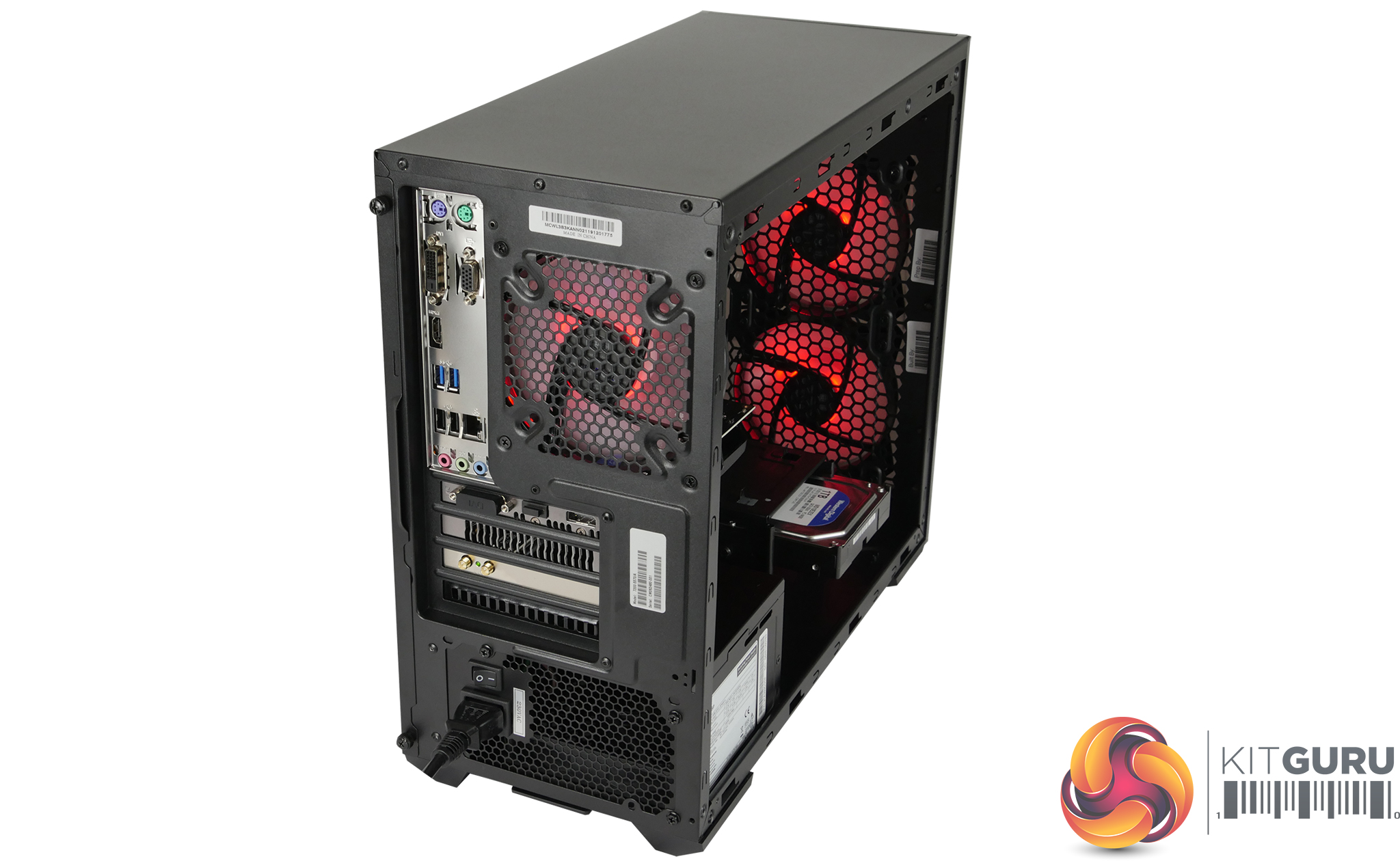
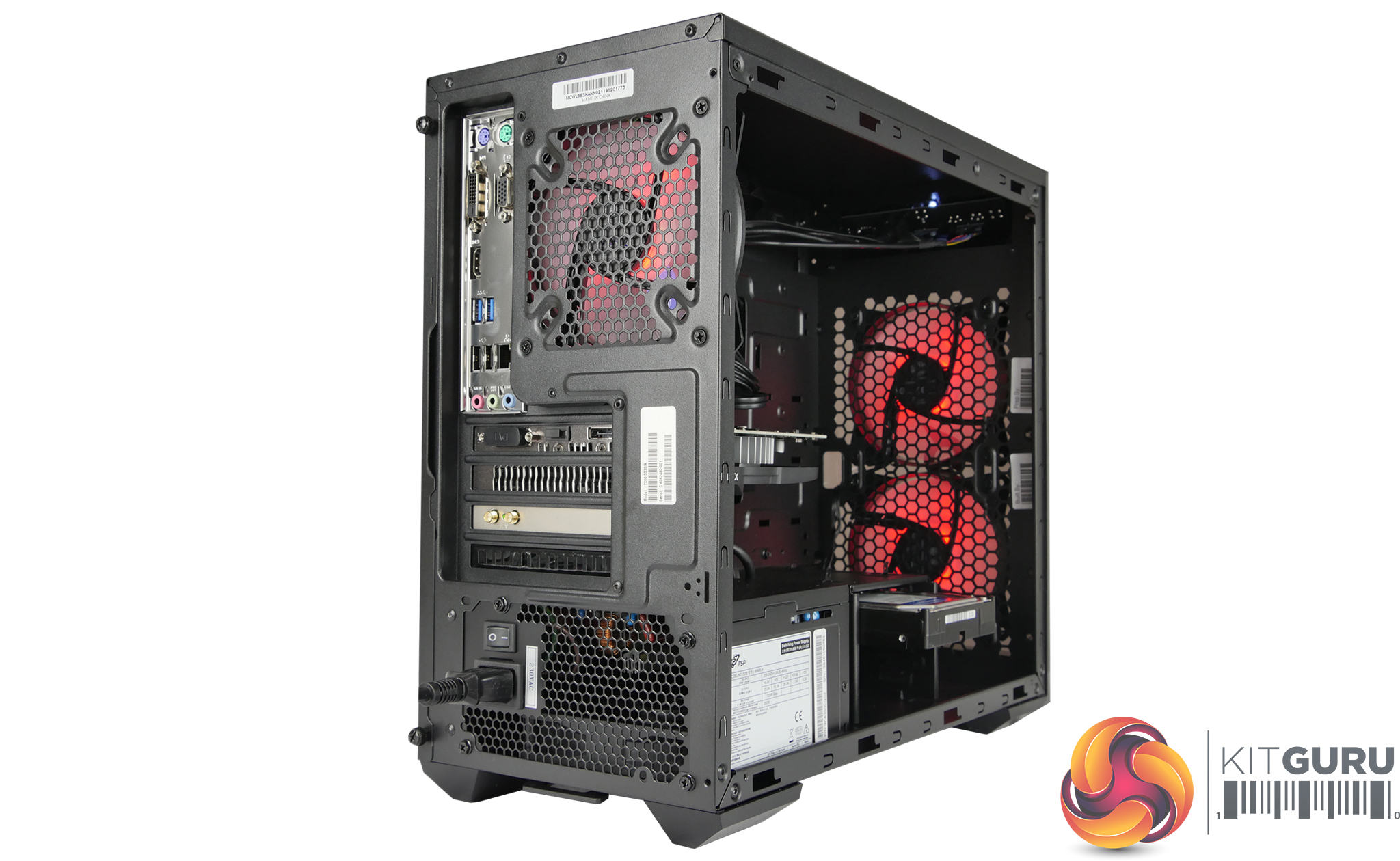
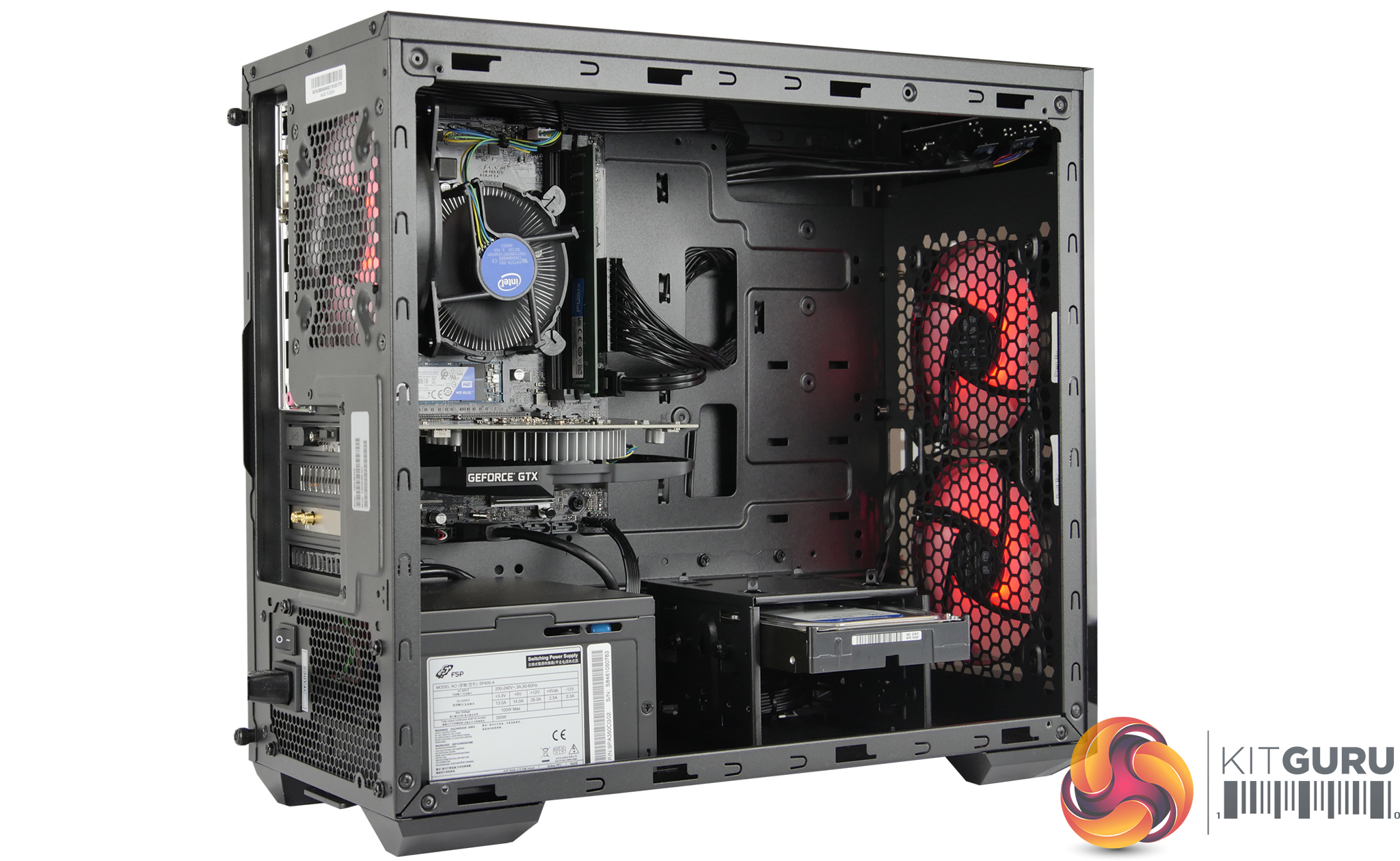
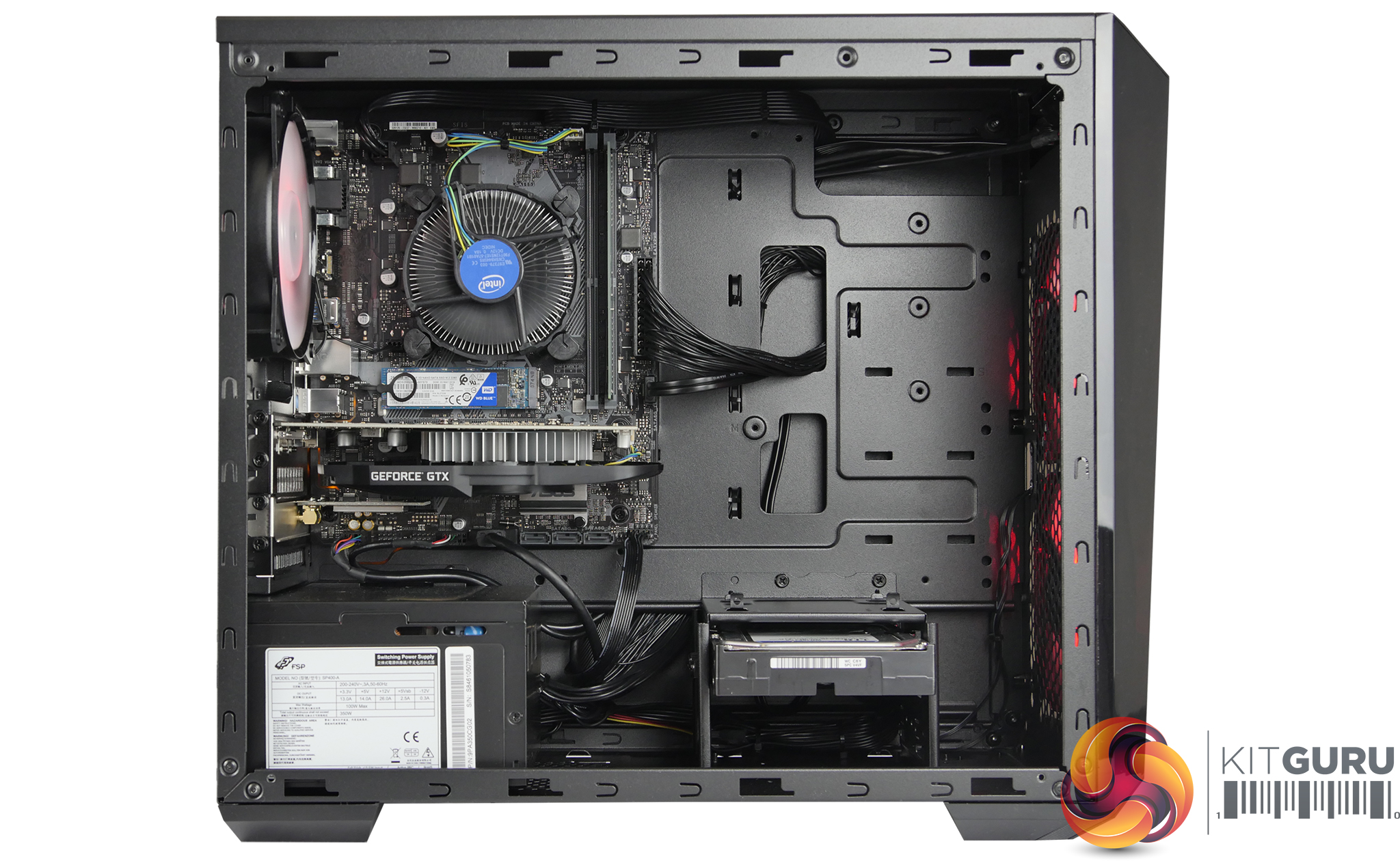
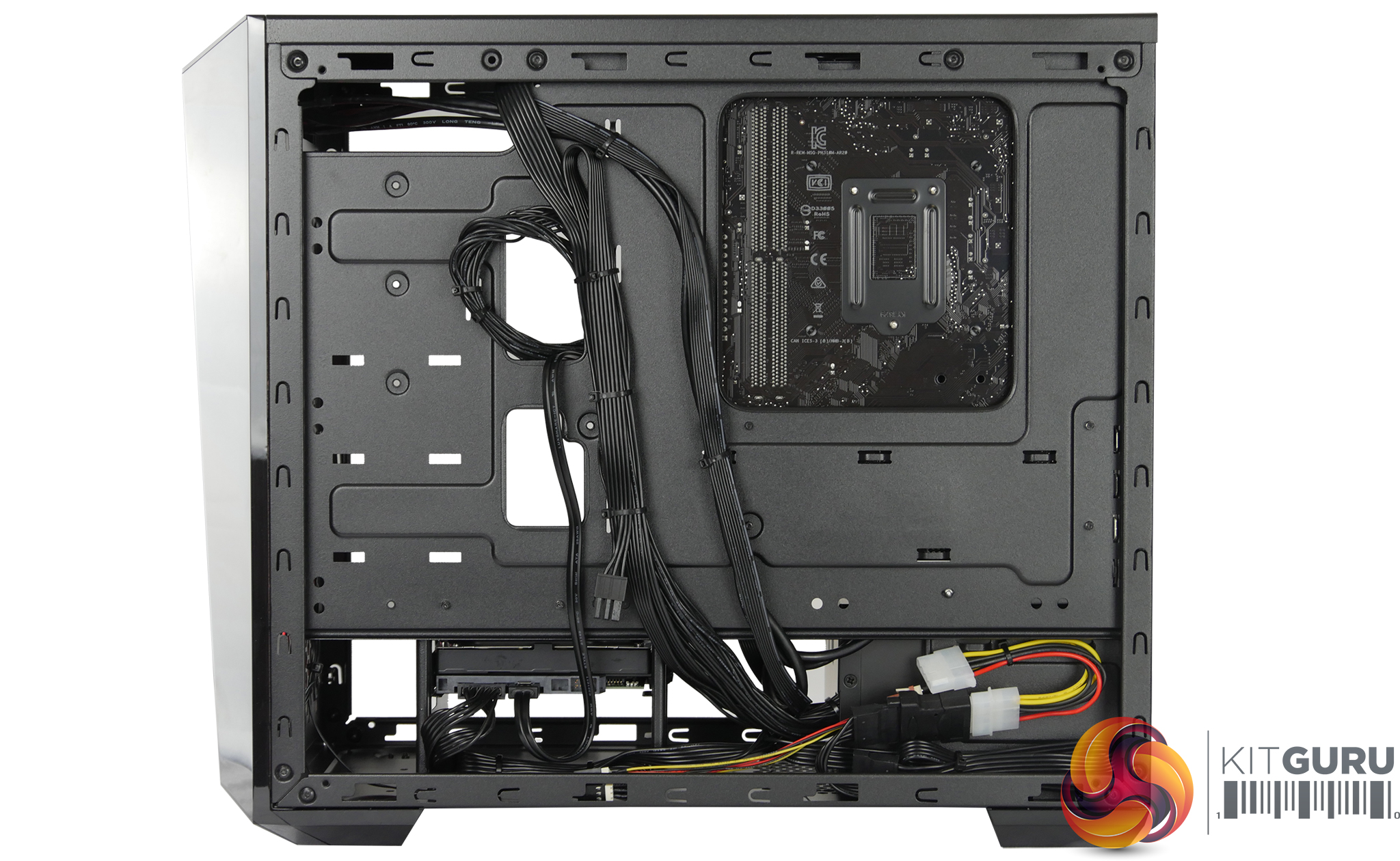
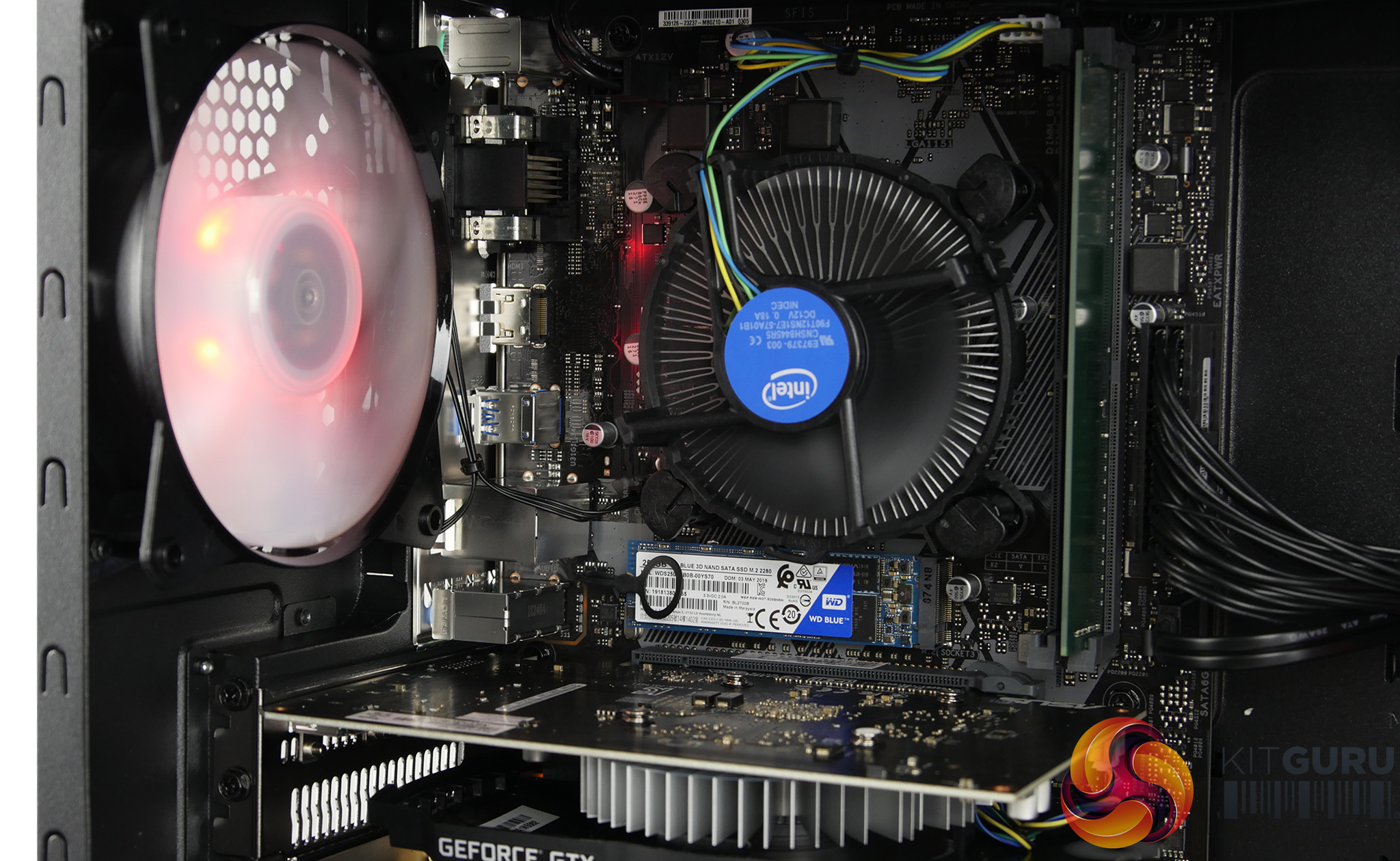
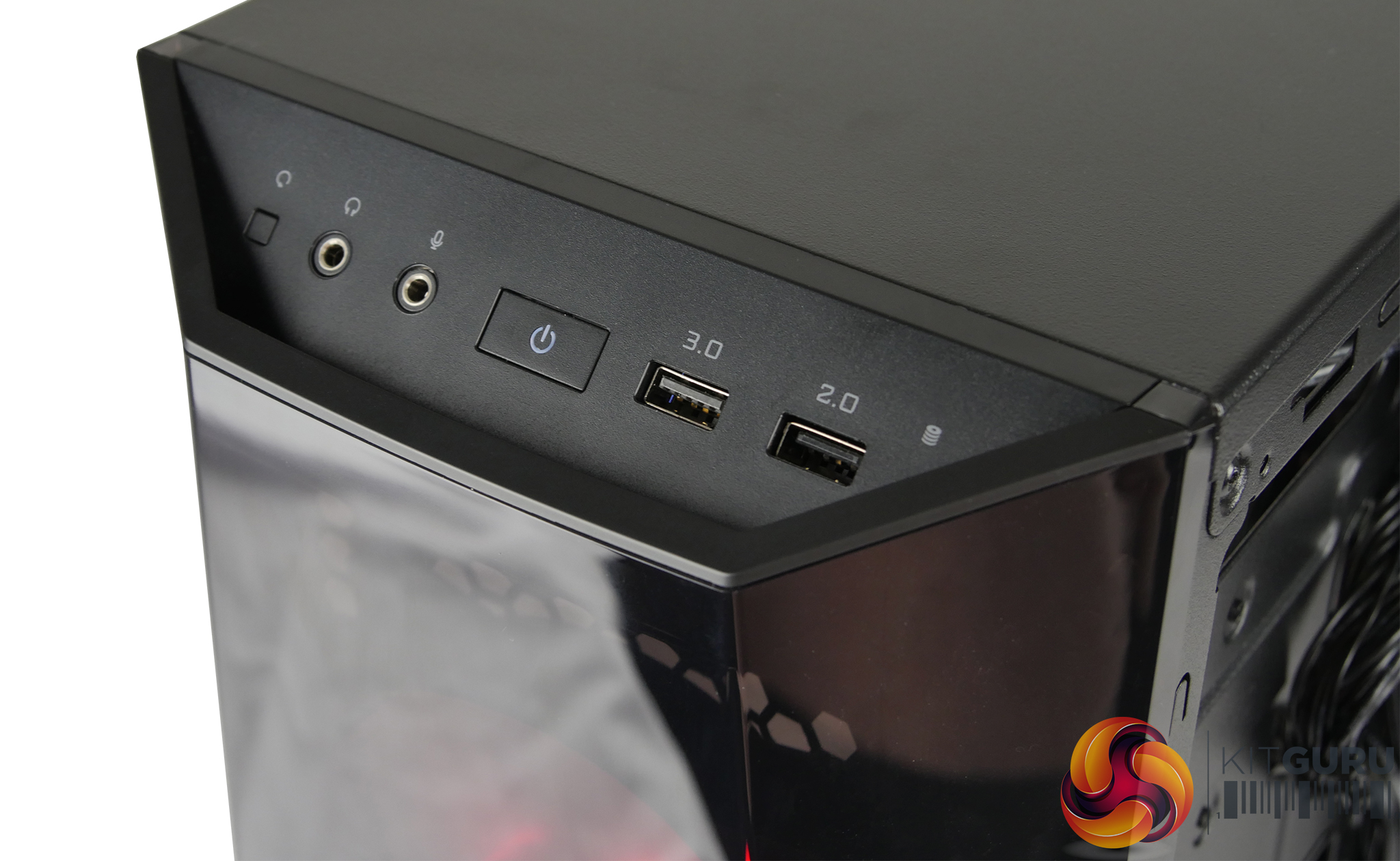
Specifications:
- Processor: Intel Core i3-9100F 4 Core, 4 Thread CPU, 3.6GHz, Turbo up to 4.2GHz
- Air Cooler: Intel stock
- Memory: 8GB 2666Mhz DDR4 RAM
- Storage: 250GB 2.5” SSD, 1TB 3.5” HDD
- Software: Windows 10 Home
- Motherboard: ASUS H310M-A R2.0
- Graphics: GTX 1650 4GB
- Display Ports: HDMI, DVI, AUDIO, HD 8-channel audio
- Networking: 300Mbps WiFi
- Power Supply: 350w PSU
- Dimensions: Height: 381mm,Width: 208mm,Depth: 456mm
- Lighting: Red LED fans
- Case: Stormforce Onyx mATX Gaming Case (Cooler Master Masterbox lite 5)
- Warranty: 3 Years Collect & Return Warranty (3 Years Parts, 3 Years Labour)
PC Part Picker list of the same components: HERE
Total Price of components at time of review: £509. Cost of Windows 10 Home operating System: £119.99
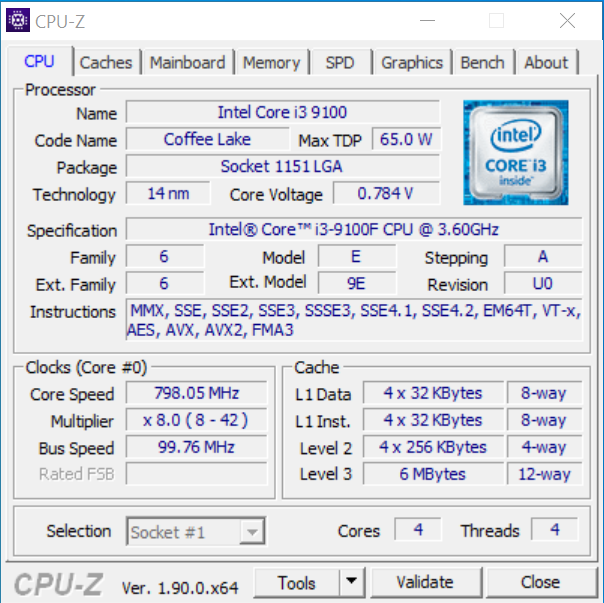
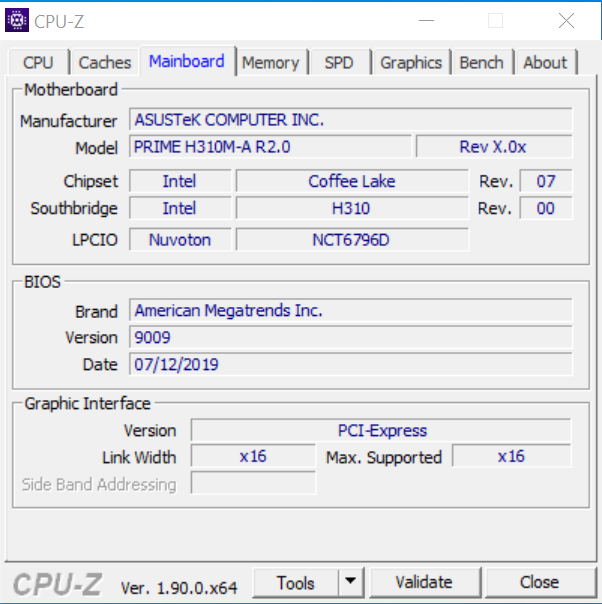
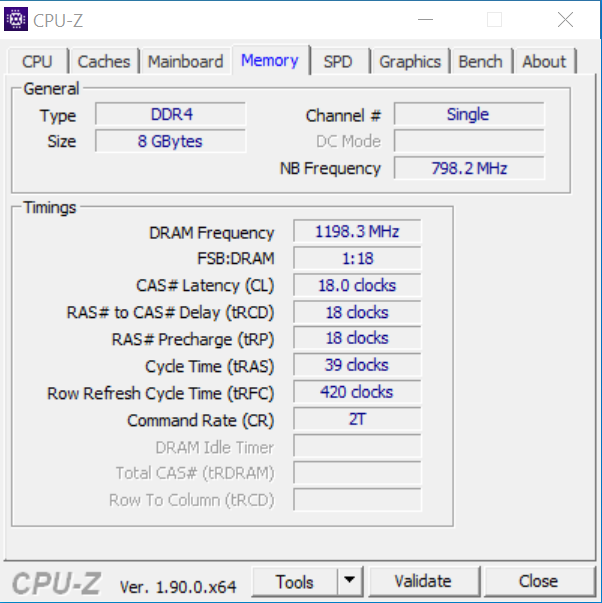
This system uses a 4 core i3-9100F which in today's world doesn't sound like a lot however it will turbo up to 4.2Ghz. The motherboard used is the Asus H310M-A Micro ATX which contains a single stick of crucial 2666Mhz RAM. There is no dual channel configuration and I also found that the i3-9100F does not support this speed, meaning it runs at 2400Mhz.
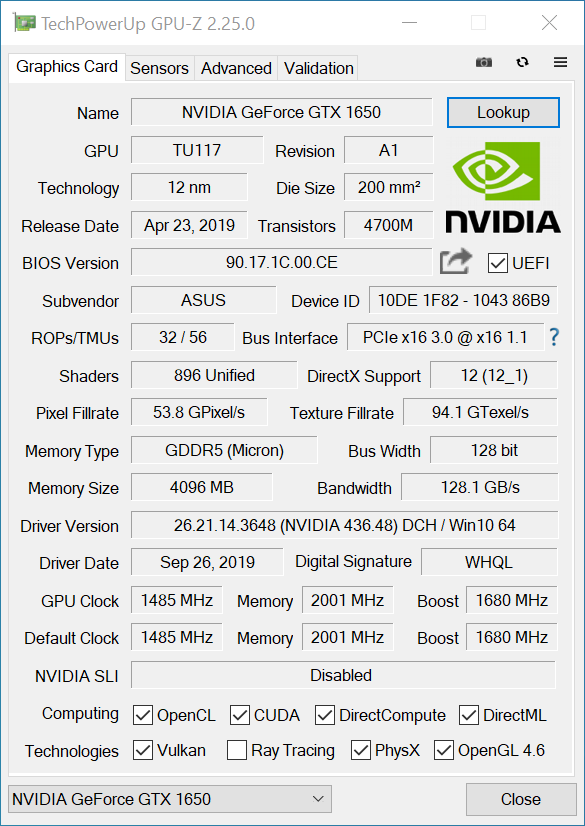
This shouldn't have much impact on performance but it's always nice to know what you are actually getting. The GPU in this system is a ASUS Phoenix GTX 1650 which comes with a base clock speed of 1485Mhz and a Boost clock speed of 1680Mhz. The memory has a clock of 2001Mhz (8002 MHz effective).