KitGuru KitGuru.net – Tech News | Hardware News | Hardware Reviews | IOS | Mobile | Gaming | Graphics Cards


The Crucial P5 is the company's latest addition to its P-series M.2 NVMe SSDs. The P5 SSDs combine 3D NAND and ‘cutting-edge controller technology' to attain read and write speeds of up to 3400MB/s and 3000 MB/s, respectively.
The read and write speeds of up to 3400 respectively 3000 MB/s are described by the company as “pushing the limits of PCIe Gen 3 NVMe”. The Crucial P5 SSDs are also “capable of enhancing data security” and “full-drive encryption” for those who want to keep their data safe. The SSDs use the standard M.2-2280 form-factor and can operate in temperatures ranging from 0 °C to 70 °C.
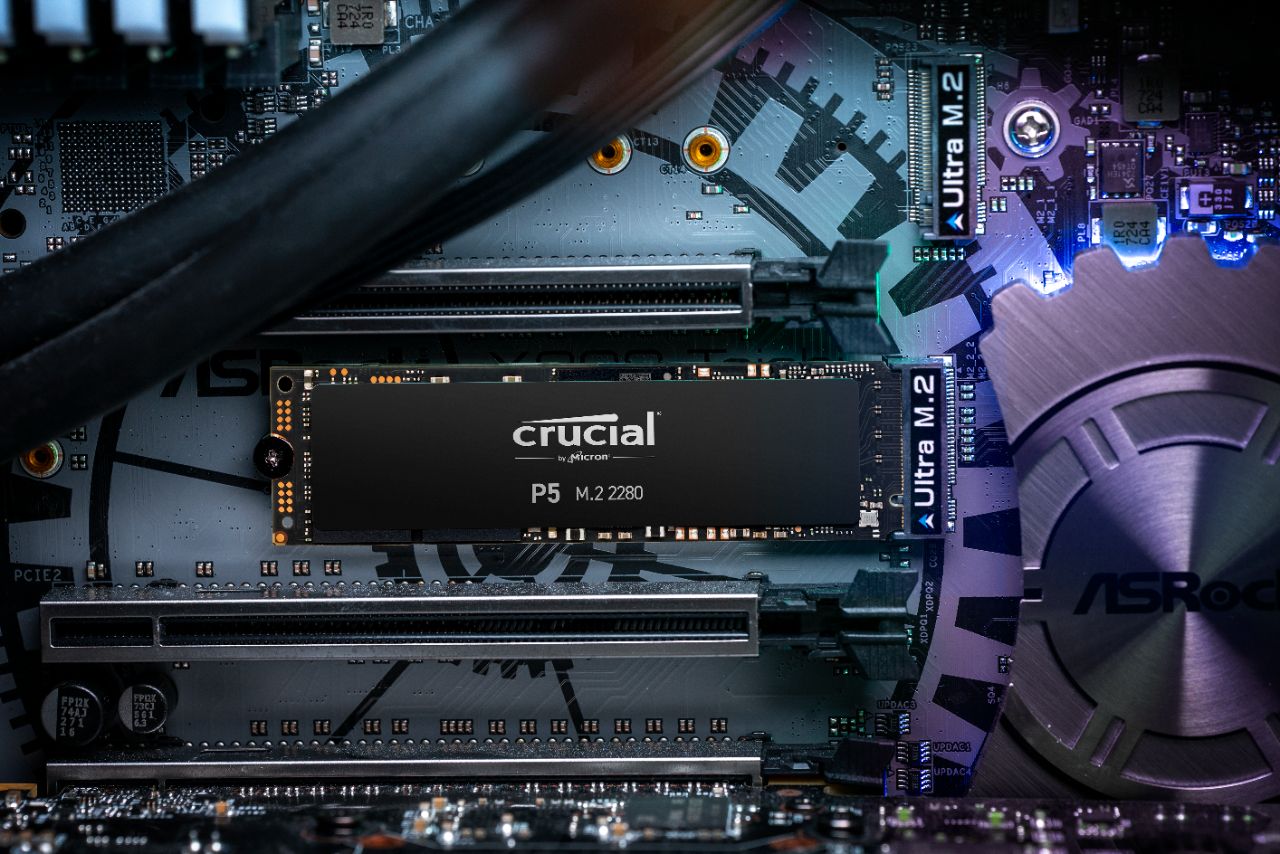
Image credit: Crucial
Crucial P5 will be available soon with a storage capacity ranging from 250 GB all the way up to 2 TB, with the pricing yet to be announced.
KitGuru says: Do you own any Crucial products? If so, are you happy with the quality? What are your thoughts on the upcoming Crucial P5 SSDs?