KitGuru KitGuru.net – Tech News | Hardware News | Hardware Reviews | IOS | Mobile | Gaming | Graphics Cards


ASRock's Z490 AQUA aims to be cool, both in its appearance and in terms of its temperatures. To that purpose Z490 AQUA comes equipped with a CPU/VRM monoblock and a custom ‘AQUA Cooling Armour' heatsink. Only 999 boards will be made, so those that want to get their hands on the Z490 AQUA will need to act fast.
It's easy to see that ASRock went all out on its Z490 AQUA motherboard. The motherboard made by the Taiwanese manufacturer will feature an OLED display that, among others things can show CPU Voltage, CPU Temperature and CPU/System Fan Speed. Z490 AQUA also comes equipped with custom ‘AQUA cooling armour' that sports RGB LED lighting designed to brighten the water passage and give it a “classy look”.

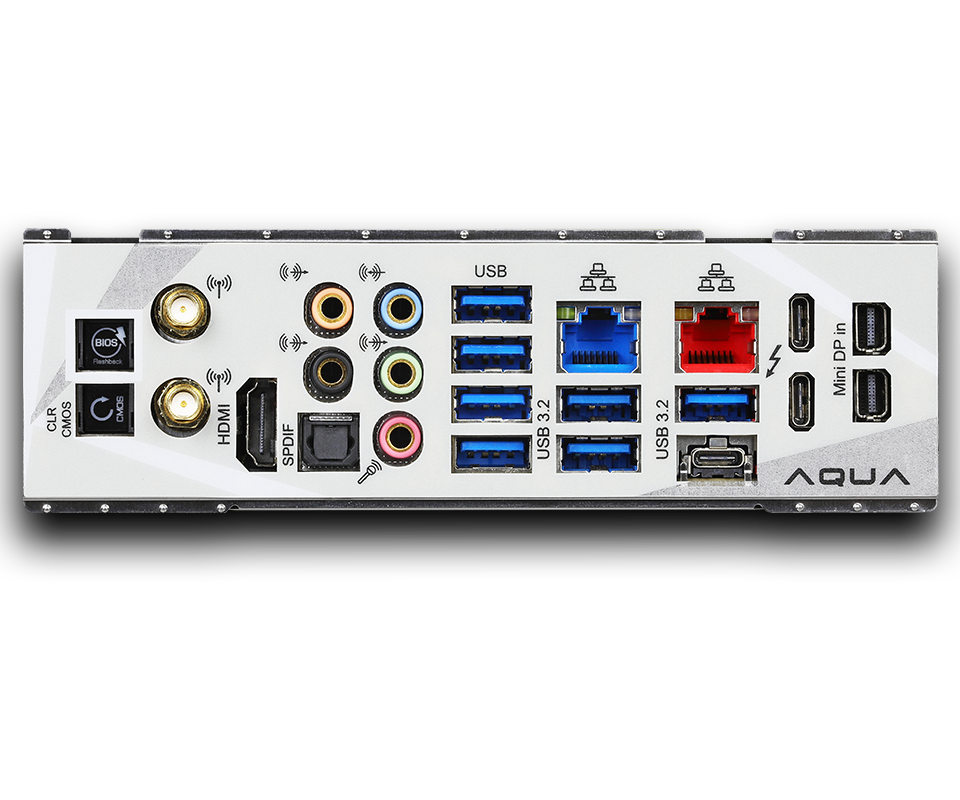



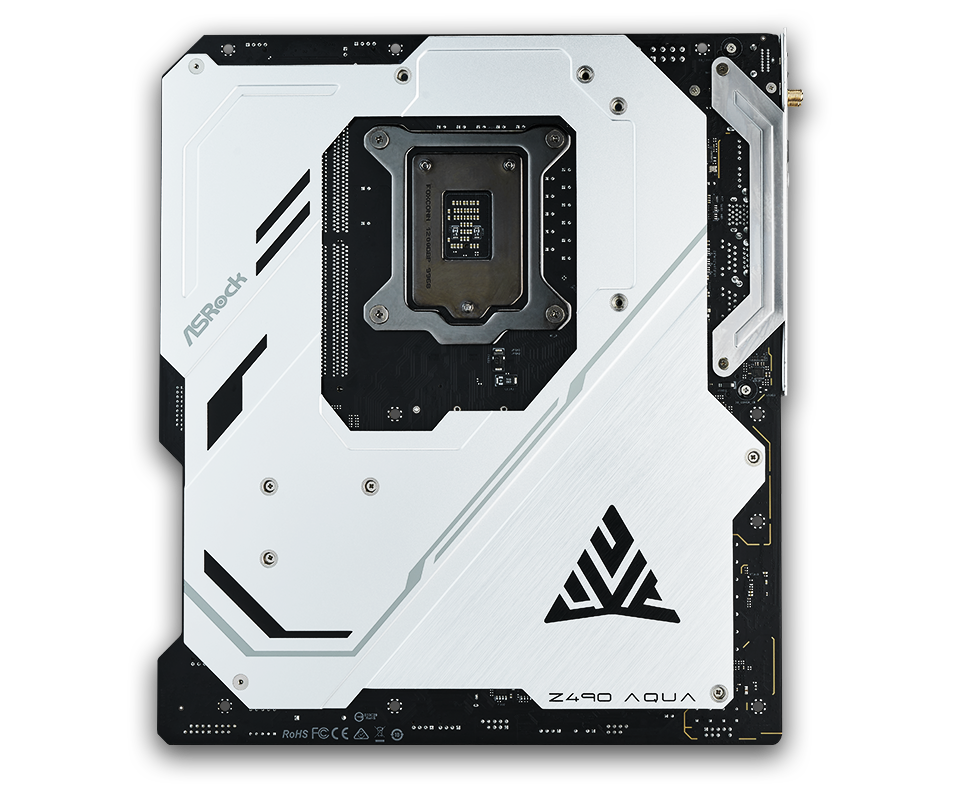
Image credit: ASRock
Z490 AQUA's uses the new Intel LGA 1200 socket and supports DDR4 4800MHz+, while ASRock claims it is PCIe Gen4 ready. The motherboard from the Taiwanese manufacturer will be capable of Nvidia Quad SLI and AMD 3-Way CrossFireX for those who want to maximise gaming performance.
As only 999 units will be made, product supply is highly limited and ASRock says it ‘may not be sold worldwide'. Availability is expected from May 20. More information on ASRock's Z490 AQUA can be found on the product page HERE.
KitGuru says: What do you think of the upcoming ASRock's Z490 AQUA motherboard?