KitGuru KitGuru.net – Tech News | Hardware News | Hardware Reviews | IOS | Mobile | Gaming | Graphics Cards


Unknown Worlds has made a name for itself in recent years with Subnautica, one of the best survival games around. After years of being independent, the studio is now being acquired, joining Krafton Inc, the parent company behind PUBG.
Krafton, known for PUBG: Battlegrounds, The Callisto Protocol and a few other upcoming projects, has now acquired Unknown Worlds. Now under Krafton, Unknown Worlds is the company's sixth game development studio, joining the likes of PUBG Studios, Striking Distance Studios, Bluehole Studio, RisingWings and Dreamotion.
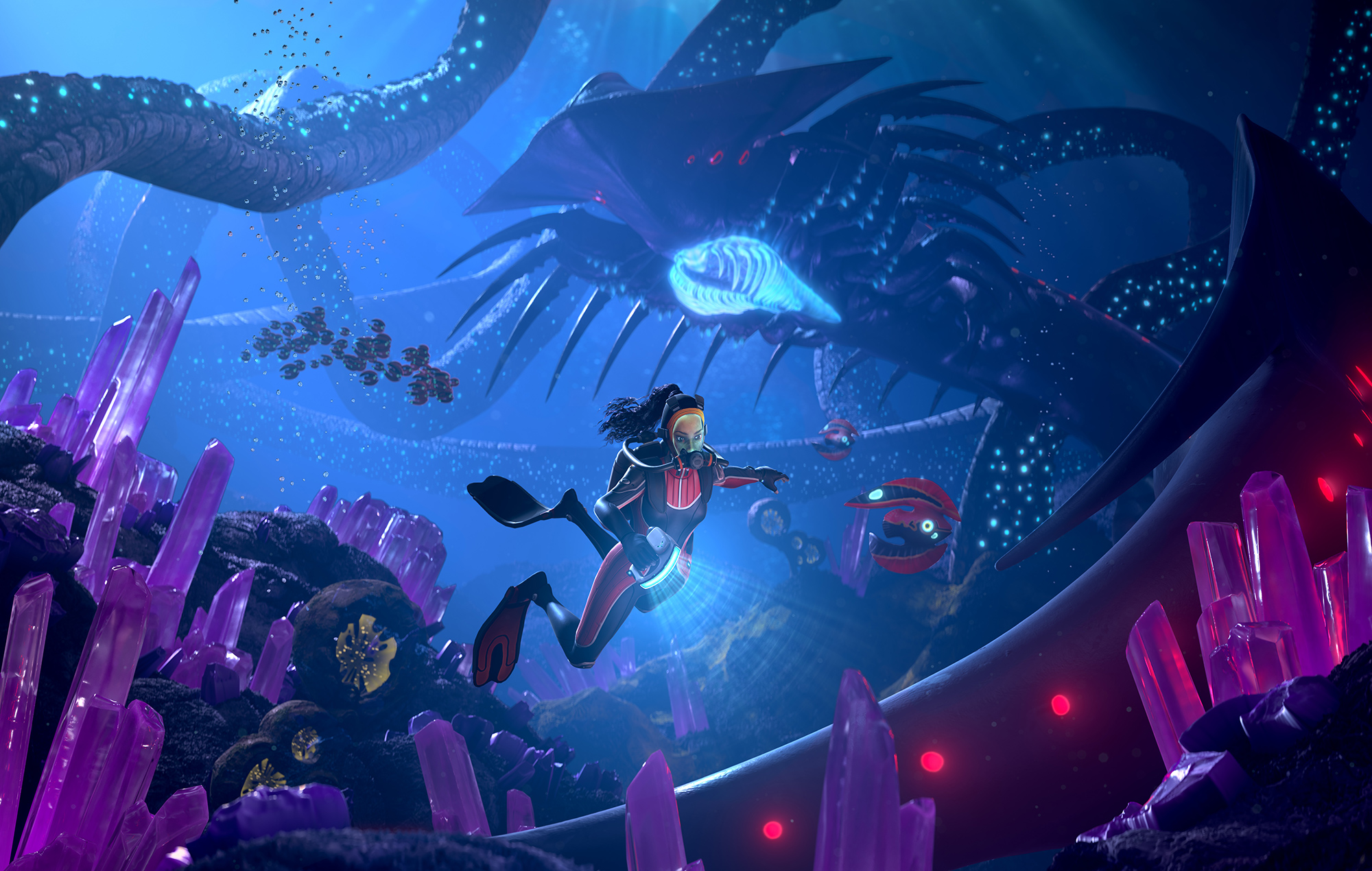
Speaking on the acquisition, CH Kim, CEO of Krafton, said: “Unknown Worlds are incredibly skilled and passionate developers with an unparalleled gift for creativity and a proven track record of building successful player-driven worlds. KRAFTON will spare no effort in helping them. Not only do they enhance our development capabilities, but we share a goal of creating unique experiences for global audiences.”
Charlie Cleveland, CEO of Unknown Worlds added: “Subnautica and PUBG both started humbly and evolved successfully through constant iteration and feedback. We want to bring new games to the world stage – and with KRAFTON, we’re a big step closer. We’re truly looking forward to our future together.”
Unknown Worlds will continue to operate independently of Krafton, but with new resources to fund and publish future projects. The studio is now working on a “genre-defining game”, slated to launch into Early Access in 2022.
Discuss on our Facebook page, HERE.
KitGuru Says: Subnautica and Natural Selection were both excellent games, so its not too surprising to see a larger company pick up Unknown Worlds. We don't need to wait much longer to see what the studio will do next, with their next game slated for 2022.