KitGuru KitGuru.net – Tech News | Hardware News | Hardware Reviews | IOS | Mobile | Gaming | Graphics Cards


Ahead of the PS5's launch, Sony announced plans to increase the cost of its first-party titles from $60 at launch to $70, pointing to the “rising cost of game development” as the primary reason. We've seen a few publishers jump on this new price standard already, including the likes of Take-Two and Square Enix. Now, Ubisoft is joining that growing list.
In what can only be described as a bad move, this new $70 price tag will come into effect with Skull and Bones, a game that is already struggling to generate hype after years of delays. Moving forward, every game that Ubisoft classes as a ‘big AAA release' will be priced at $70.
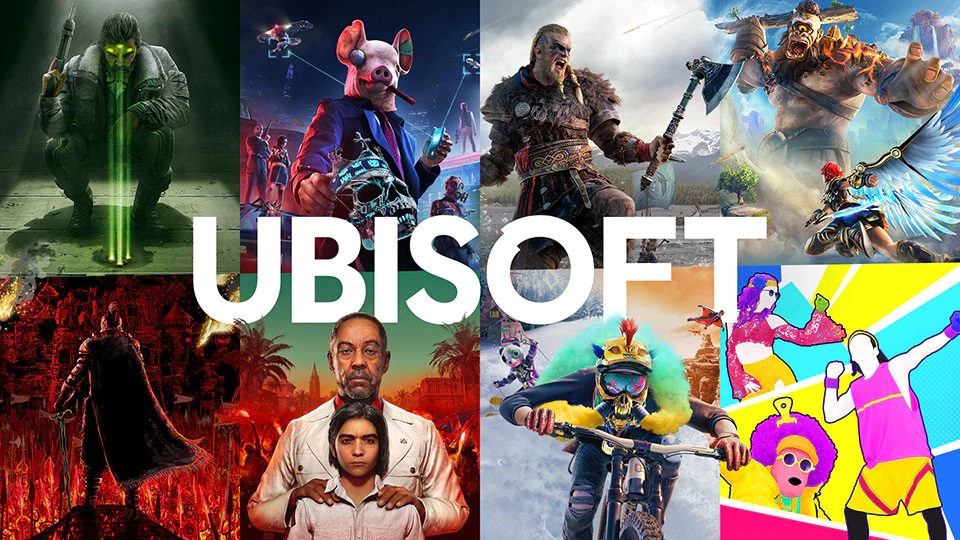
Speaking with Axios, Ubisoft CEO, Yves Guillemot, confirmed that this $70 launch price for new AAA games is here to stay. With Ubisoft now on board, there are just a few ‘major' game publishers left still supporting $60 as the standard price.
Given that this price trend is continuing to gain steam, we would expect the days of $60 day-one games to be numbered.
Discuss on our Facebook page, HERE.
KitGuru Says: Video games are more expensive to make, but the industry has done a poor job of evaluating its own releases. I think most could accept that a game like Red Dead Redemption 2 cost more to create compared to something like Mafia 3. However, despite that disparity in quality, scope and technical achievement, both games launched with the same price tag. Publishers want every major release to be viewed as ‘AAA' and now in an era of $70 games, that is going to have to change.