KitGuru KitGuru.net – Tech News | Hardware News | Hardware Reviews | IOS | Mobile | Gaming | Graphics Cards


Earlier this year, we began hearing whispers about a Destiny mobile game, which Bungie is apparently working on in collaboration with NetEase, a company you'll all know and love following the launch of Diablo Immortal. Now, new patent filings suggest Bungie is indeed working on bringing Destiny to mobile in some form.
As reported by The Game Post, Bungie has filed six new patents this year, all relating to touchscreen controls and virtual controller input. The patents suggest Bungie is planning an auto-sprint feature, with a virtual thumbstick for a first-person shooter on mobile. Bungie also seems to be experimenting with auto aiming and swipe/drag gestures for performing certain in-game actions.
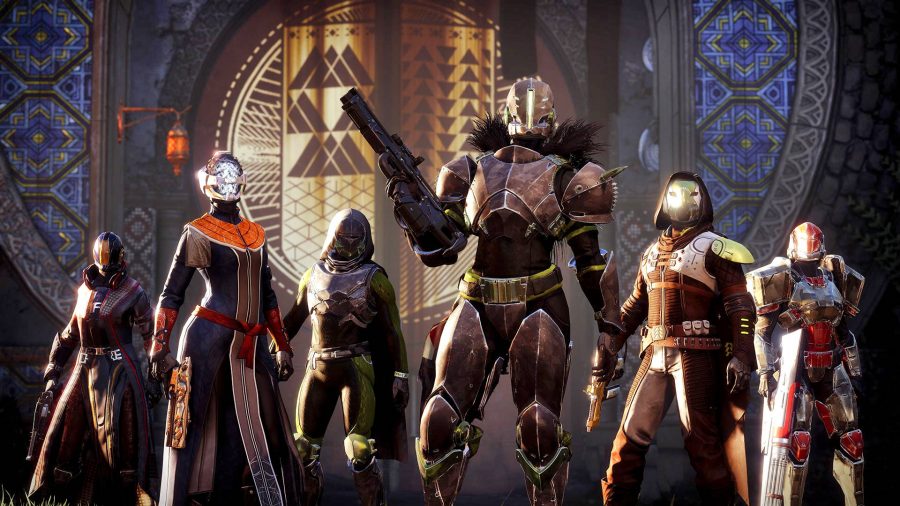
All of these features will sound familiar to you if you've played modern mobile shooters like Call of Duty Mobile, which also has features like auto aim and sprint. Presumably, Bungie's mobile shooter will also support physical controllers, as most mobile devices can now link up with Xbox, PlayStation, Nintendo and other third-party controllers.
Aside from potentially bringing Destiny to mobile, Bungie is also working on a new IP called ‘Matter'. Prior to joining Sony, Bungie planned to transition into a multi-game studio by 2025, so we should hear more about Bungie's non-Destiny projects and other spin-offs over the next few years.
Discuss on our Facebook page, HERE.
KitGuru Says: Mobile devices are very powerful nowadays, to the point where you can run high-fidelity games without issue. Still, this will almost certainly be a cut-down spin-off of some sort and not the full Destiny game we all know today.