KitGuru KitGuru.net – Tech News | Hardware News | Hardware Reviews | IOS | Mobile | Gaming | Graphics Cards


Back in 2020, Cooler Master launched its first Thermoelectric AIO CPU cooler. We reviewed it at the time and while we were impressed by the cooling performance, there was certainly room for improvement. Now, Cooler Master is back with its 2nd generation MasterLiquid Sub-Zero cooler.
Today, Cooler Master has announced the MasterLiquid ML360 Sub-Zero Evo. Built in collaboration with Intel, Cooler Master's latest TEC cooler can achieve sub-ambient cooling. The 2nd Gen TEC cooler also has an upgraded waterblock, a redesigned pump that should operate at lower noise levels, and of course, a 360mm radiator.
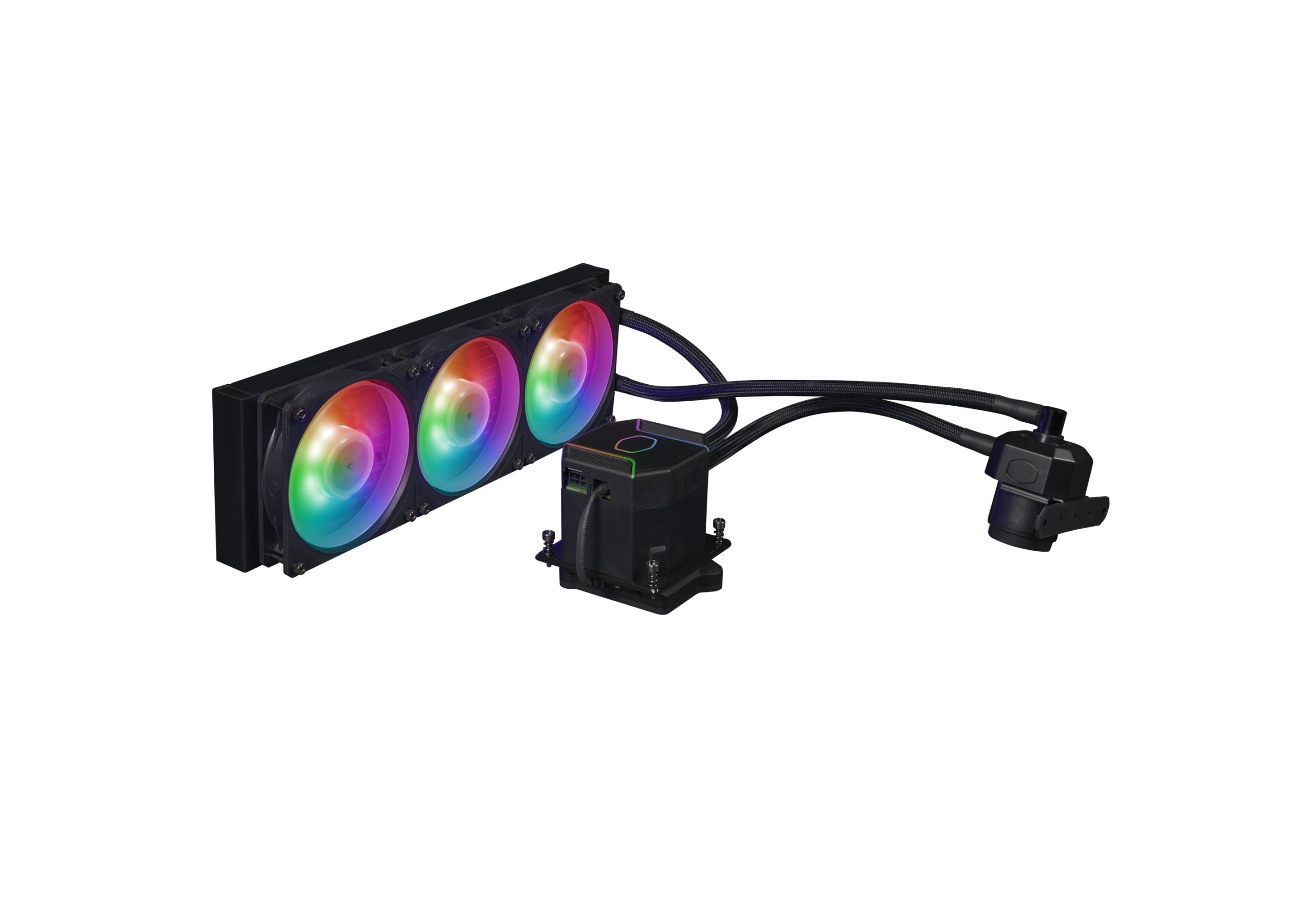
The ML360 Sub-Zero Evo also uses Intel Cryo Cooling Technology, which mitigates issues with condensation while using sub-ambient cooling. Since this is built in collaboration with Intel, the cooler only supports Intel processors, including 12th Gen and 13th Gen Core i7 and Core i9 processors.
Unfortunately, we don't have pricing yet, but the previous TEC cooler launched with a £340 price tag, so we'd expect this new cooler to also launch with a high price tag. Availability is planned for early 2023.
Discuss on our Facebook page, HERE.
KitGuru Says: It'll be interesting to put this cooler to the test in 2023 and see how it improves over the first-gen design. Would you opt for a Thermoelectric cooler like this one over a standard AIO liquid cooler?