KitGuru KitGuru.net – Tech News | Hardware News | Hardware Reviews | IOS | Mobile | Gaming | Graphics Cards


Ahead of the announcement of Alan Wake II, Remedy Entertainment remastered the first entry, bringing the updated package to current-gen systems – and to PlayStation for the first time. Released just over 2 years ago in October 2021, the game has finally made its money back, recouping development and marketing costs.
As part of Remedy Entertainment’s business review report, the studio’s CEO Tero Virtala spoke on the recently-released Alan Wake II, saying: “As the game launched only four days ago, it is too early to draw conclusions on the game’s commercial success. It is clear, however, that fans and critics have appreciated it giving the game a strong basis for good long-term sales.”
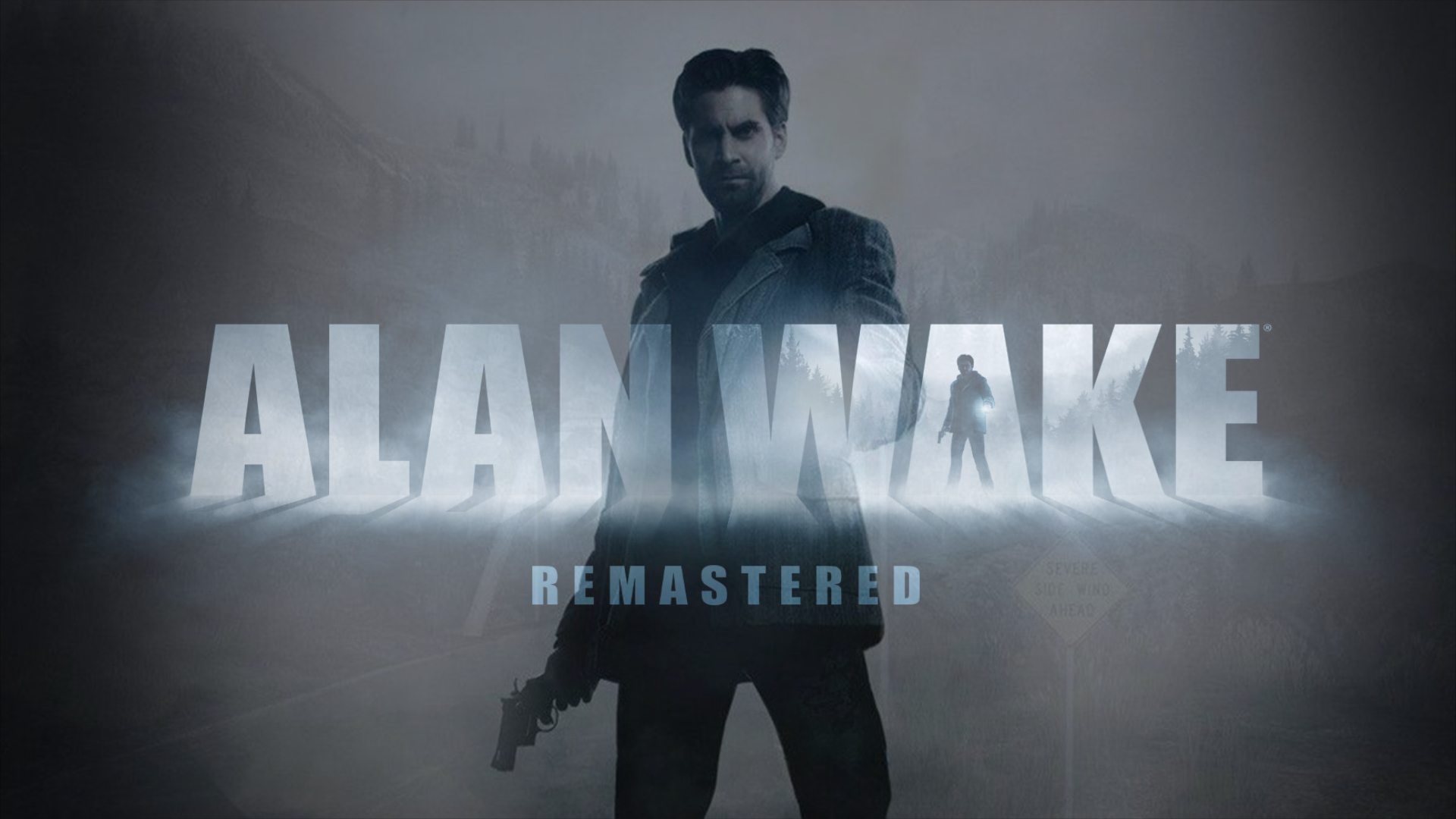
In discussing the game’s predecessor – more specifically 2021’s Alan Wake Remastered – Virtala revealed that the game has finally recouped all its costs – meaning any additional sales from now on is pure profit, saying:
“Royalties grew year-on-year driven by Alan Wake Remastered, which recouped its development and marketing investments during the third quarter.”
With Alan Wake II launching to a great deal of critical and commercial success, it will be interesting to see whether the buzz surrounding it helps to boost sales for Alan Wake Remastered even further.
Discuss on our Facebook page HERE.
KitGuru says: What do you think of Alan Wake II? Did you play ‘Remastered’ beforehand? What would you like to see next from Remedy? Let us know down below.