KitGuru KitGuru.net – Tech News | Hardware News | Hardware Reviews | IOS | Mobile | Gaming | Graphics Cards


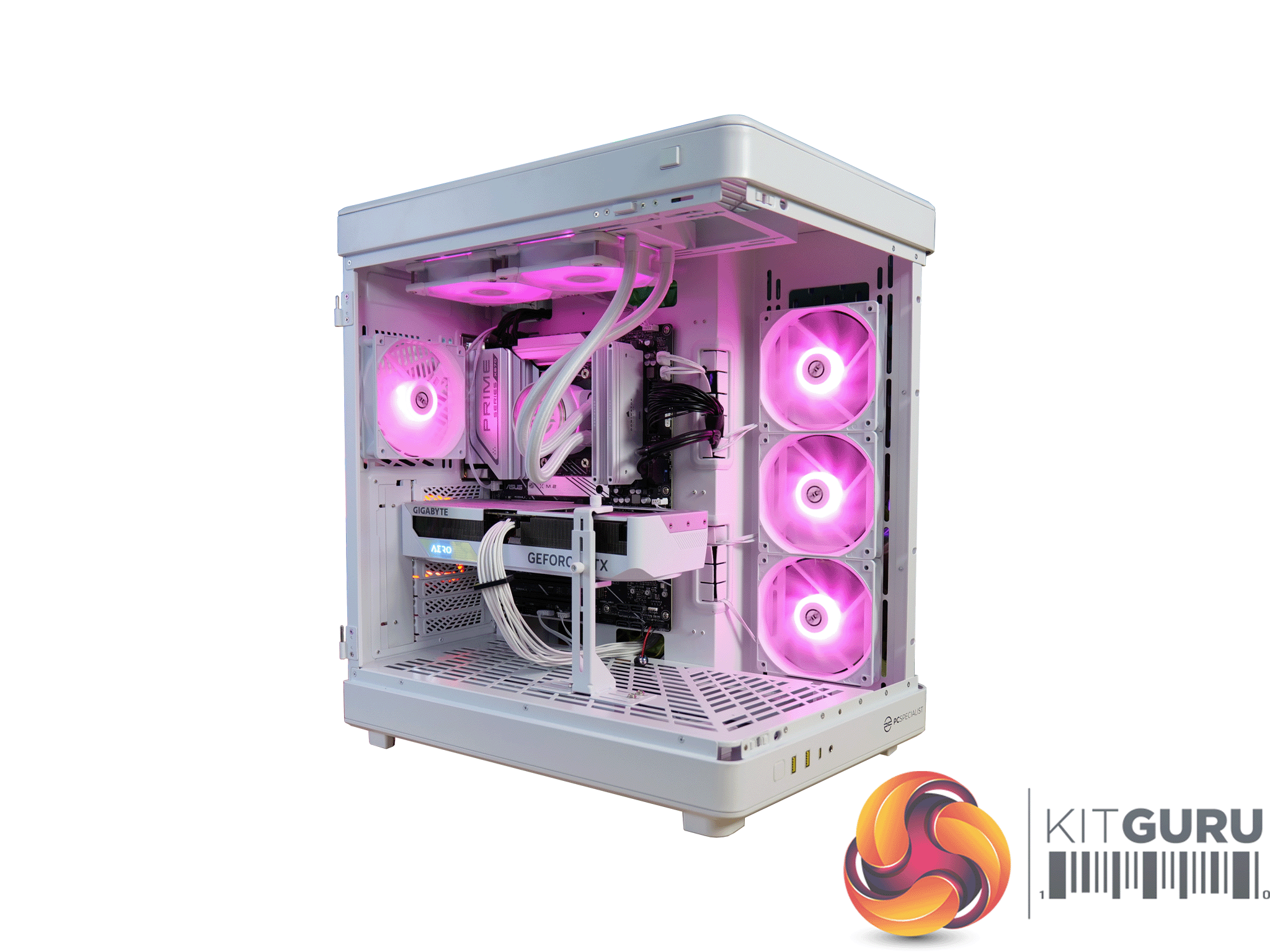
The Helio Ultra prebuilt gaming desktop from PCSpecialist is the first we've seen from the company to feature one of AMD's latest generation processors. This machine is packing a Ryzen 7 9700X alongside a Gigabyte RTX 4070 Super Aero OC graphics card and 32GB of Corsair Dominator Titanium DDR5 memory running at 6400MT/s. While many gamers out there are eagerly awaiting news on the upcoming X3D 9000 series Ryzen CPUs, not everyone can wait. For those wanting to pick up a system right now, is the Helio Ultra a decent option?
Timestamps
00:00 Start
00:41 AMD’s Silicon
01:15 Is this for you?
01:32 Pricing & warranty
01:50 System spec details / Rear I/O
04:31 SSD – and some findings
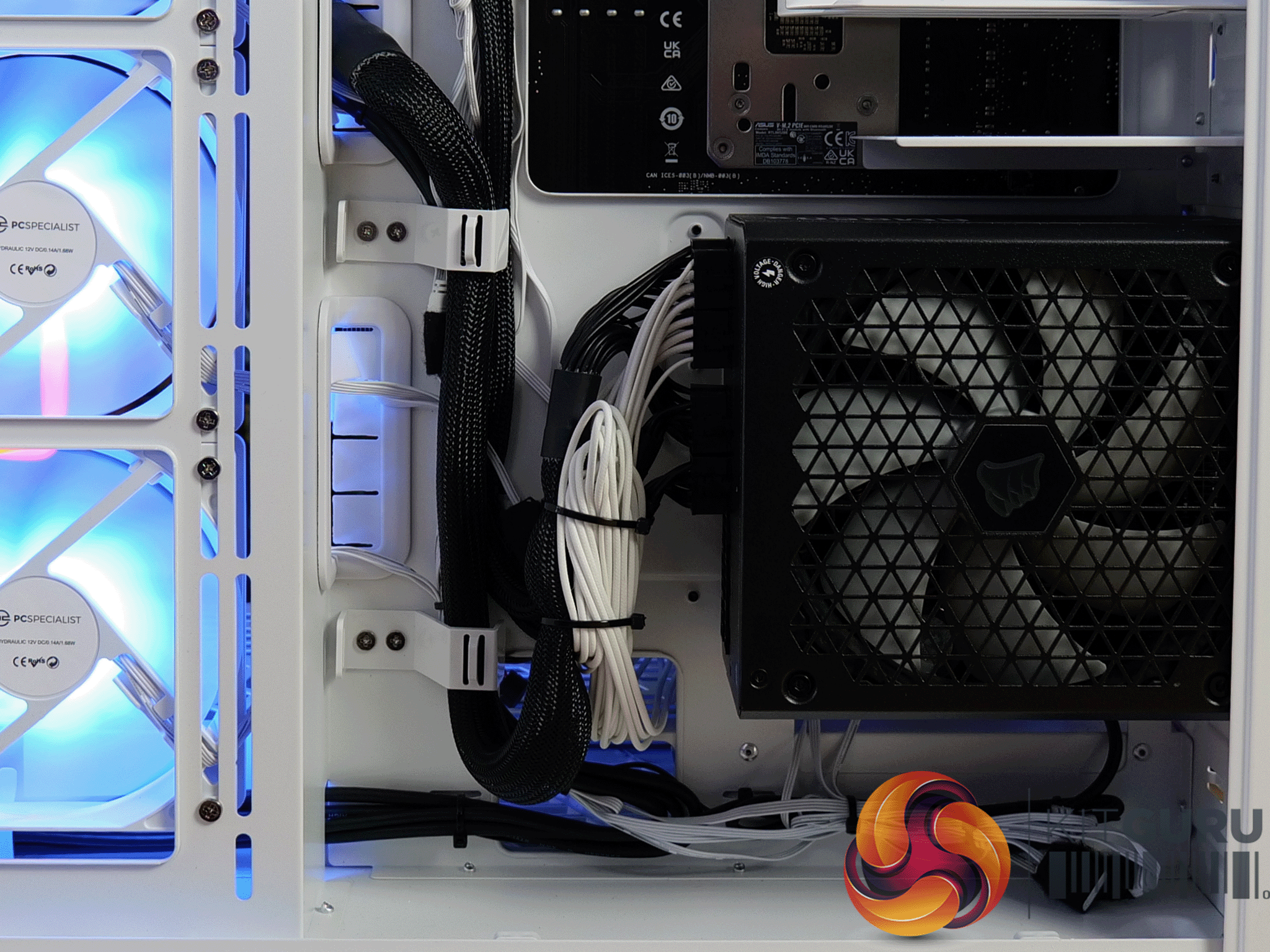
05:43 Power supply
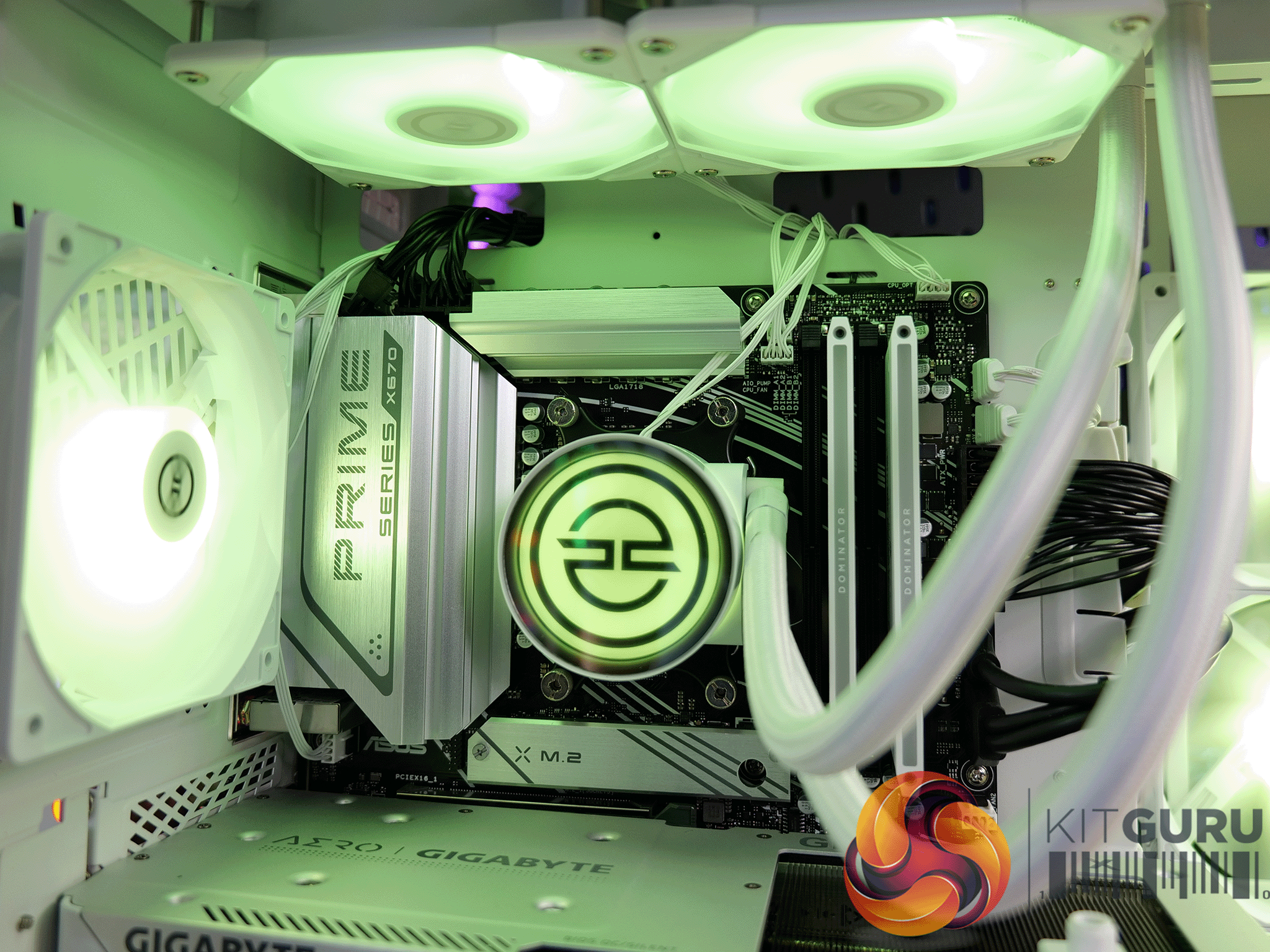
06:04 The AIO cooler
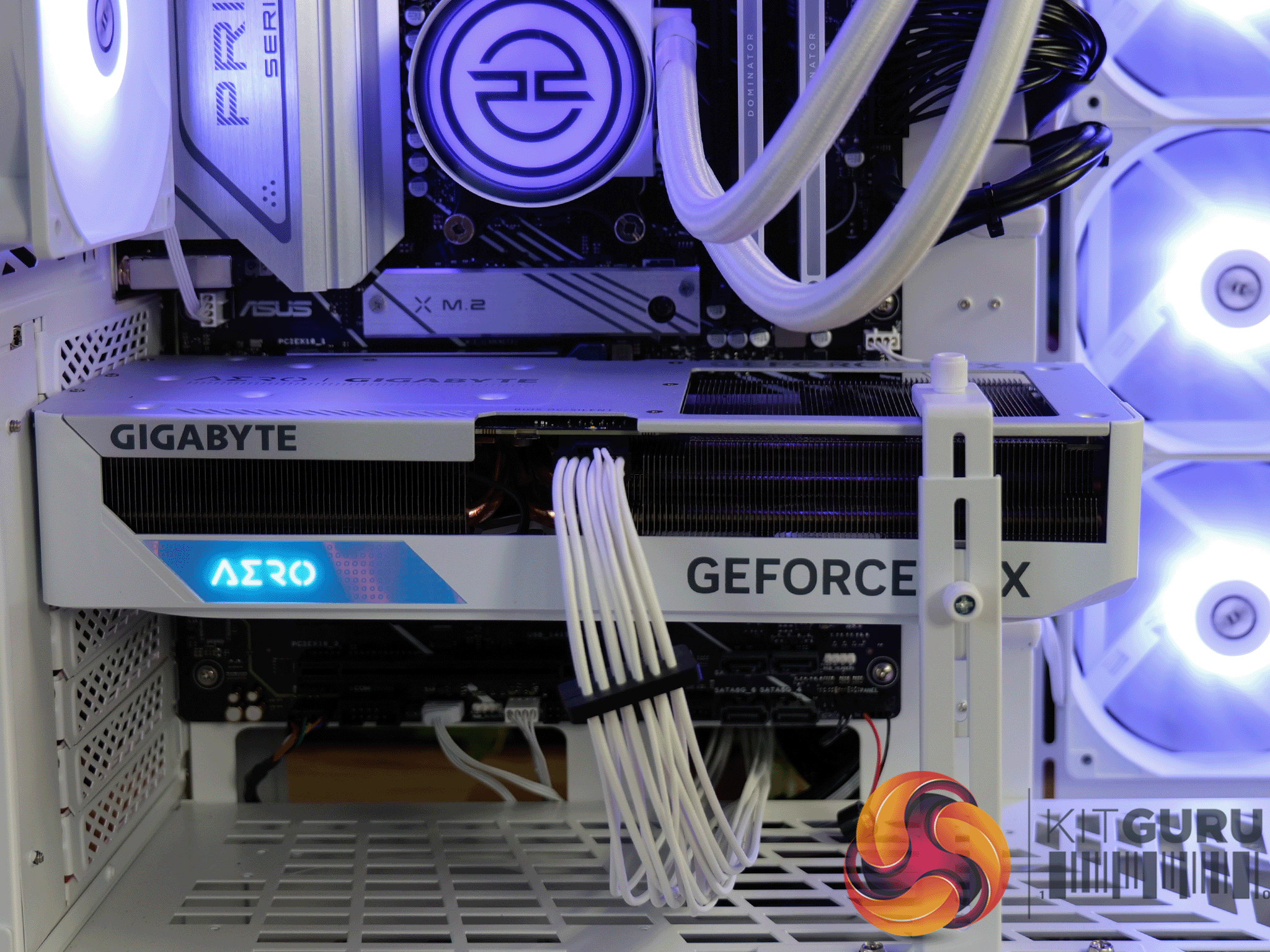
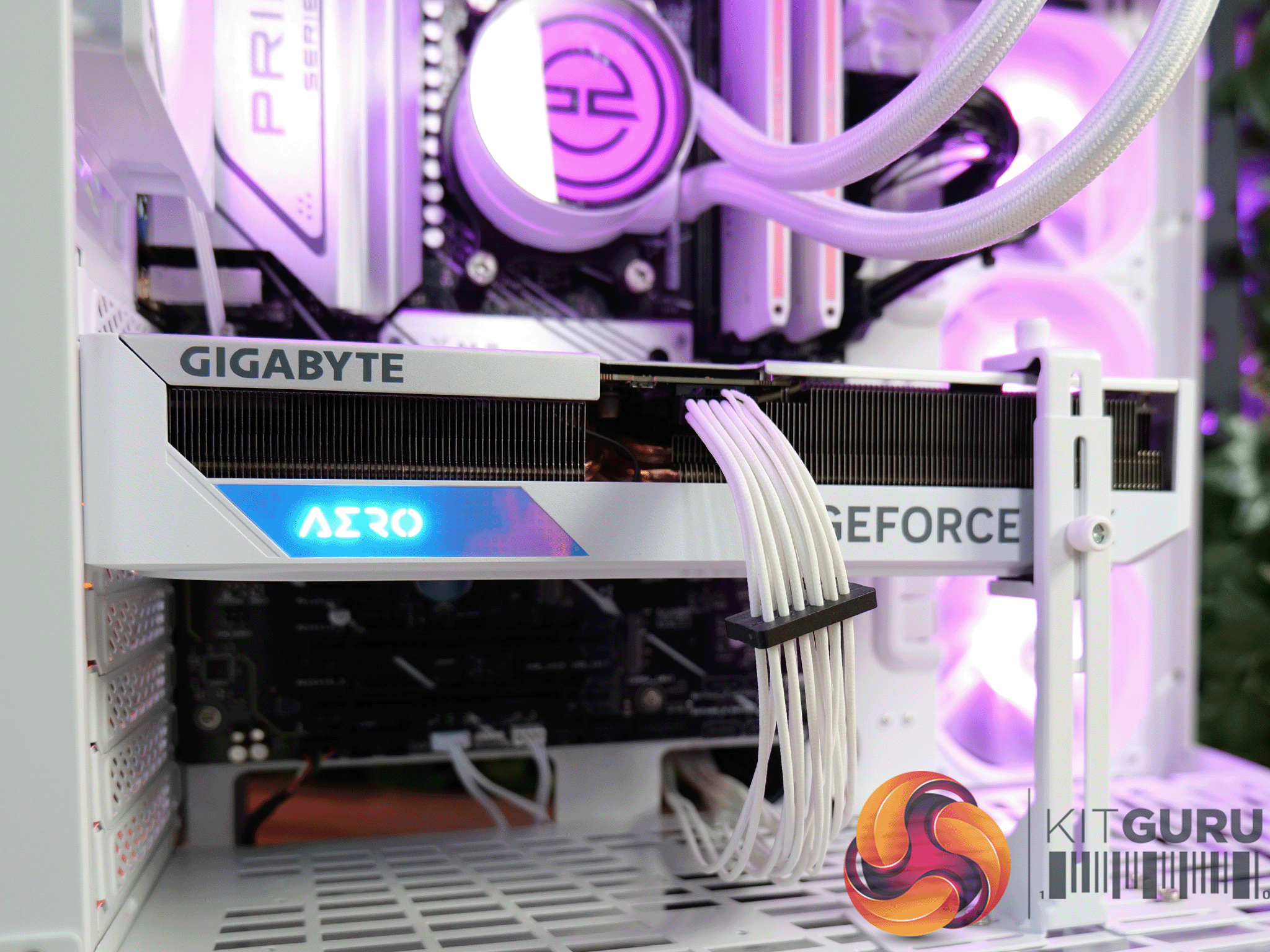
06:34 The Case
08:18 System appeal discussion
09:55 Cinebench Multicore
10:49 3DMark Time Spy
11:17 AIDA64 Memory Bandwidth
11:34 PCMark 10
12:08 Real World Gaming
12:23 Call Of Duty
12:51 Red Dead Redemption 2
13:22 Forza Horizon 5
13:50 Cyberpunk 2077
14:13 Assassins Creed Mirage
14:35 F1 2024
15:07 Thermals, Noise and Power
16:54 Closing Thoughts
Specification
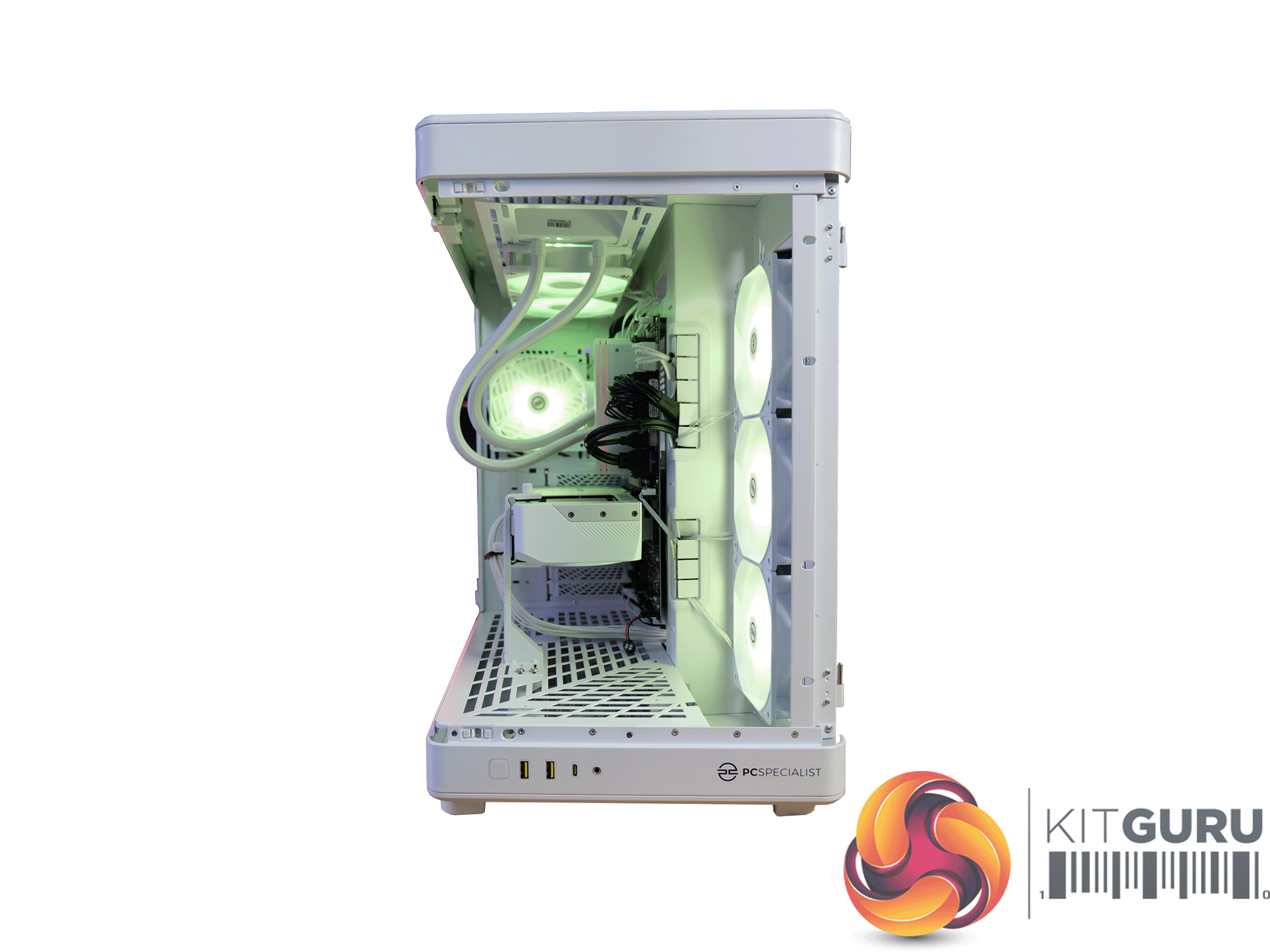
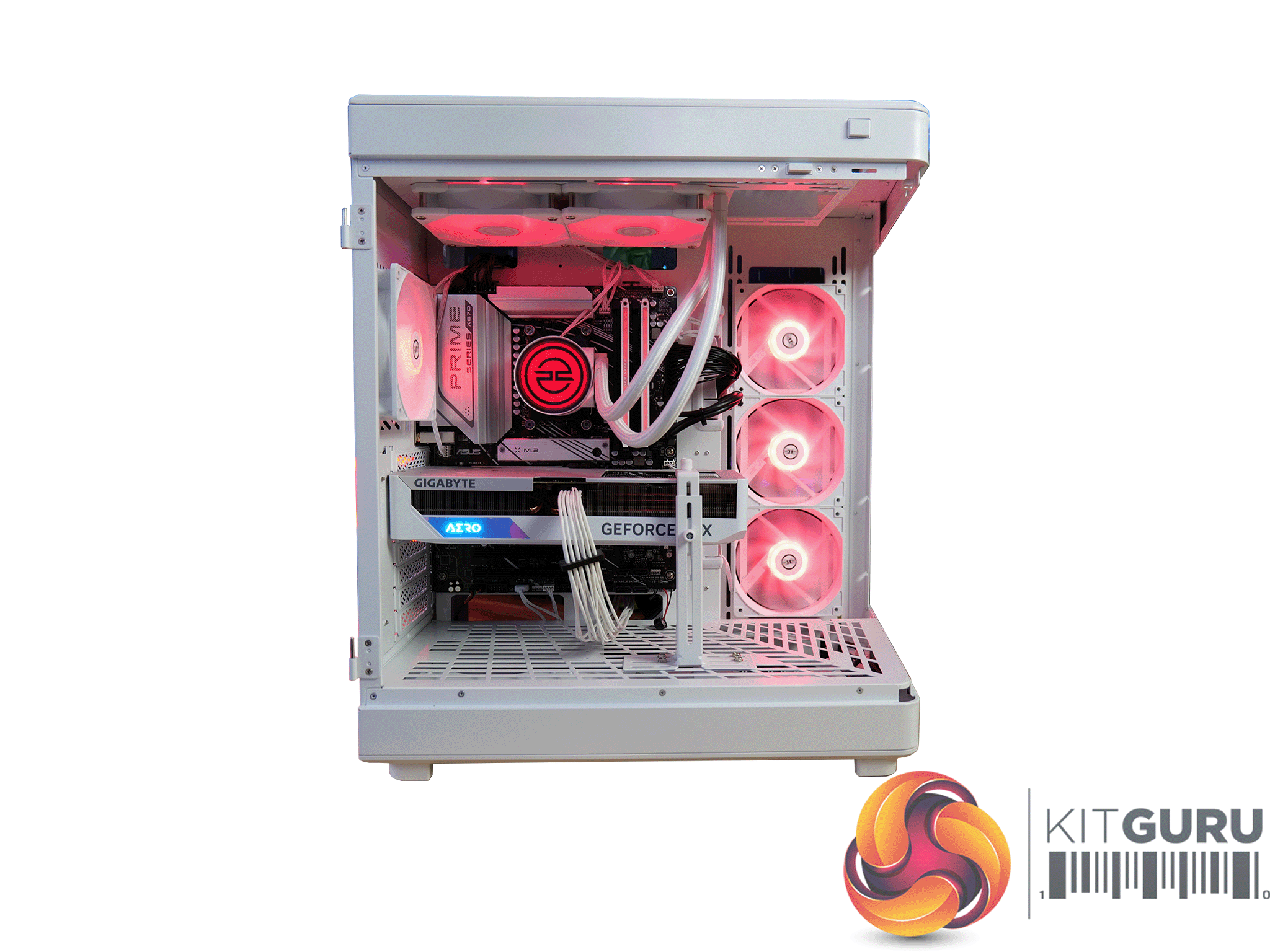
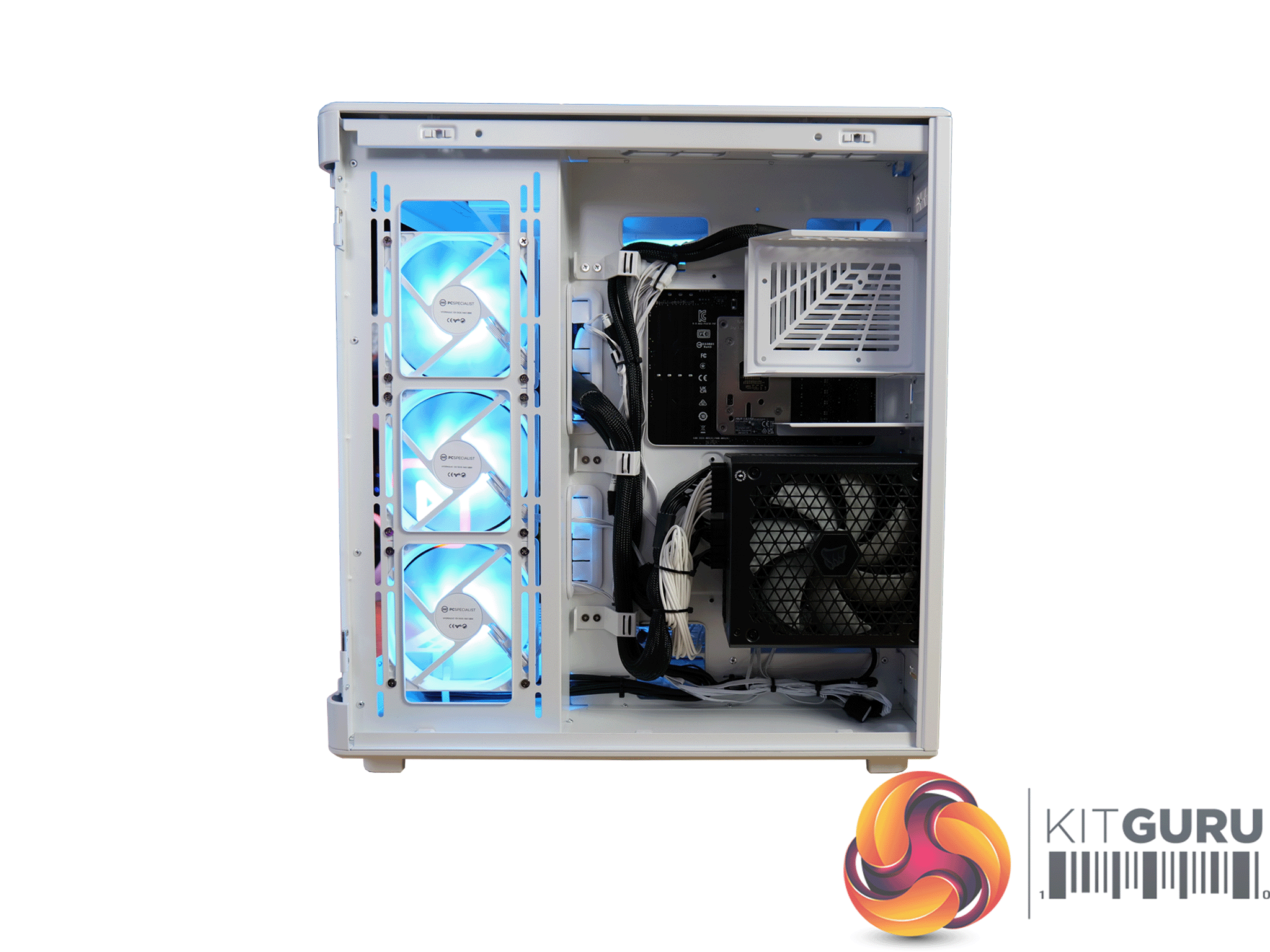
- Case – PCS Lumin ARGB Mid Tower Case (White) (PWM)
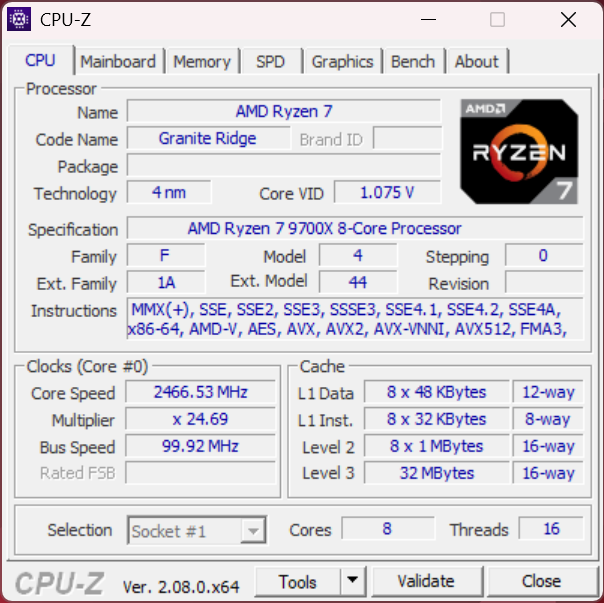
- Processor – AMD Ryzen 7 9700X
- Motherboard – Asus Prime X670-P WIFI
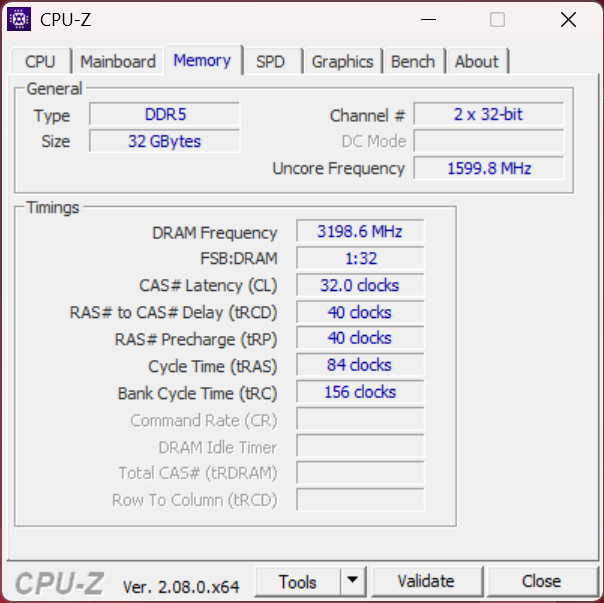
- Memory – 32GB Corsair Dominator Titanium (6400MT/s)
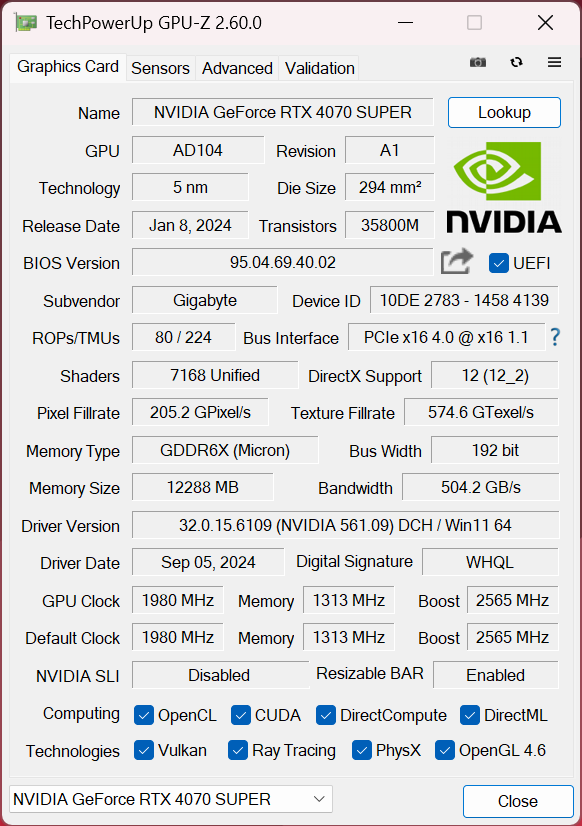
- Graphics Card – 12GB Gigabyte Geforce RTX 4070 Super Aero OC
- Storage – 2TB Samsung 990 Evo M.2 NVMe SSD
- Power Supply – Corsair 850w RMx
- Processor Cooling – PCS Frostflow 240 Series ARGB Liquid Cooler
The core specs are confirmed in the following CPU-Z and GPU-Z screenshots: