KitGuru KitGuru.net – Tech News | Hardware News | Hardware Reviews | IOS | Mobile | Gaming | Graphics Cards


Here at KitGuru we have reviewed plenty of OLED monitors over the last few months, but the market has been moving at such a rapid rate it is easy to lose track of the best options. Today we're simplifying matters by publishing our top picks for OLED monitors in 2026 – so whether you're looking for an ultrawide, 4K, or budget option, here are our top recommendations…
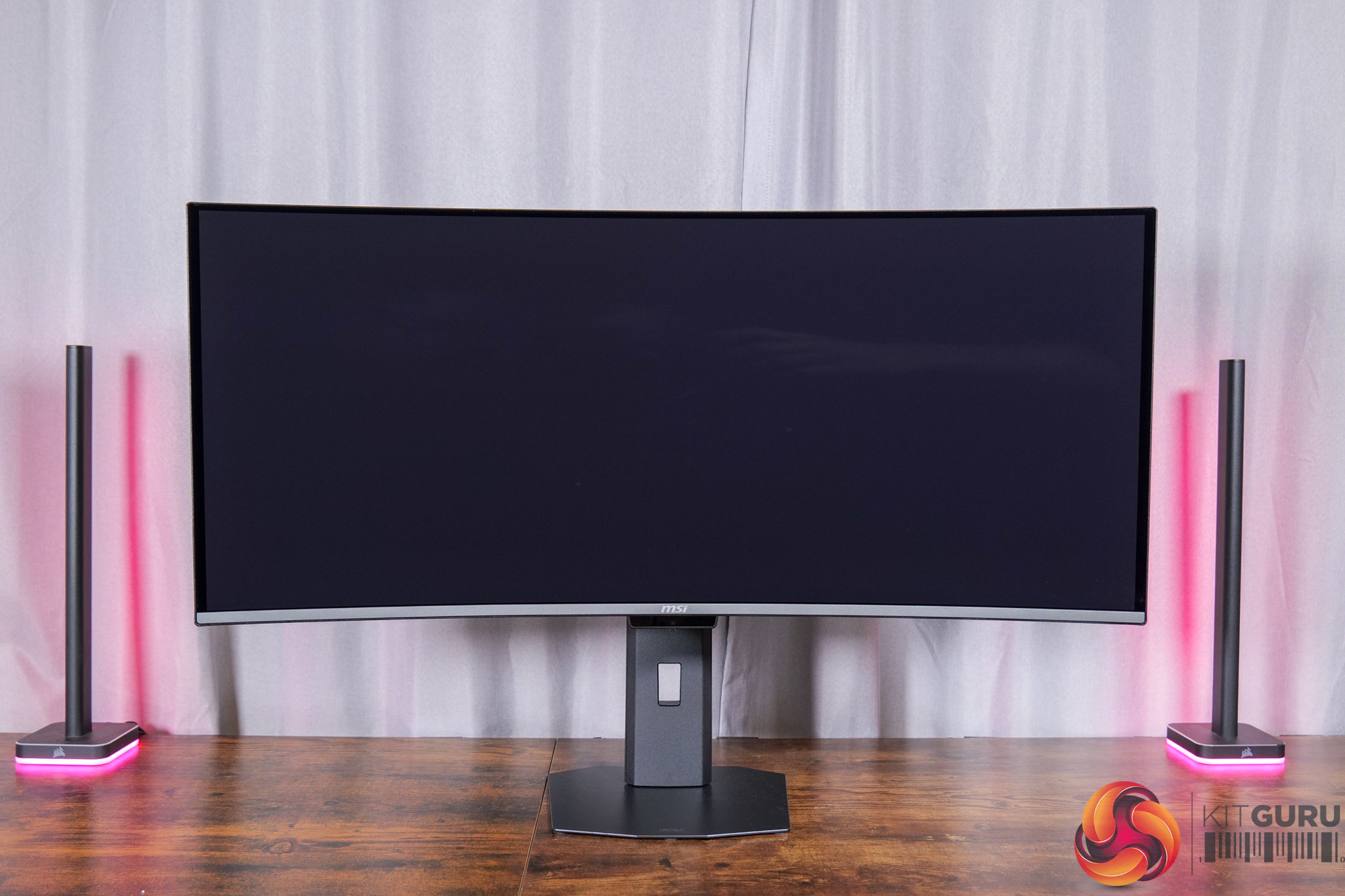
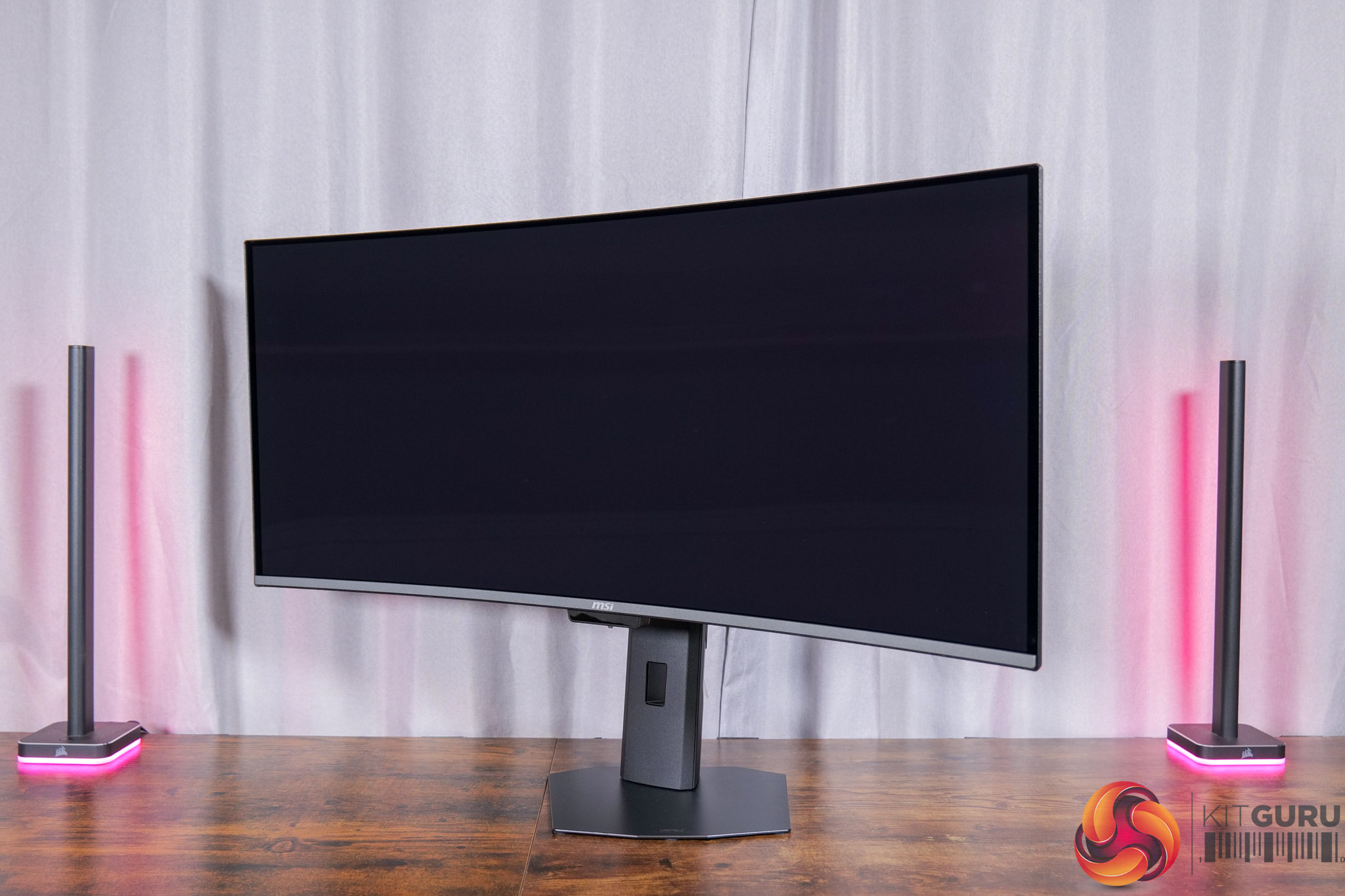
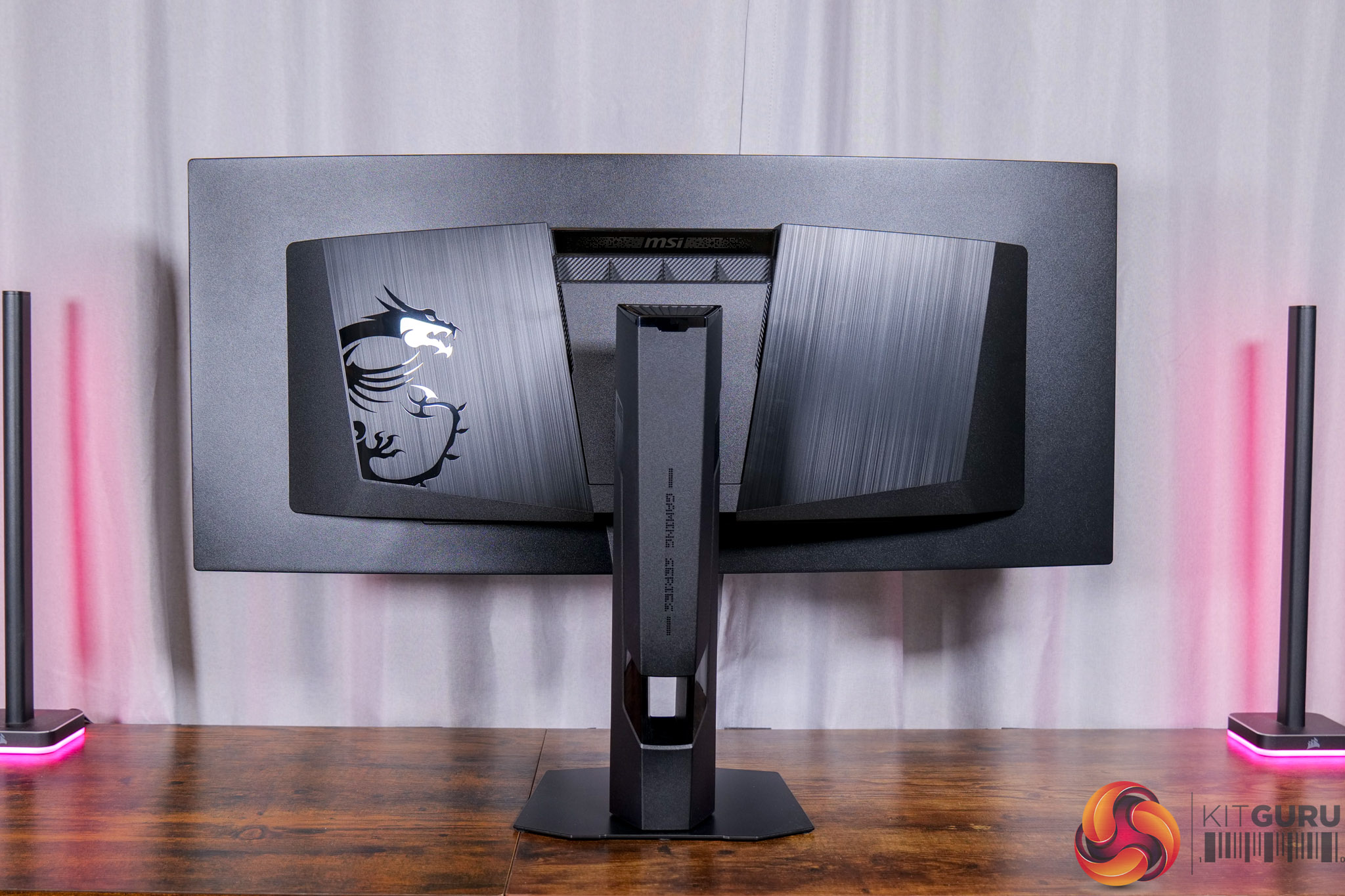
Best Ultrawide OLED – MSI MPG 341CQR X36
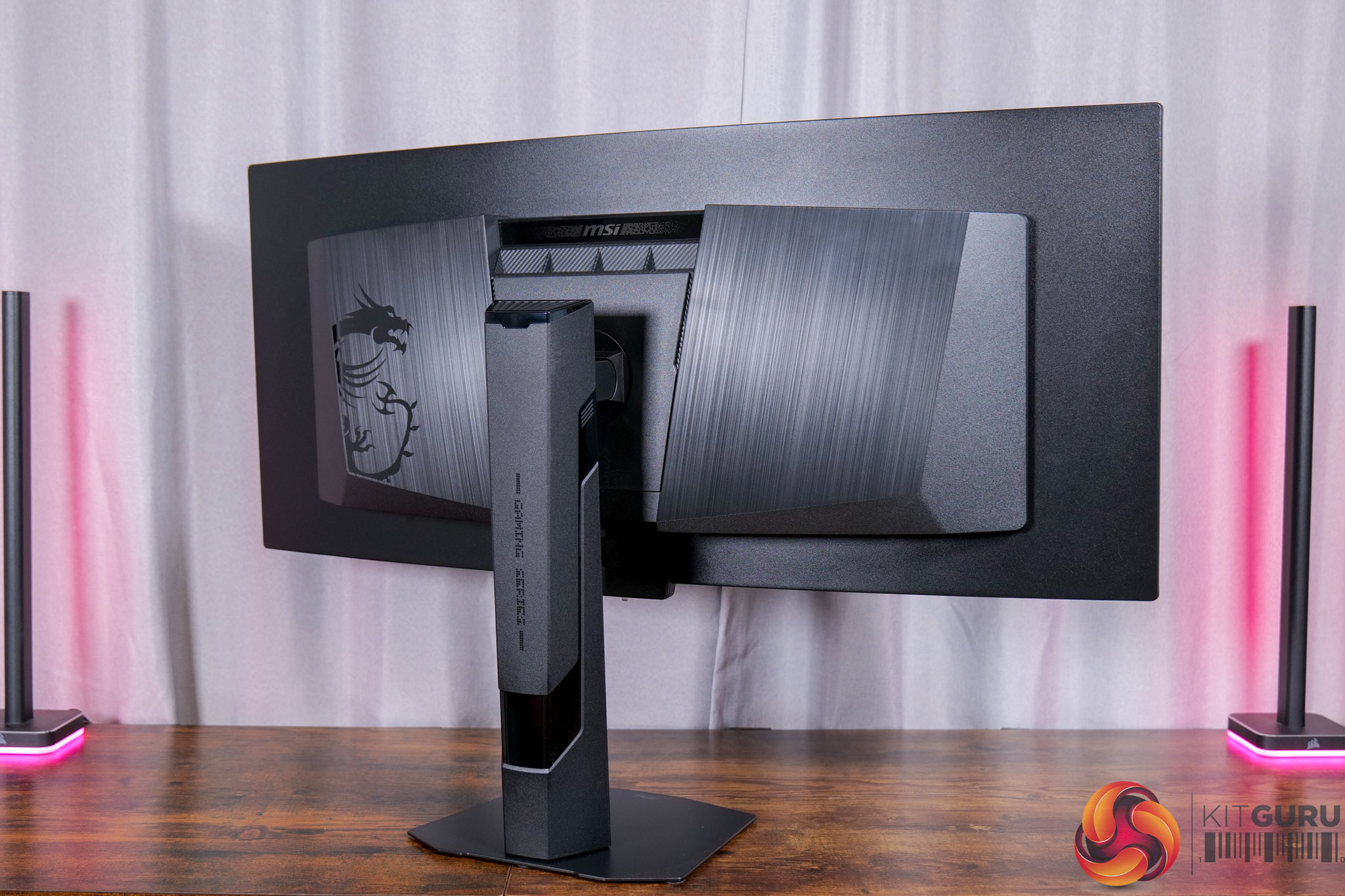
Specification:
- Model: MPG 341CQR QD-OLED X36
- Panel size: 34″ QD-OLED
- Aspect ratio: 21:9
- Panel resolution: 3440 x 1440 (UWQHD)
- Pixel pitch (H x V): 0.2315 (H) x 0.2315 (V)
- Refresh rate: 360Hz
- Response time: 0.03ms (GtG)
- Viewing angle: 178° (H) / 178° (V)
- Brightness: SDR: 300 nits; HDR: 1300 nits
- Contrast ratio: 1,500,000:1
- DisplayPort: 1x DisplayPort 2.1a (UHBR13.5) (UWQHD@360Hz)
- HDMI: 2x HDMI™ 2.1 (48Gbps) (UWQHD@360Hz)
- USB Type-C: 1x Type-C (DP Alt Mode) with 98W Power Delivery
- USB Type-A: 2x USB 5Gbps Type-A
- USB Type-B: 1x USB 5Gbps Type-B
- ETD: 12/B-12/M
- MSRP: £999/$1,099
MSI kicked the year off with a bang thanks to the launch of its MPG 341CQR X36. This monitor is built on a 5th Gen QD-OLED panel from Samsung, unlocking a wide array of benefits compared to previous QD-OLED ultrawides. There's a new RGB stripe sub-pixel layout for one, eliminating any fringing around text. Brightness has also increased, given we measured up to 321 nits in SDR usage, but over 1300 nits in HDR. On top of that (literally, in this case!), there's a new panel coating which helps to improve perceived black depth in brighter environments, while also removing that magenta tint that could be visible on older QD-OLEDs.
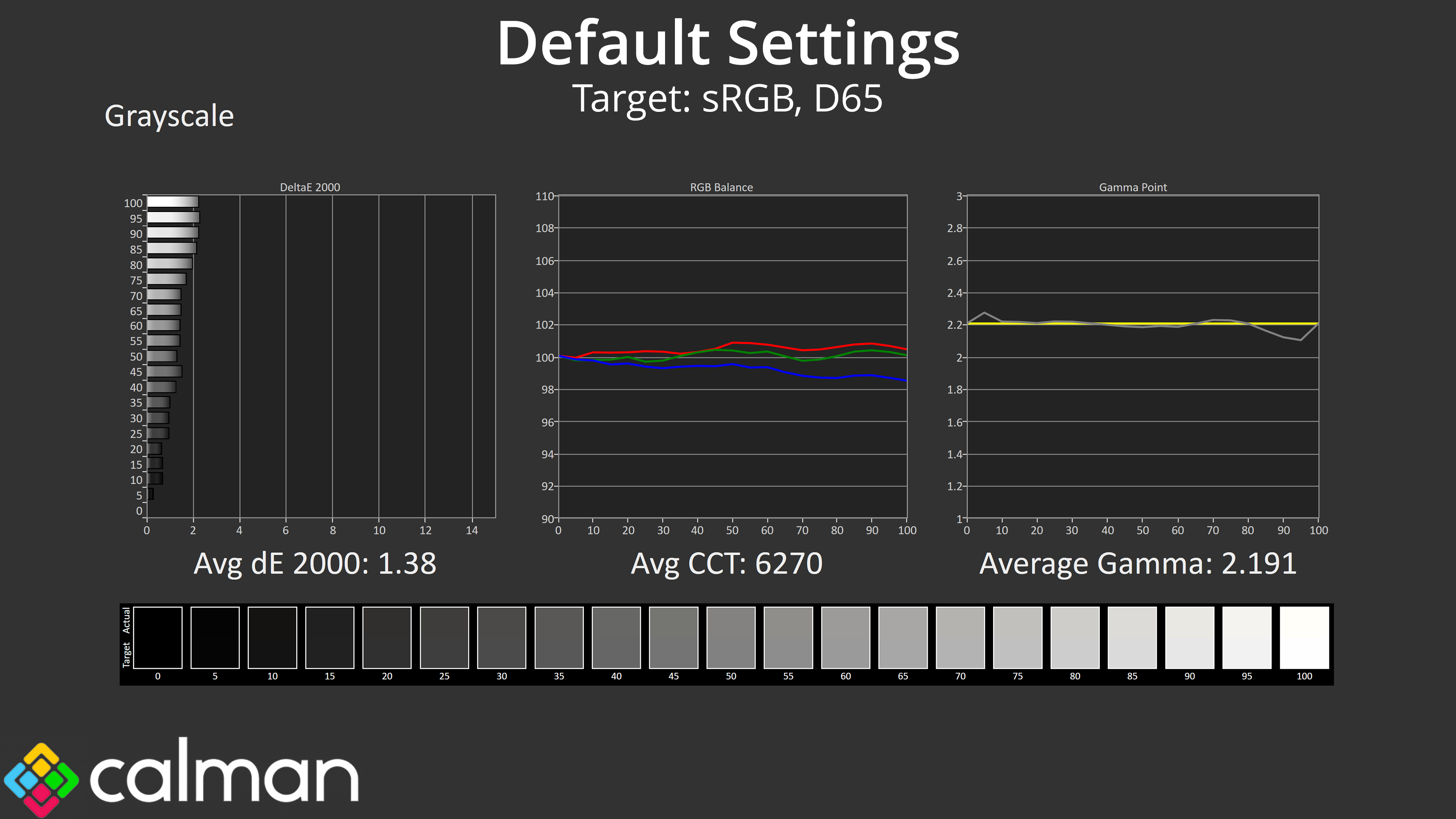
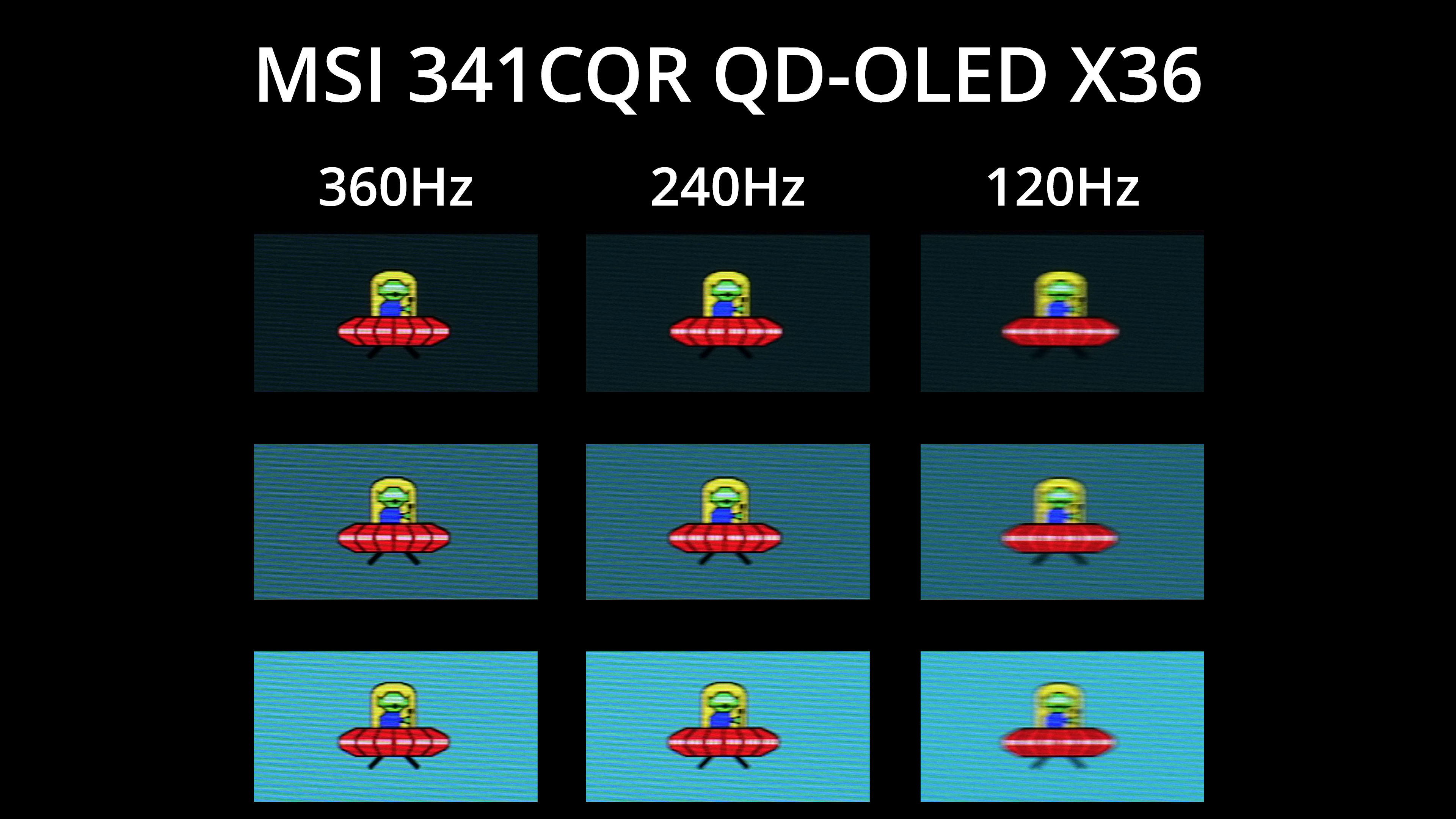
MSI also nailed the factory calibration with excellent colour balance and gamma tracking, while this is the fastest ultrawide OLED monitor we have tested, given it now clocks in with a 360Hz refresh rate – and of course that means motion clarity is a real step up compared to older, 240Hz models.
Full review: HERE.
Current Price: £899 from Scan.
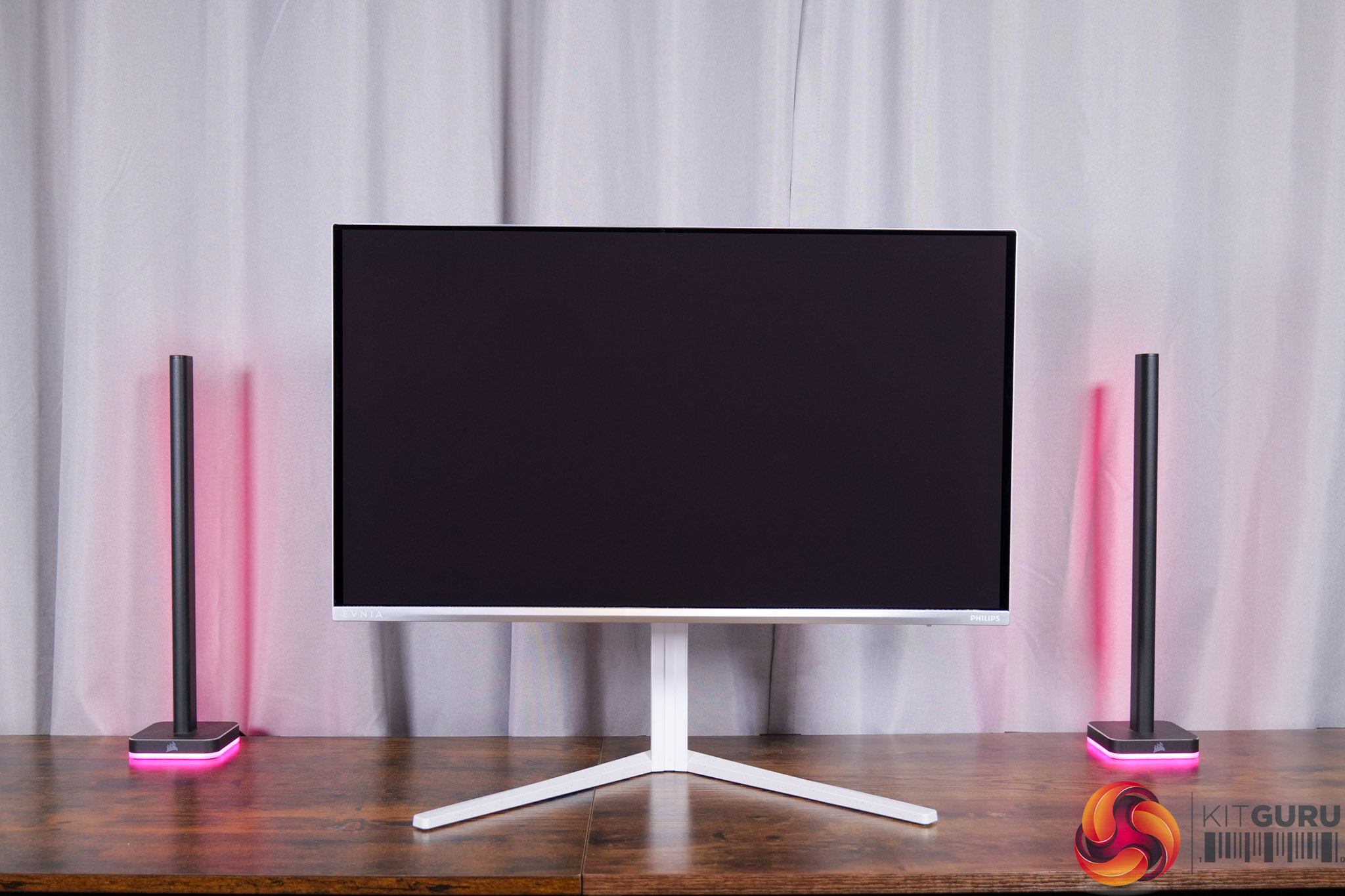
Best Budget OLED – Philips Evnia 27M2N6501L
Specification:
- Panel size: 26.5″ / 67.3 cm
- Aspect ratio: 16:9
- Monitor panel type: QD OLED
- Pixel pitch: 0.2292 x 0.2292 mm
- Brightness: SDR: 200 nits (APL 100%), HDR: 400 nits (APL 10%)
- Display colours: 1.07B (10 bits)
- Colour gamut (typical): Adobe RGB 98%; DCI-P3 99%; sRGB 147.5%; NTSC 120%*
- Contrast ratio (typical): 1.5M:1
- Response time (typical): 0.03 ms (Grey to Grey)*
- Viewing angle: 178º (H) / 178º (V) @ C/R > 10000
- Picture enhancement: SmartImage game
- Maximum resolution: 2560 x 1440 @ 240 Hz (DP / HDMI)
- Effective viewing area: 590.42 (H) x 333.72 (V) mm
- Scanning frequency: 30k–390 kHz (H) / 48–240 Hz (V)
- sRGB: Yes
- Delta E: < 2 (sRGB)
- Flicker-free: Yes
- Pixel density: 111 PPI
- Display screen coating: Anti-reflection, 2H
- G-SYNC: Yes
- HDR: HDR10
- Pixel format: RGB Q-Stripe*
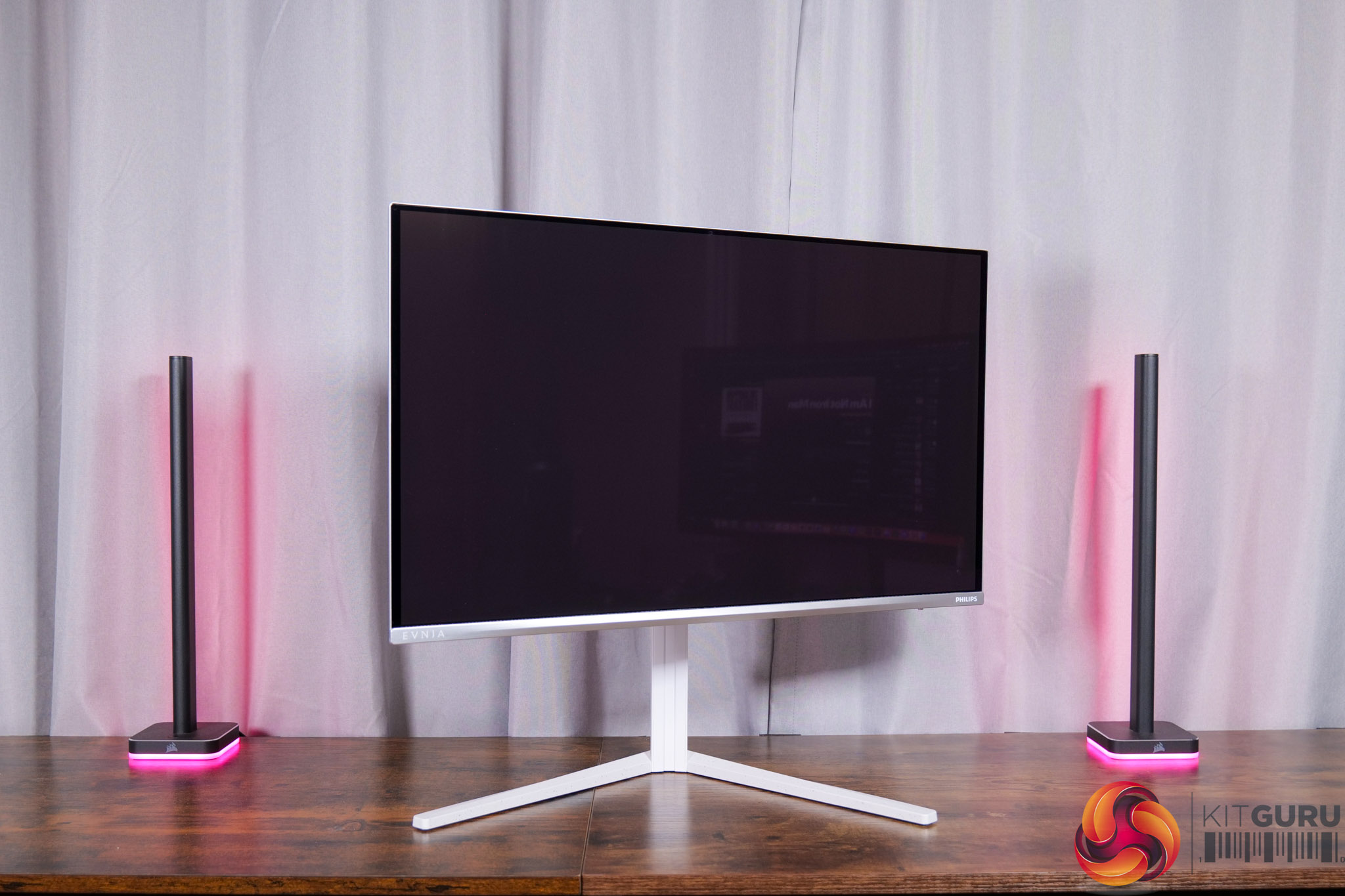
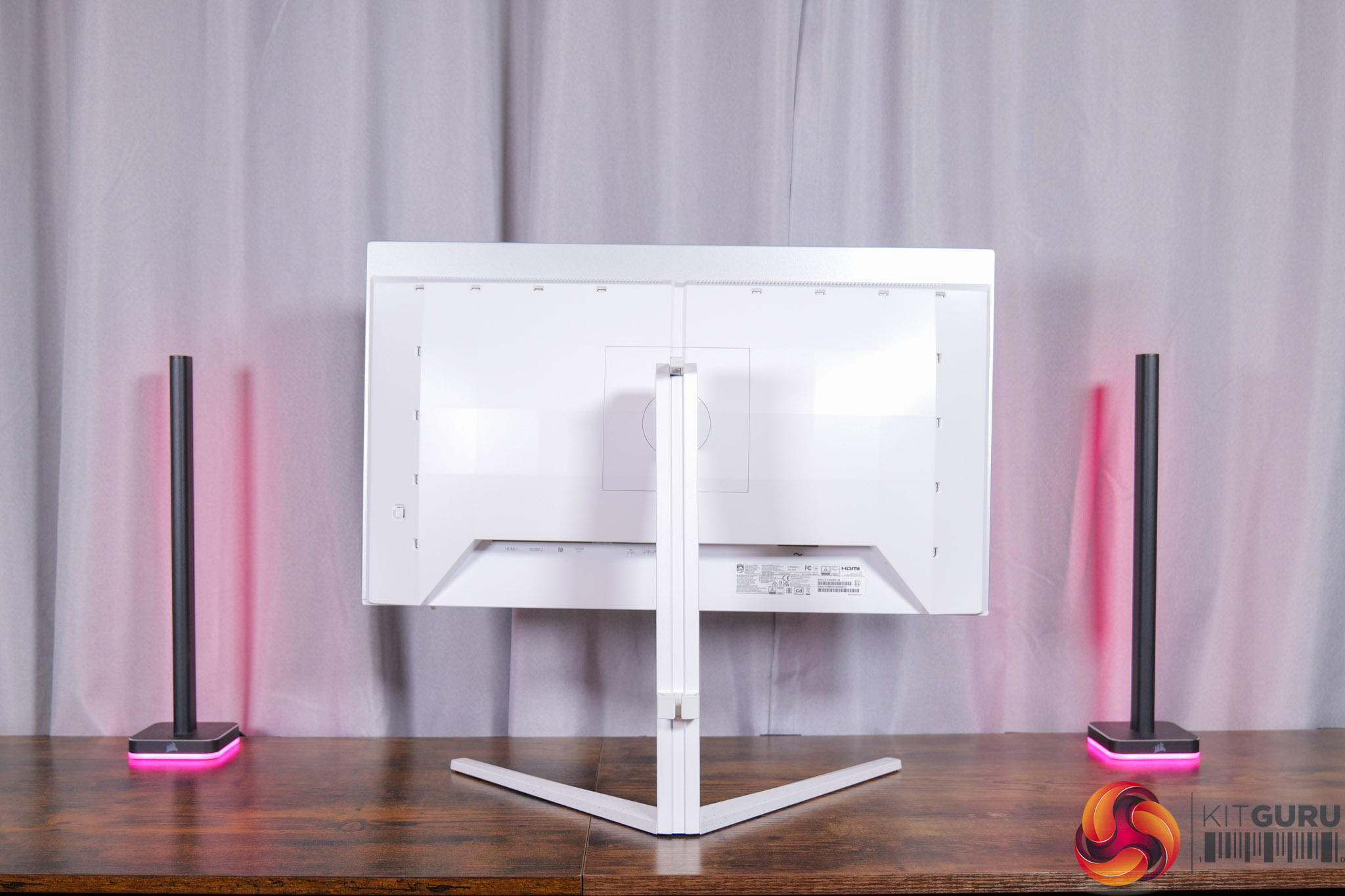
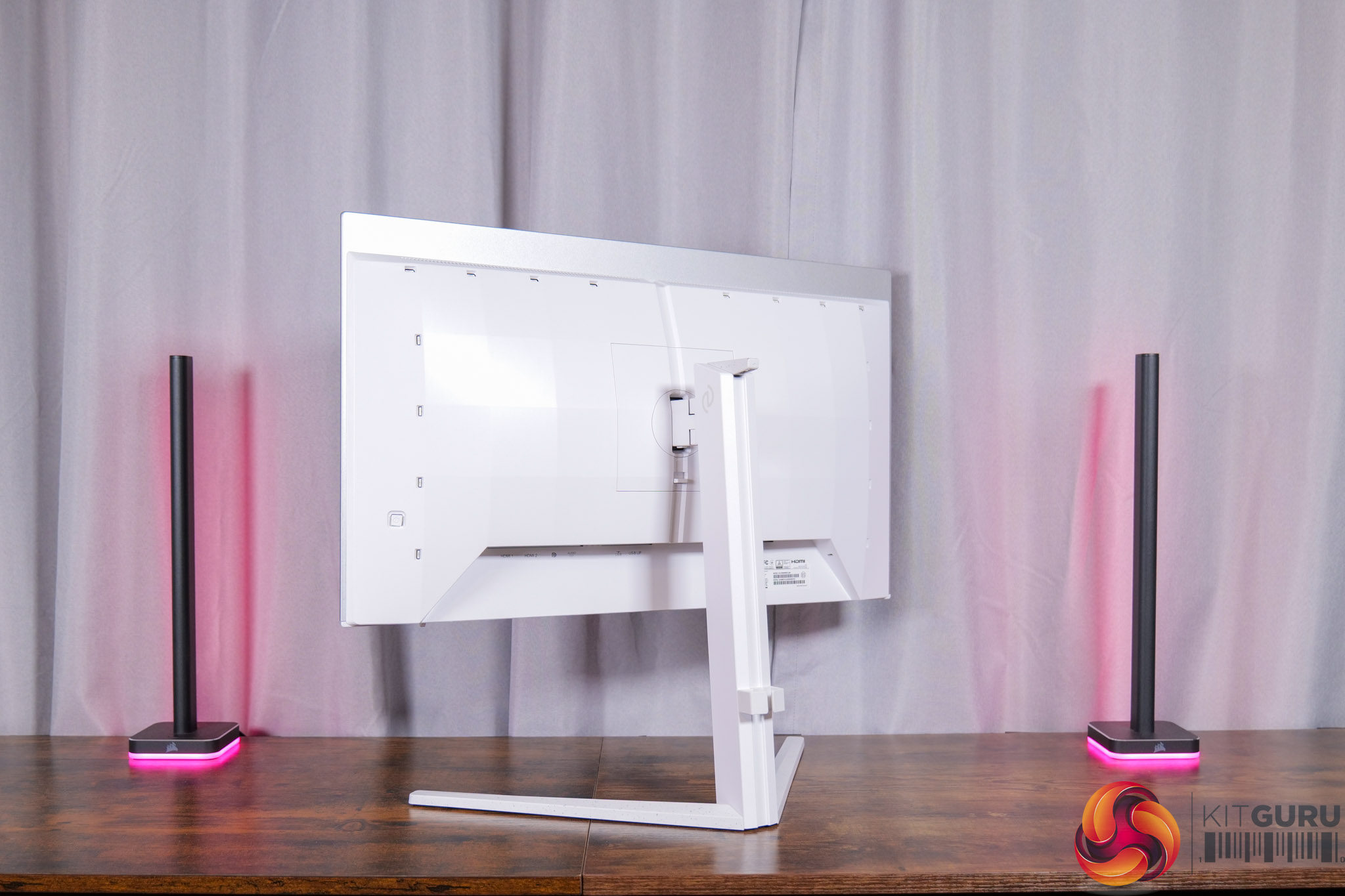
When we first reviewed the Philips Evnia 27M2N6501L, we thought it was a very intriguing monitor, promising a low price but most of what makes an OLED such an attractive proposition. It's only got better in recent months, however, as the price has continued to fall and it's now on sale for just £320. For that money you get a 1440p/240Hz QD-OLED panel, promising all the usual OLED benefits – infinite contrast, excellent motion clarity, zero ghosting – without paying through the teeth for a more expensive option.
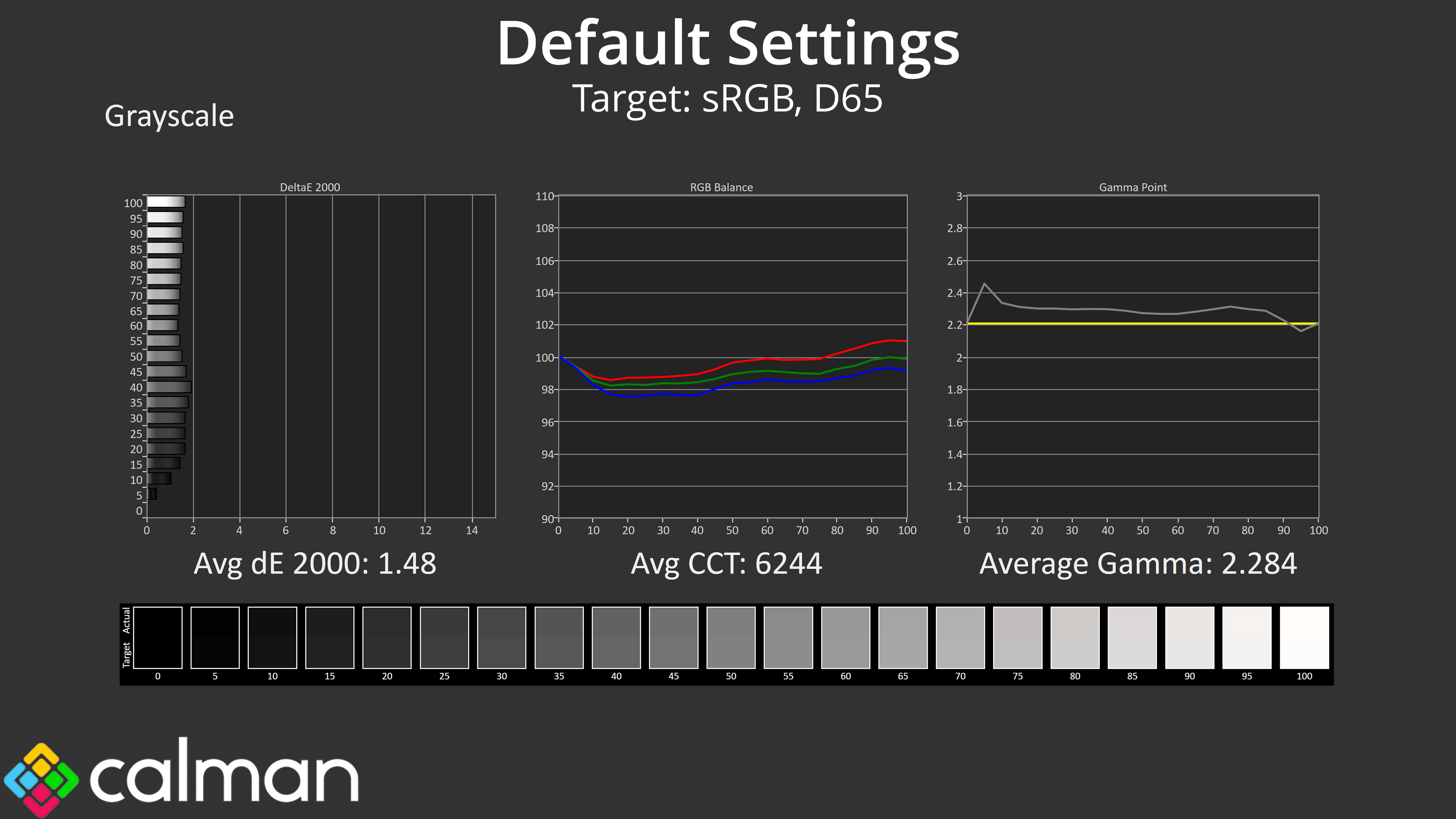
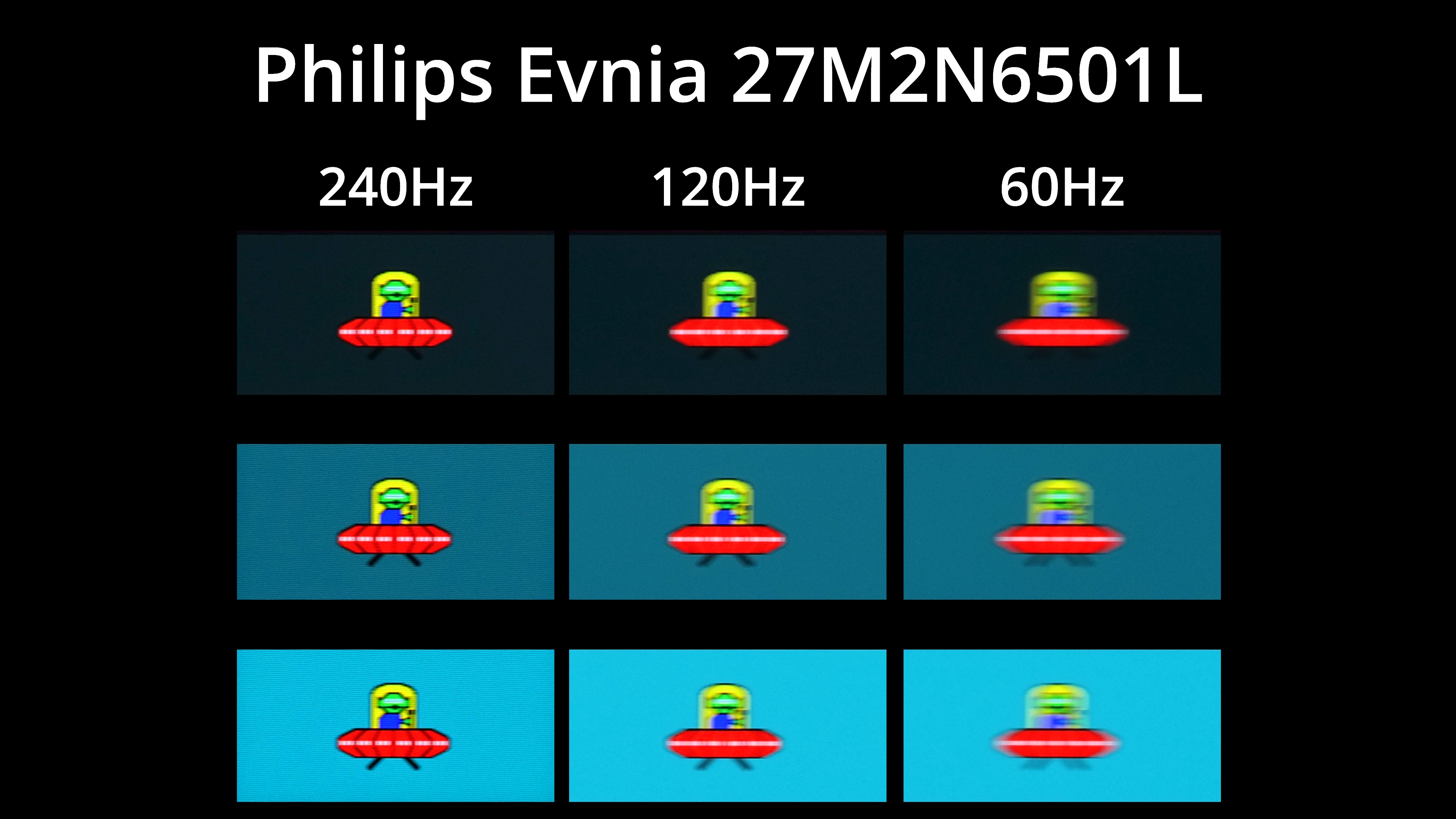
It comes pretty well tuned from the factory, too, and gaming performance is as good as we'd expect considering the specs.
Of course, however, there are compromises and the main one is brightness. We measured a peak of just 201 nits in SDR, while HDR tops out at 412 nits – so you don't get quite the same eye-popping experience as you would from other models which can hit 1000+ nits. It's also limited in terms of connectivity, with just 1x DisplayPort 1.4 and HDMI 2.0, rather than HDMI 2.1. But if you can look past those negative points, it's still the most affordable OLED monitor we've ever seen, making it worthy of a place on this shortlist.
Full review: HERE.
Current Price: £320 from OCUK.
Best 4K OLED – MSI MPG 322UR X24
Specification:
- Screen size: 31.5″ (80.01 cm)
- Active display area: 699.48 (H) x 394.73 (V) mm
- Curvature: Flat
- Panel type: QD-OLED
- Resolution: 3840 x 2160 (UHD)
- Pixel pitch: 0.1814 (H) x 0.1814 (V) mm
- Aspect ratio: 16:9
- Adaptive sync: NVIDIA G-SYNC Compatible / AMD FreeSync™ Premium Pro
- VRR range: 48–240Hz
- HDR: VESA DisplayHDR True Black 500
- Brightness: SDR 300 nits; HDR peak 1000 nits
- Contrast ratio: 1,500,000:1
- Signal frequency: 560.6–562.6 kHz (H) / 48–240 Hz (V)
- Refresh rate: 240Hz
- Response time: 0.03ms (GtG)
- Viewing angles: 178° (H) / 178° (V)
- Surface treatment: Anti-Reflection
- Display colours: 1.07B (10-bit)
- USB Type-C (DP Alt): 1x
- Headphone out: 1x
- USB Type-A: 2x USB 3.2 Gen1
- USB Type-B: 1x USB 3.2 Gen1
- Lock type: Kensington Lock
- HDMI: 2x HDMI 2.1 (HDCP 2.3)
- DisplayPort: 1x DisplayPort 2.1a (UHBR20, HDCP 2.3)
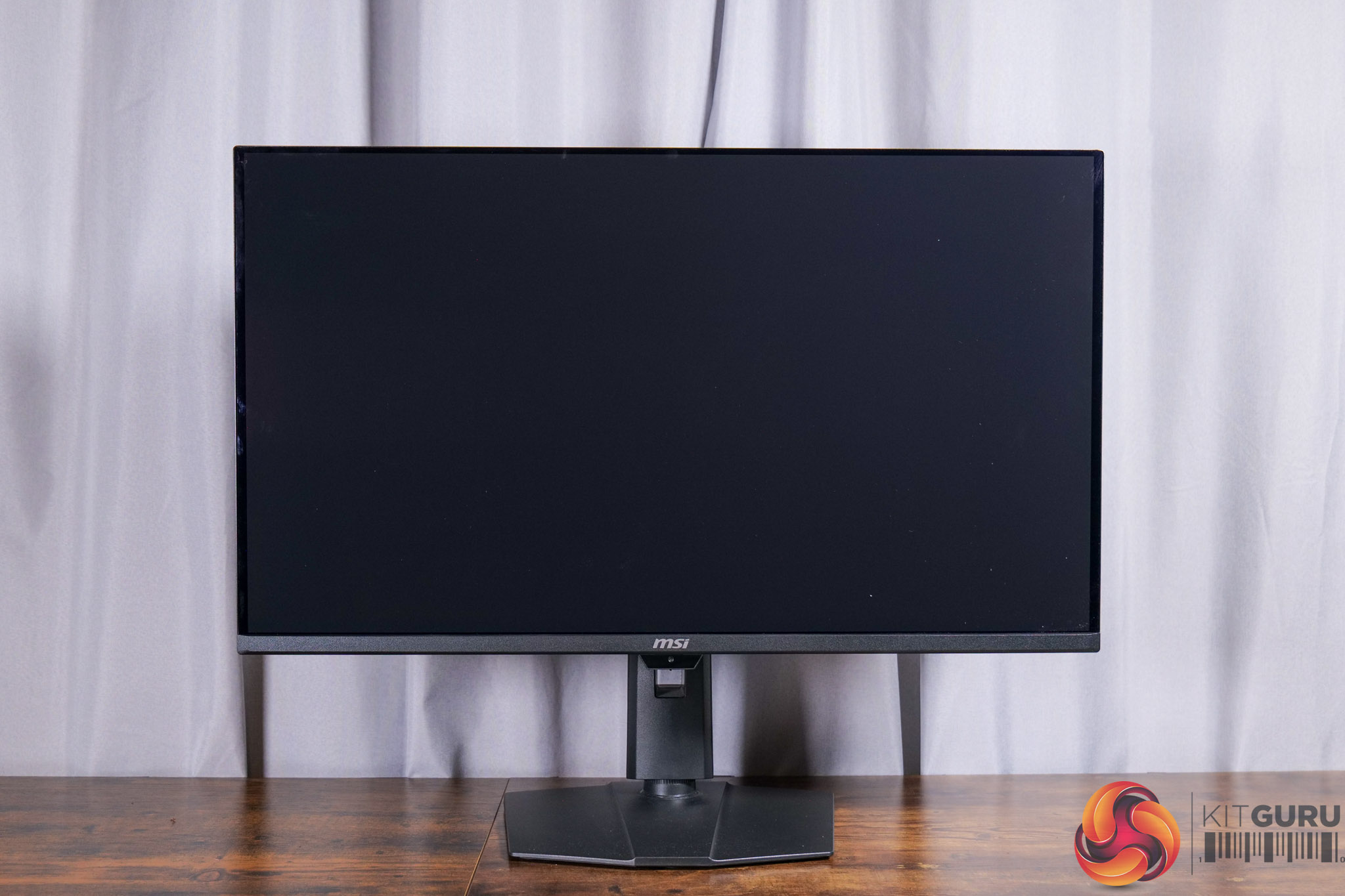
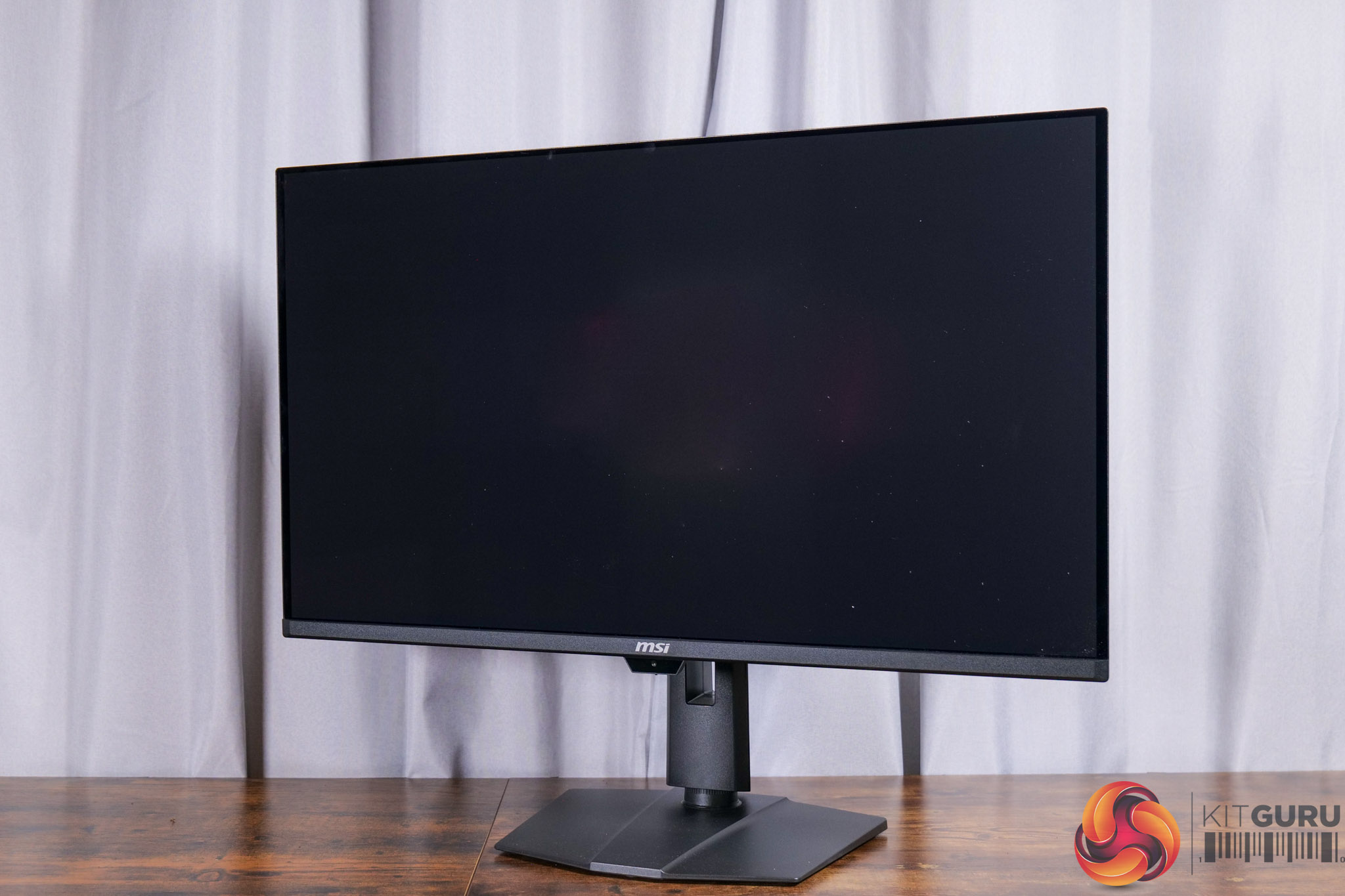
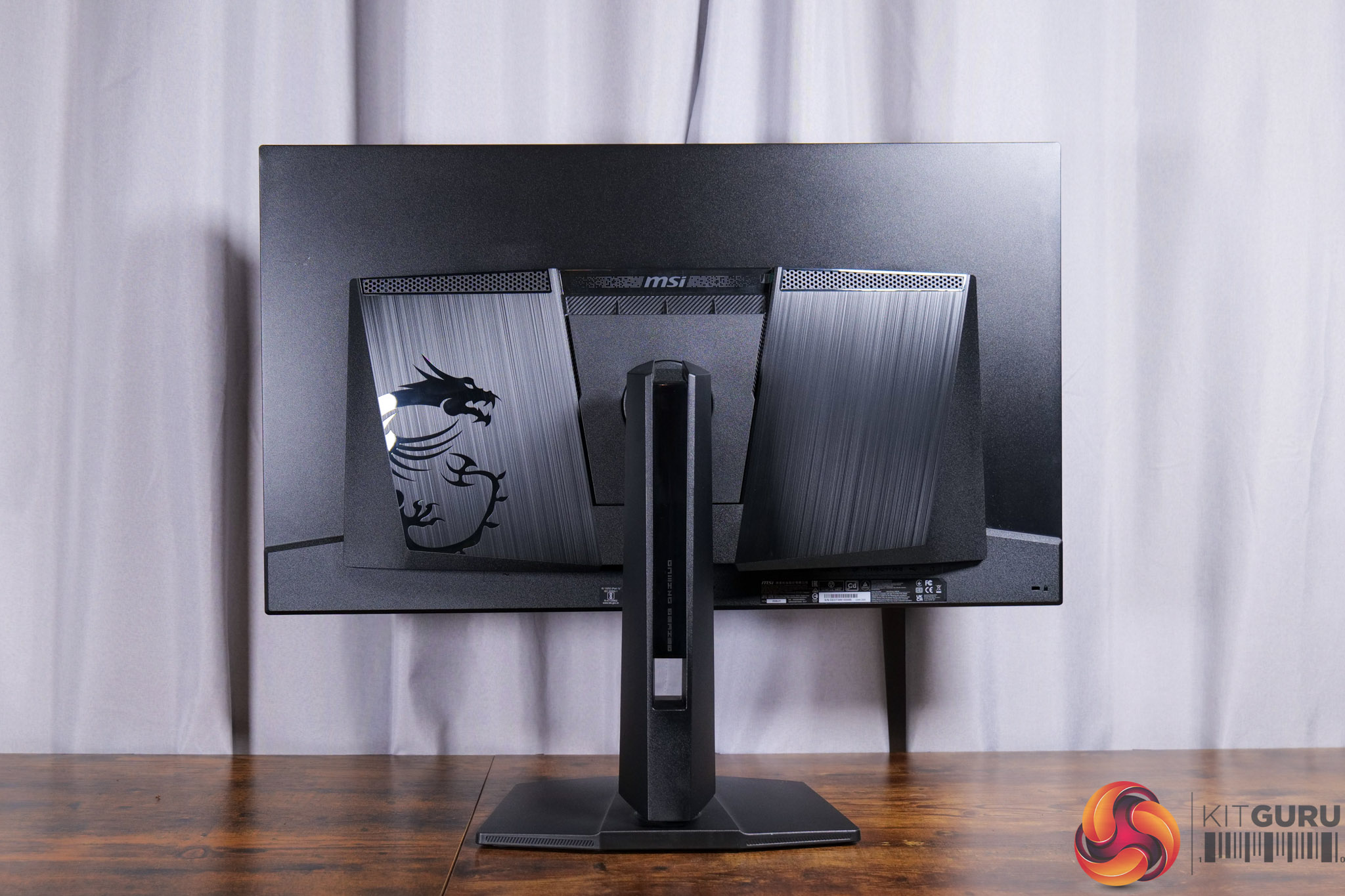
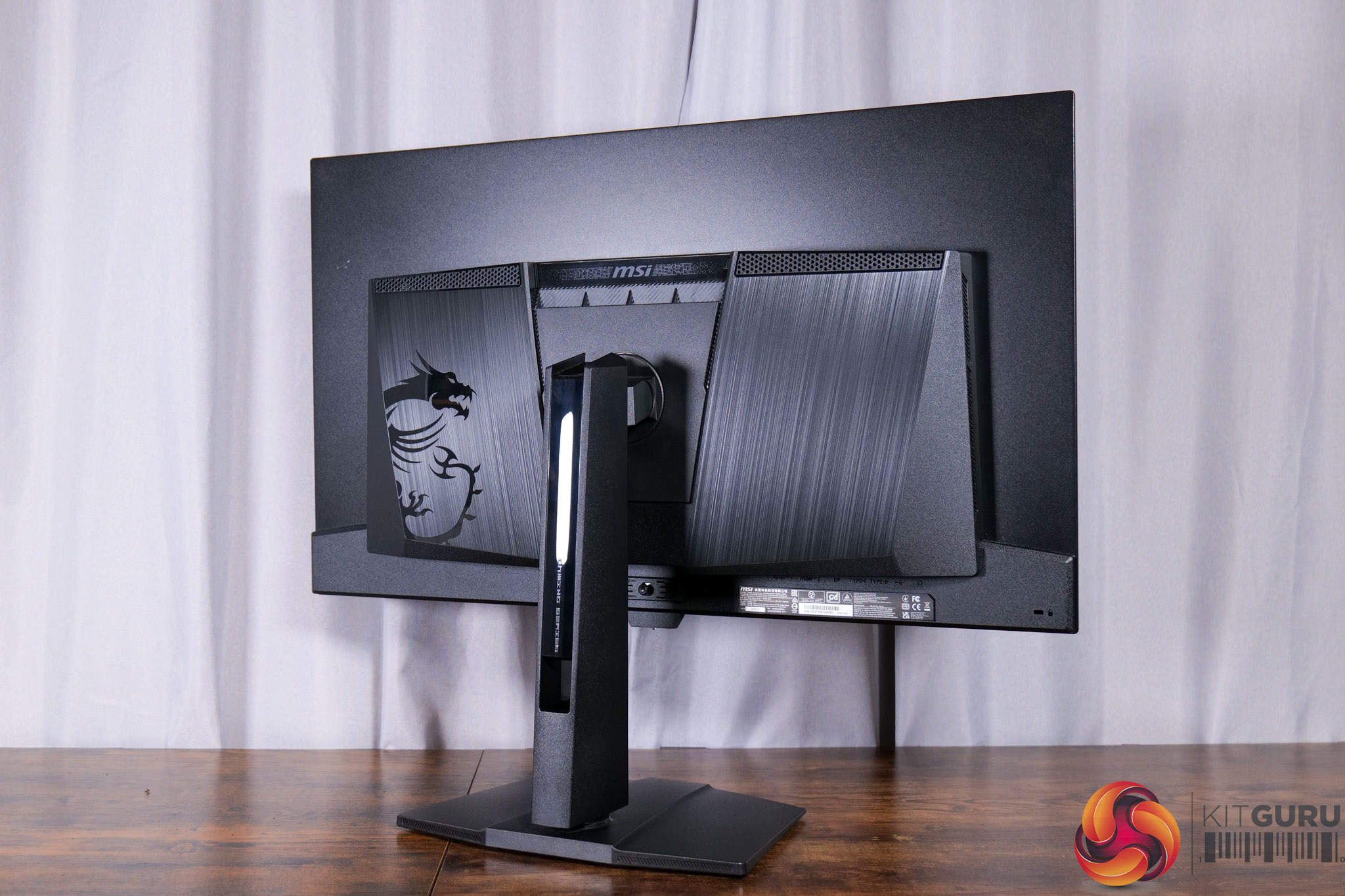
MSI's MPG 322UR X24 is the newest model to make the list, launching only in the last couple of months. It's also based on Samsung Display's newest 4K QD-OLED panel, this time based on 4th Gen Penta Tandem technology, and that brings with it the same DarkArmor Film coating and improvements to brightness that we saw from the MPG 341CQR X36 earlier in the year.
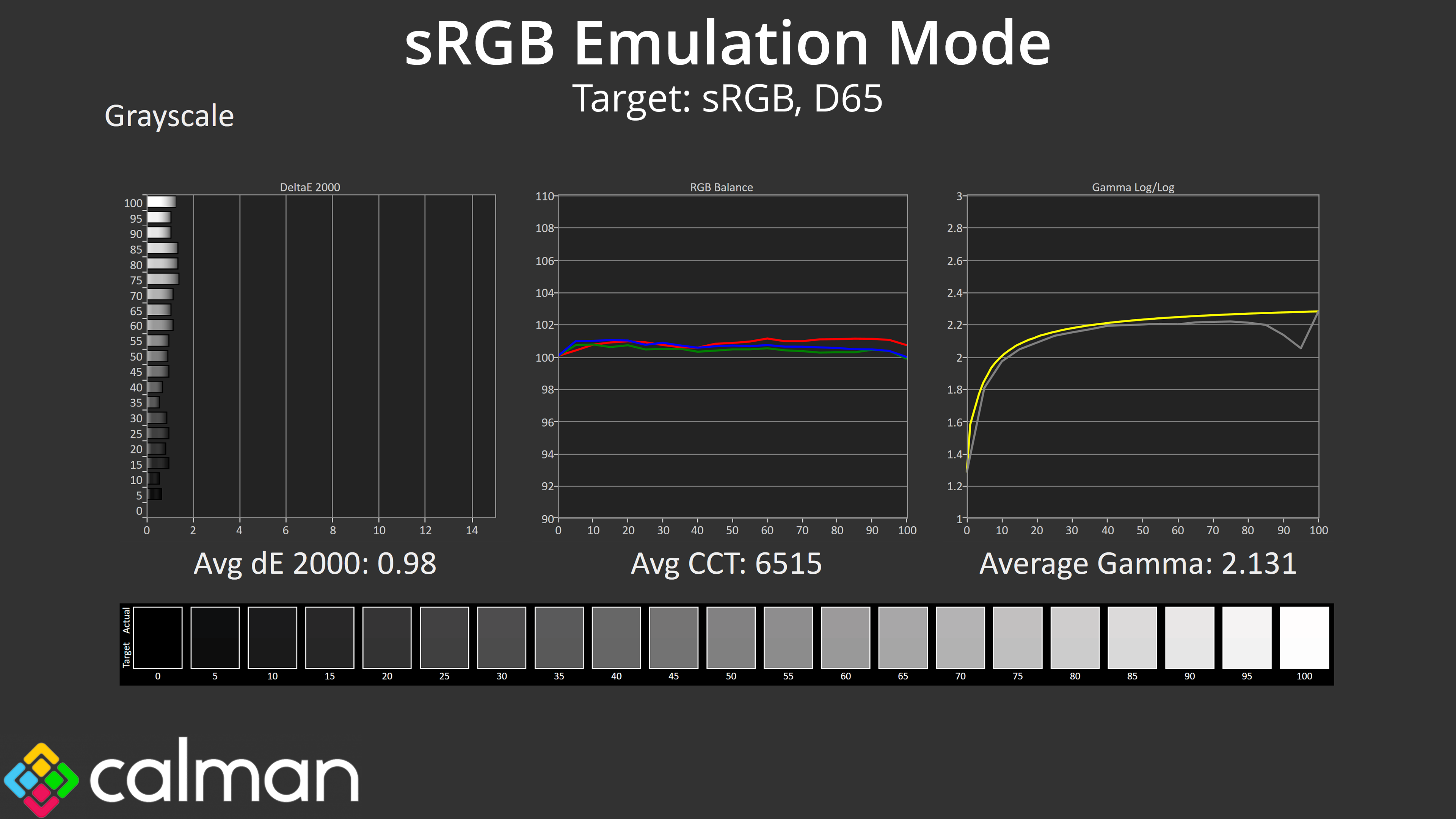
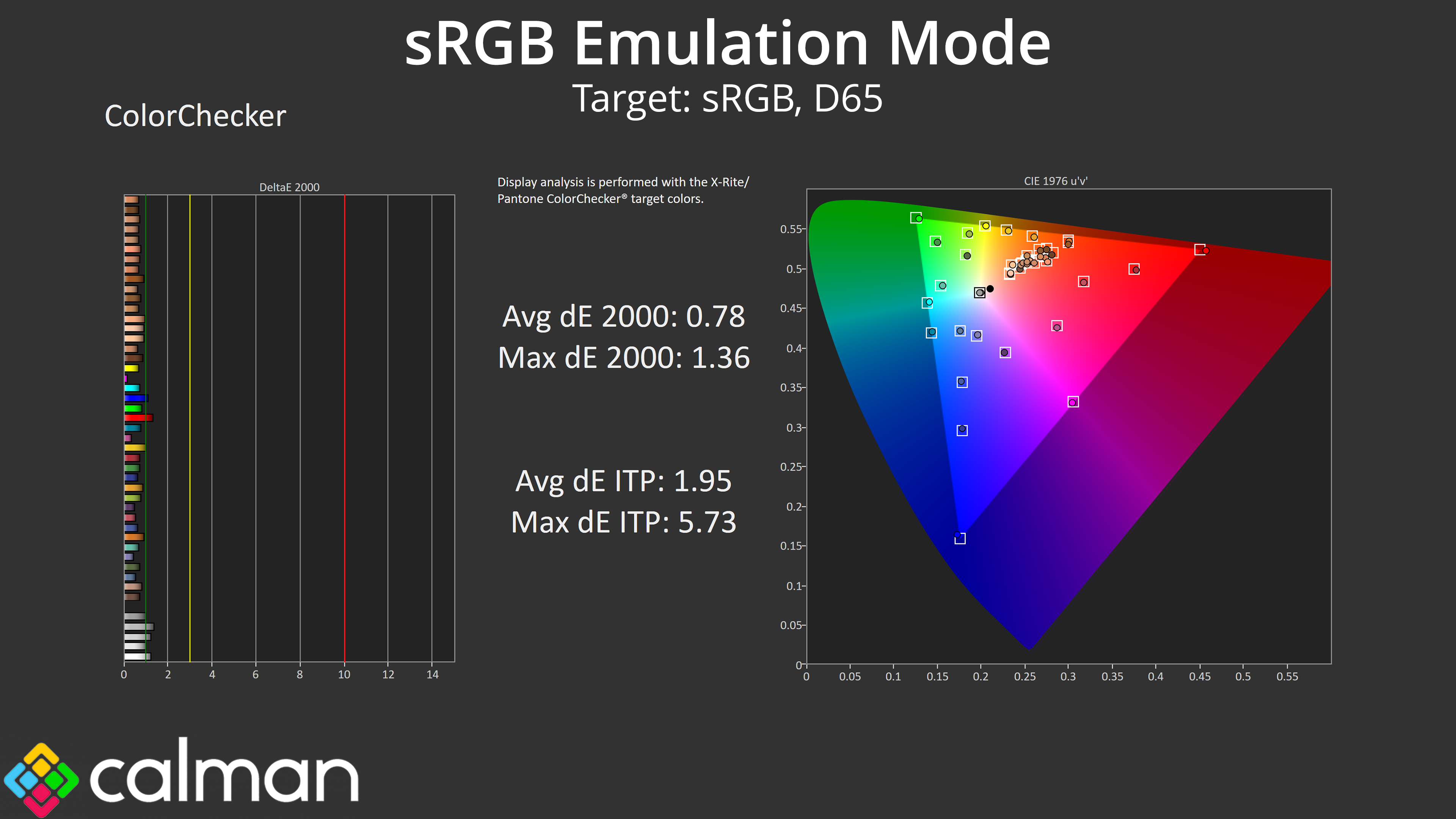
It's otherwise a very feature-rich screen, with plenty of updated OLED Care options, a revamped OSD design and all the modern connectivity options you would expect to see. MSI has also done a superb job with the sRGB emulation mode, given we saw an average colour accuray deltaE 2000 of less than 1.
Factor in the price of £849 MSRP – though it's currently on sale for £799 – and things have come a long way since the MPG 321URX first hit the market at £1399 back in 2024. For 4K gaming experience, this is up there with the very best.
Full review: HERE.
Current Price: £799 from Scan.
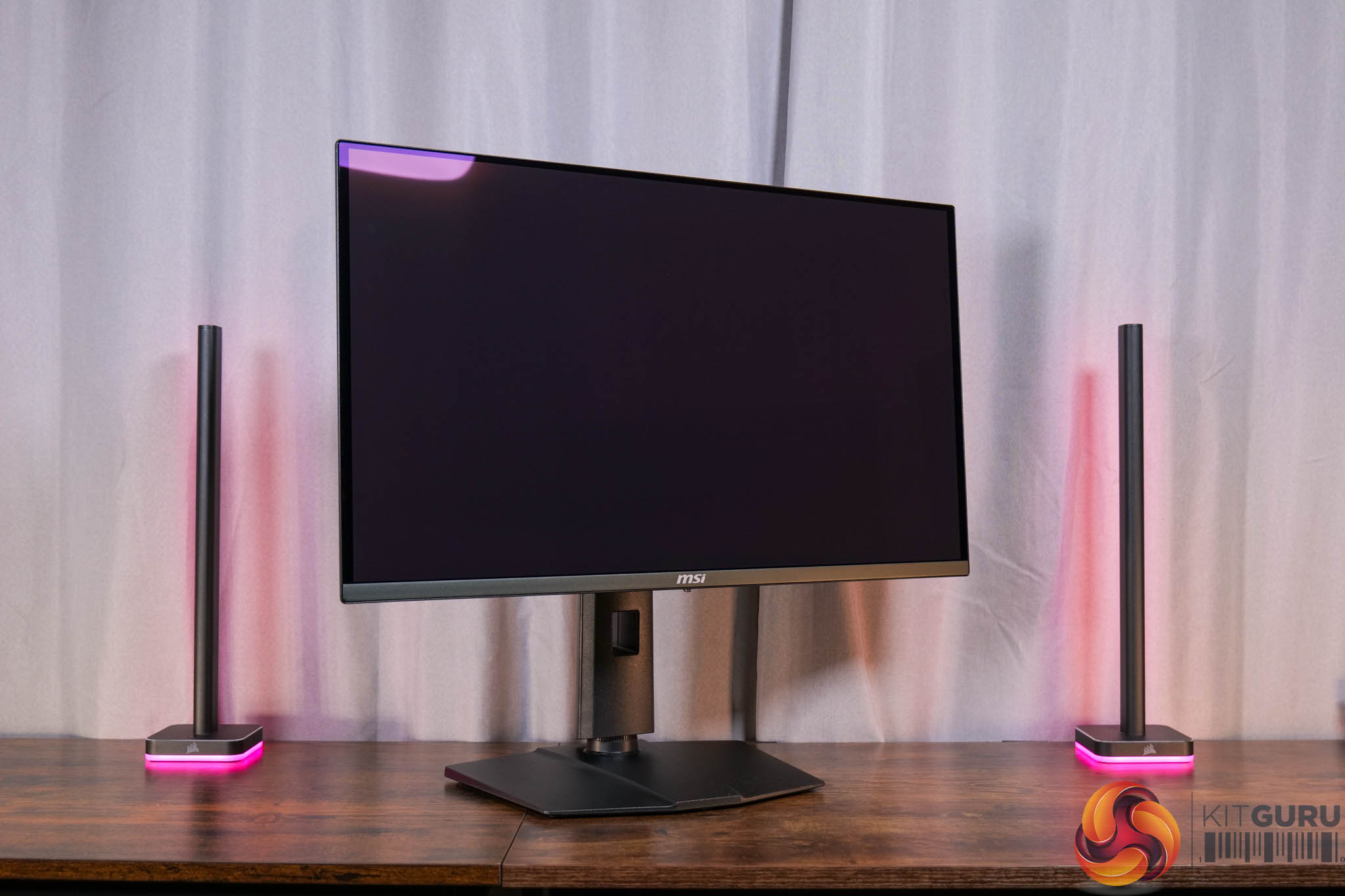
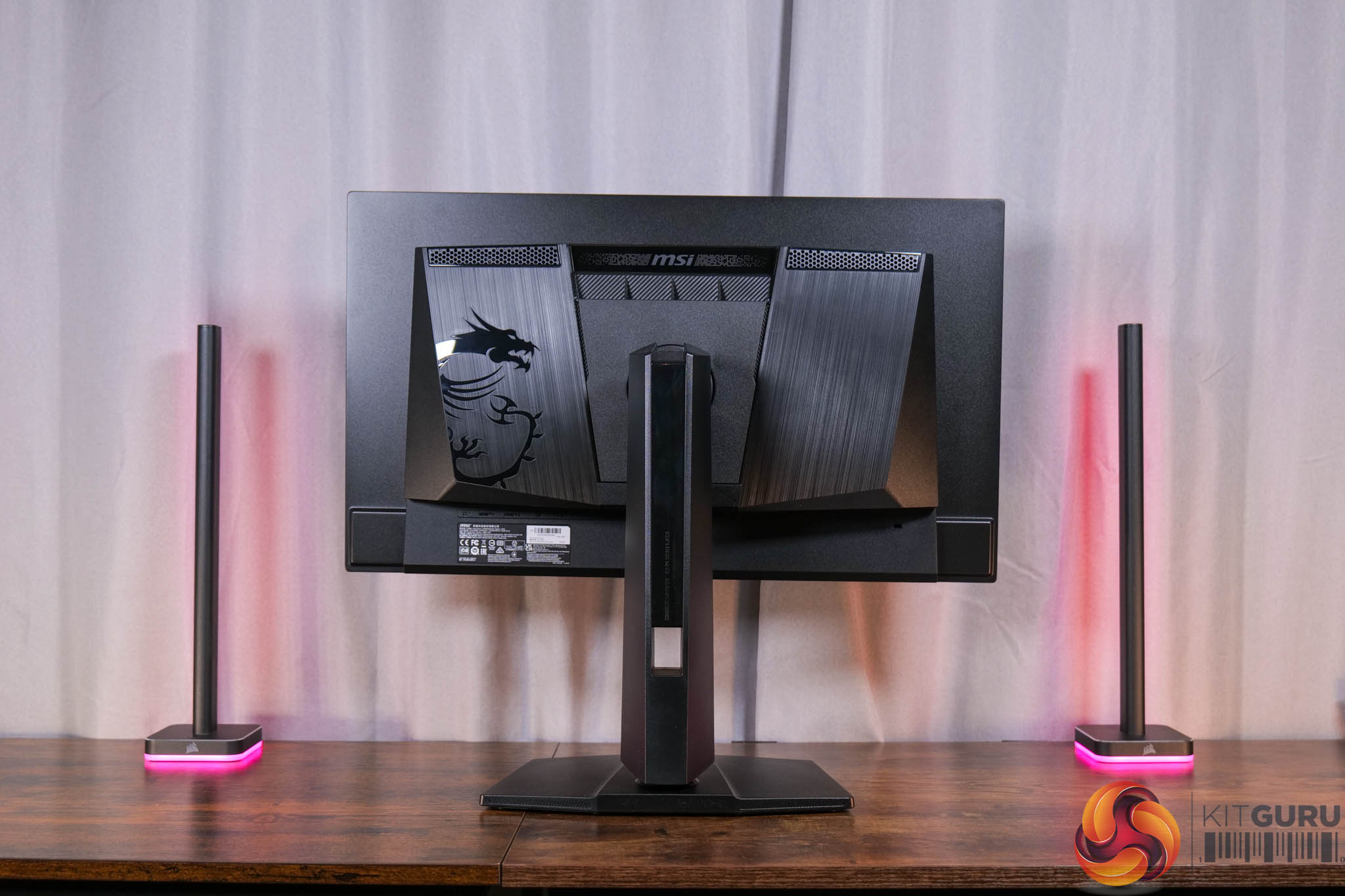
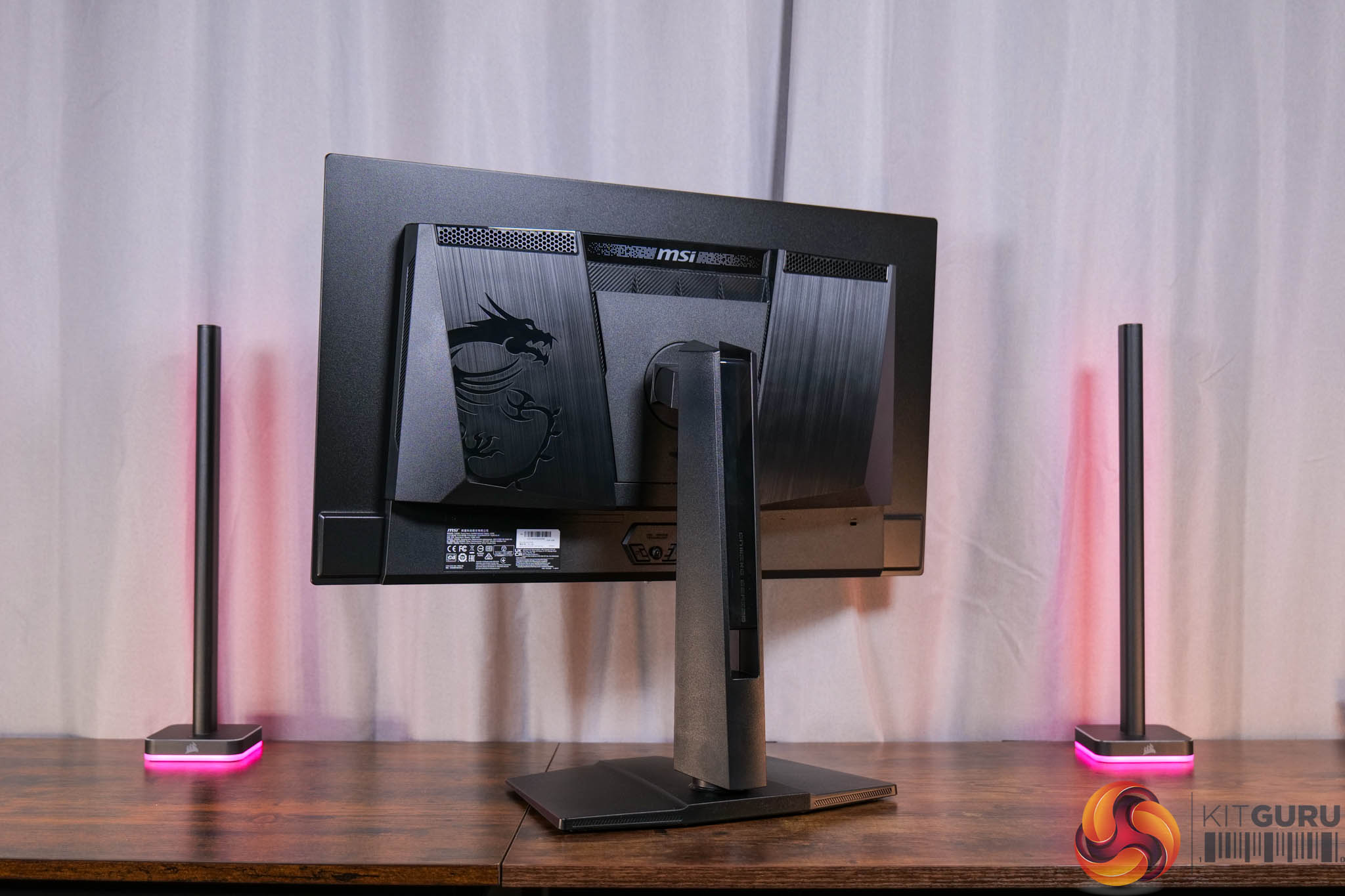
Best High Refresh Rate OLED – MSI MAG 272QP X50
Specification:
- Panel size: 26.5″
- Active display area (mm): 590.42 (H) x 333.72 (V)
- Curvature: Flat
- Panel type: QD-OLED
- Panel resolution: 2560 x 1440 (WQHD)
- Pixel pitch (H x V): 0.2292 (H) x 0.2292 (V)
- Aspect ratio: 16:9
- Brightness (nits): SDR: 300; HDR: 500 (Typ.) (True Black 500 with 10% APL); HDR: 1000 (Typ.) (Peak 1000 with 3% APL)
- Contrast ratio: 1,500,000:1 (Typ.)
- Signal frequency: 31.2~835 KHz (H) / 48~500 Hz (V)
- Activated range: 48~500 Hz
- Refresh rate: 500 Hz
- Response time: 0.03 ms (GtG)
- Dynamic refresh rate technology: AMD FreeSync™ Premium Pro
- HDR support: DisplayHDR True Black 500
- Video ports: 2x HDMI™ 2.1 (WQHD@500Hz), 1x DisplayPort 1.4a (HBR3), 1x Type-C (DP alt.) w/ 15W PD
- Audio ports: 1x Headphone-out
- Viewing angle: 178°(H) / 178°(V)
- Adobe RGB / DCI-P3 / sRGB: 98% / 99% / 138% (CIE1976 Standard)
- Surface treatment: Anti-Reflection
- Display colors: 1.07B, 10 bits
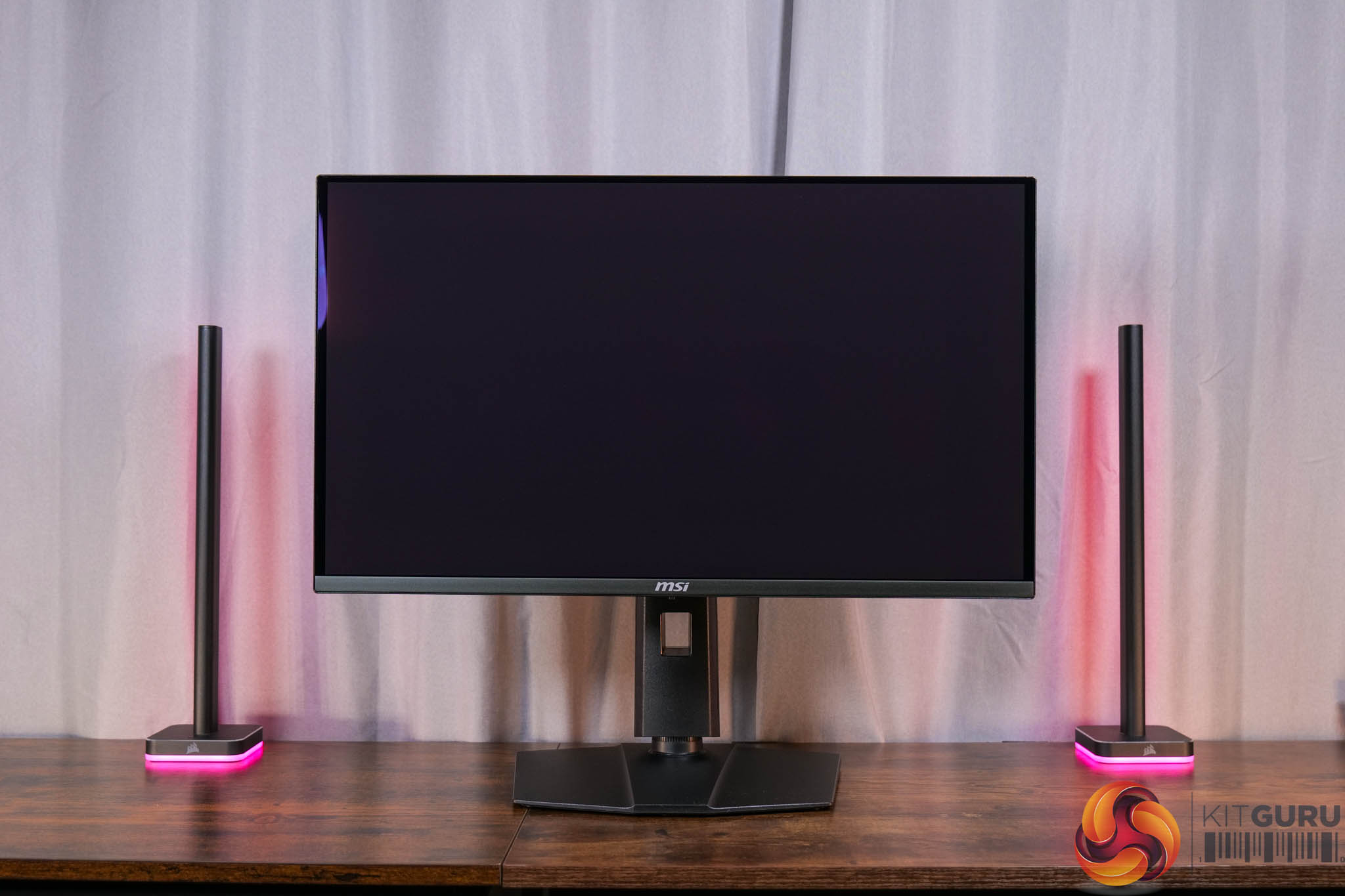
We reviewed MSI's MAG 272QP X50 towards the end of 2025 and it still maintains its key selling point today – that being its 500Hz refresh rate. It does have other selling points, such as enhanced brightness by 3rd Gen QD-OLED standards, while its factory calibration and sRGB emulation mode are also very solid.
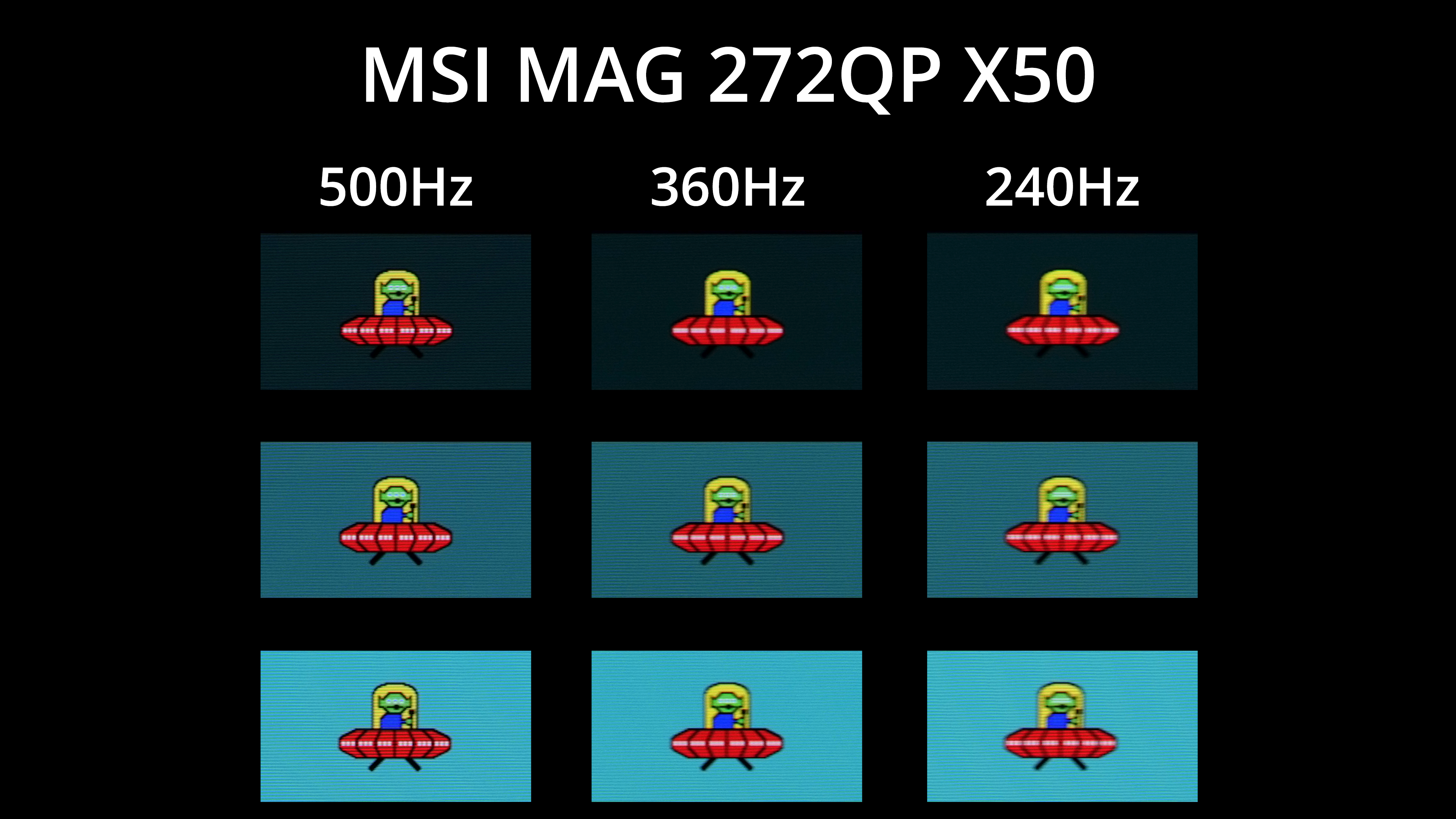
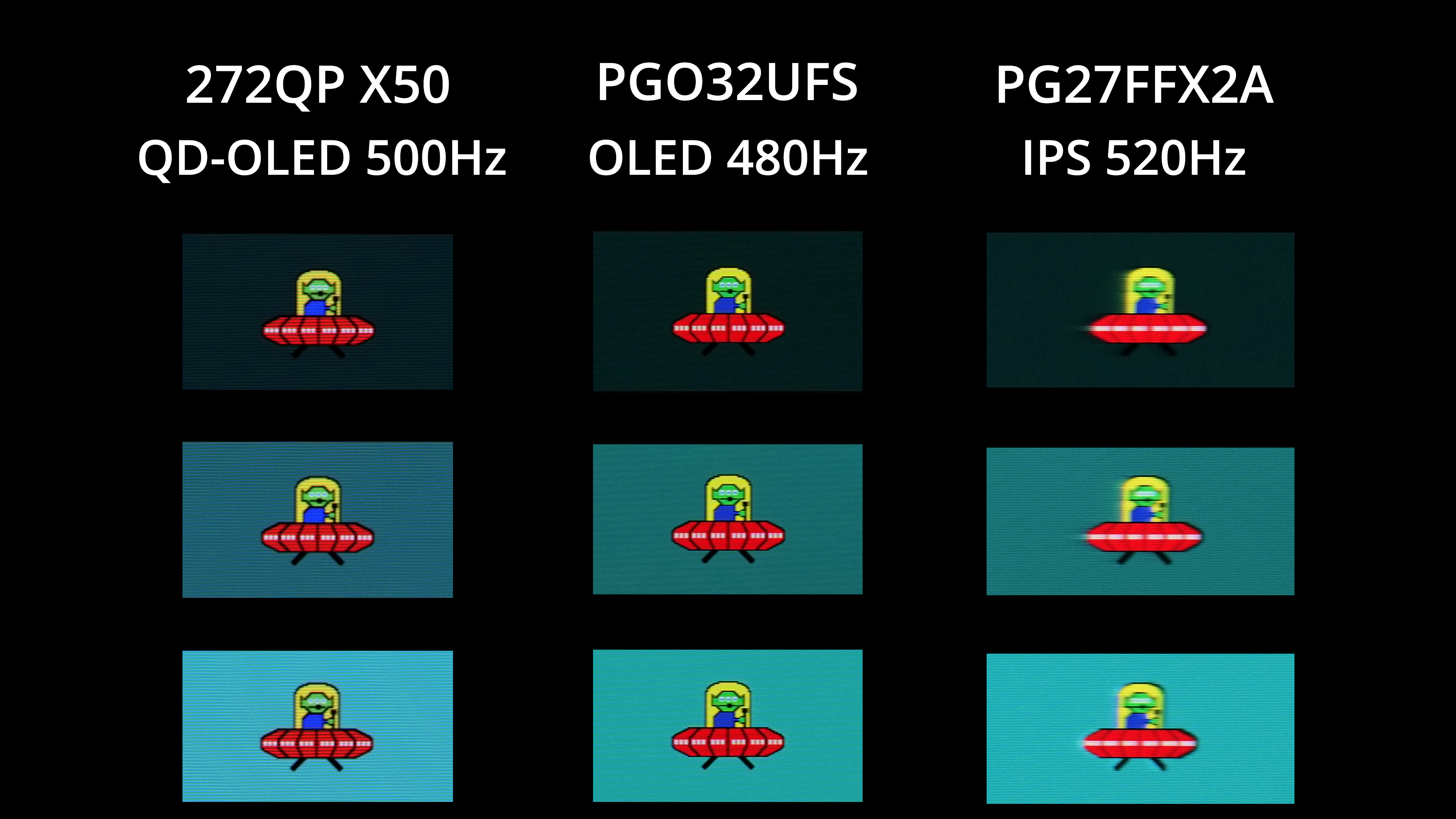
However, this monitor is all about speed, as the 500Hz refresh rate unlocked a level of motion clarity we hadn't seen before on an OLED. Granted, it's not always easy to drive games at 500fps – but if you primarily play competitive titles like CS2 or Rocket League, then this would be well worth looking into.
Even mid-way through 2026, OLEDs haven't got much faster – there are some 540Hz models, and some that can do 720Hz but only if the resolution drops to 720p – whereas the 272QP X50 is 500Hz at 1440p.
Full review: HERE.
Current Price: £630 on Amazon.
Best LG Tandem OLED – ASUS ROG XG27AQWMG
Specification:
- Panel size: 26.5″
- Aspect ratio: 16:9
- Color space (DCI-P3): 99.5%
- Panel type: WOLED
- Resolution: 2560×1440
- Display viewing area (HxV): 590.42 x 331.88 mm
- Display surface: Glossy (TrueBlack Glossy)
- Pixel pitch: 0.229mm
- Brightness (HDR peak): 1,500 cd/㎡
- Contrast ratio (typ): 1,500,000:1
- Viewing angle (CR≧10): 178°/178°
- Response time: 0.03ms (GTG)
- Color accuracy: △E < 2
- Display colors: 1.07B (10-bit)
- Flicker-free: Yes
- HDR support: HDR10
- Refresh rate (max): 280Hz
- VRR technology: Yes (Adaptive-Sync)
- Extreme Low Motion Blur: Yes
- DisplayWidget: Yes (DisplayWidget Center)
- GameFast Input technology: Yes
- Shadow Boost: Yes
- Aspect control: Yes
- A.I. Assistant technology: AI Visual, Dynamic Crosshair, Dynamic Shadow Boost
- DisplayPort 1.4 DSC: 1x
- HDMI 2.1 (FRL): 2x
- Earphone jack: Yes
- USB hub: 2x USB 3.2 Gen1 Type-A
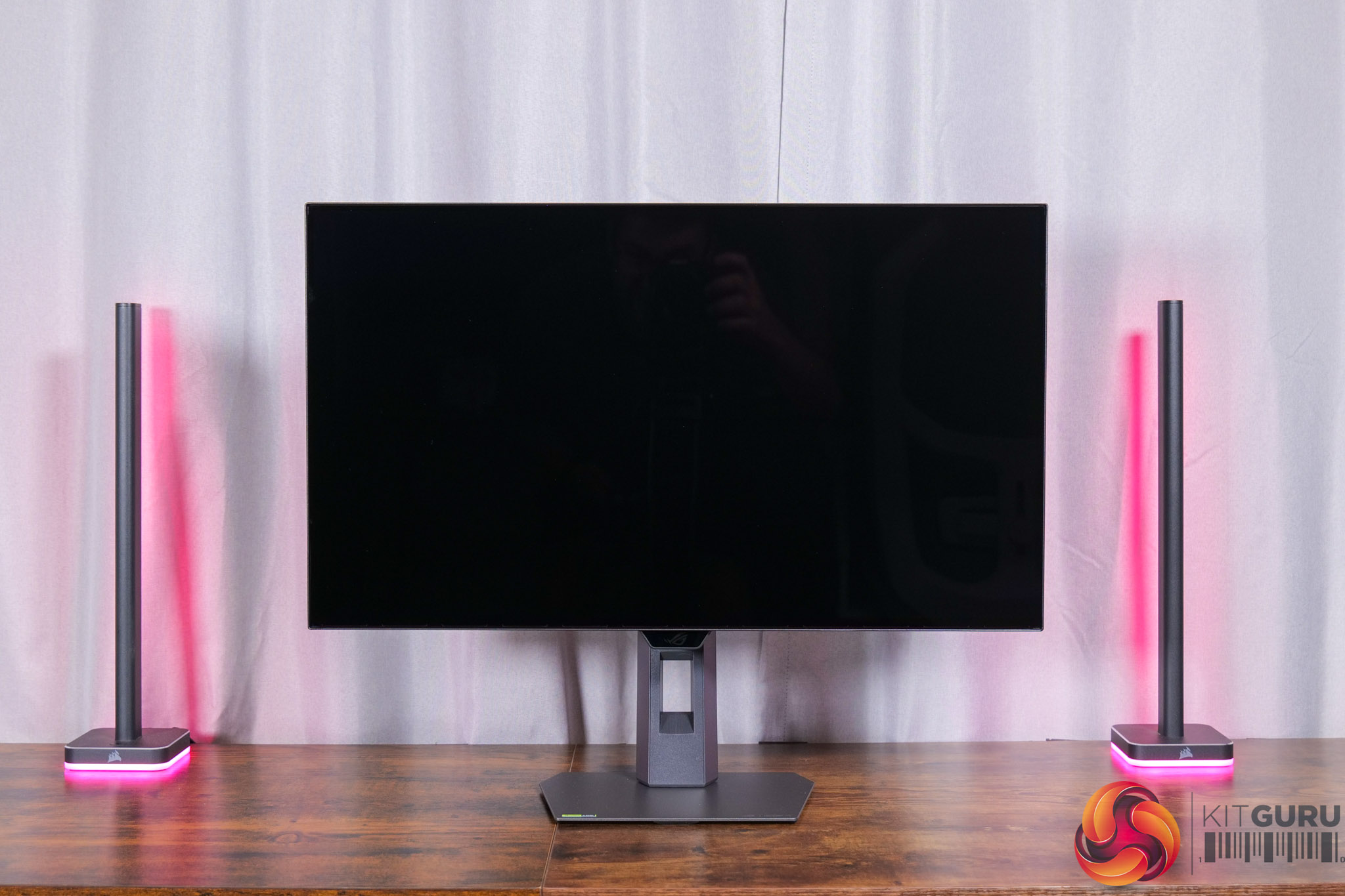
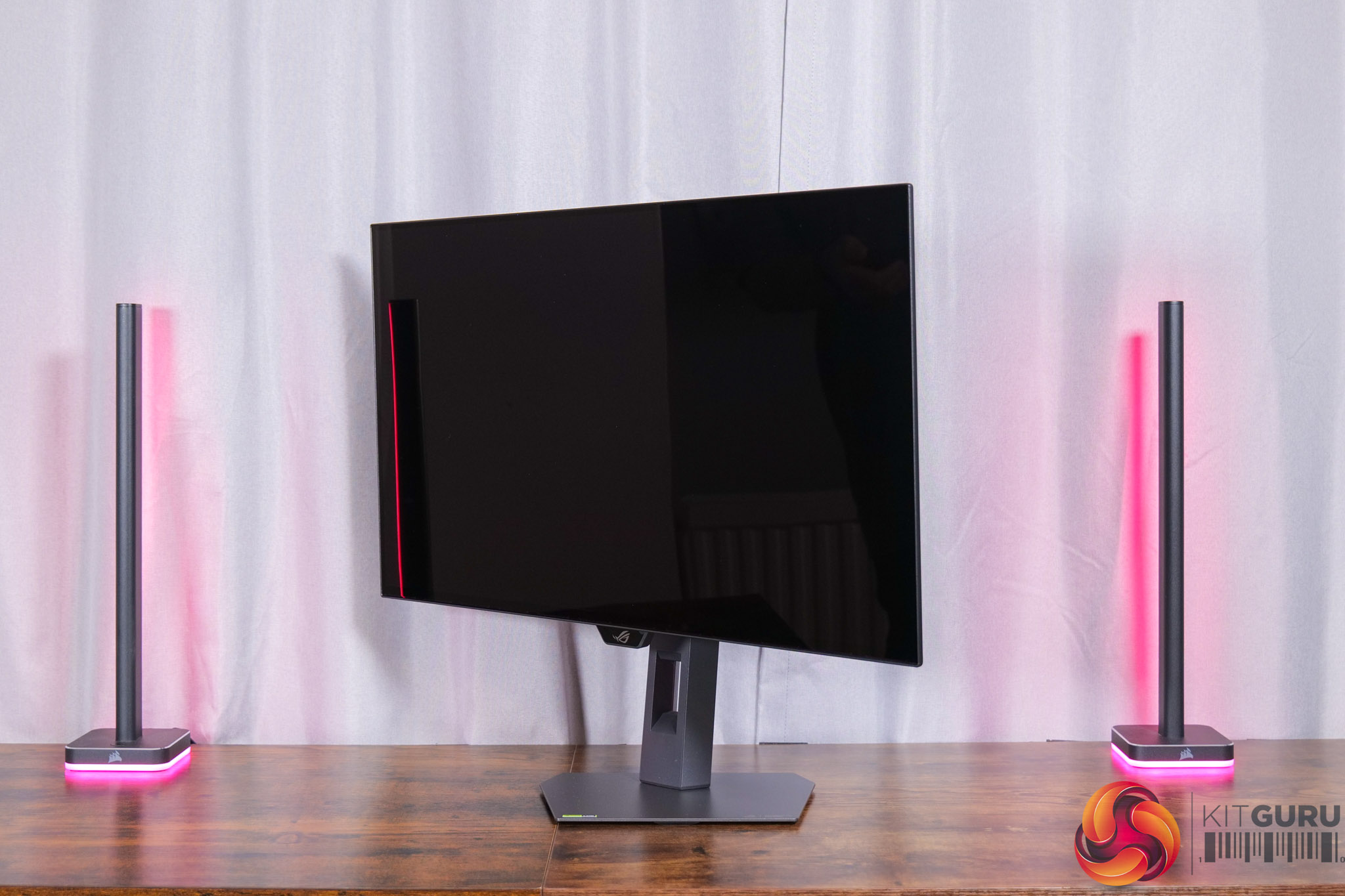
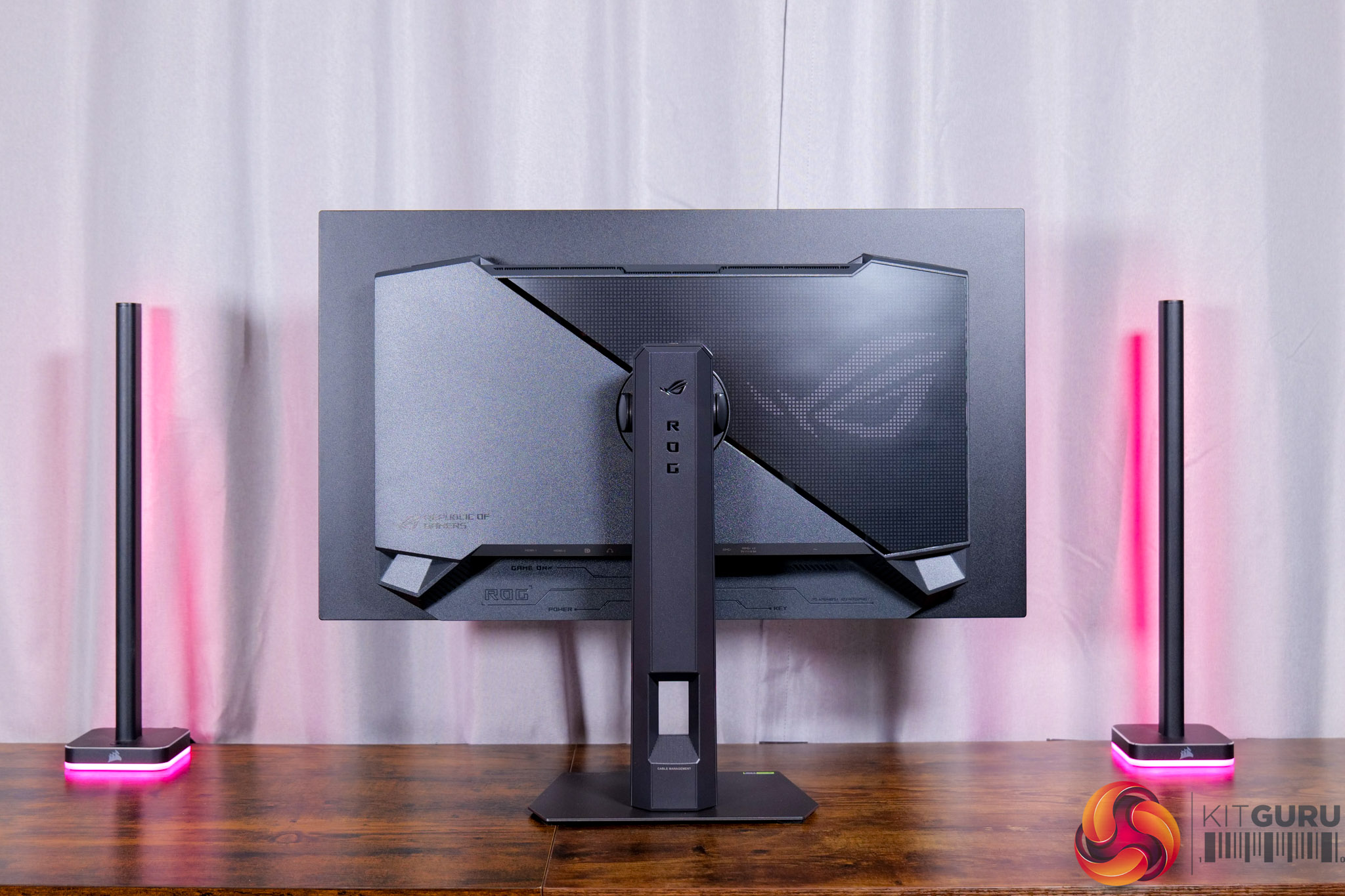
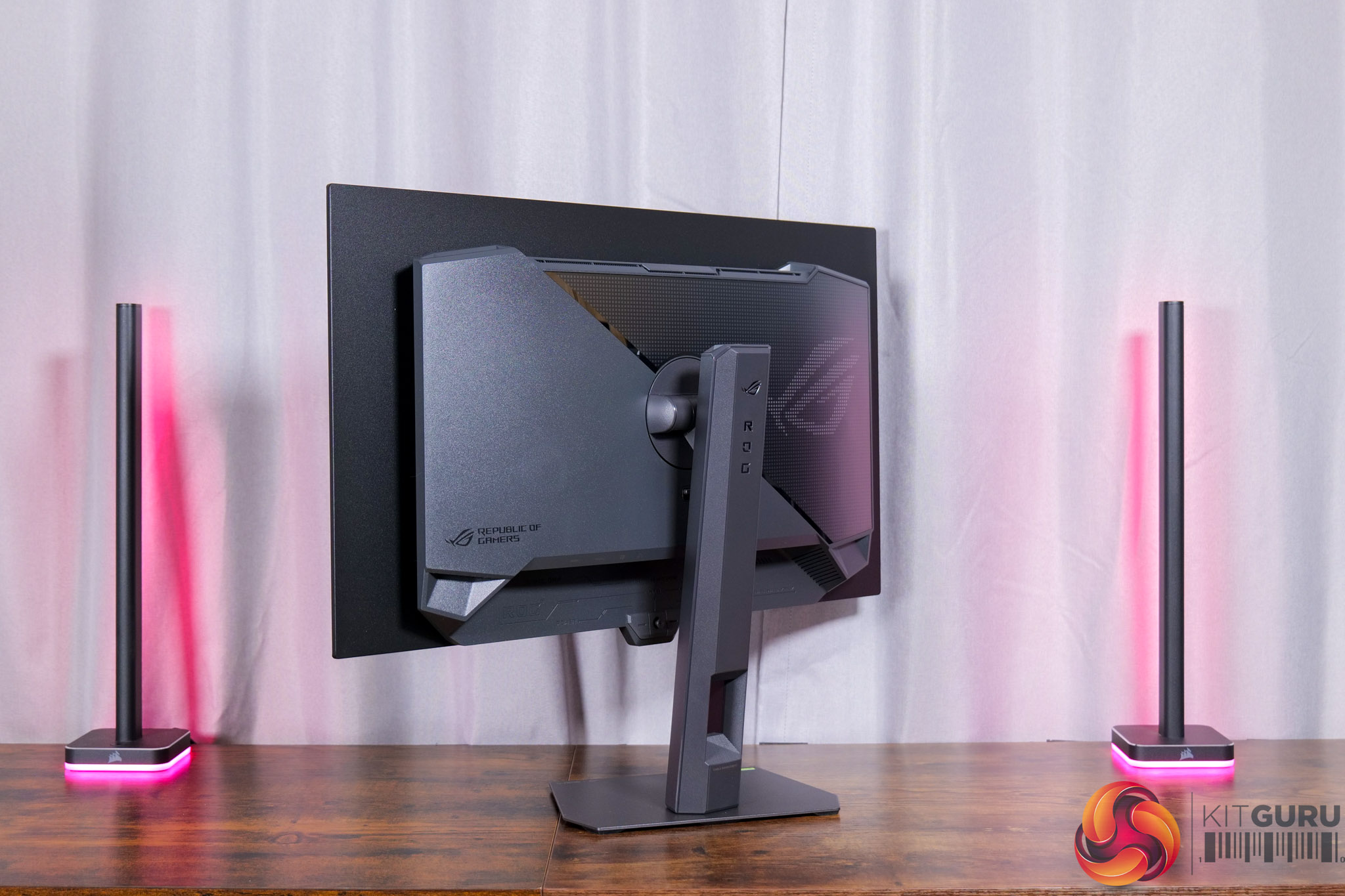
ASUS' ROG Xg27AQWMG may not sound super sexy on paper – with a 1440p/280Hz refresh rate being fairly middle-of-the-road, especially compared to the 272QP X50. However, it does a number of things extremely well, and is delivered at a reasonable price, making it well worth a place on this list.
For one, the design is excellent, while ASUS' factory calibration is also solid. On top of that, it features a TrueBlack Glossy coating, delivering the deepest perceived black levels – even in brightly lit rooms.
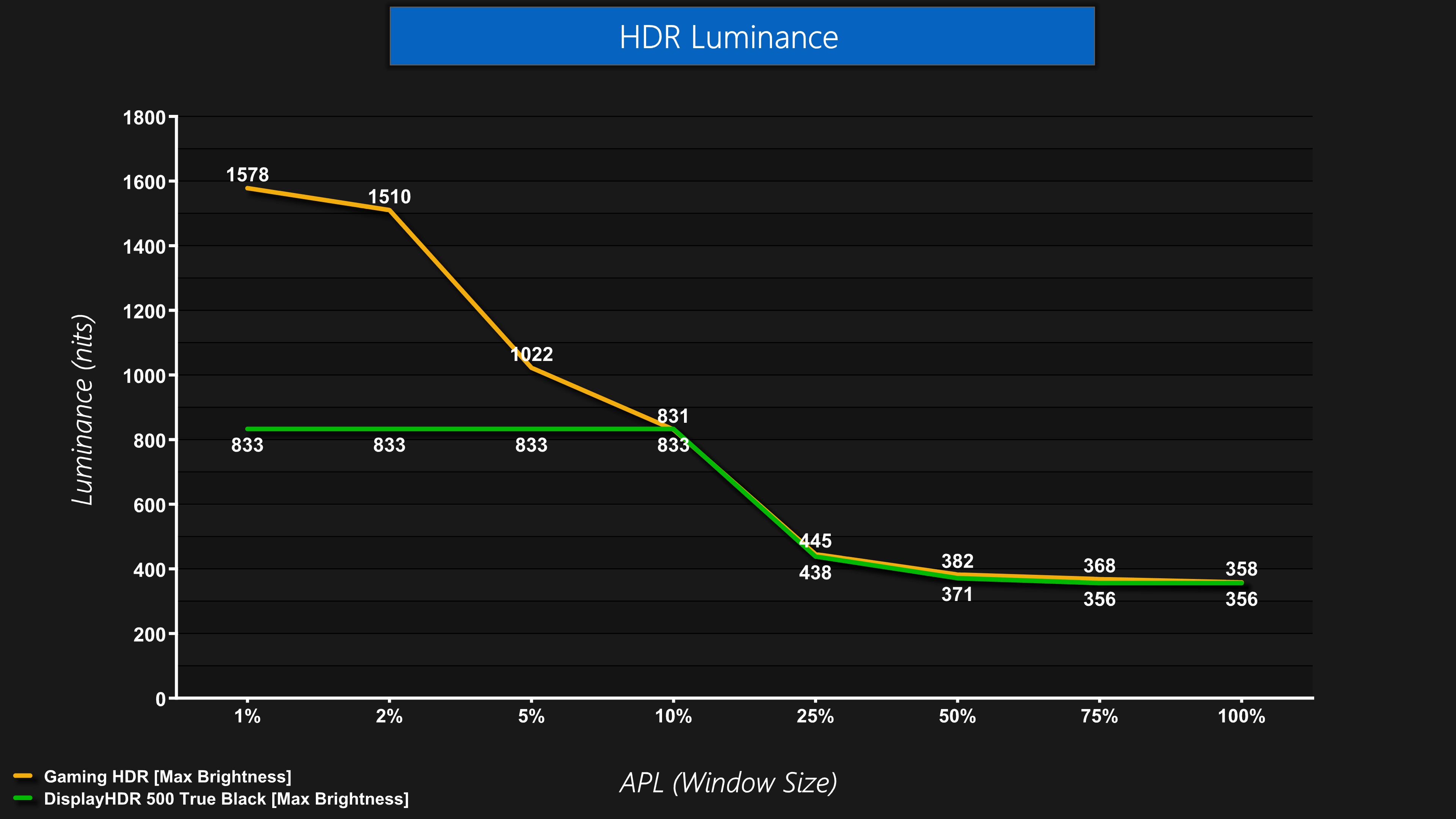
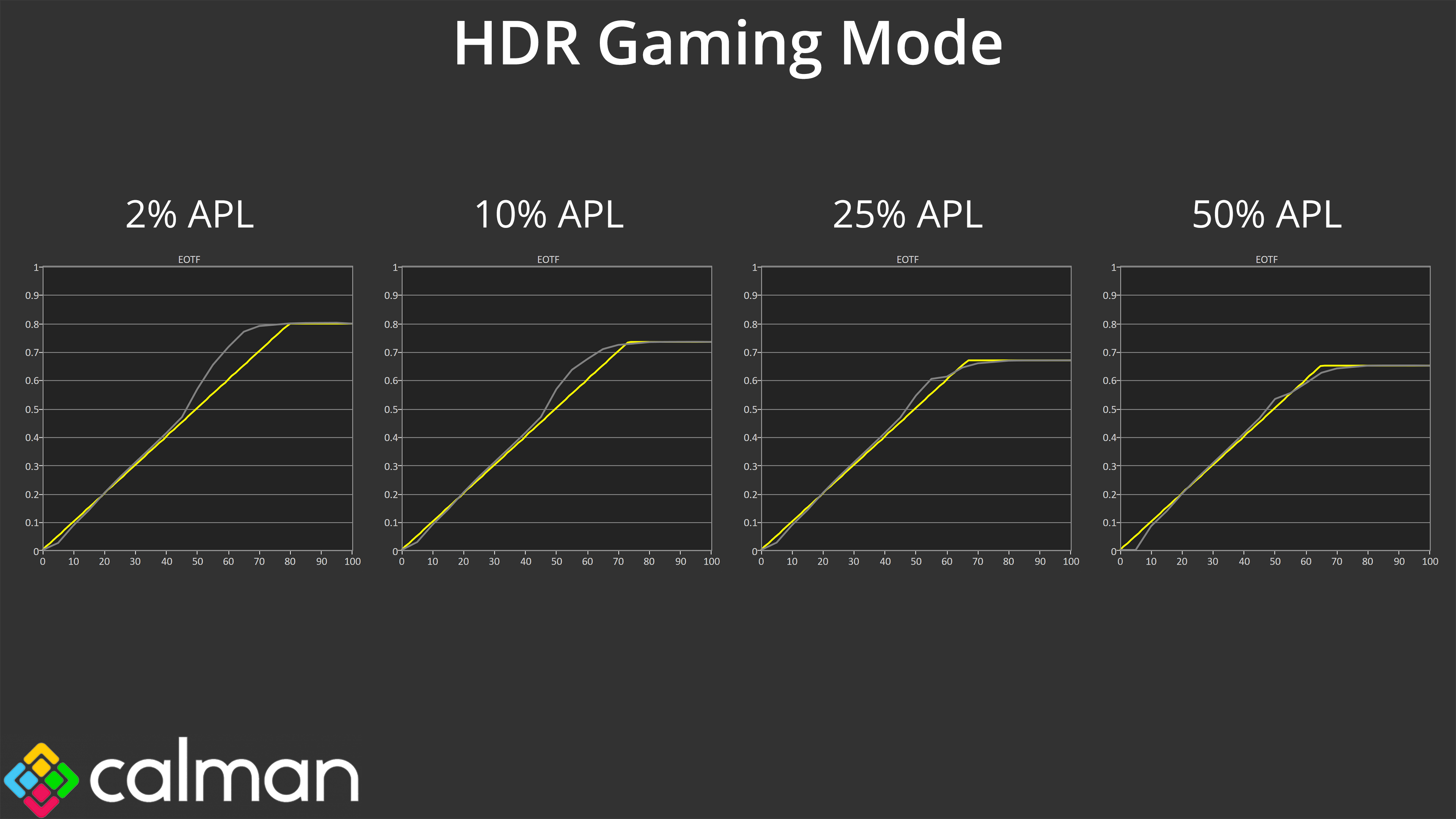
I was most impressed with its HDR capabilities though, considering it hits almost 1600 nits brightness, but maintains excellent EOTF tracking across the board when using the HDR Gaming mode. Factor in the superb sRGB mode as well, and for £479 it really is an excellent all-rounder.
Full review: HERE.
Current Price: £479 from Scan.
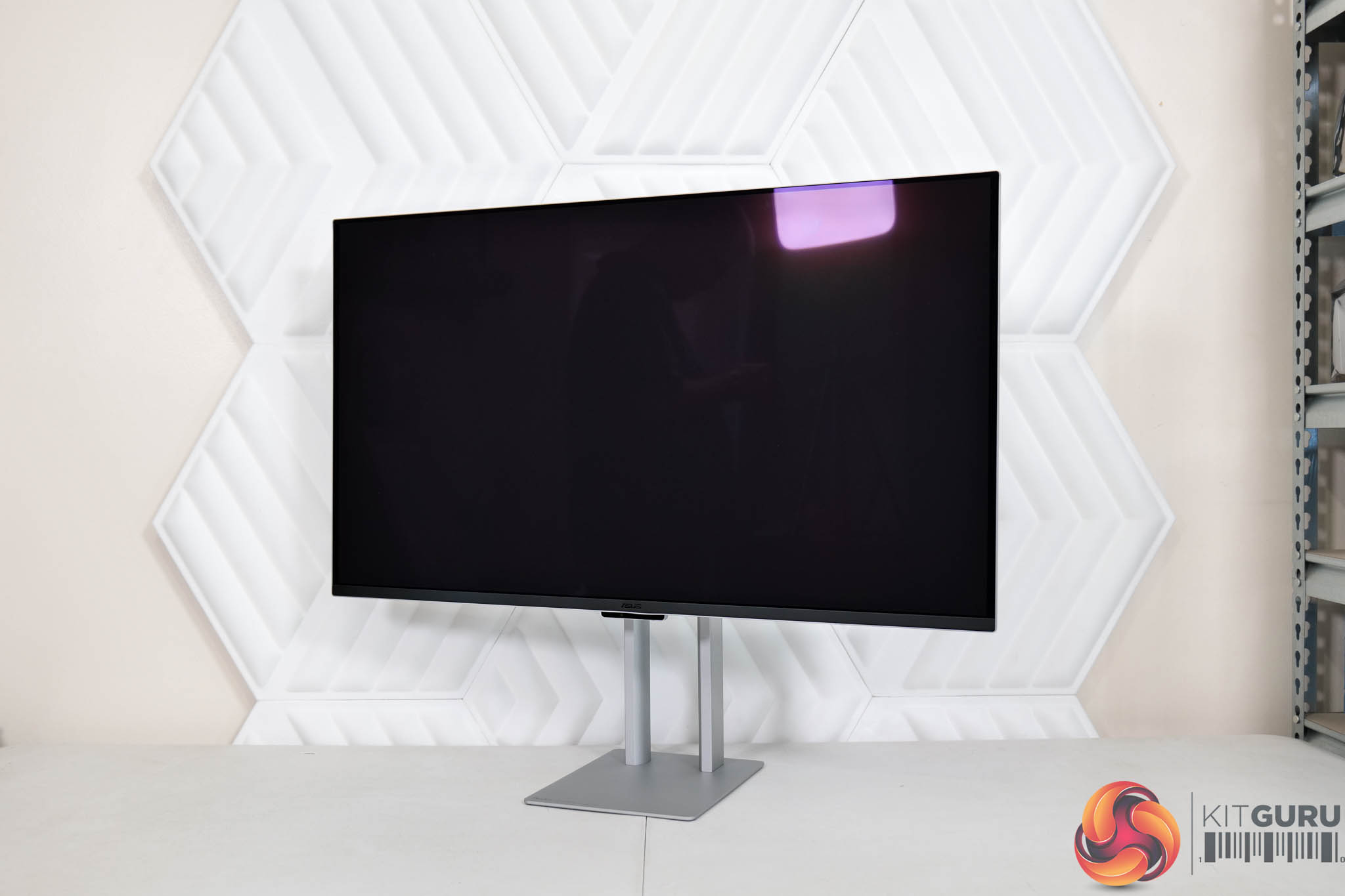
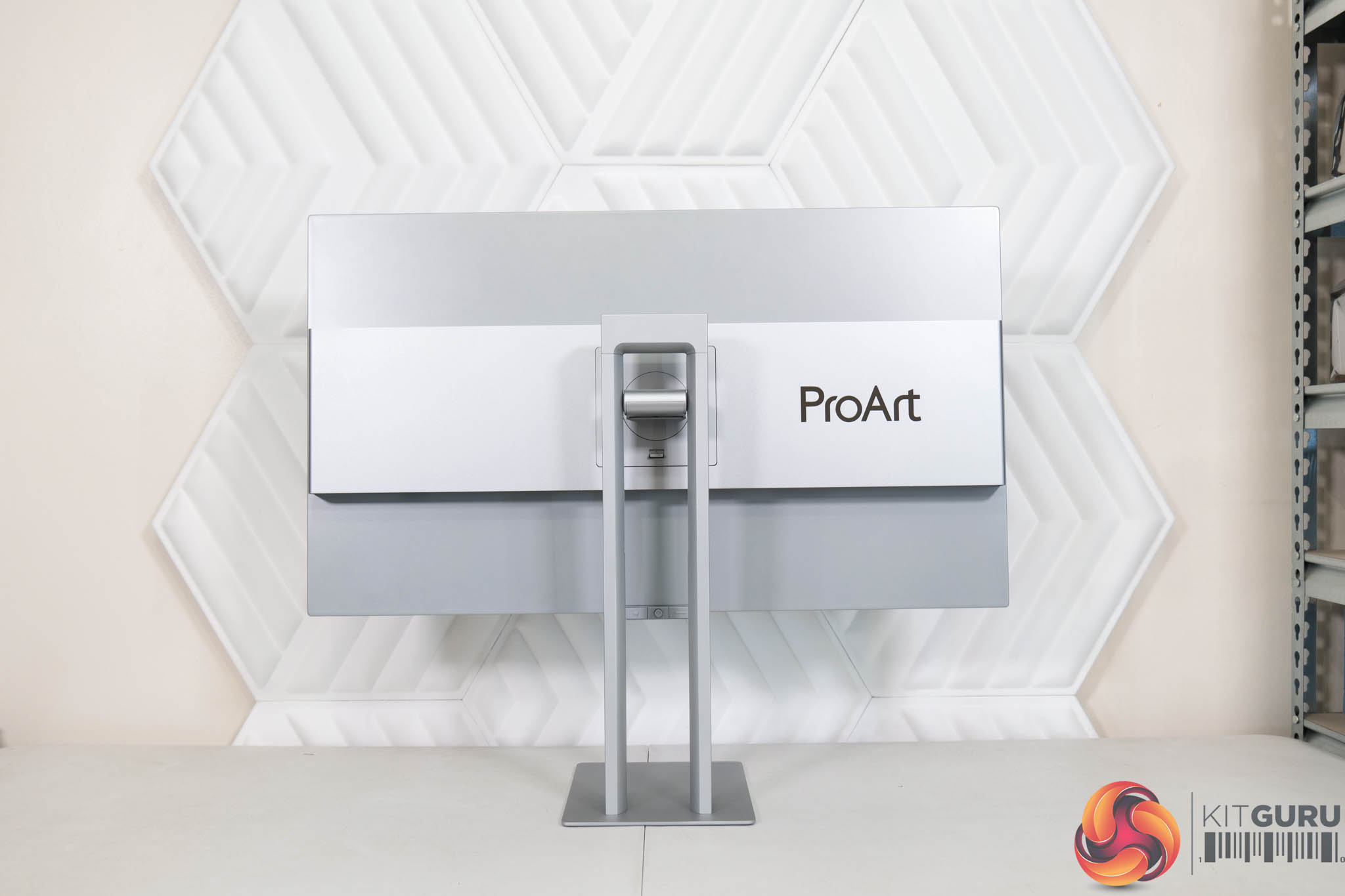
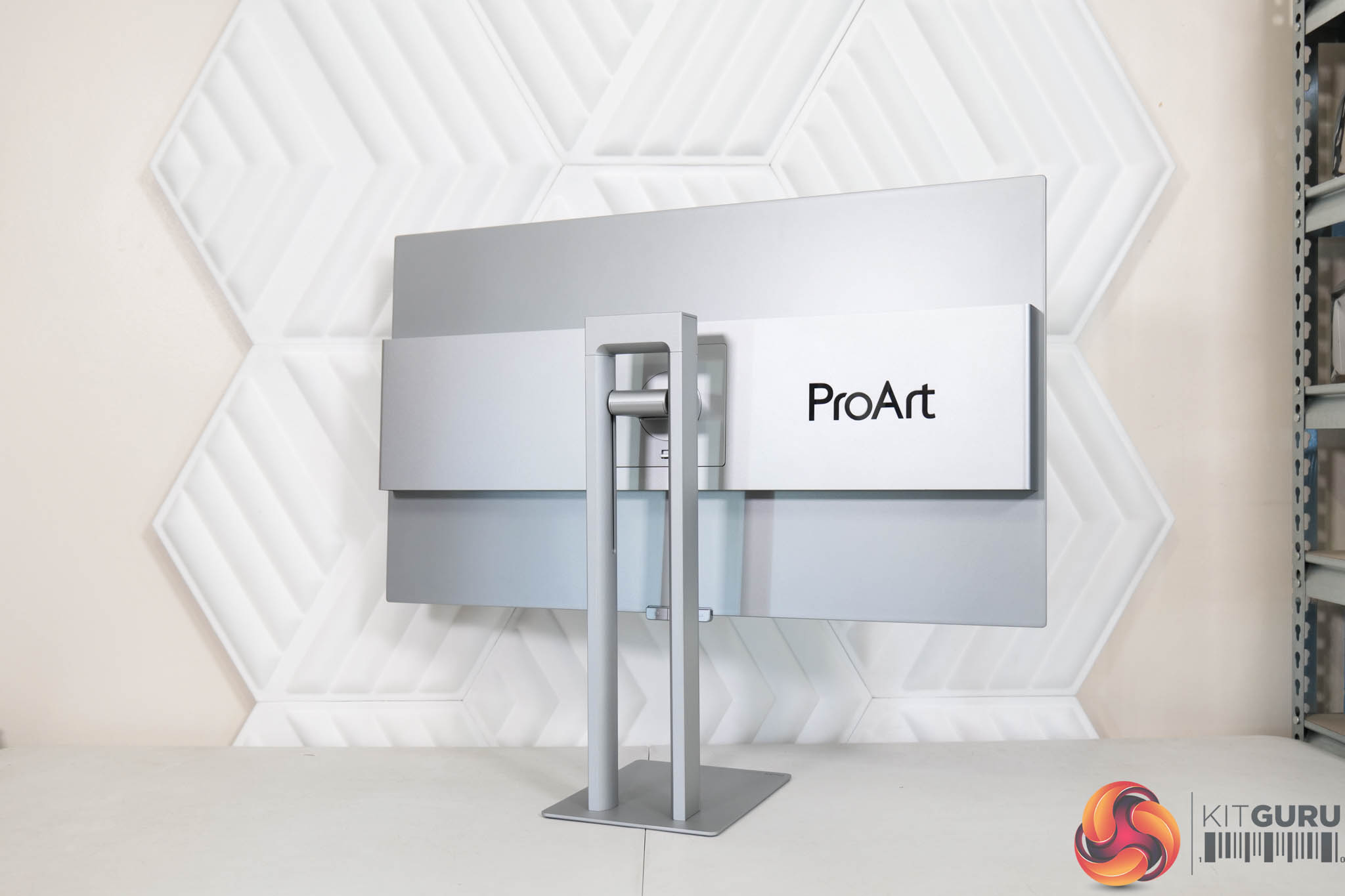
Best Professional OLED: ASUS ProArt PA32UCDM
- Panel size: 31.5″
- Pixels per inch: 140 PPI
- Aspect ratio: 16:9
- Display viewing area (H x V): 699.48 x 394.73 mm
- Display surface: Anti-Reflection
- Panel type: QD-OLED
- Viewing angle: 178° (H) / 178° (V)
- Pixel pitch: 0.182 mm
- Resolution: 3840 x 2160
- Colour space: 100% sRGB, 99% DCI-P3
- Brightness: 250 cd/m² typical, 1000 cd/m² HDR peak
- Contrast ratio: 1,500,000:1 typical / HDR max
- Display colours: 1.07B (10-bit)
- Response time: 0.1ms (GTG)
- Refresh rate: 240Hz
- HDR support: HDR10, HLG, Dolby Vision
- Flicker-free: Yes
- ASUS OLED Care: Yes
- I/O: 2x Thunderbolt 4 (Daisy Chain), 1x HDMI 2.1, 1x USB 3.2 Gen2 Type-A, 1x USB 3.2 Gen2 Type-C, USB-C Power Delivery up to 96W
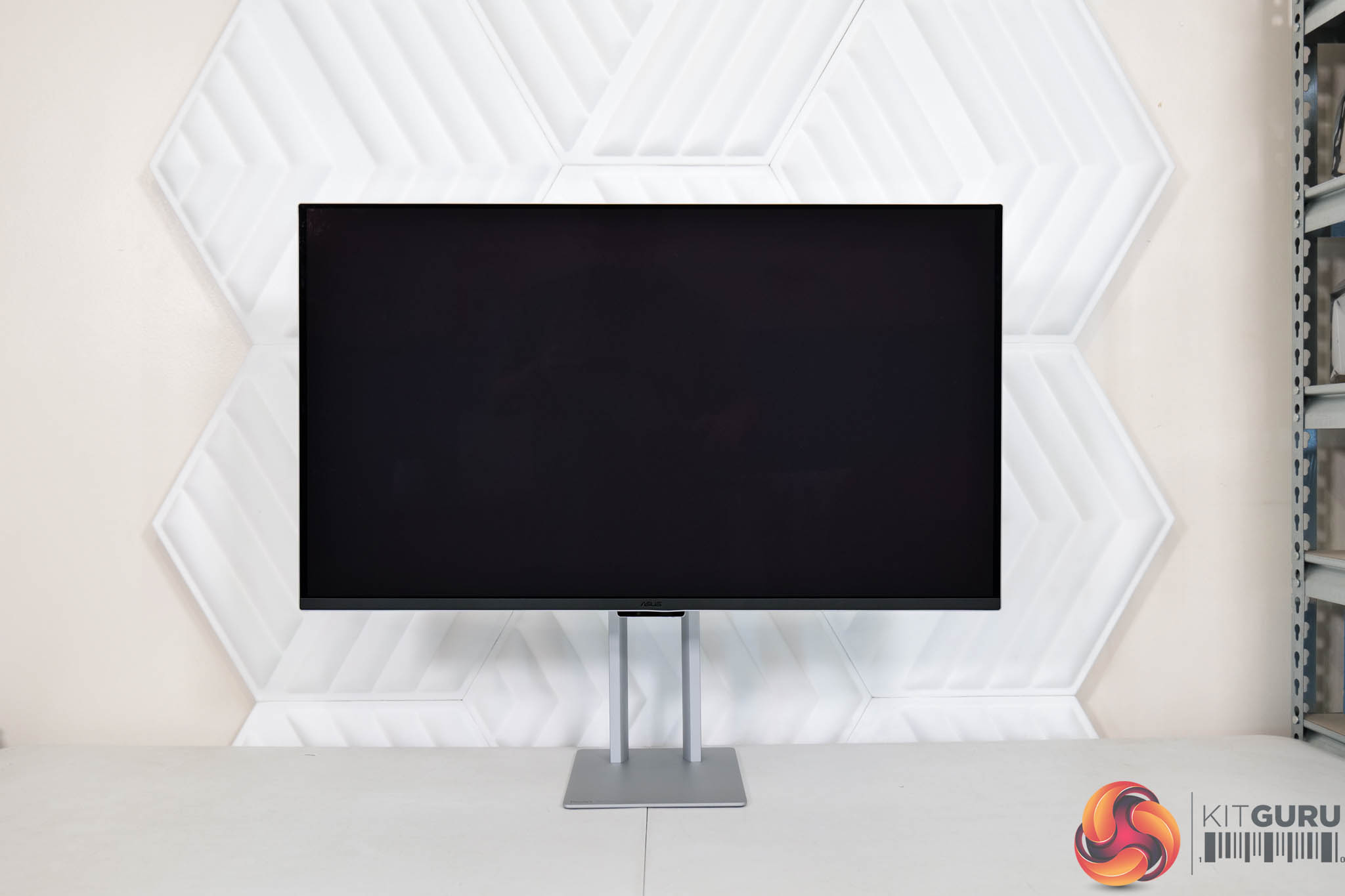
Our last monitor on this list is something a bit different – not one aimed at gamers, but the professional market. It still shares a lot of DNA with gaming screens given the underlying QD-OLED panel is the same, but the ASUS ProArt PA32UCDM brings with it a whole host of features designed to appeal to pros and content creators.
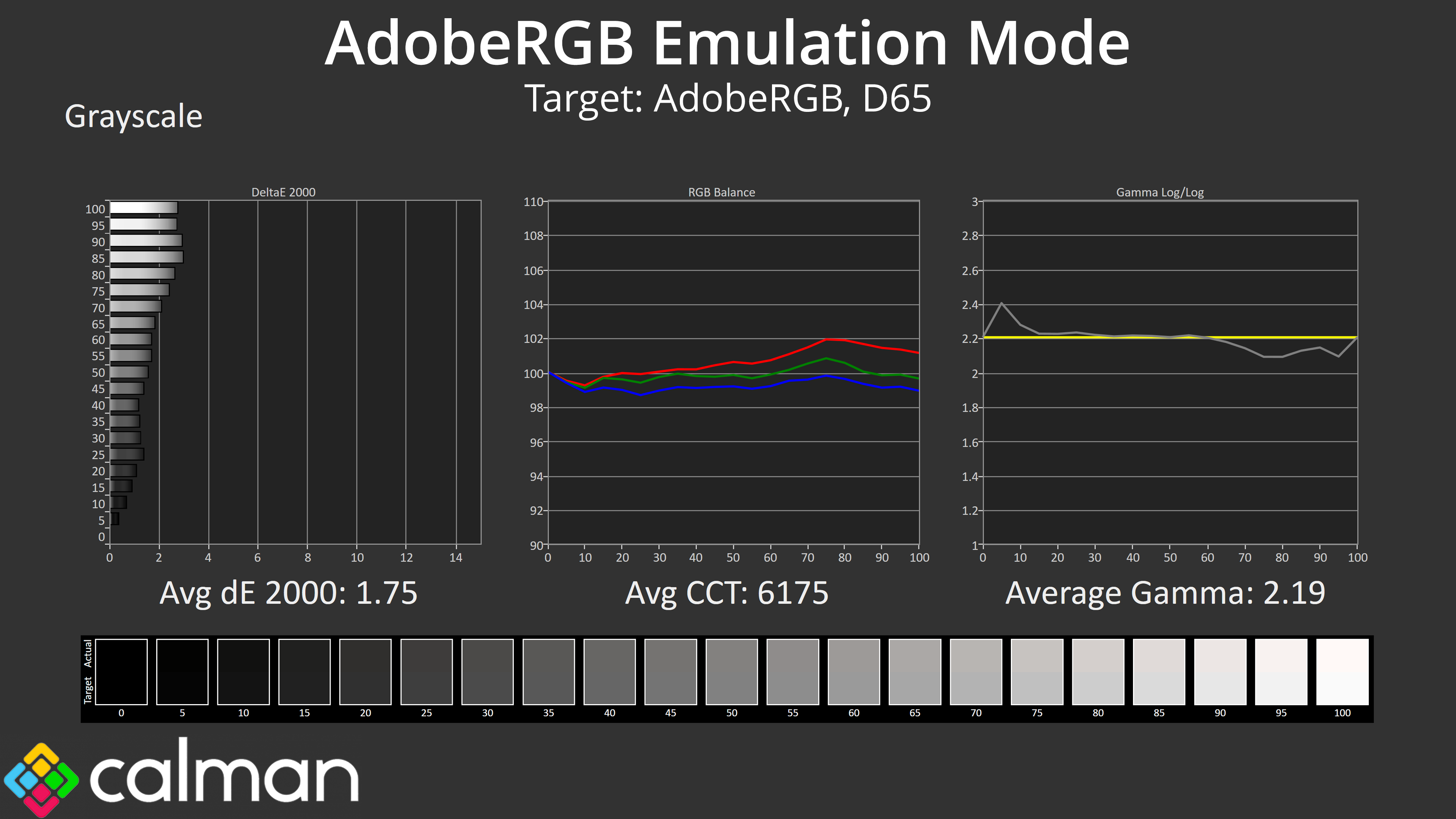
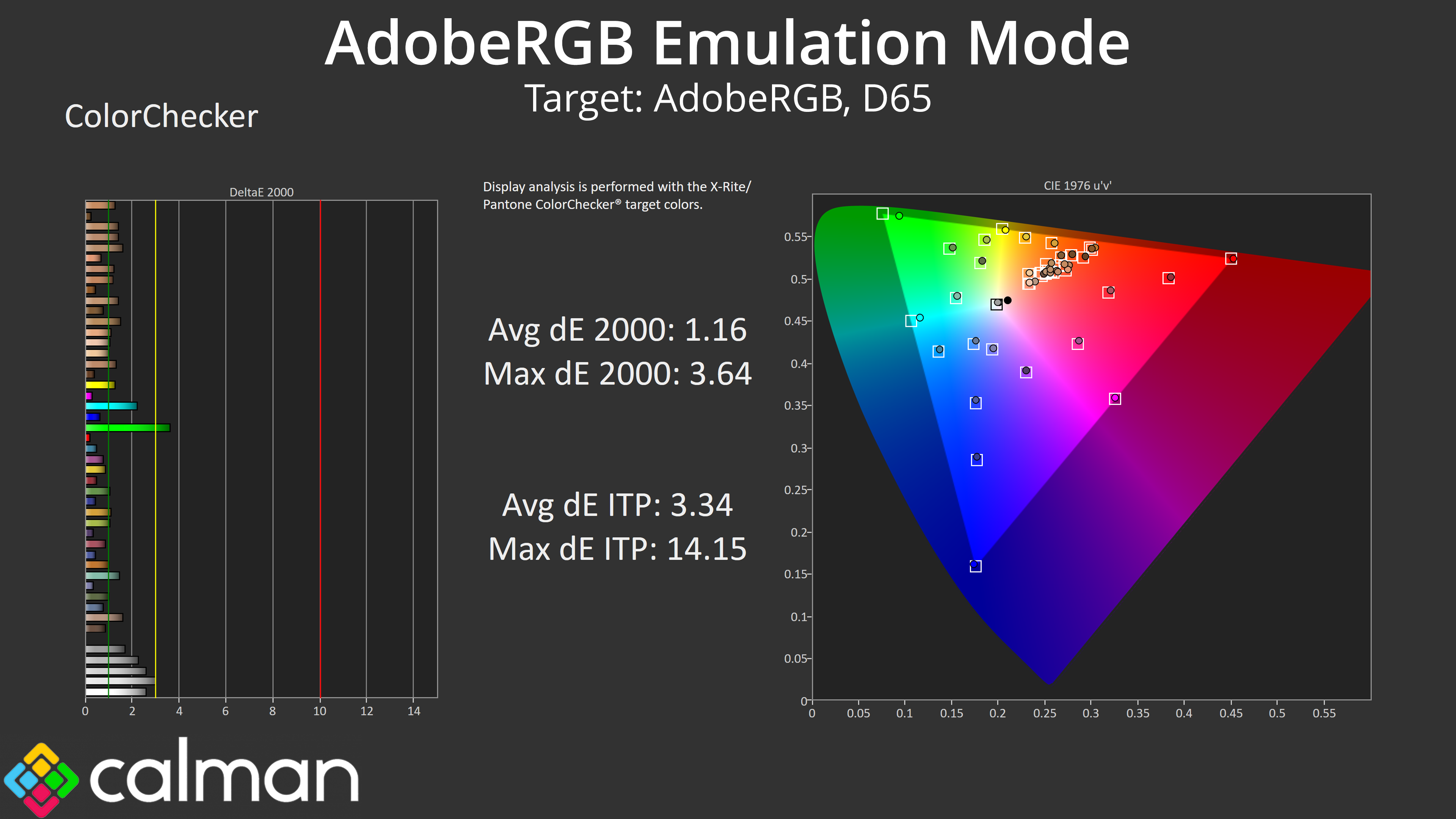
For one, it sports a lovely and refined design which helps set it apart from its gaming counterparts. Its Adobe RGB emulation mode is particularly good, too, while we can't ignore the pair of Thunderbolt 4 ports. The OSD is as feature-rich as they come, with a huge variety of modes and features all designed to make life easier for professional users.
The price has also dropped significantly since we first reviewed the PA32UCDM. It initially hit the market at £1600, but can now be found for £1099 – still very expensive, but much more palatable compared to the gaming competition.
Full review: HERE.
Current Price: £1099 on Scan HERE.
KitGuru says: Let us know what you'd like us to review next!