KitGuru KitGuru.net – Tech News | Hardware News | Hardware Reviews | IOS | Mobile | Gaming | Graphics Cards


Razer has unveiled the Razer Barracuda X Chroma, a new entry in its multi-platform gaming headset series. Based on the latest Barracuda X model, it offers the same feature set as the original, with the addition of customisable Chroma RGB lighting around the earcups.
With the Barracuda X Chroma, gamers can personalise their experience with six customisable lighting zones, accessed through Razer Chroma Studio or the Razer Audio App. Offering a palette of 16.8 million colour combinations, the headset can synchronise with over 300 games, bringing a new level of dynamism to the gaming experience.

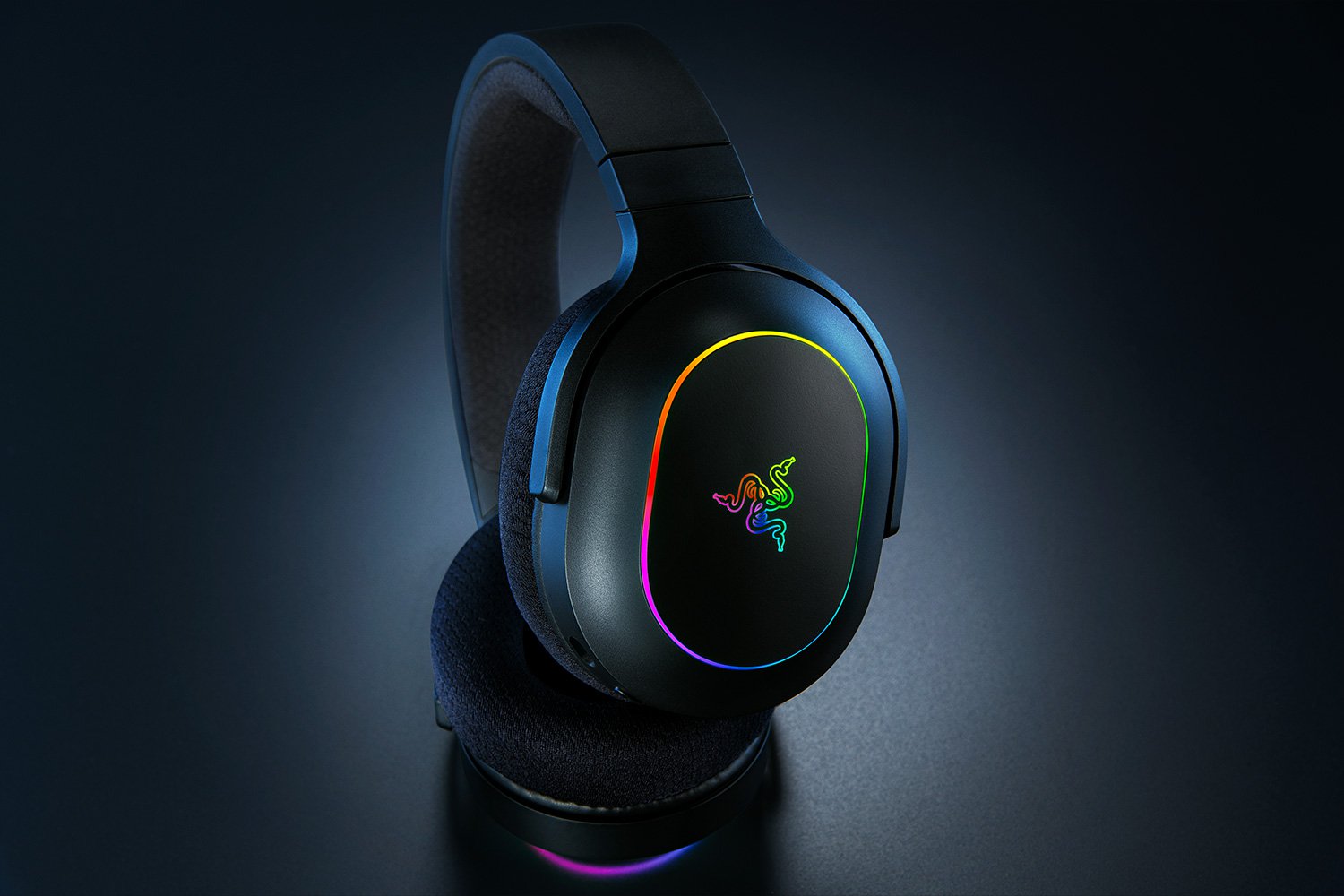
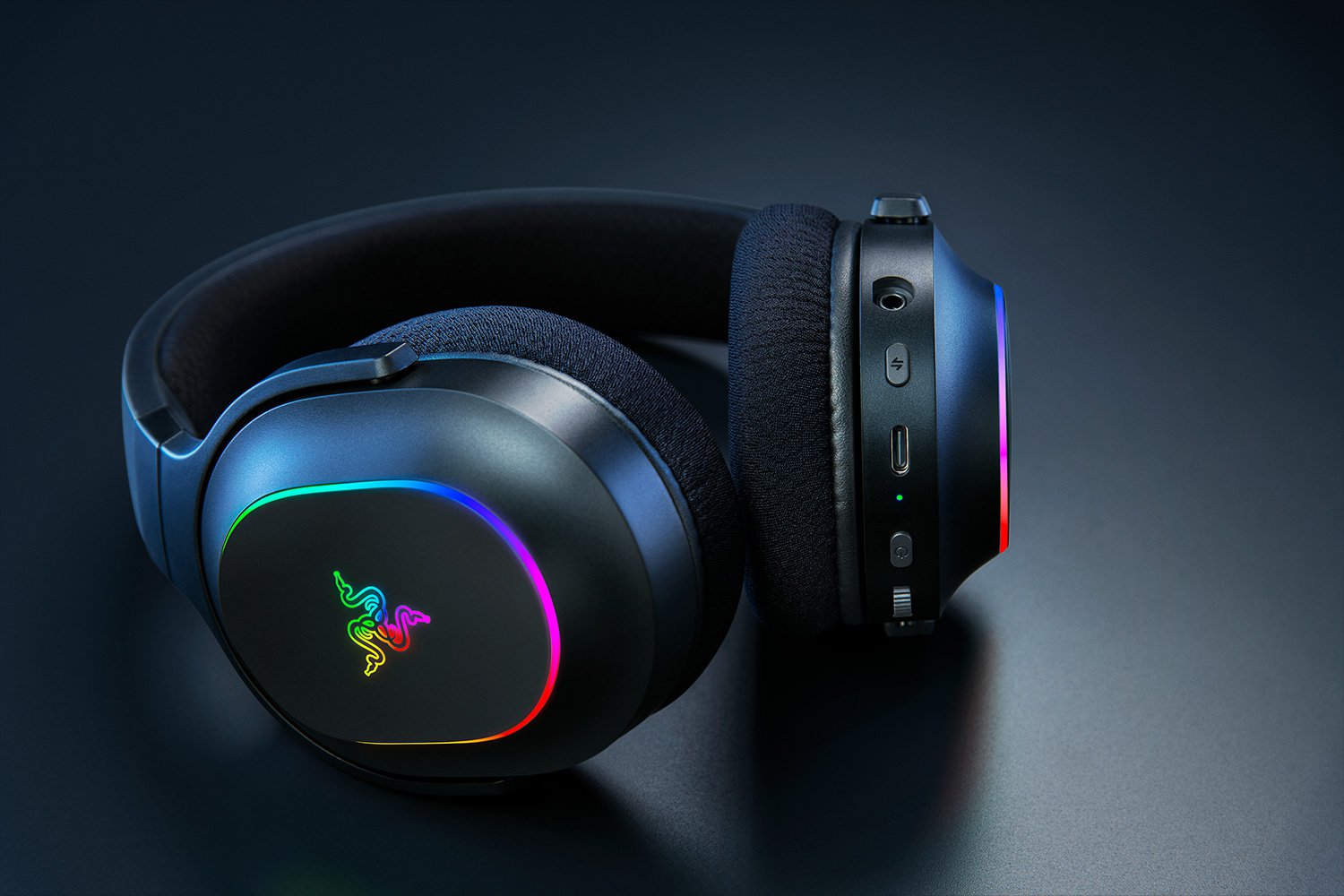
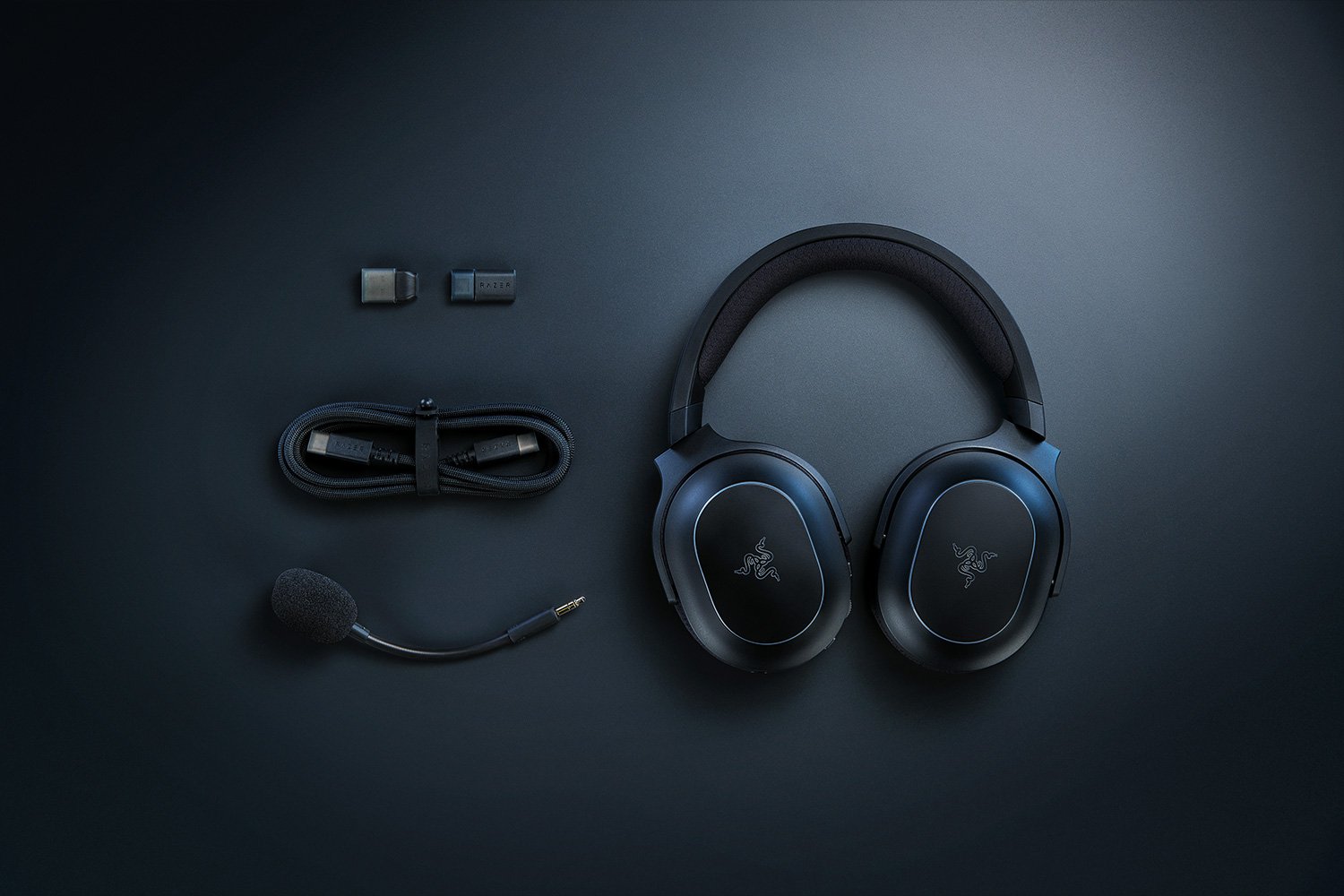
Like the Barracuda X, the new Chroma variant also supports Razer SmartSwitch Dual Wireless technology. This allows users to seamlessly transition between Razer HyperSpeed and Bluetooth, resulting in a consistent audio experience that eliminates the hassle of constant pairing. The Barracuda X Chroma has a lightweight, ergonomic structure, paired with swivelling ear cups featuring ventilated memory foam cushions for all-day comfort.
Thanks to Razer's TriForce 40 mm drivers, this headset offers the same audio experience as the Barracuda X. Furthermore, the detachable Razer HyperClear Cardioid microphone guarantees clear communication with friends and partners during gaming sessions. Battery life is a highlight of the Barracuda X Chroma, boasting up to 70 hours of usage. A 15-minute charge (USB-C charging) can provide nearly six hours of play. The Barracuda X Chroma is now available in black and white for £129.99/$129.99/€139.99.
Discuss on our Facebook page, HERE.
KitGuru says: Priced £10 above the standard Barracuda X wireless headset, the only difference between the two, besides the price, is the Chroma RGB lighting. Do you think the extra £10 is worth it?