KitGuru KitGuru.net – Tech News | Hardware News | Hardware Reviews | IOS | Mobile | Gaming | Graphics Cards


Stellar Blade launched last year on PS5 to a wave of success – receiving high praise across the board and selling a ton of copies to boot. Following a great deal of anticipation, the game finally launched on PC last week to almost 200,000 concurrent players. It therefore comes as little surprise that in just 3 days following its PC launch, Stellar Blade had already sold 1 million units on the platform.
Making the announcement via a press release (translated by ReserEra user Neha), Stellar Blade developers SHIFT UP confirmed that “Stellar Blade has surpassed 3 million units sold across all platforms” adding “This milestone was achieved 1 year and 2 months after the PS5 version was released in April of last year.”
More interesting however is the fact that of those 3 million, 1/3rd of the sales hailed from the PC platform in just 3 days.
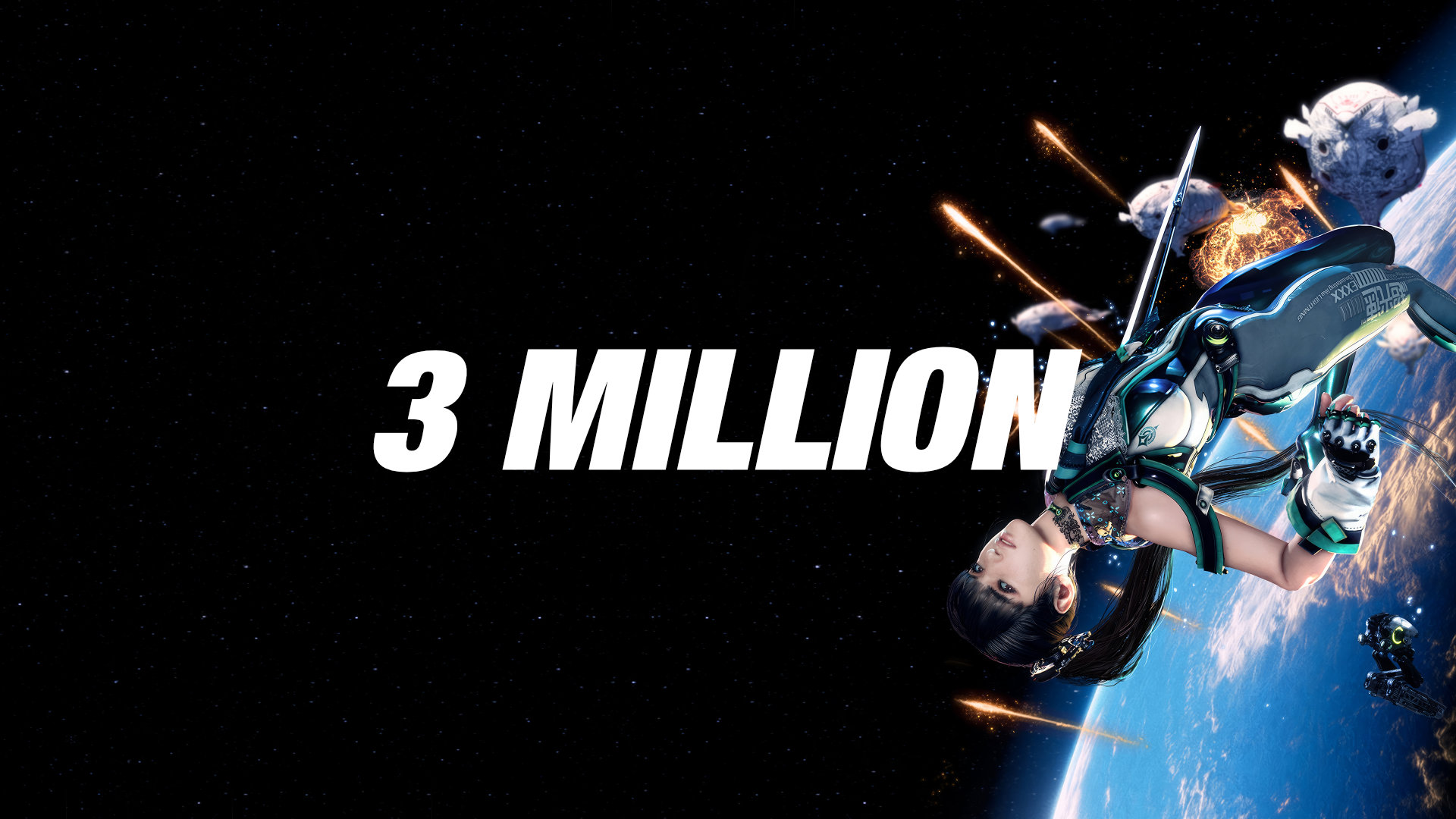
Of course, Stellar Blade was both a financial and critical success upon its release on PS5 last year, and so the game had a solid 12 months to build excitement and anticipation for the PC release of what was by then a known quantity.
Still, the success of Stellar Blade on PC is notable, and hopefully means that the previously-confirmed sequel is afforded even more resources to ensure it’s just as great if not even better.
Discuss on our Facebook page HERE.
KitGuru says: Have you been playing it on PC? Was it worth the wait? Let us know down below.