KitGuru KitGuru.net – Tech News | Hardware News | Hardware Reviews | IOS | Mobile | Gaming | Graphics Cards


With Intel and Nvidia teaming up recently, many had wondered what AMD's next move might be to remain competitive in the rapidly growing AI space. Today, we got our answer, with AMD announcing a new deal with OpenAI, the company behind ChatGPT.
AMD is partnering with OpenAI to provide six gigawats worth of processors to AI datacentres. The five-year agreement will help OpenAI bolster its infrastructure and lessen its reliance on Nvidia chips. On its end, AMD expects the deal to produce billions of dollars in revenue. The market appears to be in agreement, as AMD's stock price surged by as much as 24 percent, according to The Verge.
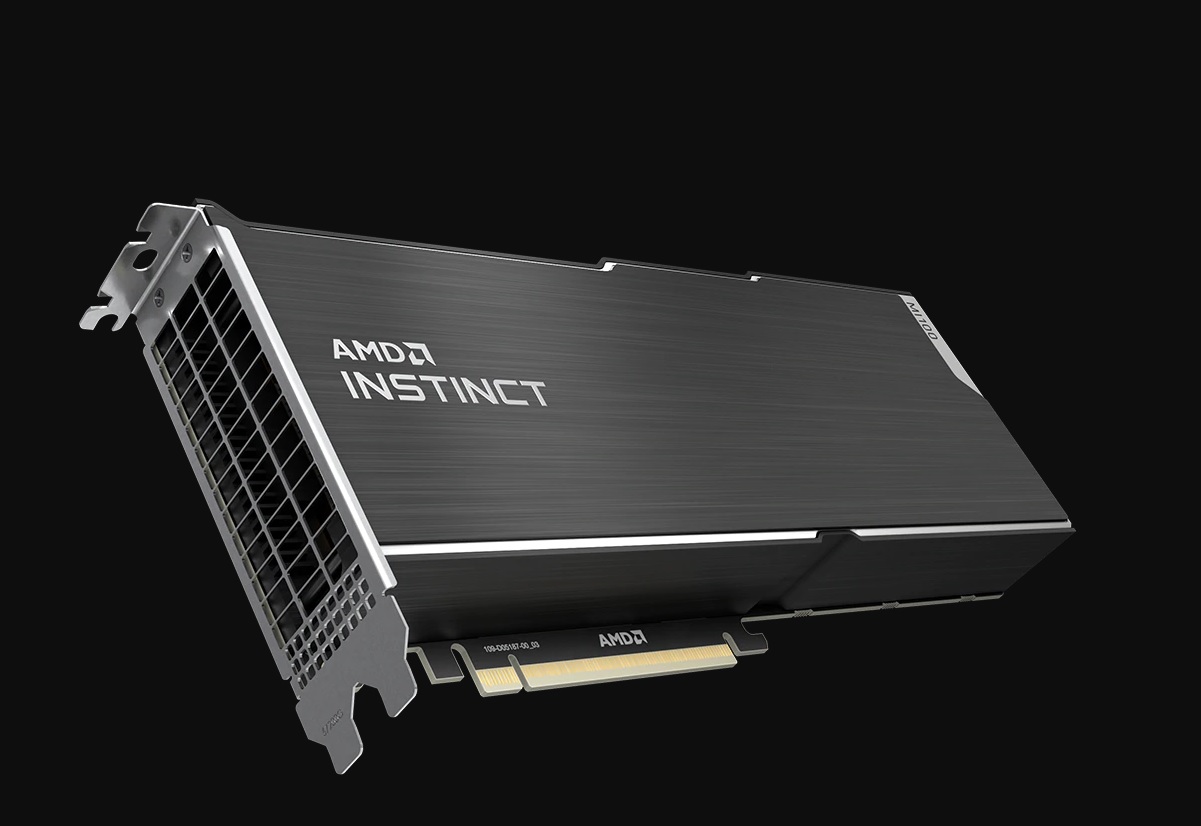
The rollout of AMD GPUs in OpenAI datacentres will begin with a large chunk of AMD Instinct MI450 GPUs in the second half of 2026. The deal also includes an option for OpenAI to buy up to 160 million shares in AMD at a reduced price, as long as certain milestones are achieved. The end result would be OpenAI holding as much as a 10 percent stake in AMD.
OpenAI will of course still work with Nvidia, having announced a partnership with the company just last month. That partnership will see OpenAI buying up 10 gigawatts worth of Nvidia chips.
Discuss on our Facebook page, HERE.
KitGuru Says: OpenAI has entered a number of strategic partnerships in recent years. It began with the likes of Microsoft and Apple, and now OpenAI is maintaining strong relationships with GPU vendors like AMD and Nvidia to ensure that they can continue to meet the power demands of cutting-edge AI.