KitGuru KitGuru.net – Tech News | Hardware News | Hardware Reviews | IOS | Mobile | Gaming | Graphics Cards


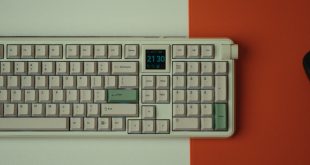
The Epomaker RT100 Pro enters the market at £129, heavily targeting your nostalgic trend genes. Appart from the retro aesthetic it comes with a detachable screen, tri-mode connectivity, and a promise of premium acoustics right out of the box, it looks like a compelling package on paper. But beneath the Instagram-friendly exterior and the heavy layers of sound dampening, does the RT100 Pro actually deliver a cohesive daily typing experience, or is it just masking deeper hardware and software flaws?
Timestamps:
00:00 Intro
01:09 Why it isn’t for Carlos…
02:19 Soundtest + acoustic profile
04:31 The small details need improvement
08:06 Other ‘retro’ elements
09:19 The software…
11:59 We have UPDATES!
16:48 Closing thoughts
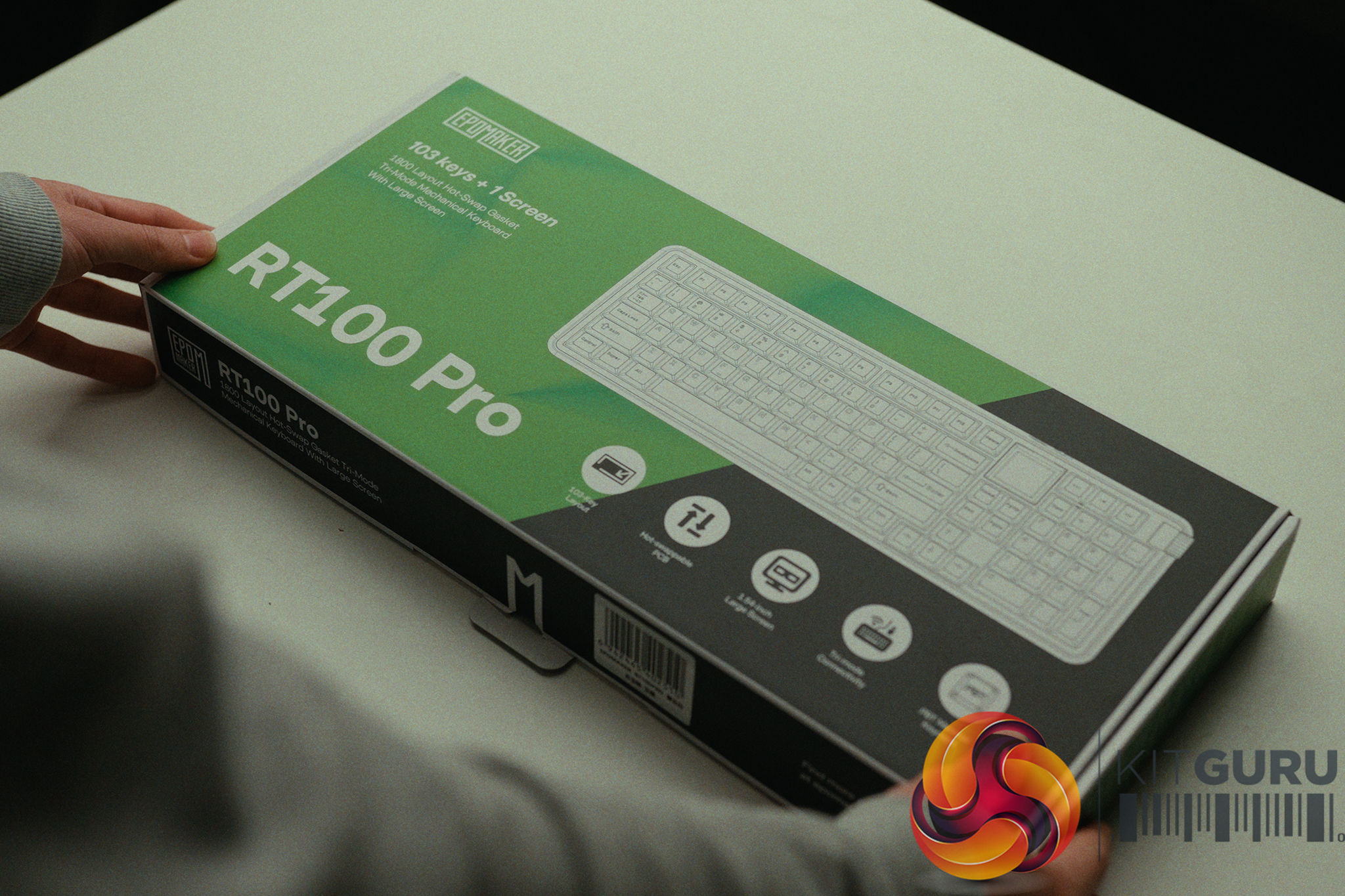
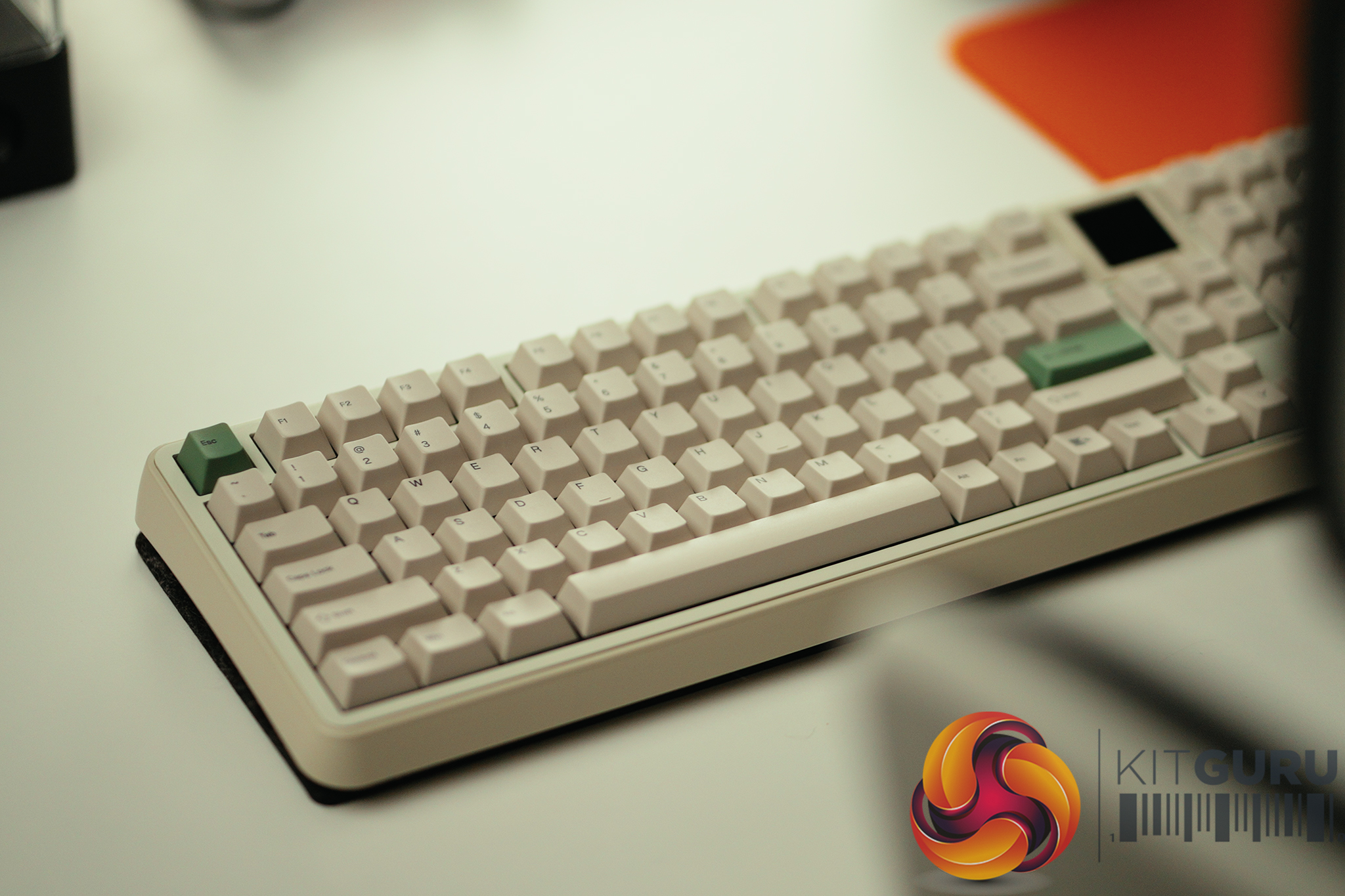
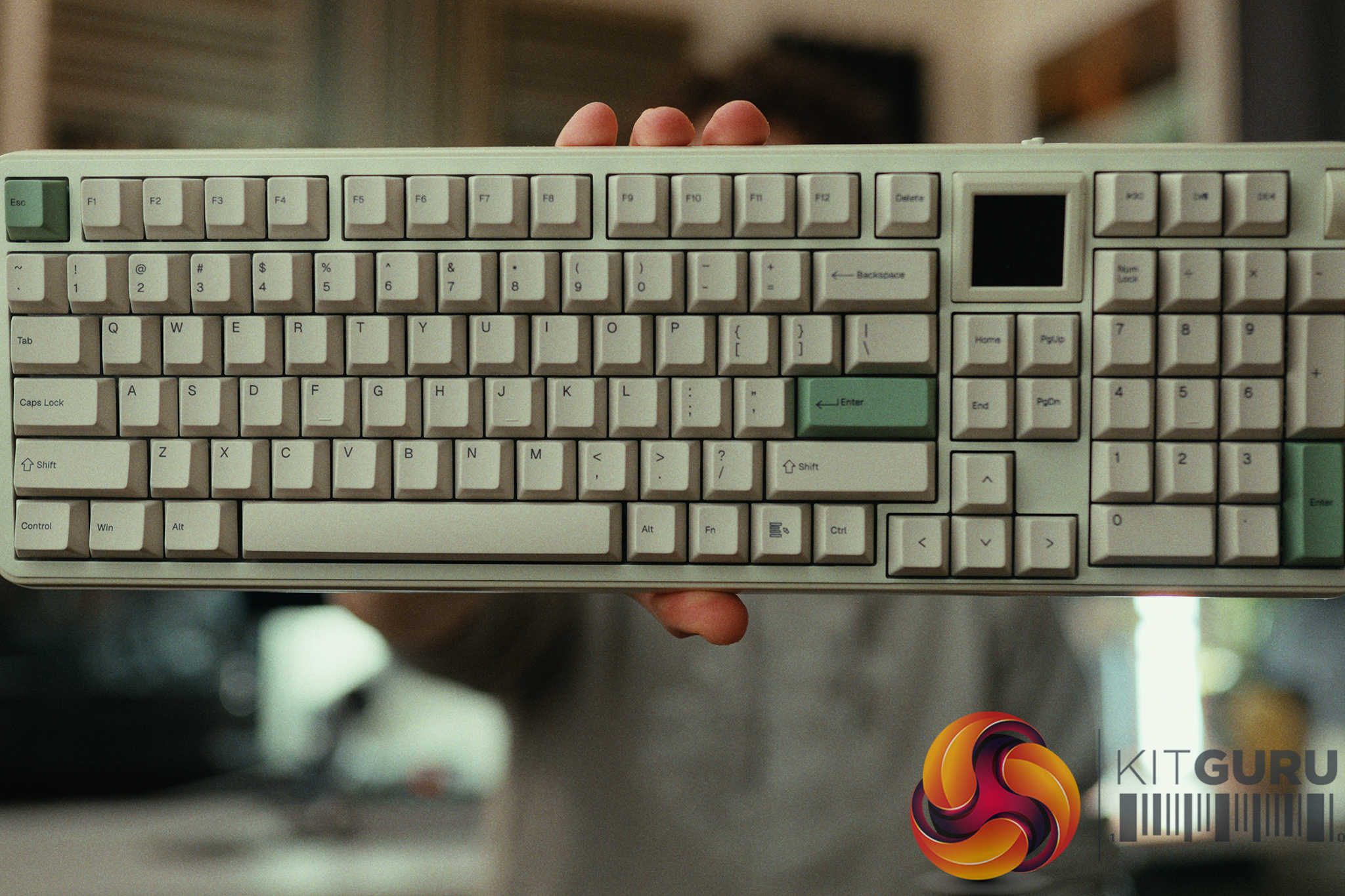
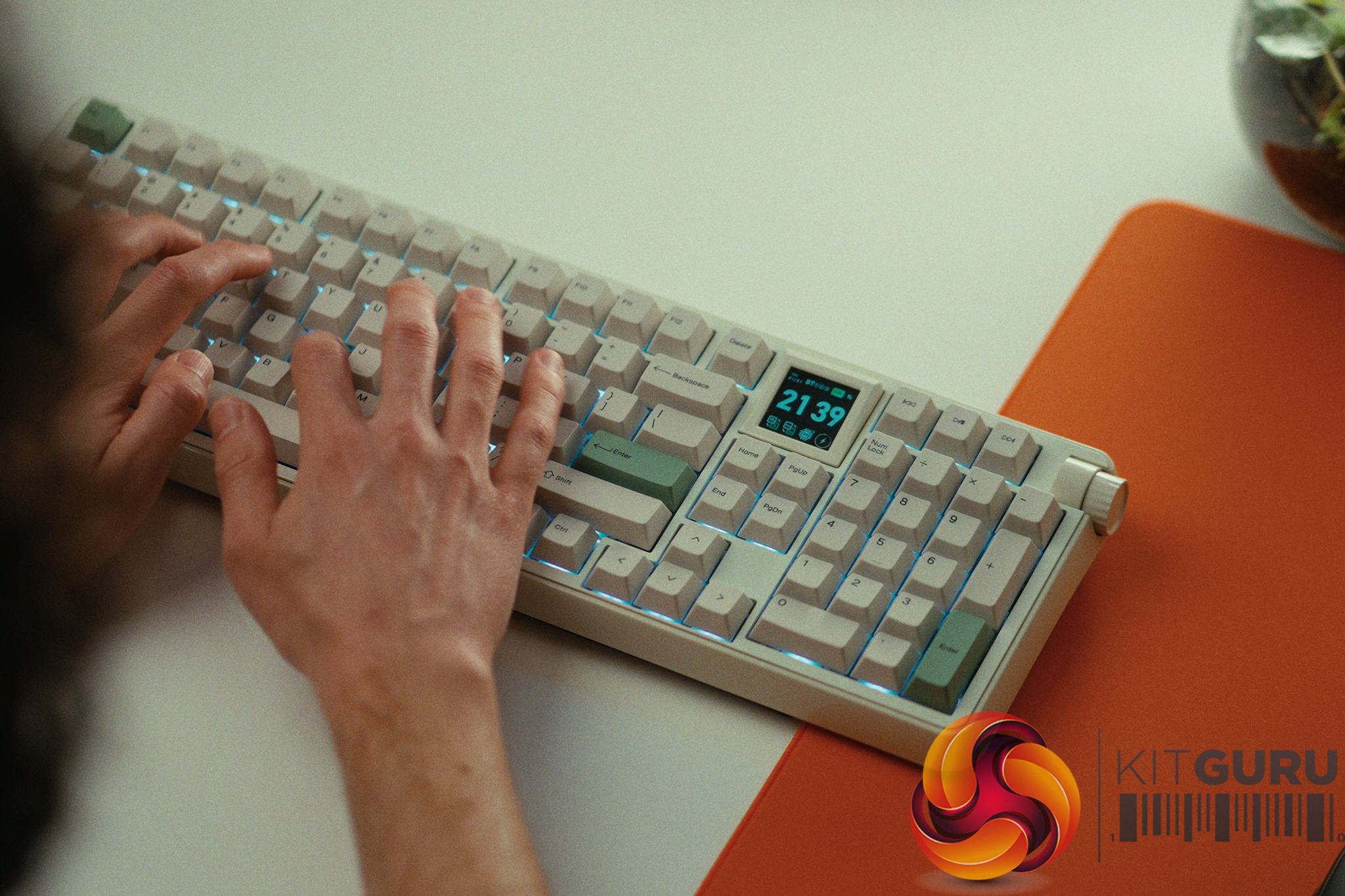
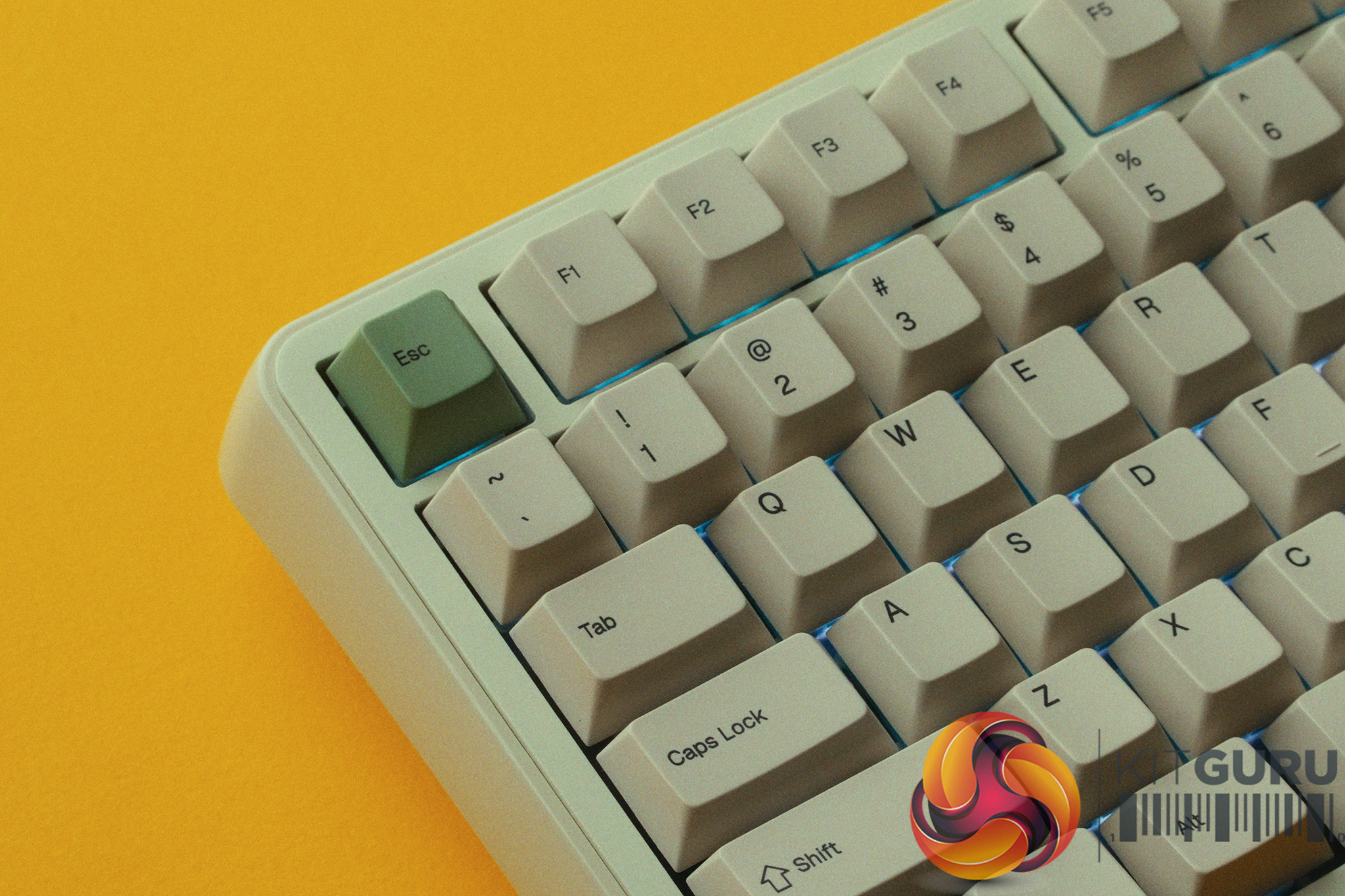
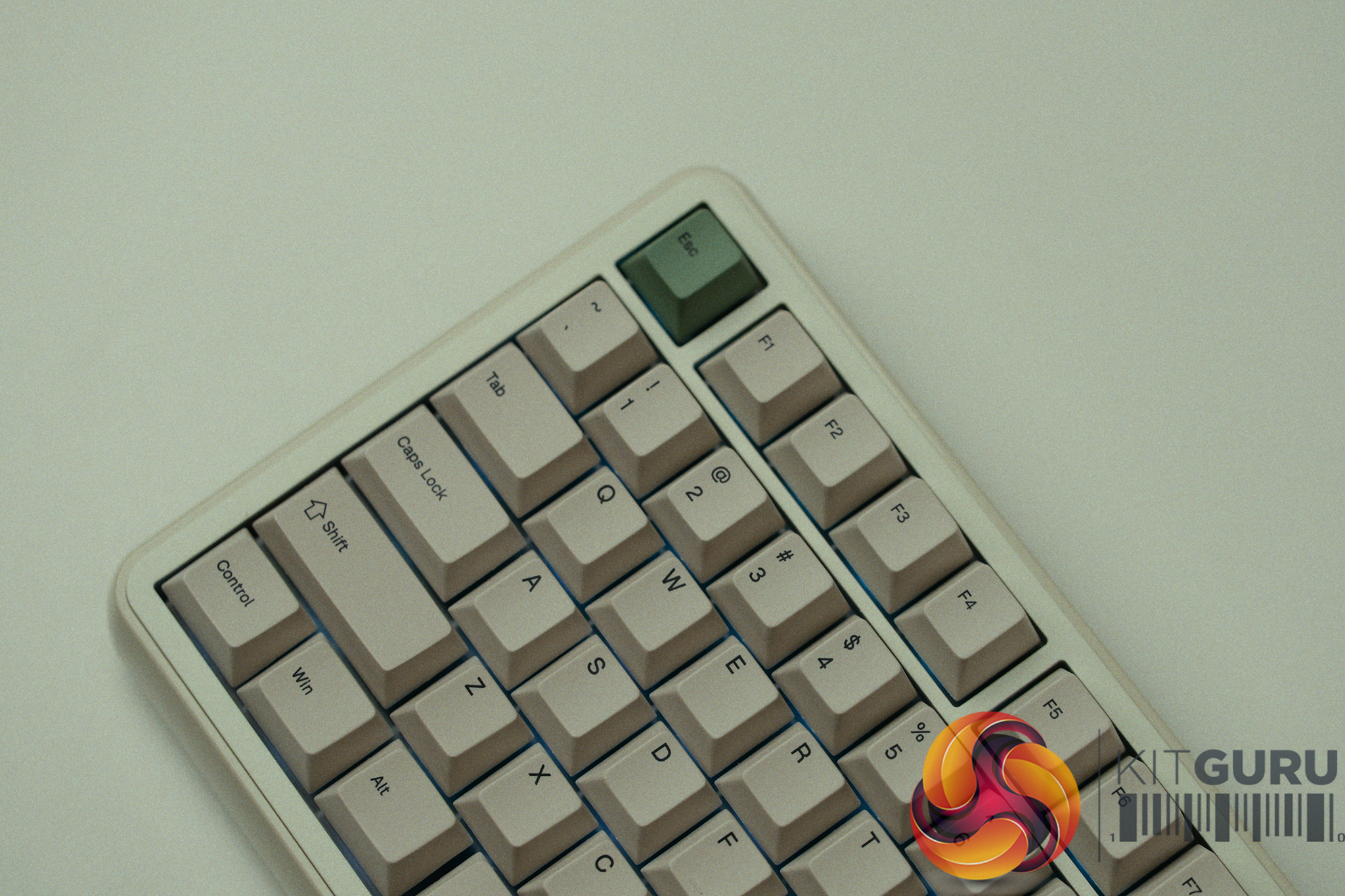
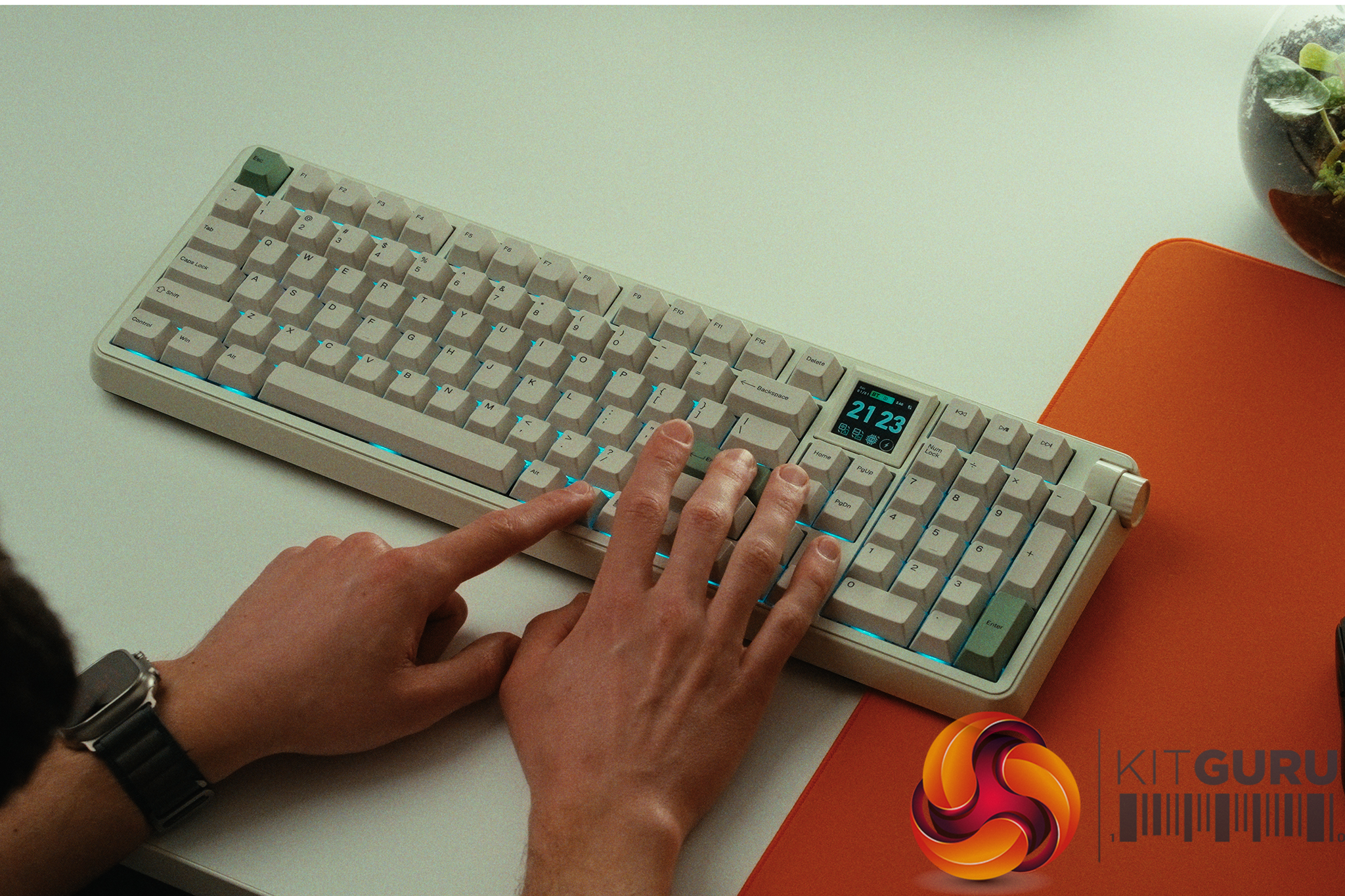
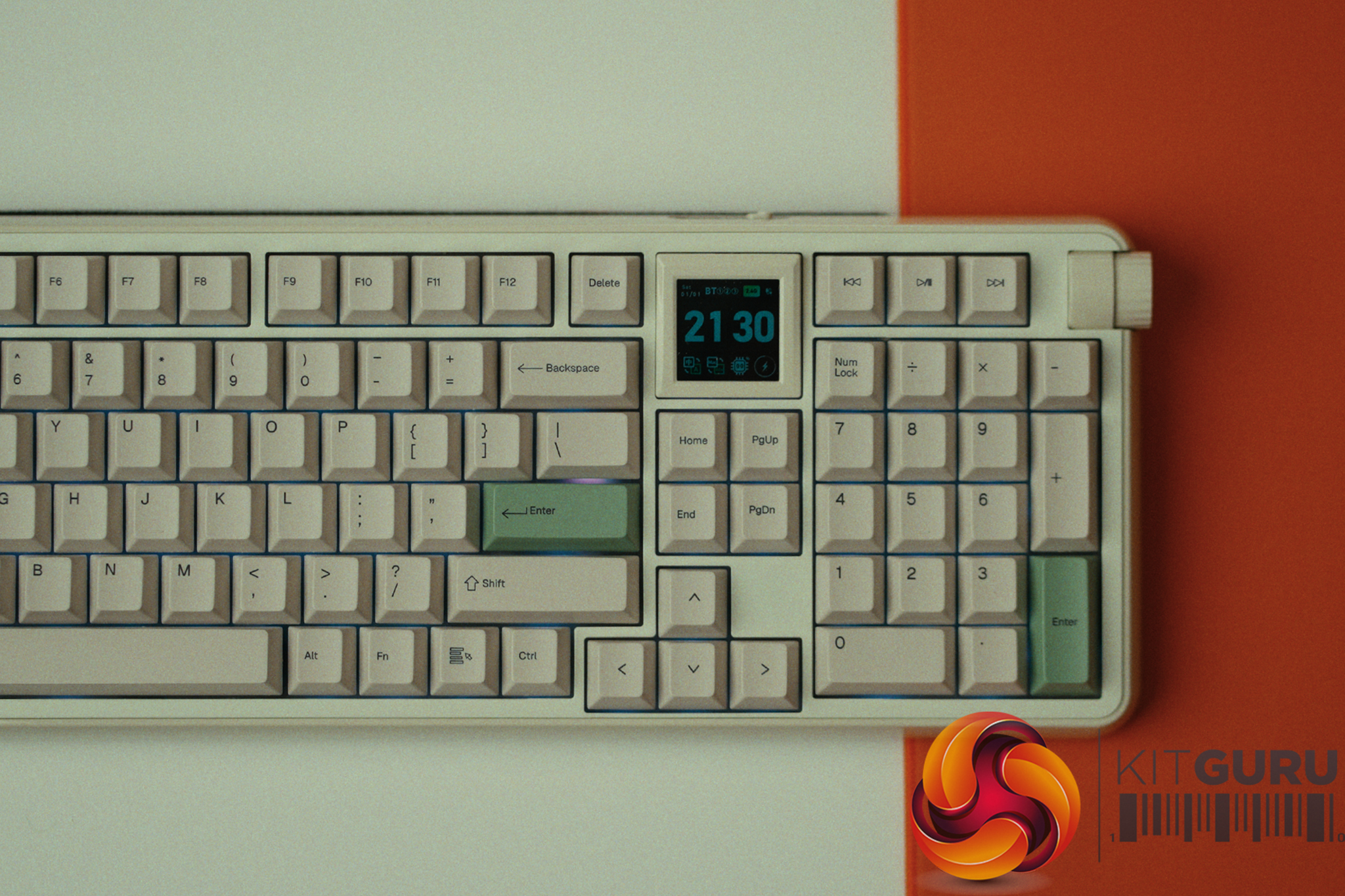
Specifications:
- Form Factor: Full-sized layout with Numpad.
- Connectivity: 2.4GHz Wireless, Bluetooth, and Wired USB-C.
- Keycaps: PBT (Retro styling).
- Switches & Stabs: Pre-lubed switches and pre-lubed plate-mounted stabilizers.
- Acoustics: Heavy on the internal silicone dampening and PE foam sheets.
- Features: Detachable mini smart and per-key RGB.
Closing Thoughts
The Epomaker RT100 Pro is a masterclass in masking plastic hardware with clever acoustic tricks, but it frustrated me the more I looked past the surface. To its credit, the keyboard sounds genuinely plesant out of the box. By stuffing the plastic shell with PE foam and thick silicone, and pairing that with smooth, pre-lubed switches and stabilizers, Epomaker has achieved a deep, marbly “thock” that many people can spend hours trying to replicate.
However, the heavily advertised detachable screen is poorly executed; it is incredibly dim, features muted colors, and completely loses its internal clock settings the moment it is detached or the keyboard battery dies. Furthermore, the plastic chassis feels cheap and prone to creaking, making the keyboard difficult to modify because removing any internal foam leaves the components feeling entirely too loose.
The worst offender proved to be the Epomaker software. Initially, in order to use features like the CPU monitor on the screen, you are forced to give the app full Windows Administrator rights. Once launched, it also silently starts multiple strange background services (with names like “screen_capture_service.exe”, “keyboard_monitor_service.exe” and “rhythm_service.exe”.
Thankfully, we reached out to Epomaker with our concerns and the company issued an update for the software, so such background services are now only started when needed for certain keyboard RGB settings, which is absolutely the right approach as things like the screen_capture_service.exe caused my GPU to spike by 20W at idle with random CPU spikes to boot and around 200mb of RAM permanently. In game the impact is even worse at around 20% performance drop.
Ultimately, for £129, the RT100 Pro nails keyboard basics but ends up being a frustrating experience as there is still lots of room for improvement when it comes to the software.
You can buy the Epomaker RT100 Pro for £129 HERE.
Pros:
- Well tuned, deep, and marbly acoustic profile right out of the box.
- Versatile tri-mode connectivity (2.4GHz, Bluetooth, Wired).
- Simple PBT keycaps that fit the retro aesthetic well.
Cons:
- Mediocre and sometimes resource-heavy software that focuses on quantity of features instead of quality implementation.
- The detachable screen is dim, loses its time settings when without power, and struggles to sync basic GIFs.
- Glossy plastic shell feels cheap and relies entirely on foam to hide its flaws.
- Per-key RGB is incredibly dim and arguably unnecessary for a retro board.
KitGuru says: The Epomaker RT100 Pro looks great on a desk and sounds fantastic out of the box, but it is ultimately let down by a gimmicky screen and mediocre software.