KitGuru KitGuru.net – Tech News | Hardware News | Hardware Reviews | IOS | Mobile | Gaming | Graphics Cards


Seemingly named after the famous Counter-Strike map, the Cougar Dust 2 is a Mini-ITX case geared towards easy portability. Thanks to a pair of handles on top, you can move your rig around with ease, which can be particularly useful when heading to LANs.
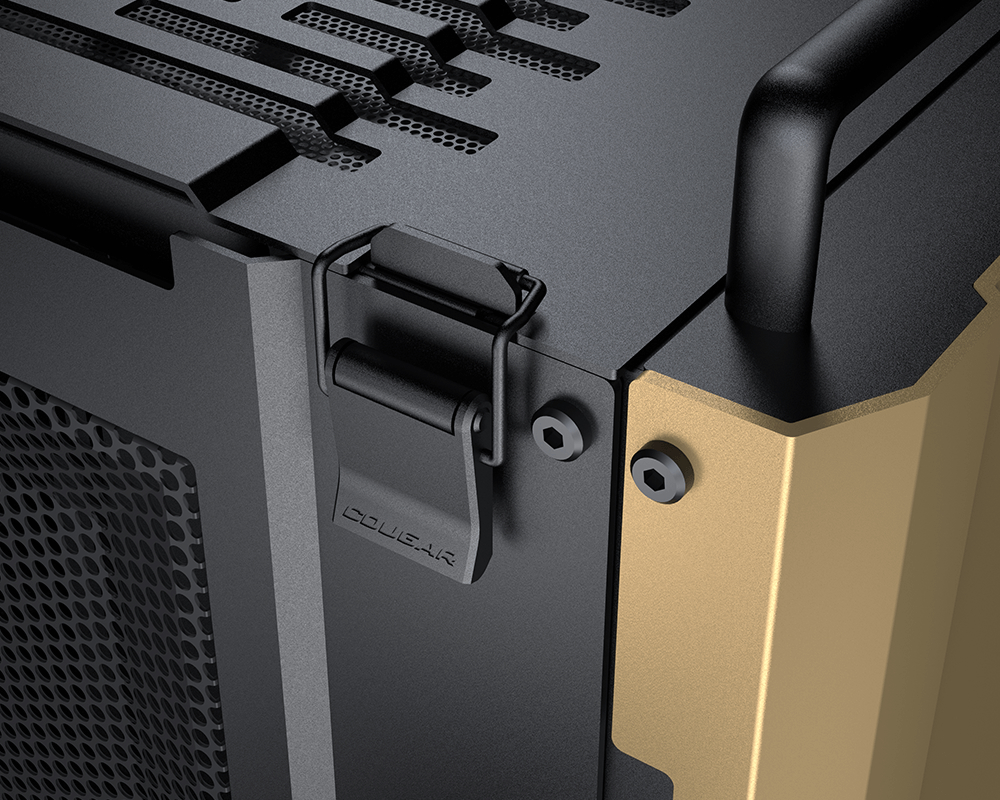
Each Dust 2 case has two anodised and coloured aluminium panels with a sandblasted finish, one in the front and another in the rear. Depending on which model you choose, these panels can be coloured in Desert Sand, Iron Gray, or Space Silver. As for the rest of the case, it's mostly made of aluminium alloys and folding angles.
The two handles on top let you easily transport the case through your house if you want to play in the living room or bring it to a LAN party. On the inside, you'll find two individual chambers: one for the CPU and the PSU and another for the GPU. Both intake air directly from the outside thanks to the meshed side panels, but each has its own airflow path. In this design, heat from different components shouldn't affect each other, lowering system temperatures to prevent throttling.
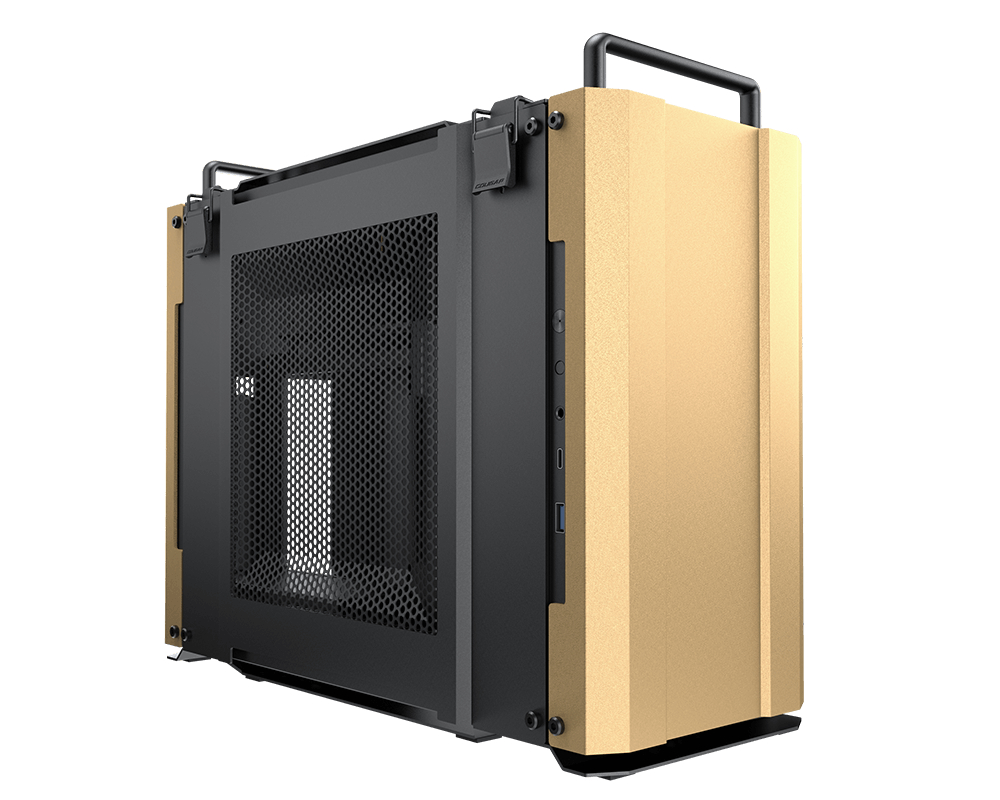
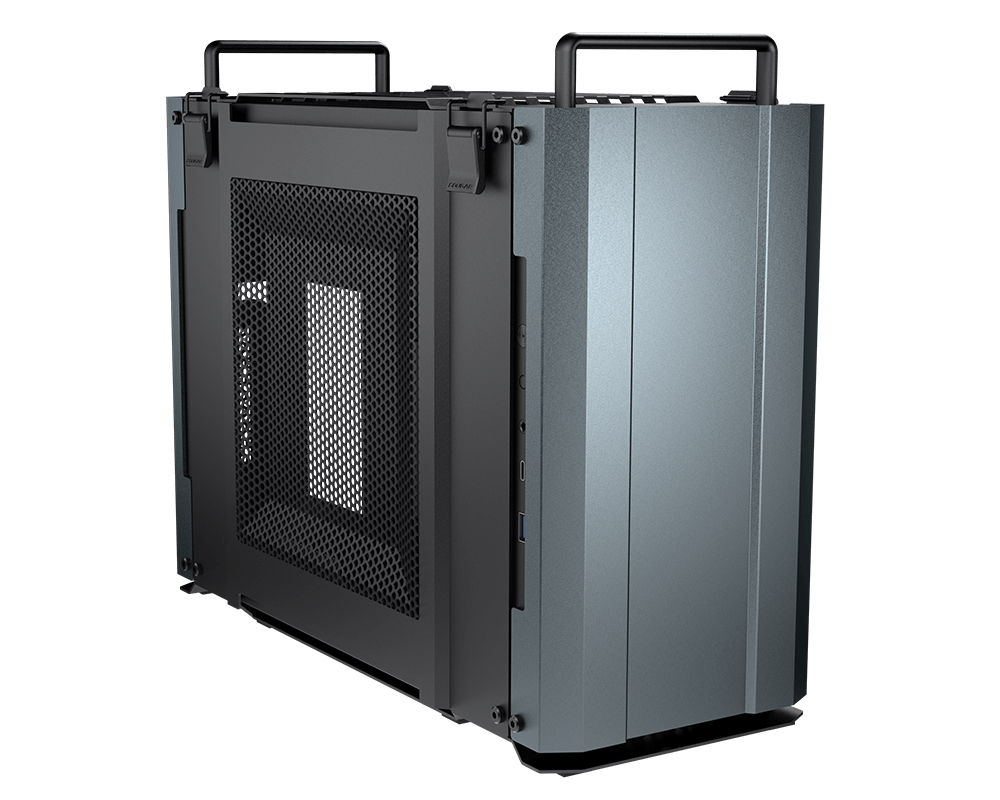
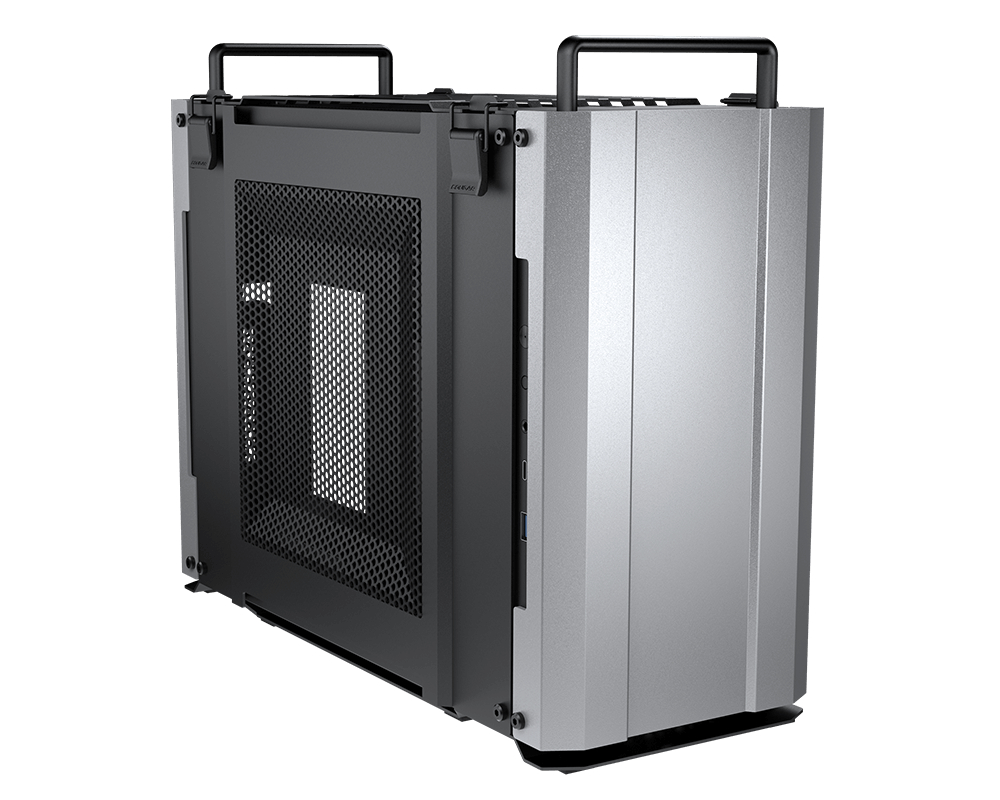
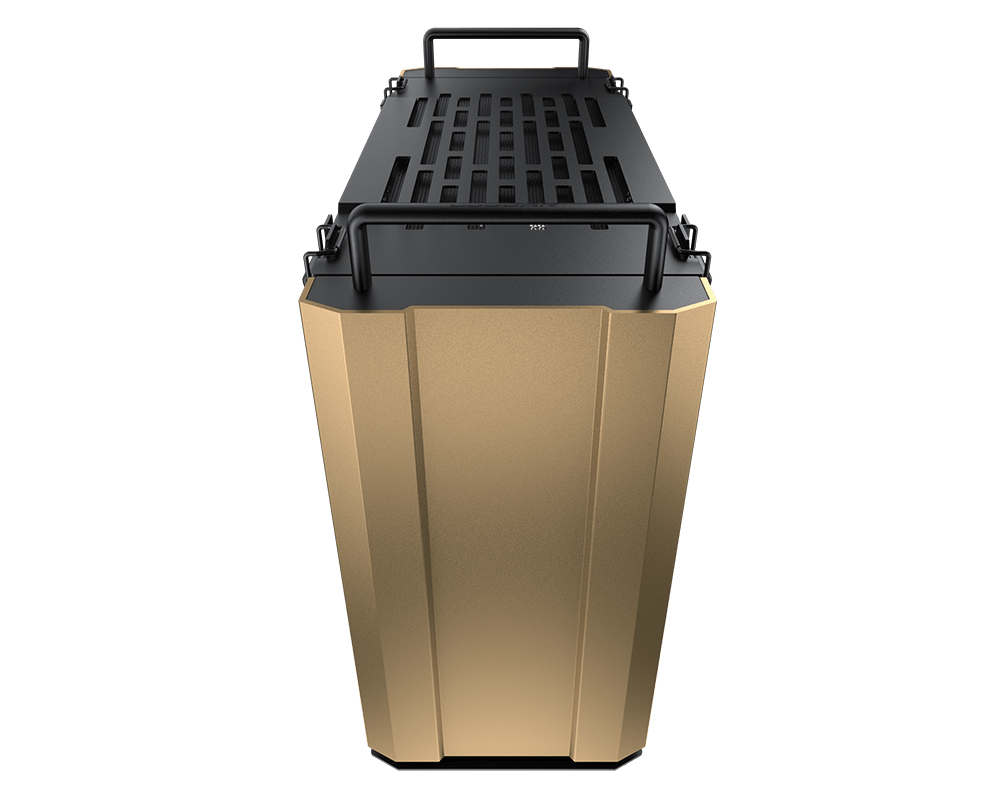
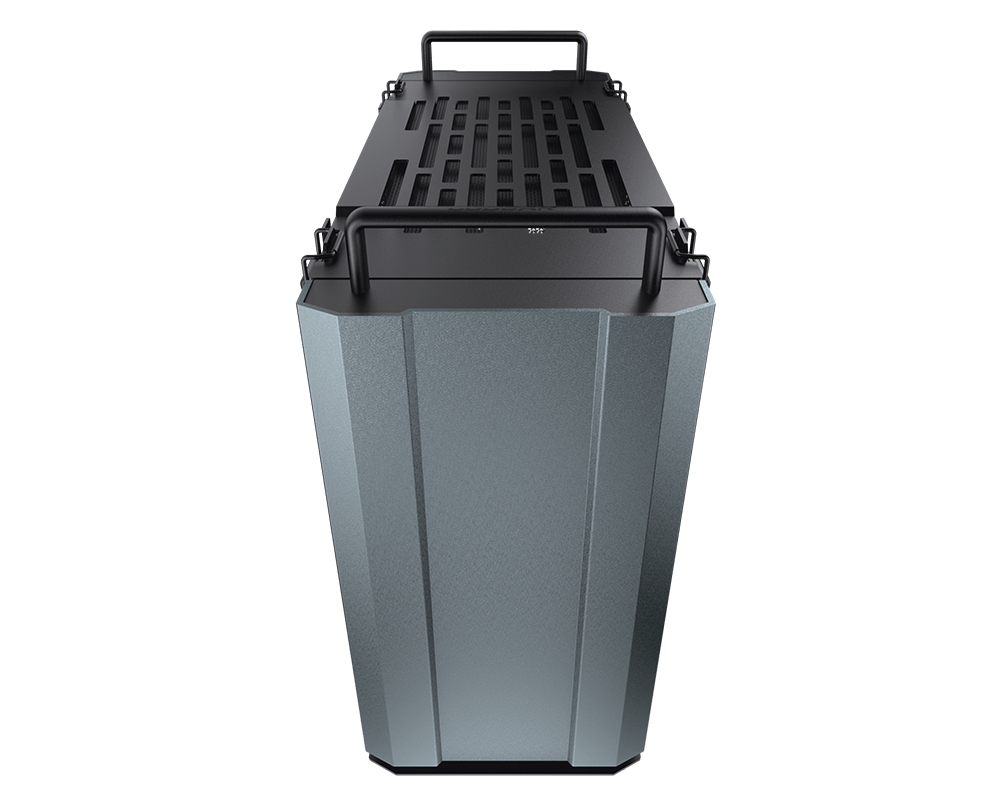
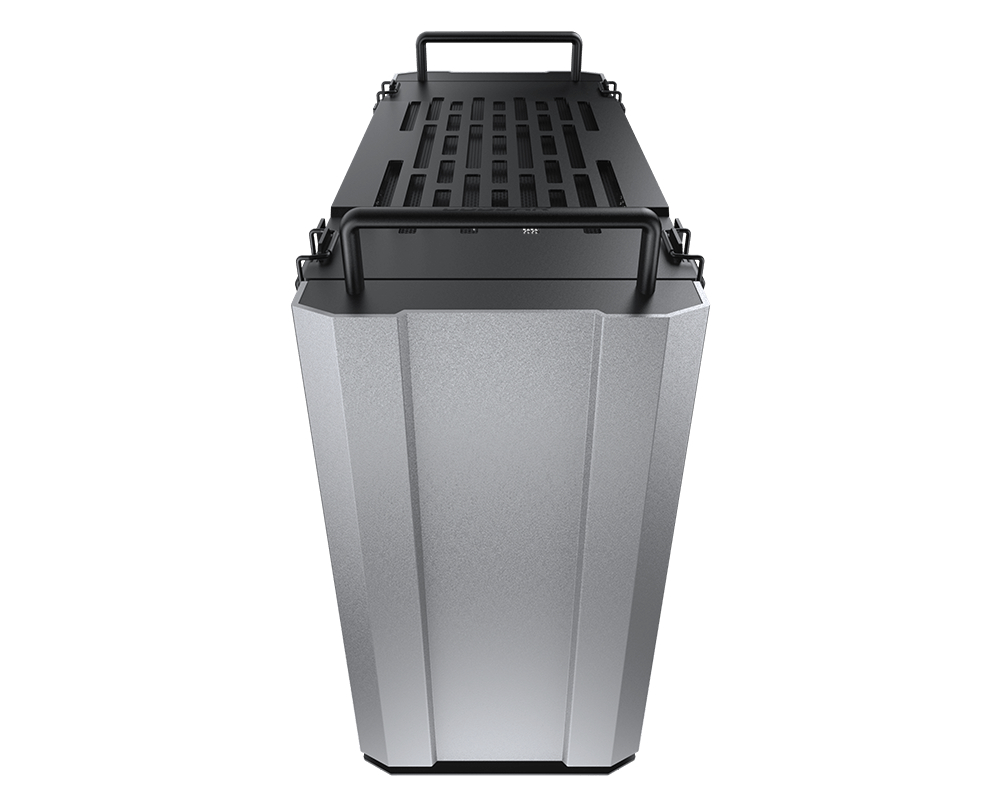
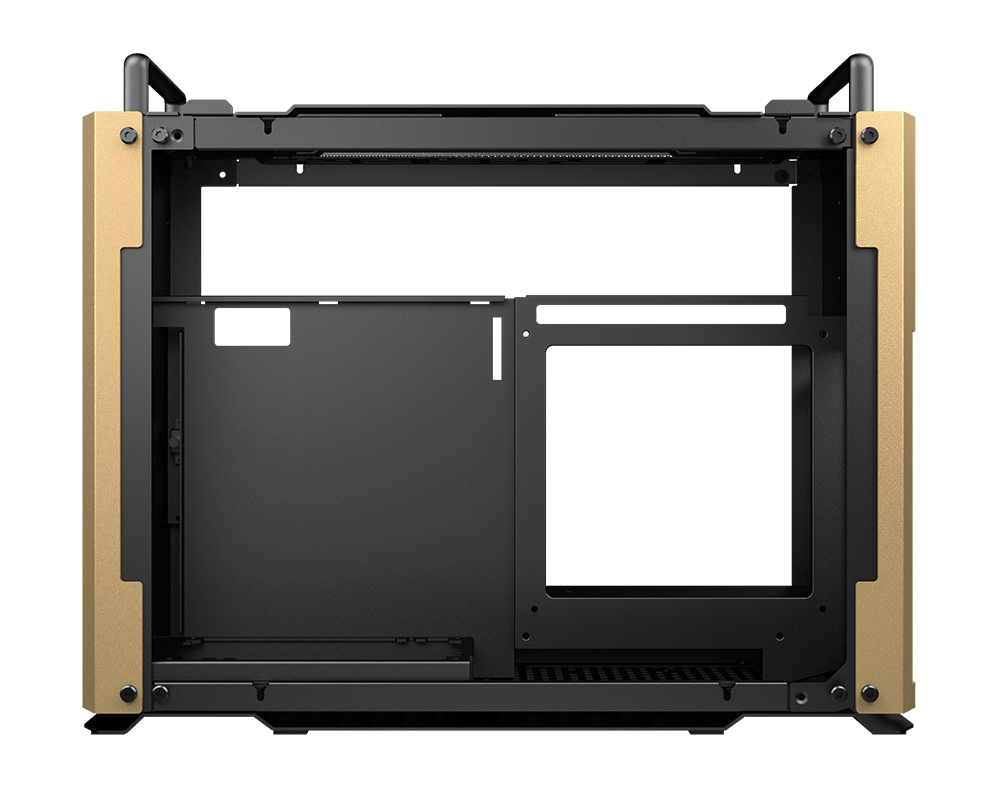
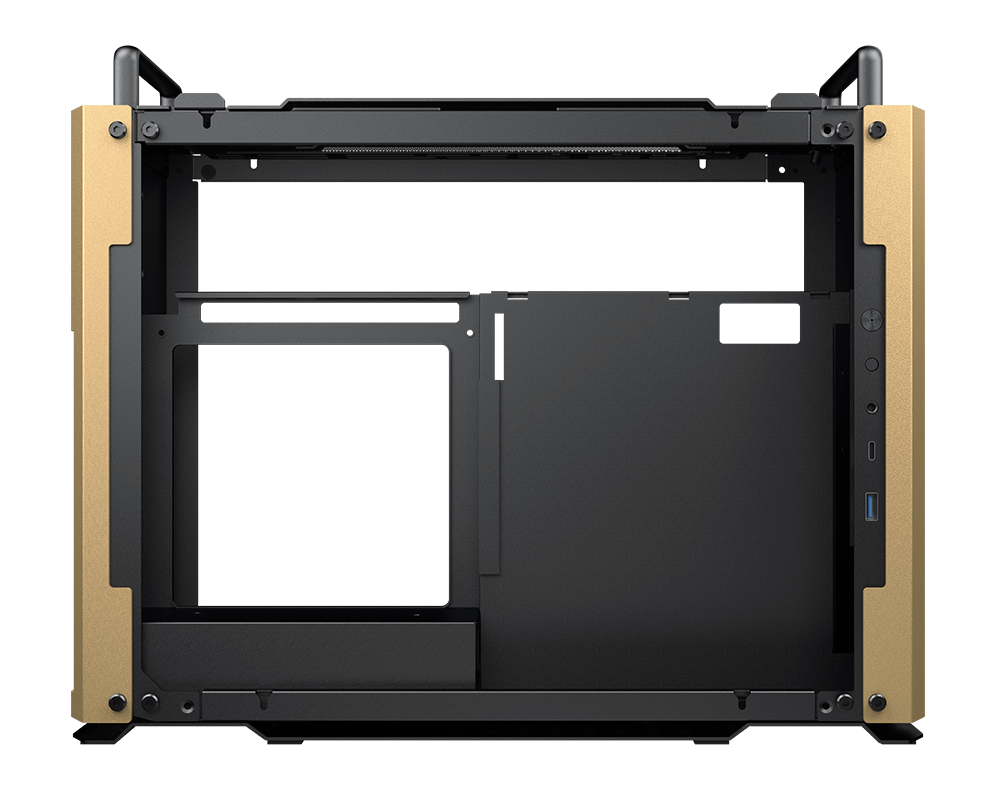
Despite being a 21-litre case, there's space for 330mm long GPUs, 160mm long PSUs, and 70mm tall CPU coolers inside the Dust 2. The case has 2x expansion slots, 2x bays 2.5-inch drives and space for a 3.5-inch drive on the top panel, but only if you don't mount a 280/240mm radiator (maximum height of 55mm). Moreover, the top panel also supports 2x 140mm/120mm fans. As for the front I/O panel, it has a USB-C 3.1 Gen2 connector, a USB-A 3.0 connector, and a 3.5mm audio jack.
A PCIe 16x Gen3 high-speed riser card and two 120mm fans are included. Pricing has not yet been revealed. Discuss on our Facebook page, HERE.
KitGuru says: Thanks to the chambered interior design and mesh panels for air intake, this case should offer decent cooling. What do you all think of the new Cougar Dust 2?