KitGuru KitGuru.net – Tech News | Hardware News | Hardware Reviews | IOS | Mobile | Gaming | Graphics Cards


A new report detailing the size of Intel's new socket V (LGA1700) claims that the new socket will have a lower height and feature a more rectangular hole pattern, strengthening the rumours about Alder Lake processors coming in a rectangular shape, although it may come at the cost of cooler compatibility.
Unlike the LGA1200 socket used by Rocket Lake CPUs, Alder Lake's LGA 1700 will be more rectangular and thinner by 1mm. This information comes from Igor's LAB, which had access to the schematics and 2D model of the new reference cooler for processors based on socket V.
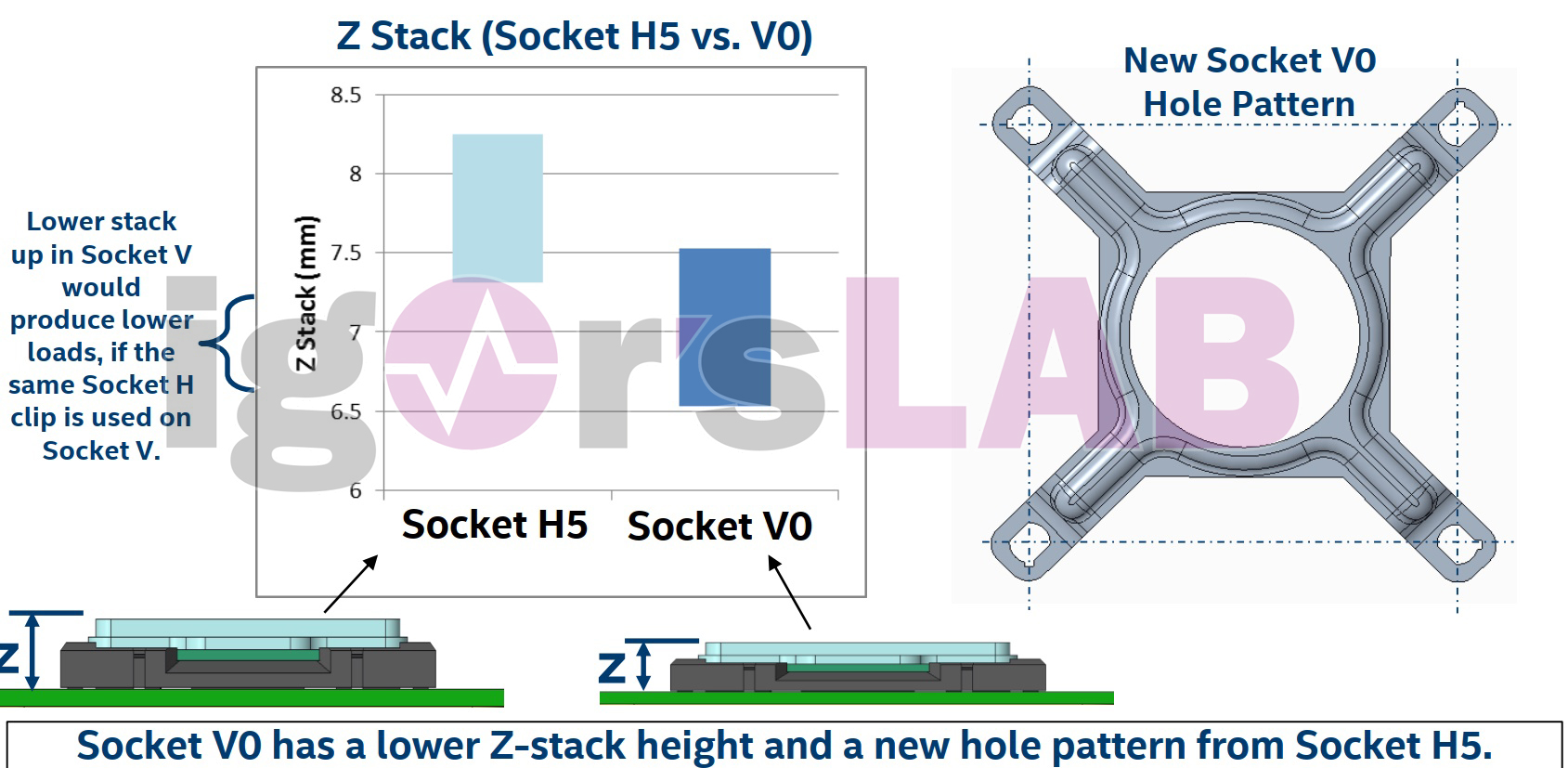
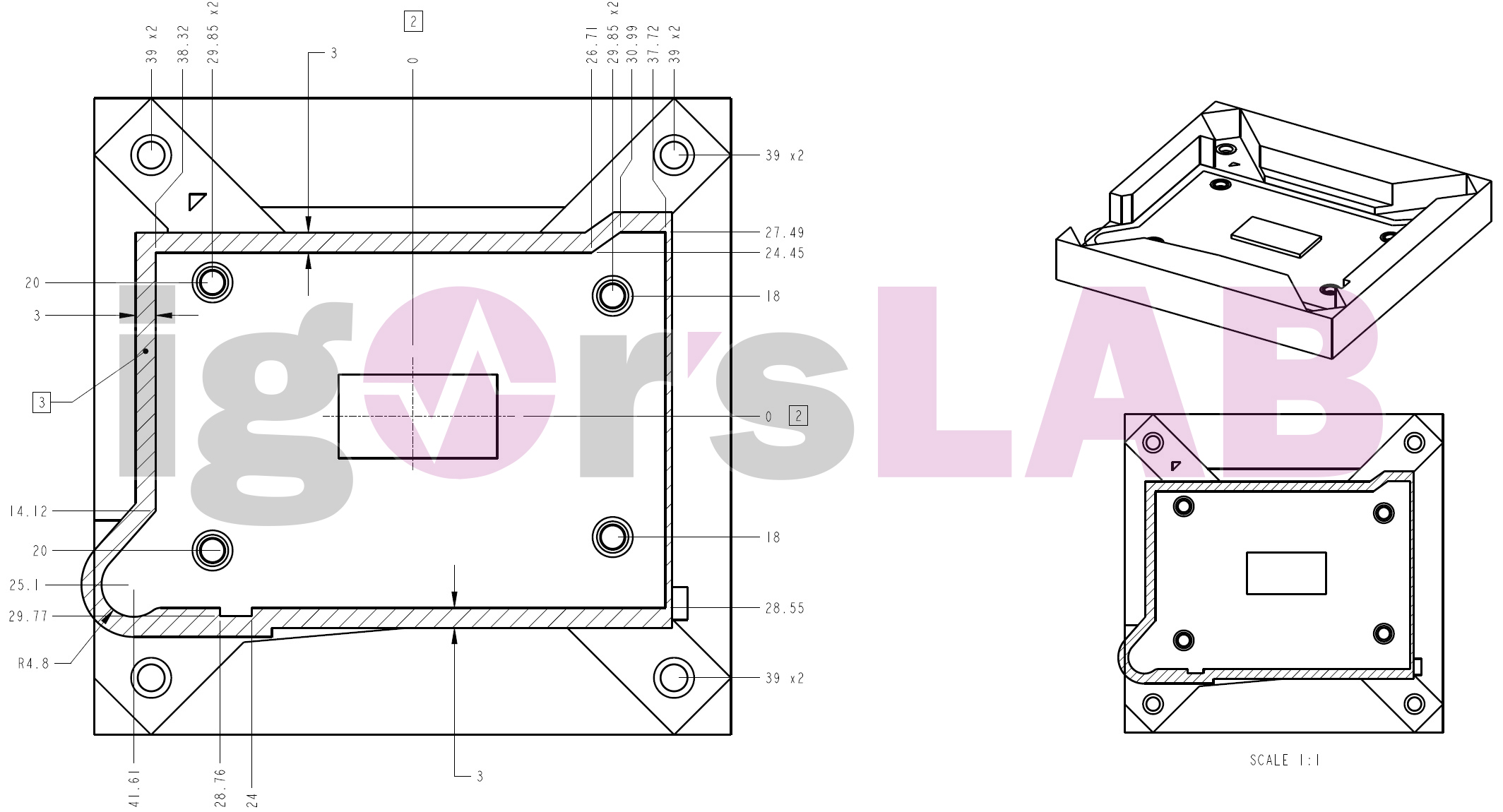
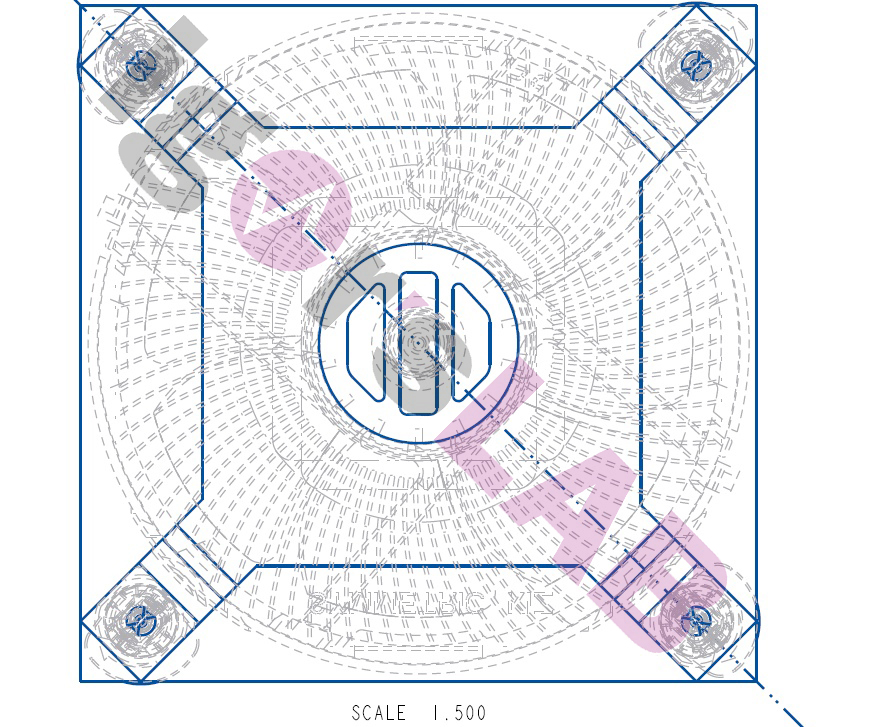
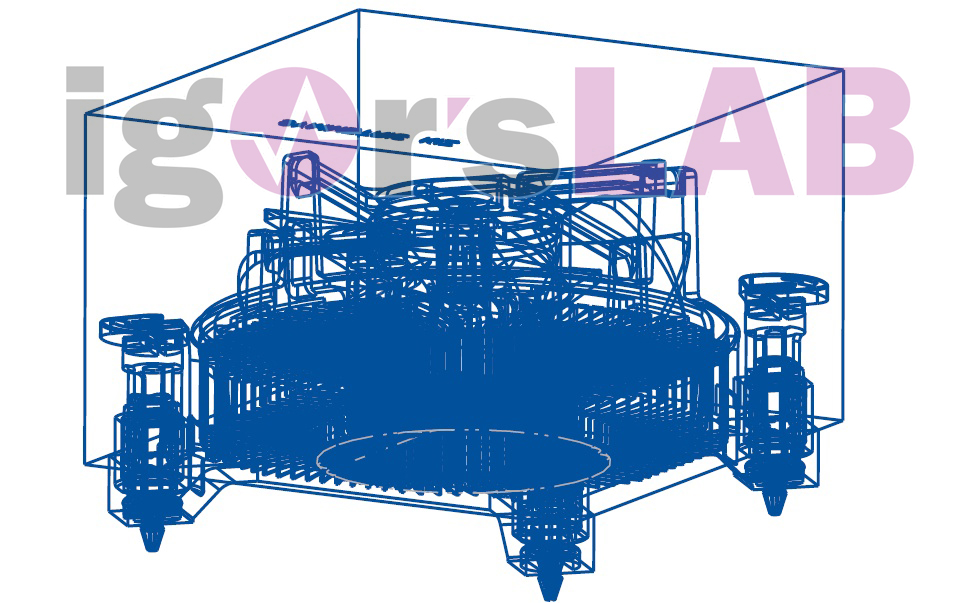
Image credit: Igor's LAB
As per the schematics, the new hole pattern will measure 35.5×45.0mm, meaning that the upcoming Alder Lake processors are smaller than most modern HEDT CPUs. Considering this will be the first socket sized like this, existing coolers will only be compatible if cooler manufacturers release a proper bracket for the new socket – similarly to the upgrade kits that many cooler companies supplied during the transition from AM3 to AM4 on AMD systems.
This leak also brings about news for Intel's new reference CPU cooler, suggesting that Intel still plans to use Peltier effect-based cooling on its upcoming platform despite its inefficiency (cooling power consumption ≈ CPU power consumption).
KitGuru says: Socket changes are pretty routine for Intel, but they rarely change dimensions, enabling compatibility with popular CPU cooling solutions. With Alder Lake-S, the situation appears to be very different.