KitGuru KitGuru.net – Tech News | Hardware News | Hardware Reviews | IOS | Mobile | Gaming | Graphics Cards


Earlier this week following the publication of an interview with Intel's Michelle Johnston Holthaus, Executive VP and GM of the Client Computing Group, we learned that Meteor Lake processors would be coming to desktops. As it turns out, this statement was only partially true as Intel has now offered clarification.
In a statement, an Intel spokesperson told ComputerBase that Meteor Lake will power “desktop form factors such as All-in-One (AIO)”. This is an important clarification as AIO desktop machines often use repurposed notebook chips, soldered onto a board much like a laptop. So while Meteor Lake processors may be available in desktop form factors, they will not be available for desktop in the classic sense.
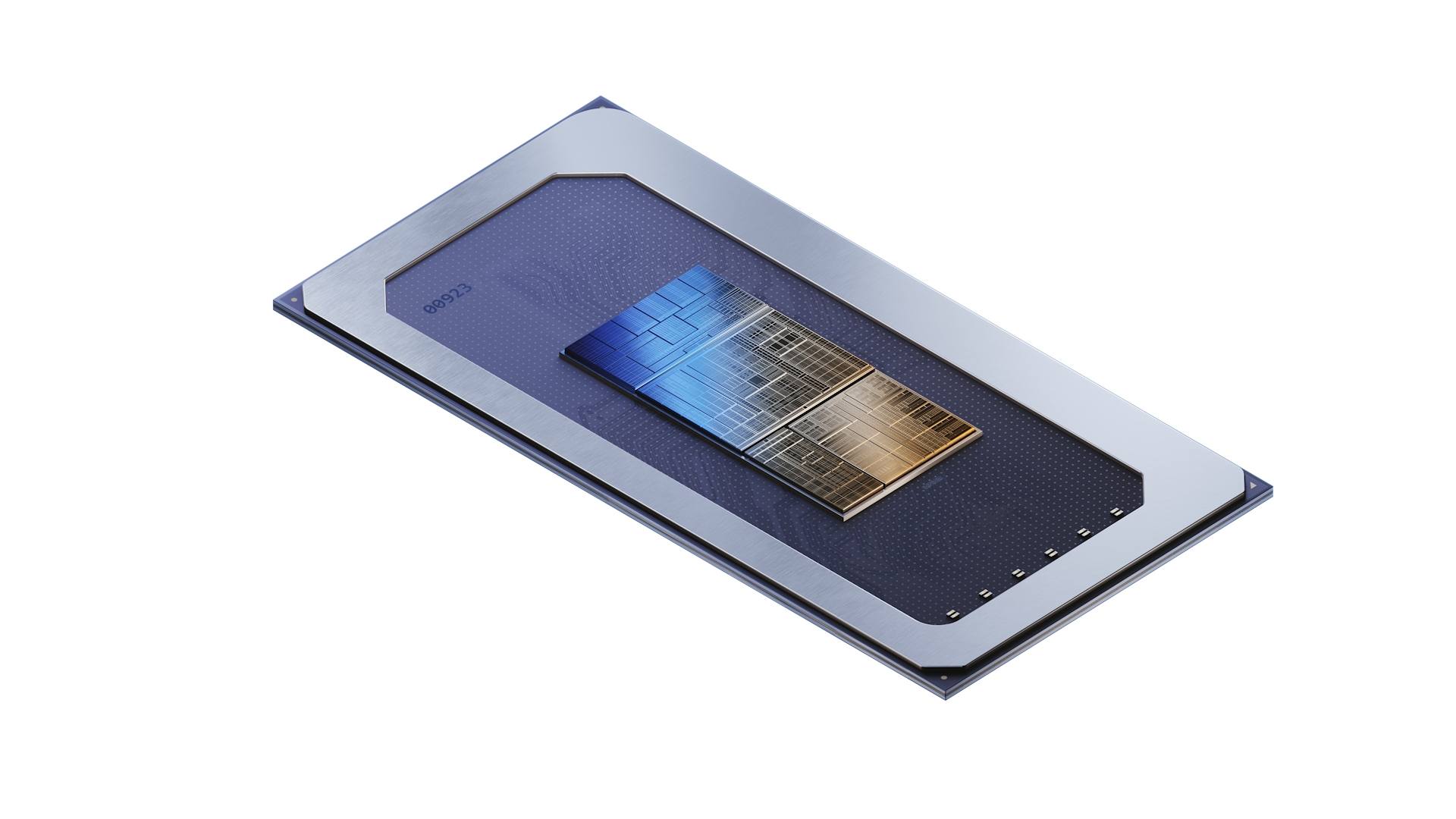
Here's the full quote: “Meteor Lake is a power efficient architecture that will power innovative mobile and desktop designs, including desktop form factors such as All-in-One (AIO). We will have more product details to share in the future.”
Intel Meteor Lake will make its debut with the first Intel Core Ultra processors in mid-December. At first, these processors will be reserved for laptops and notebooks but OEMs will have the option to put them into all-in-one PCs or perhaps even mini PCs like the NUC line in 2024. You won't actually be able to go out and buy a Meteor Lake processor as a consumer to use in a PC build.
Discuss on our Facebook page, HERE.
KitGuru Says: This is an important clarification to get, particularly given how widespread reports of Meteor Lake for desktop became in recent days.