KitGuru KitGuru.net – Tech News | Hardware News | Hardware Reviews | IOS | Mobile | Gaming | Graphics Cards


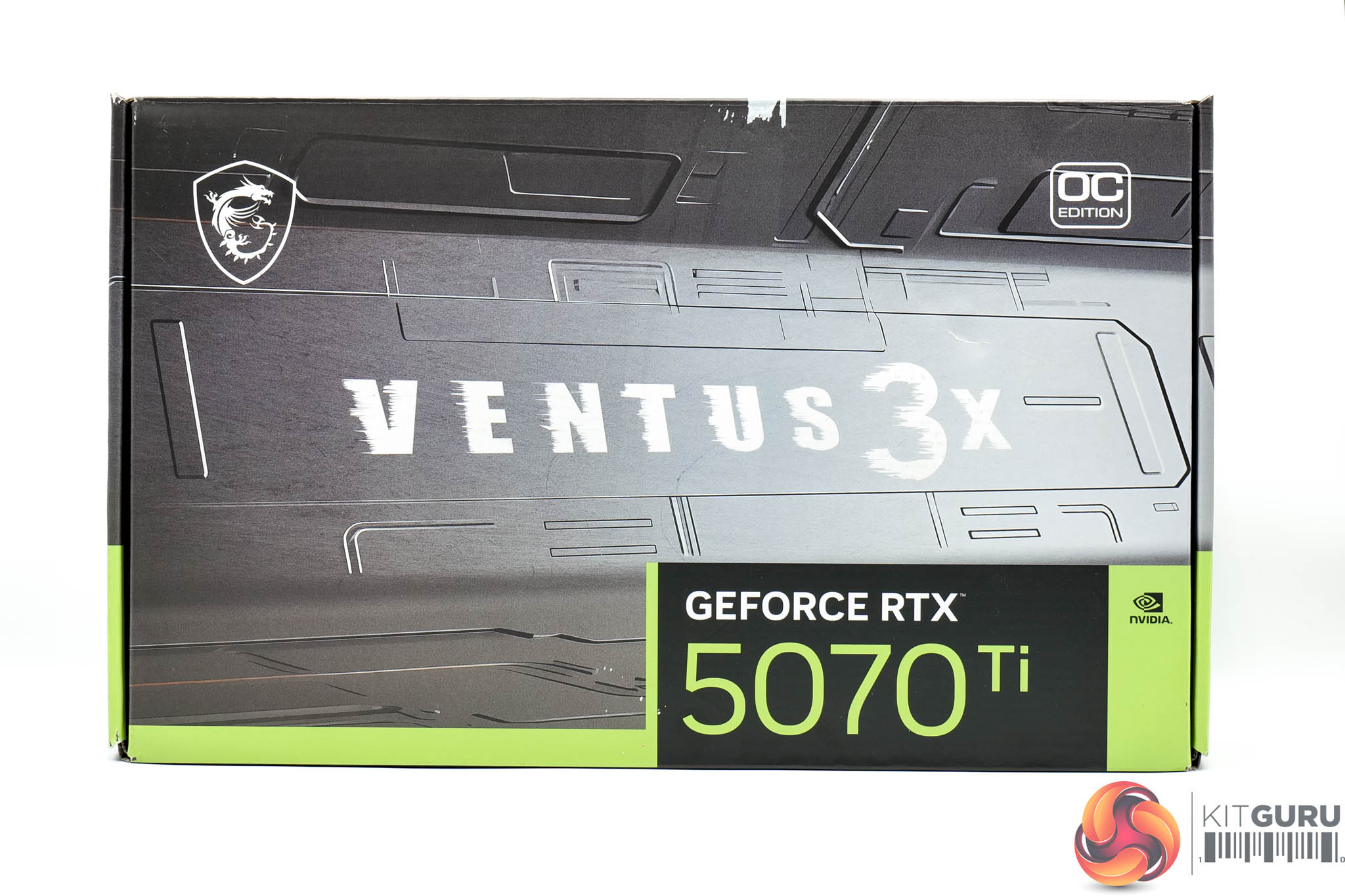
The MSI RTX 5070 Ti Ventus 3X ships in a grey box, with the Ventus branding visible on the front.
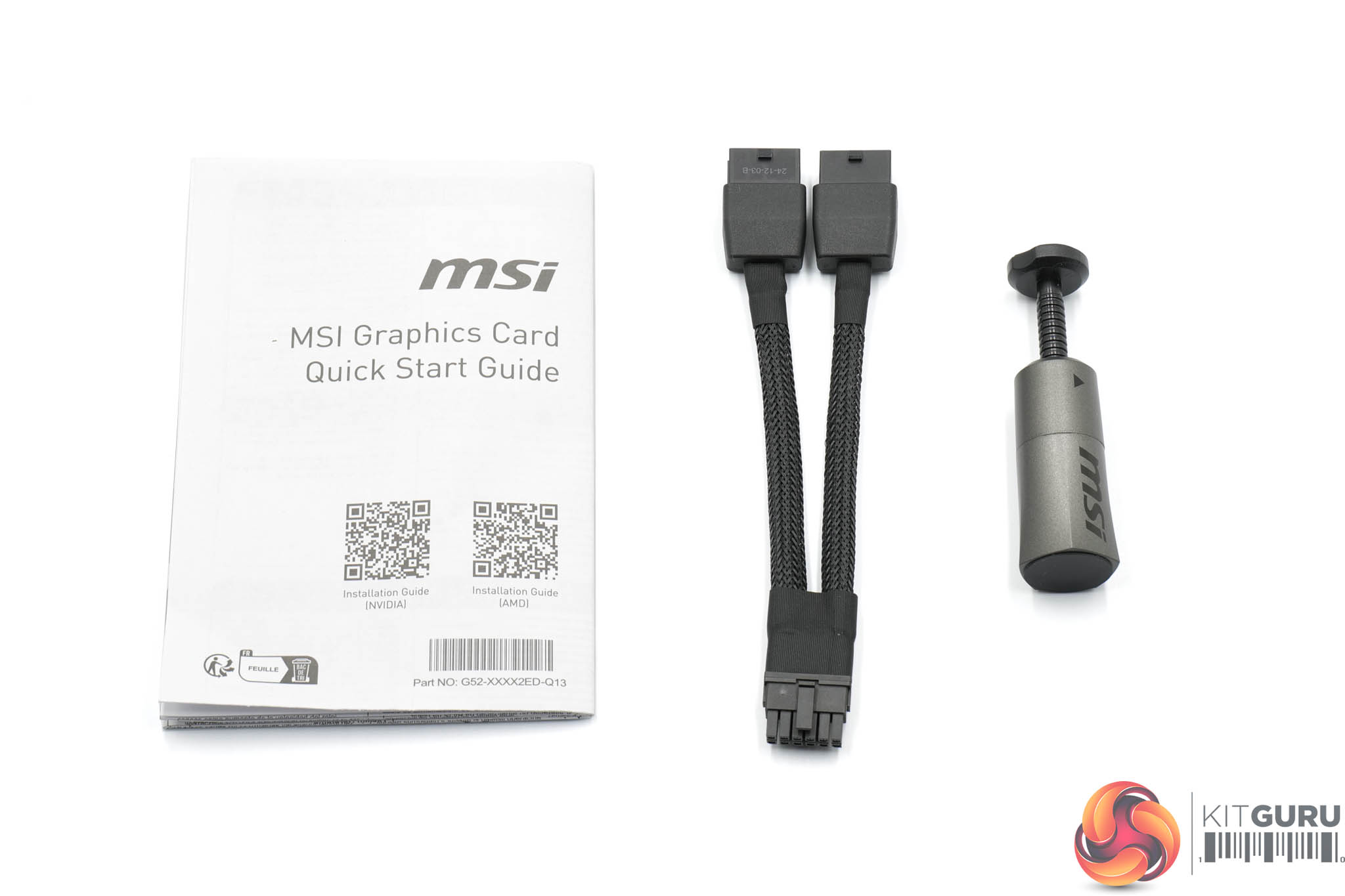
Inside, a quick start guide is included alongside the dual 8-pin to 12V-2X6 adapter, as well as a GPU support stand to prevent any unwanted sag.
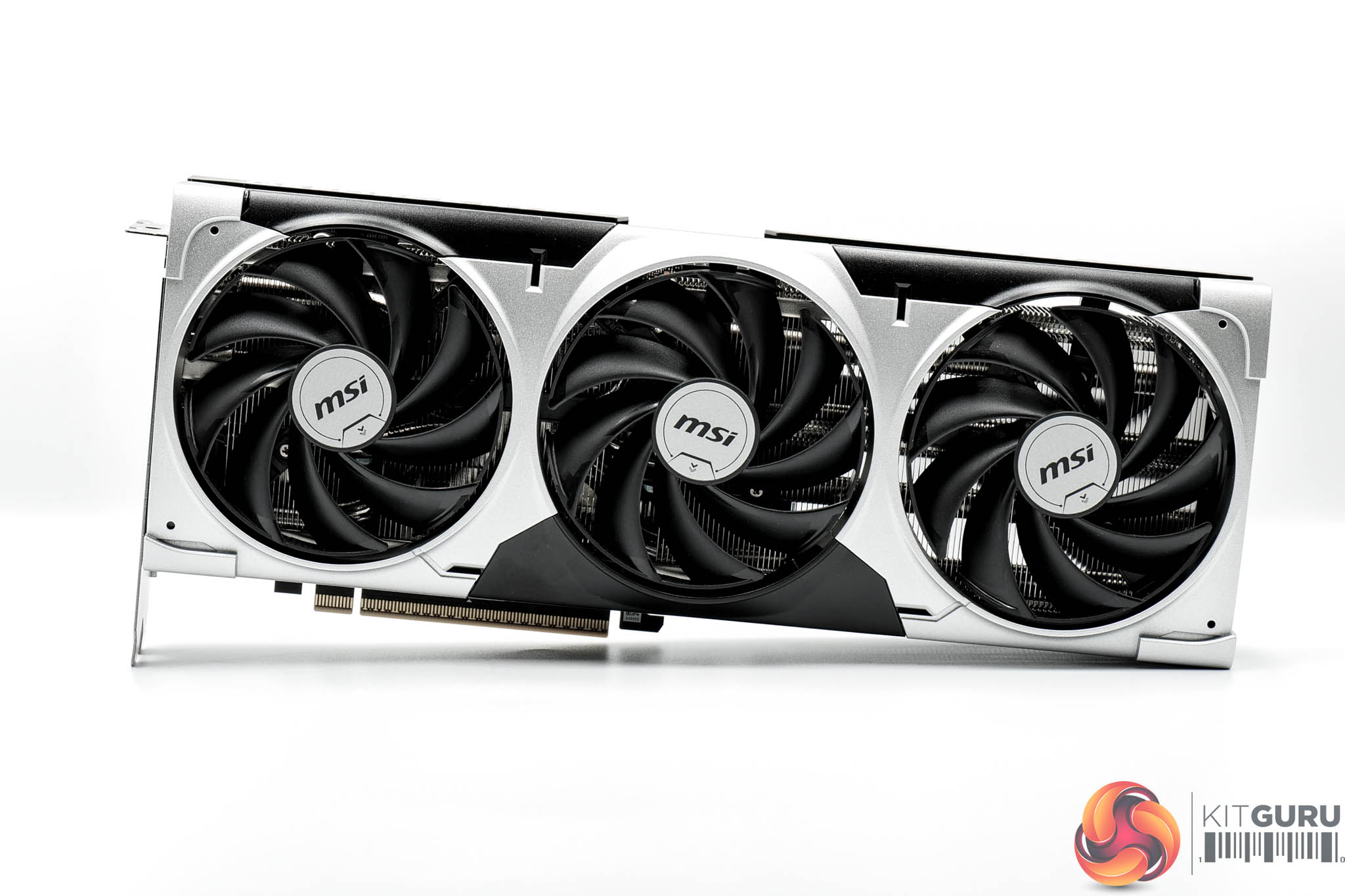
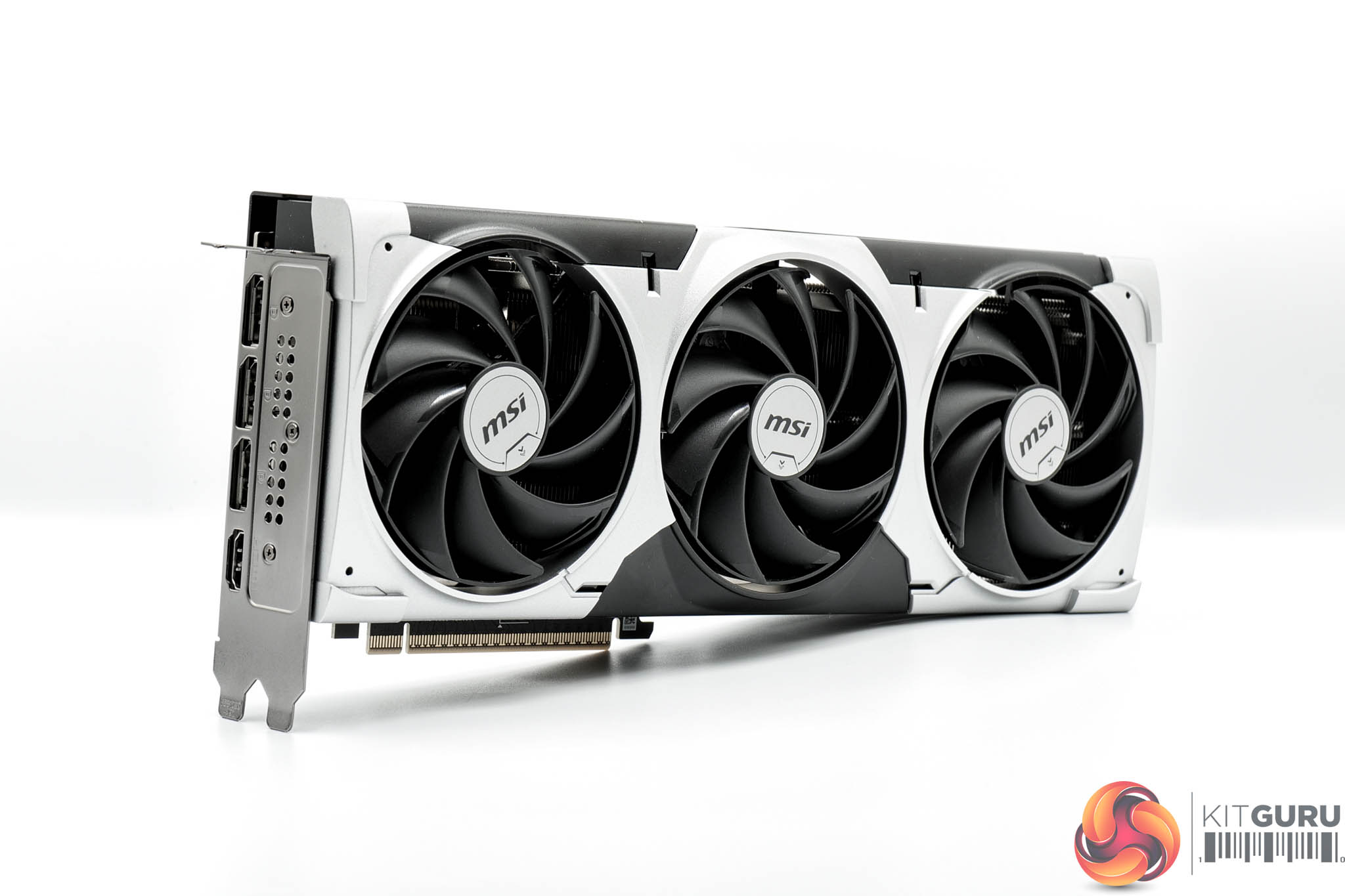
As for the card itself, the design is more or less identical to the RTX 4070 Ti Super Ventus 3X we looked at last year. That means we find a black and silver plastic shroud which looks fine, but it doesn't strike me as an overly stylish design, but that's personal preference. Build quality is also somewhat plasticky, and while I understand this is an MSRP card, it's still over £700.
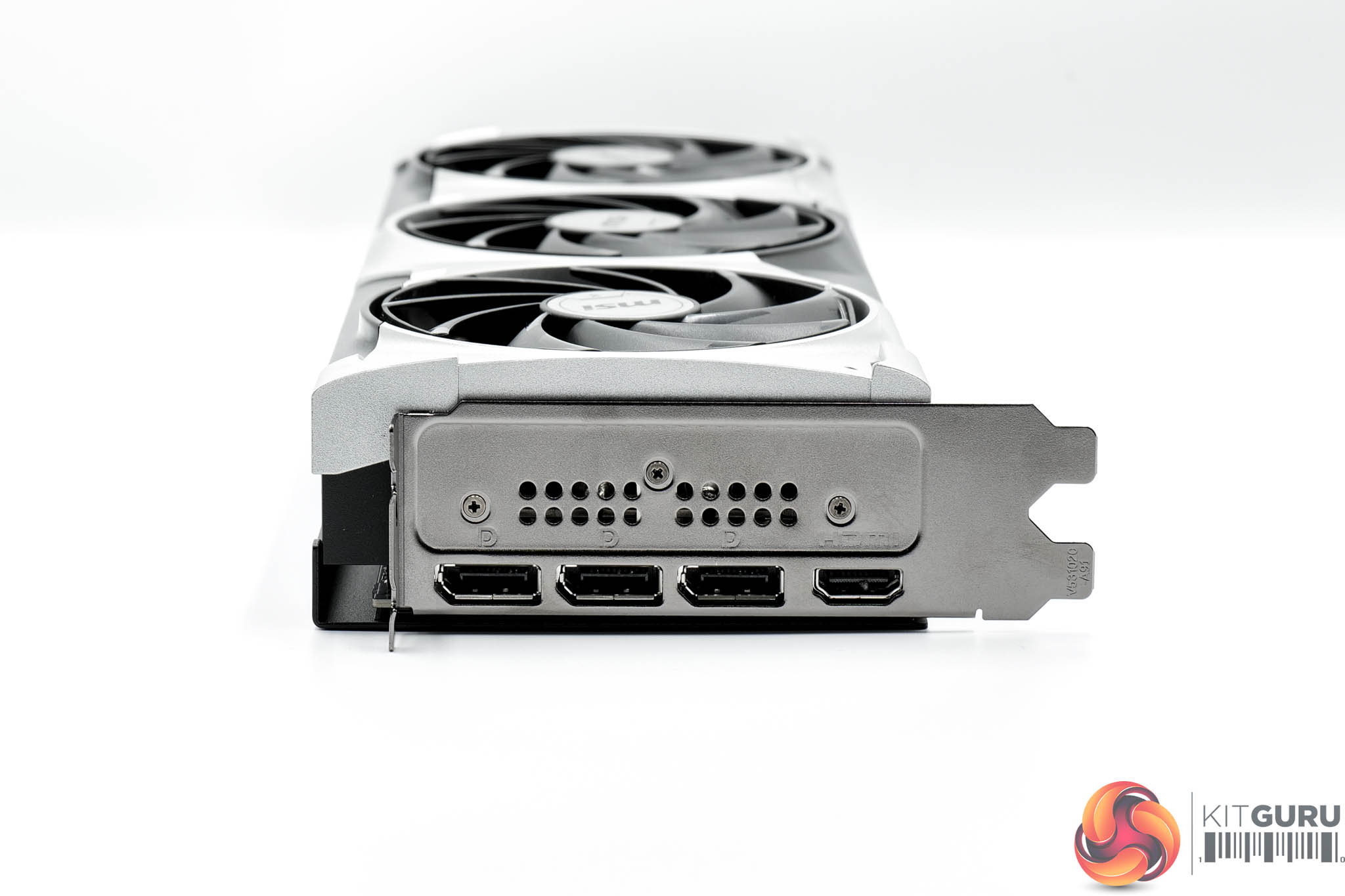
It features three of MSI's new Torx 5.0 fans, each measuring 90mm in diameter.
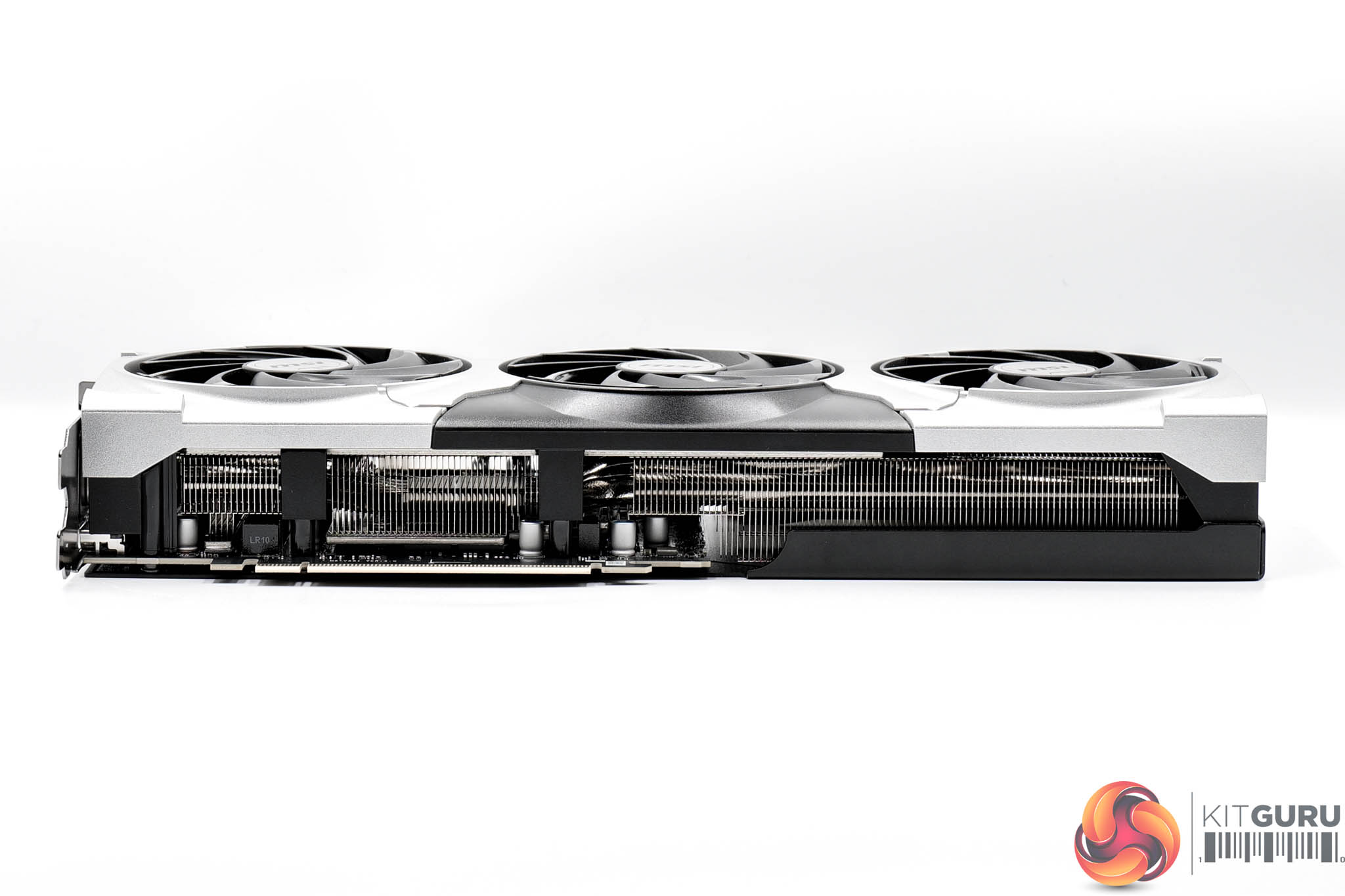
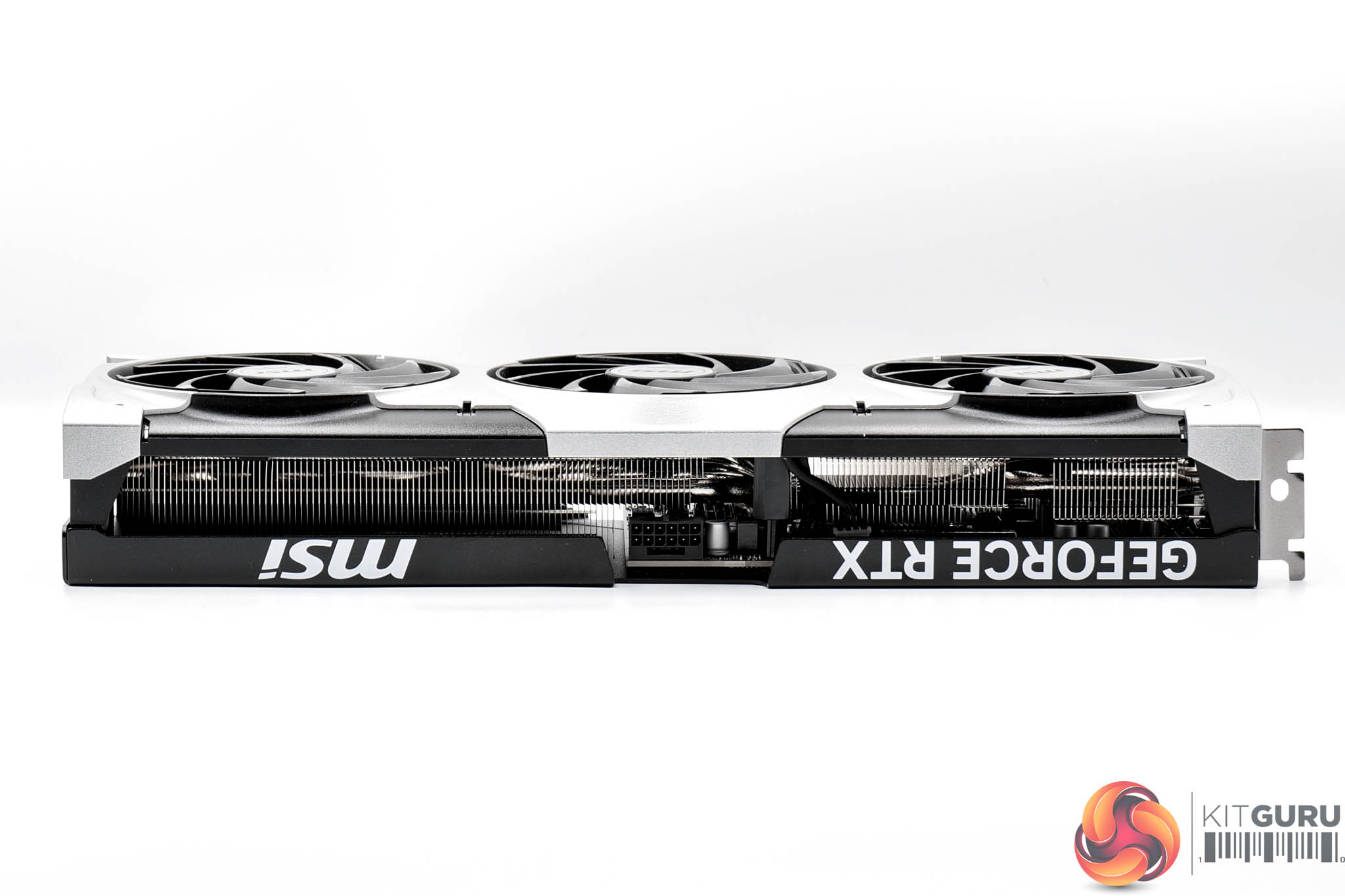
Now it's not a small graphics card by any means, but it is relatively compact by modern standards, measuring in at 303 x 121 x 49 mm, while it weighs 1073g according to MSI.
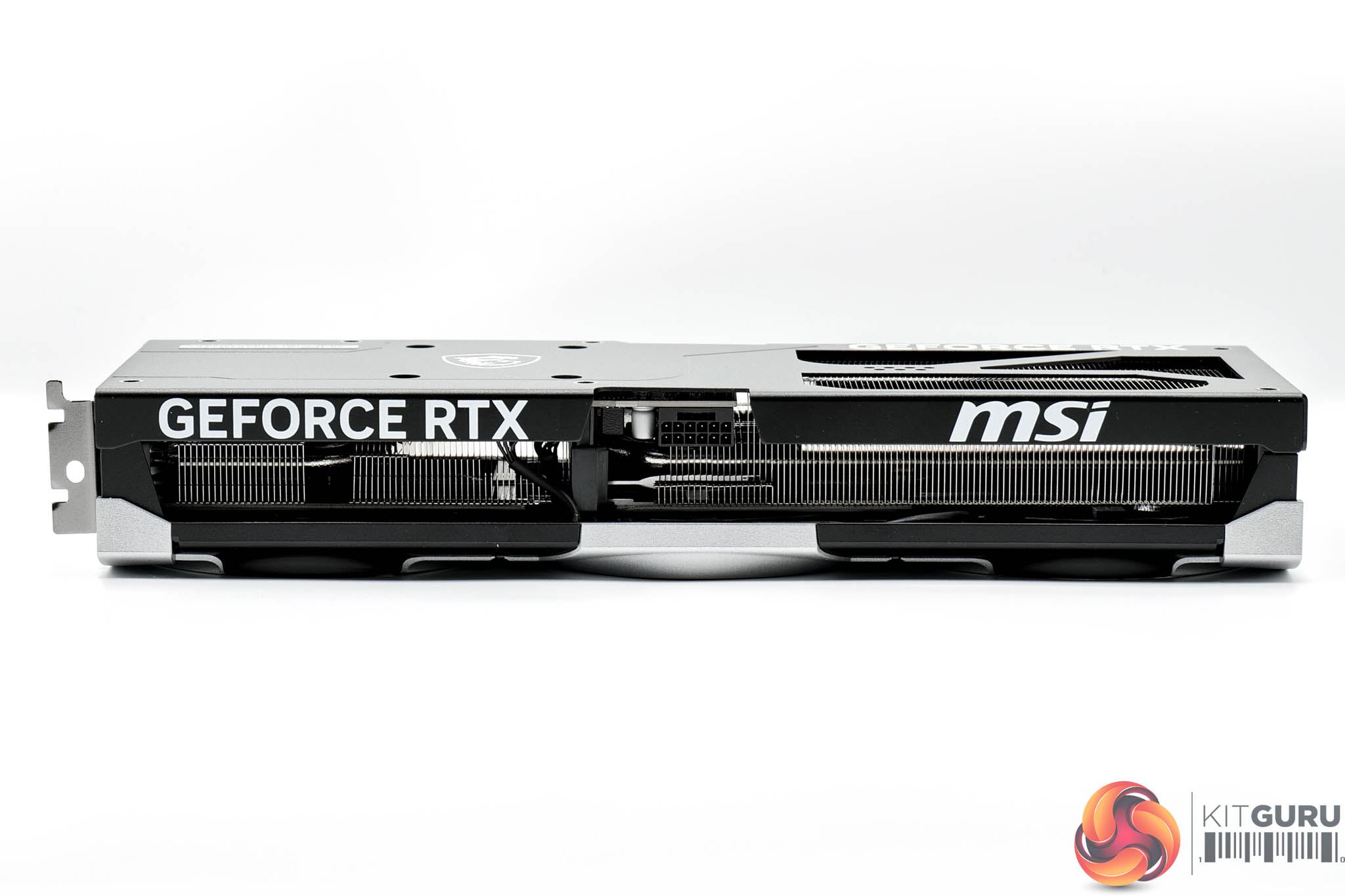
The front side of the card is home to the GeForce RTX and MSI logos printed in white, though do note there are no RGB LEDs anywhere on this card so nothing lights up once the system is powered on.
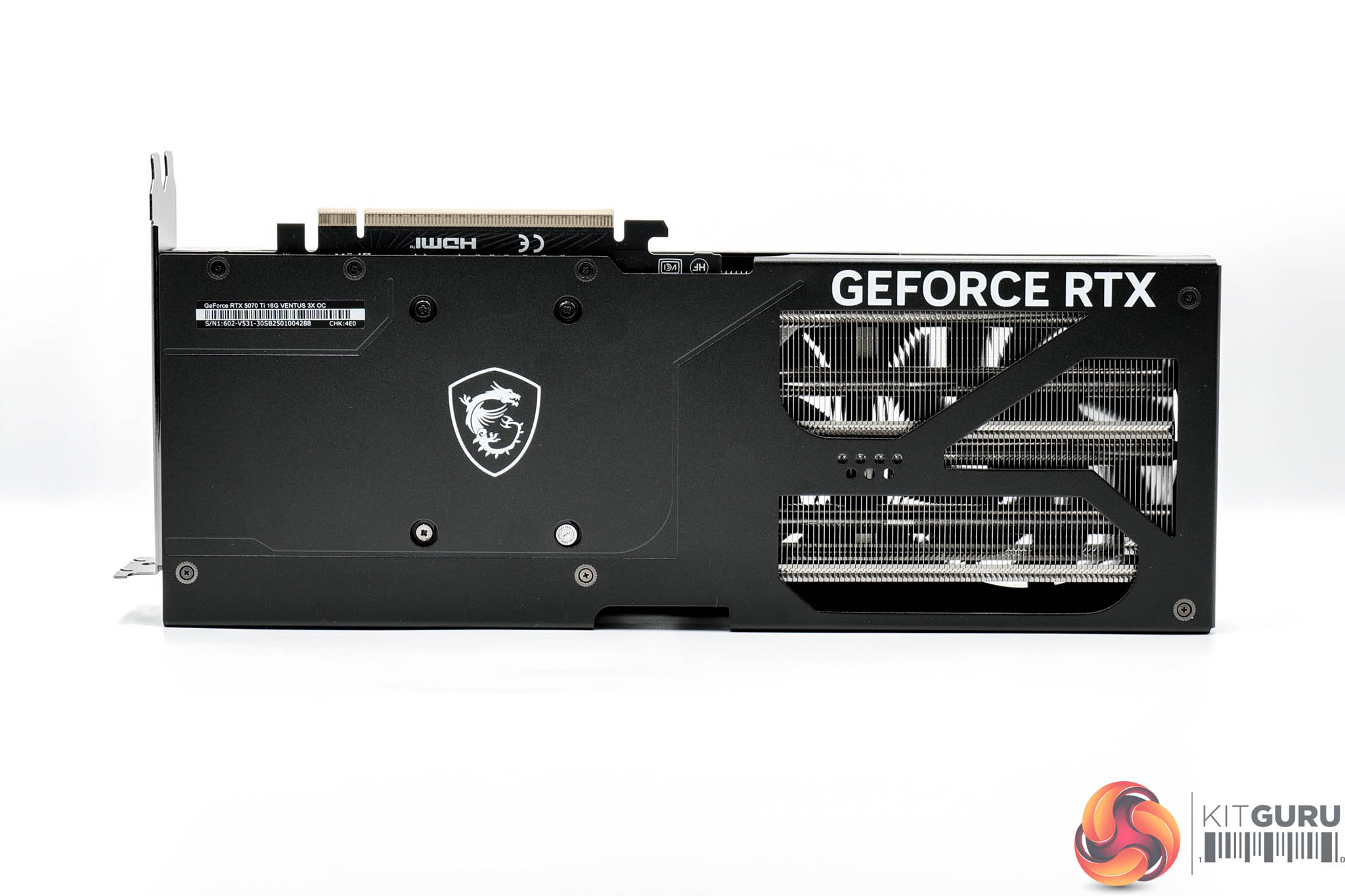
As for the backplate, this is made of metal as we'd expect, and it offers a relatively large flow through area to allow air to pass though the heatsink.
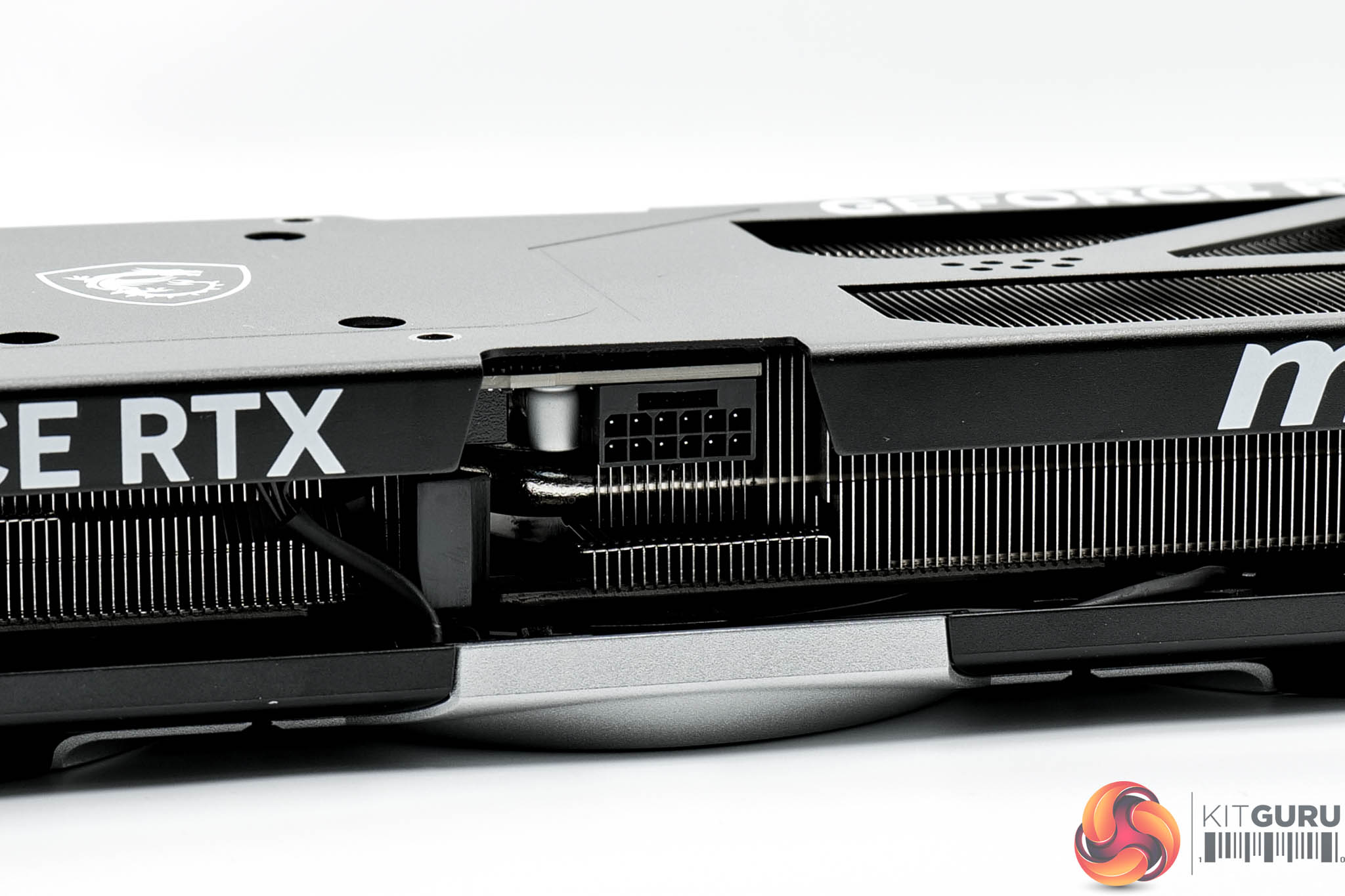
Power is of course supplied by a single 12V-2X6, with the adapter shown above.
As for video outputs, we find 3x DisplayPort 2.1 and 1x HDMI 2.1.