KitGuru KitGuru.net – Tech News | Hardware News | Hardware Reviews | IOS | Mobile | Gaming | Graphics Cards


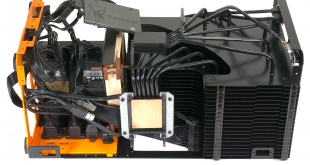
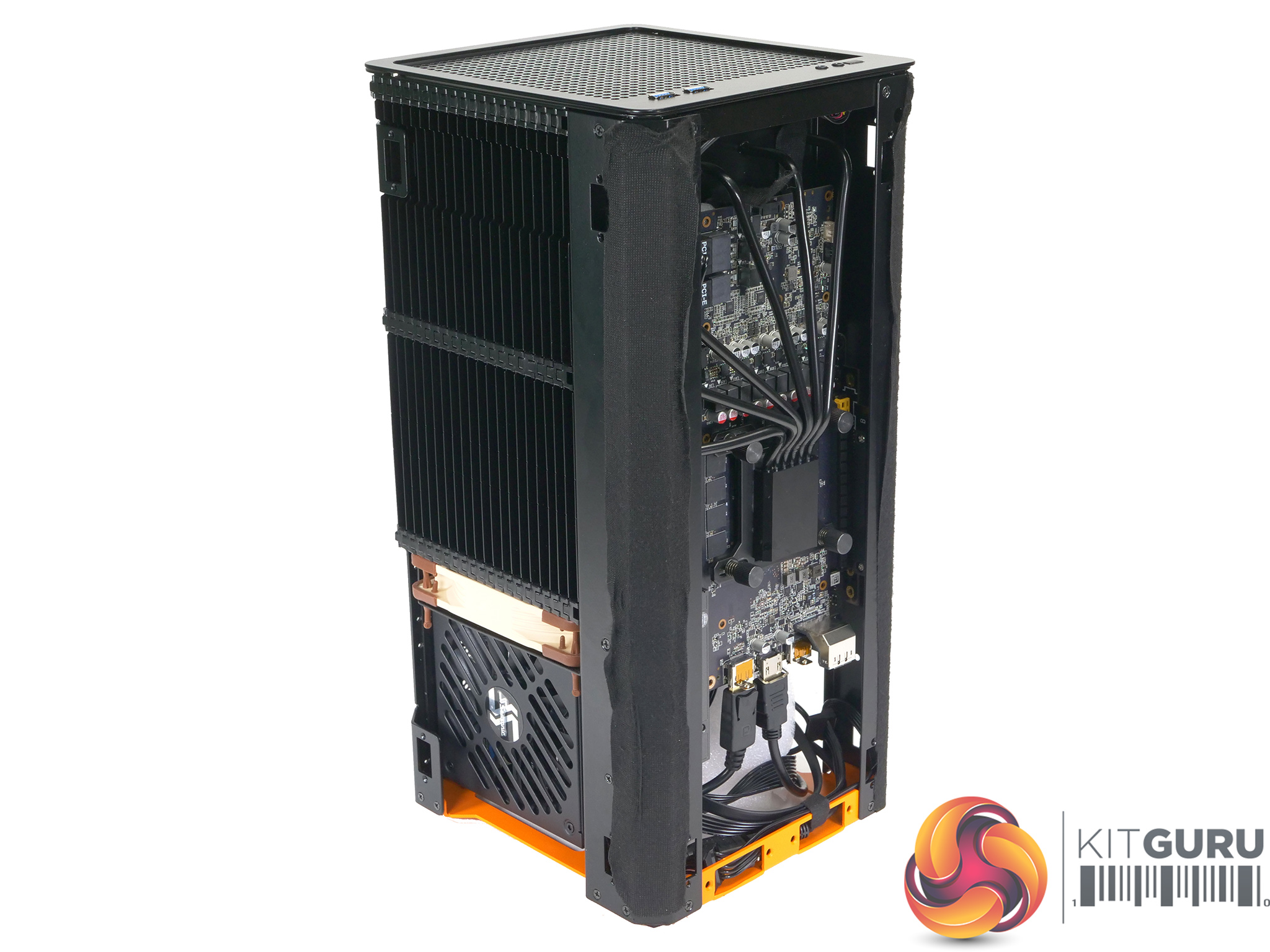
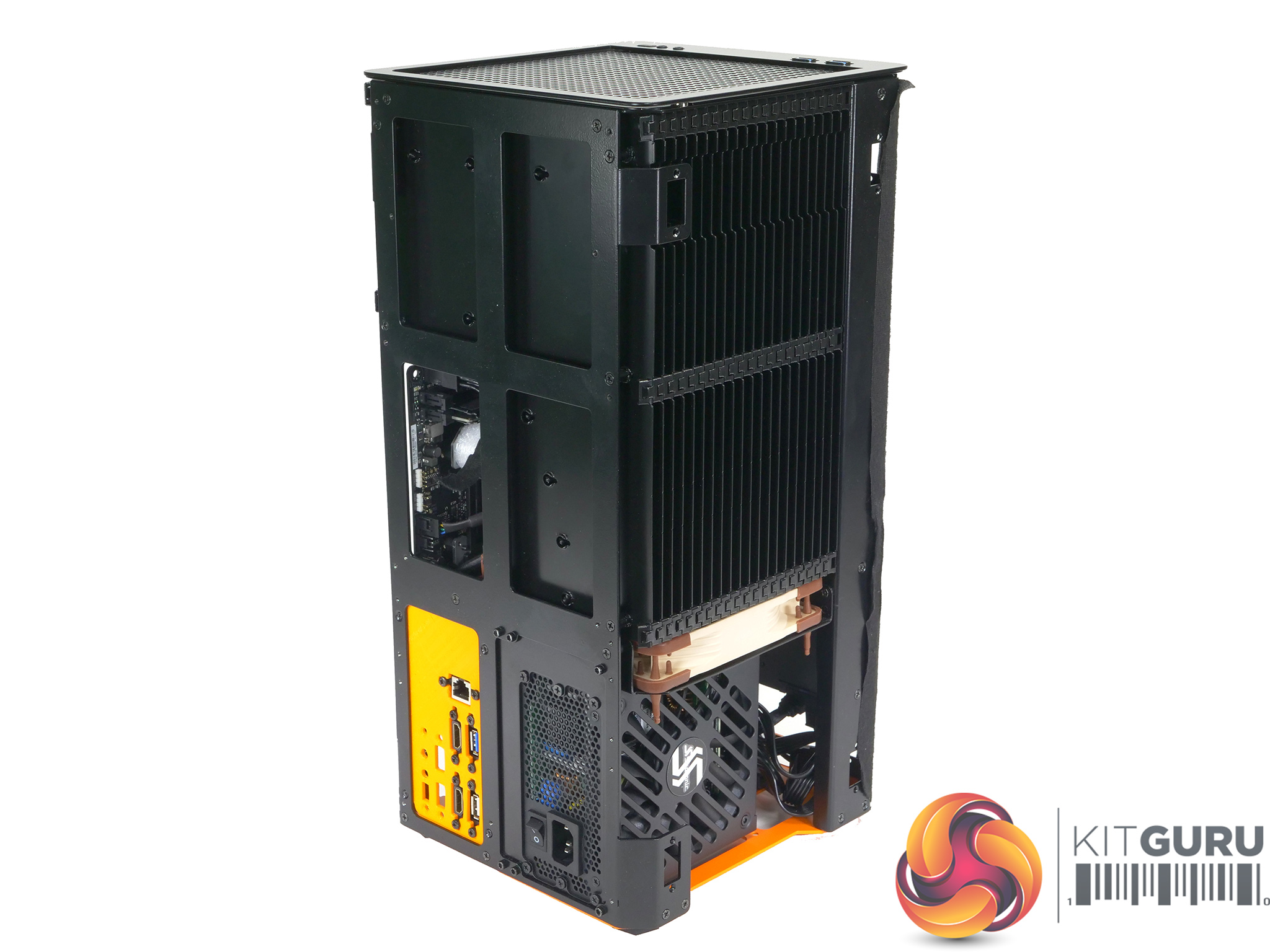
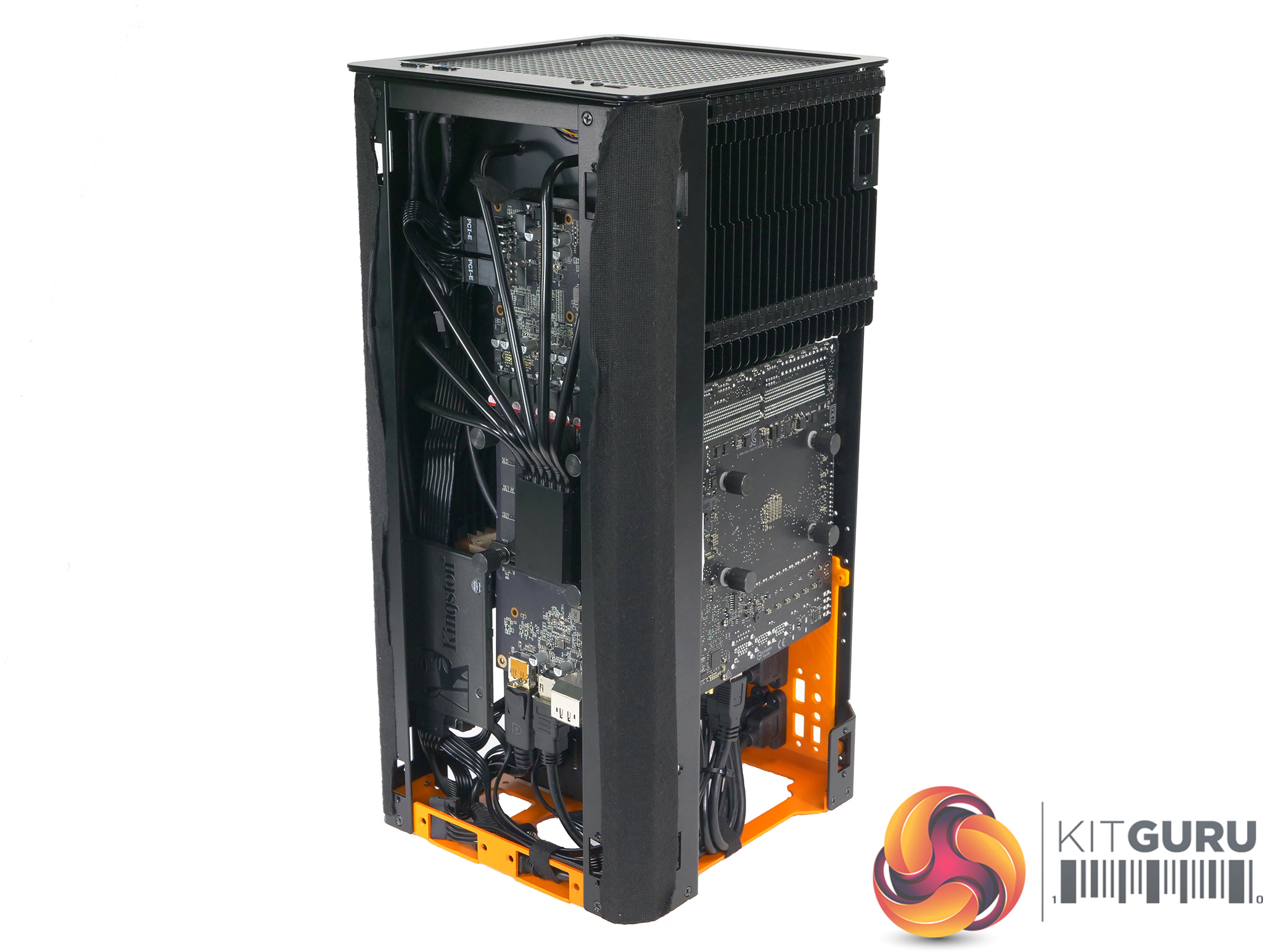
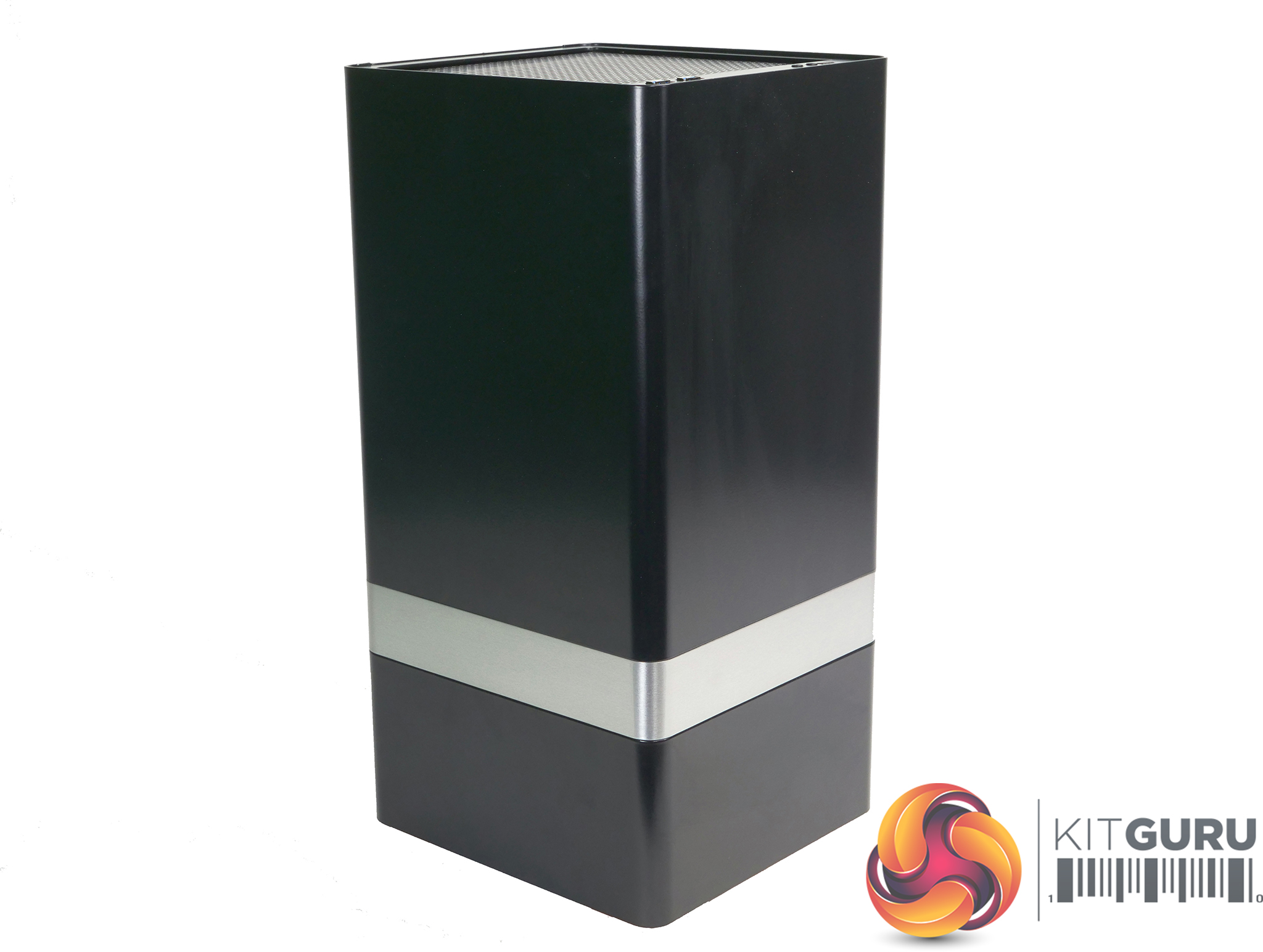
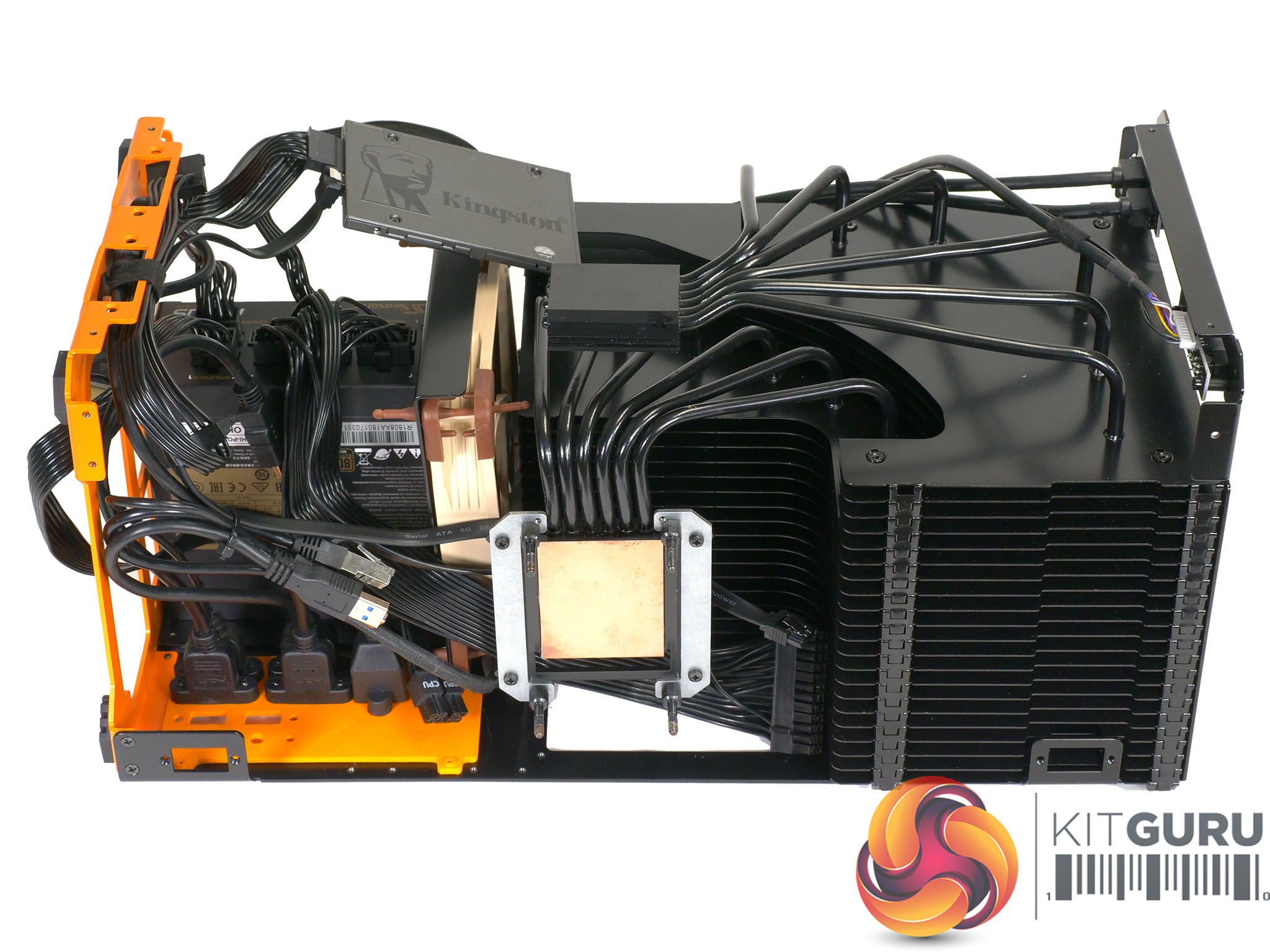
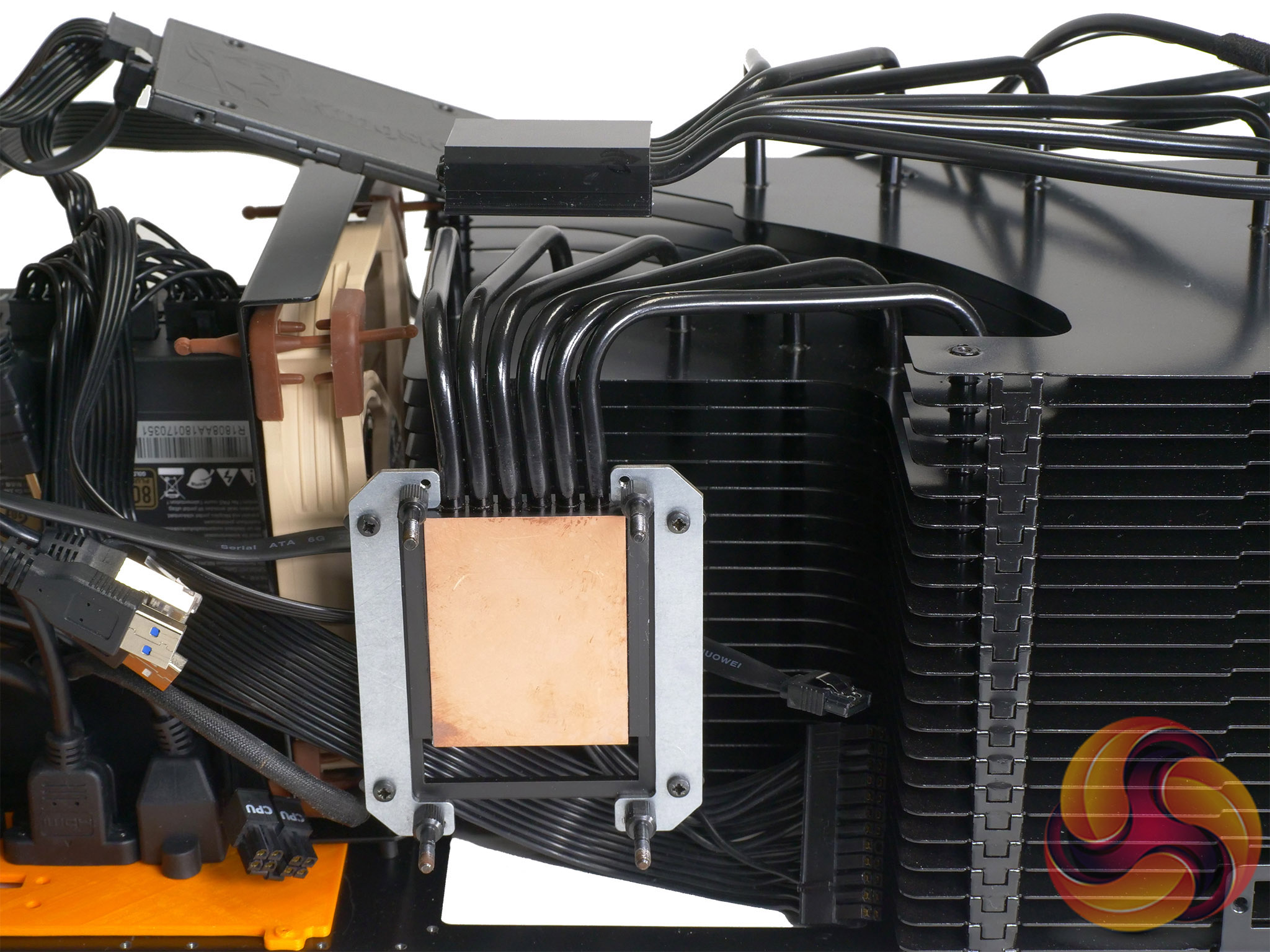
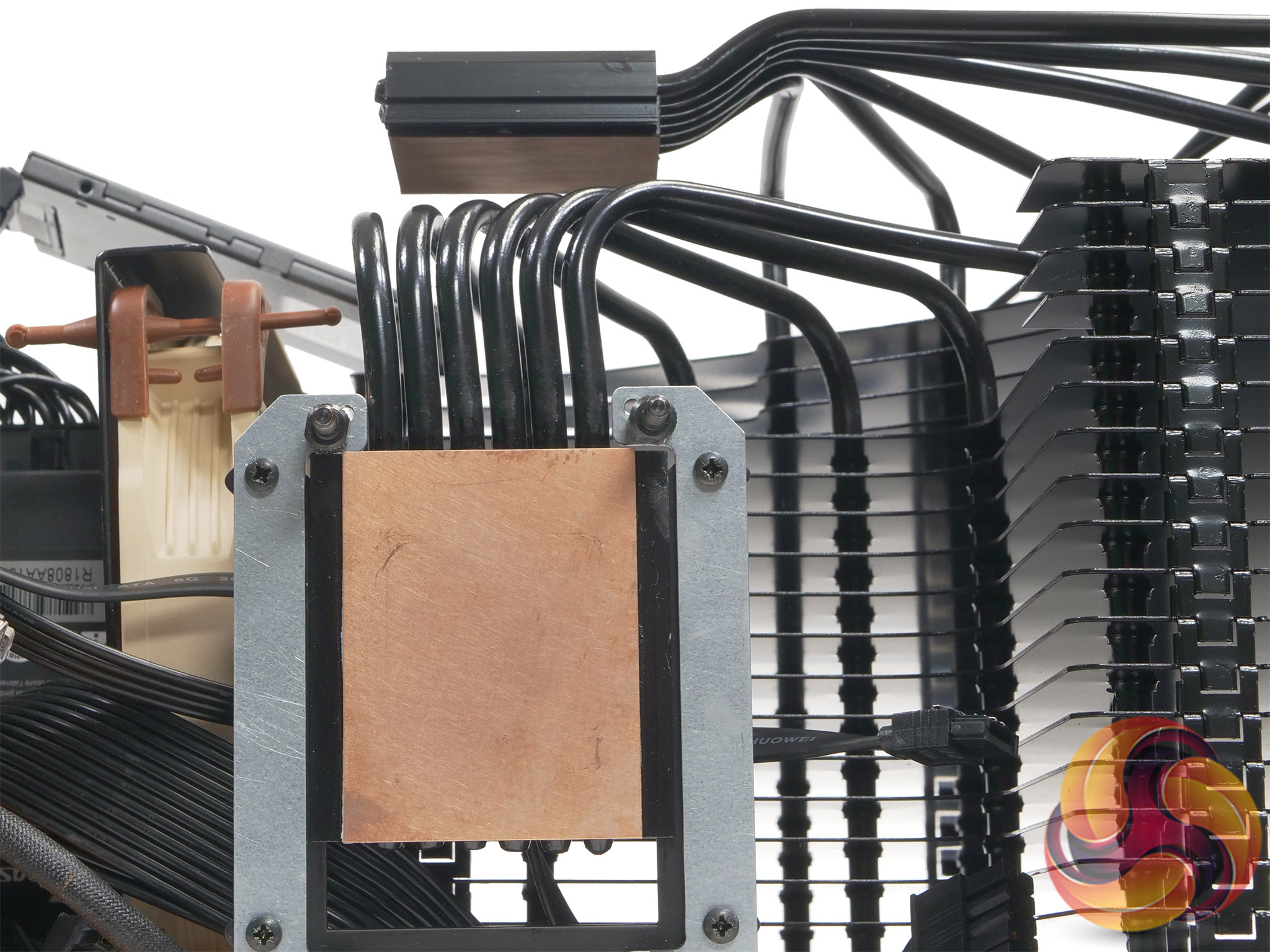
MonsterLabo The First is a PC chassis that is built around the largest heat exchanger we have ever seen inside a computer. Picture the heatsink used in, say, a large be quiet! cooler and then imagine something five times larger and you have a starting point for The First. This enormous heatsink is located in the upper half of the chassis and is connected via heat pipes to a CPU cooler and a GPU cooler, to which you attach your motherboard assembly and graphics card.
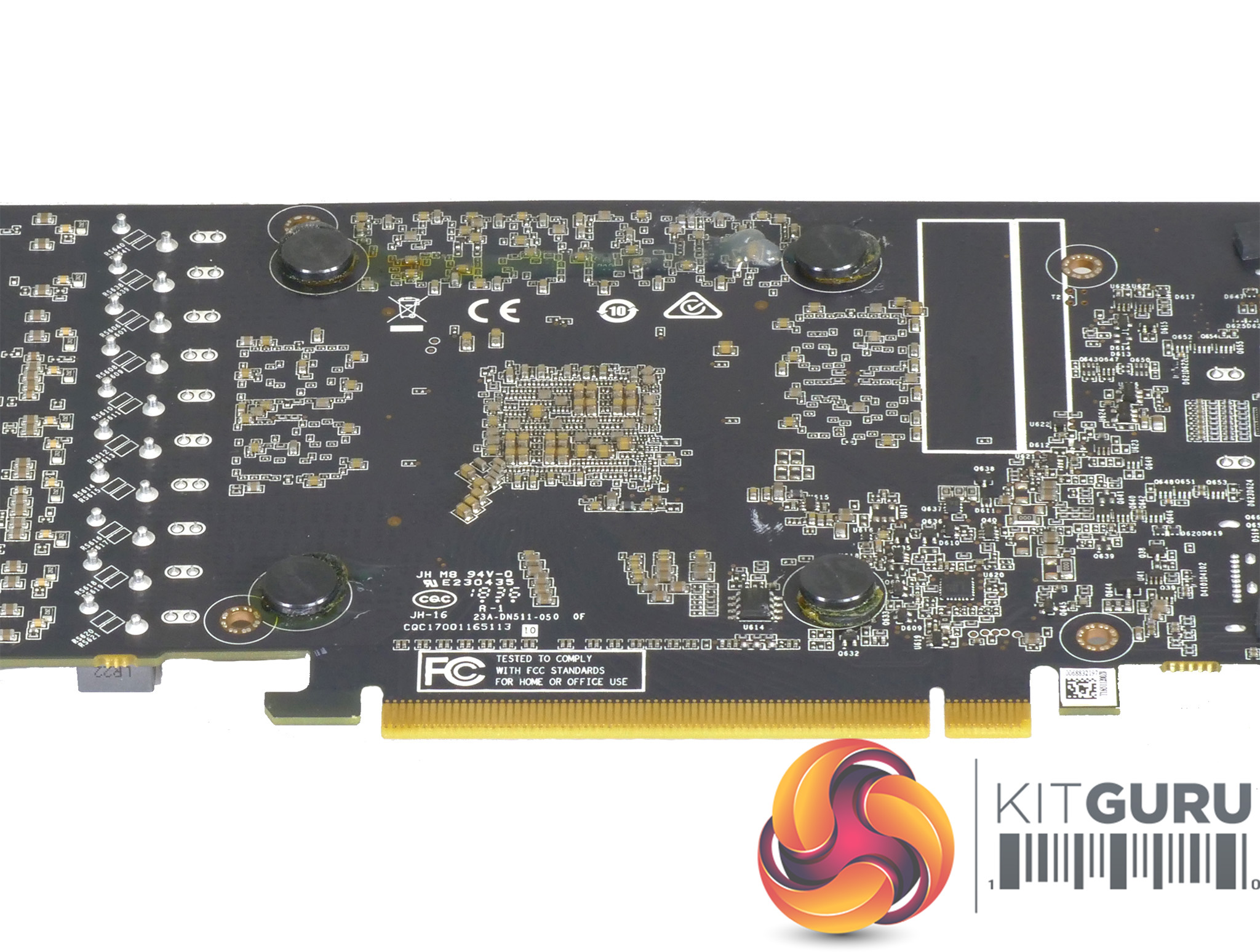
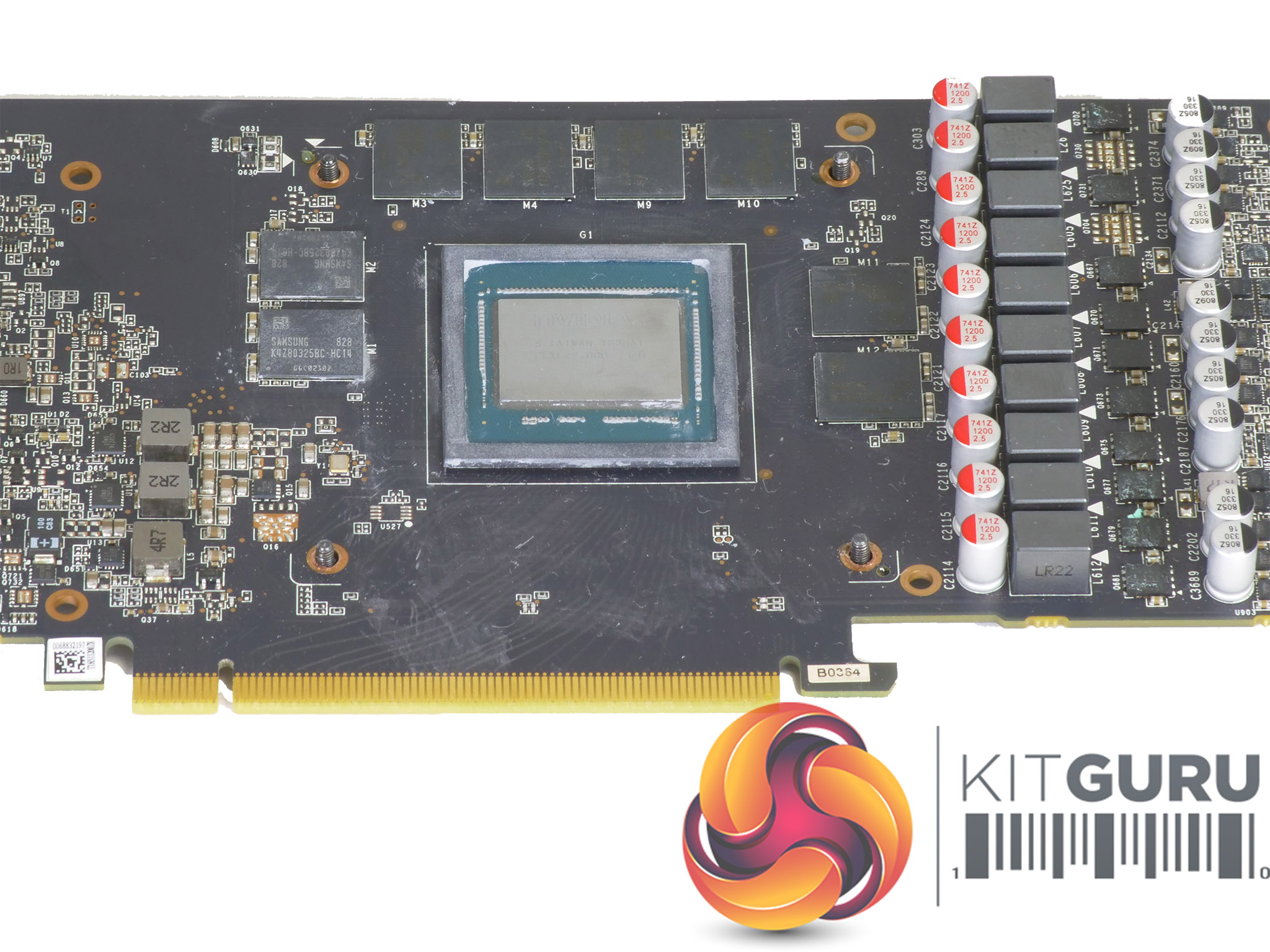
Yes, you first need to remove the stock cooler from your graphics card and yes, you need to check the FAQs to see whether your hardware will fit inside The First. We would love to claim this is a passively cooled PC, however MonsterLabo sent us their Premium Package that comes with a 140mm Noctua fan so while this PC is very quiet indeed, technically it is not completely silent.
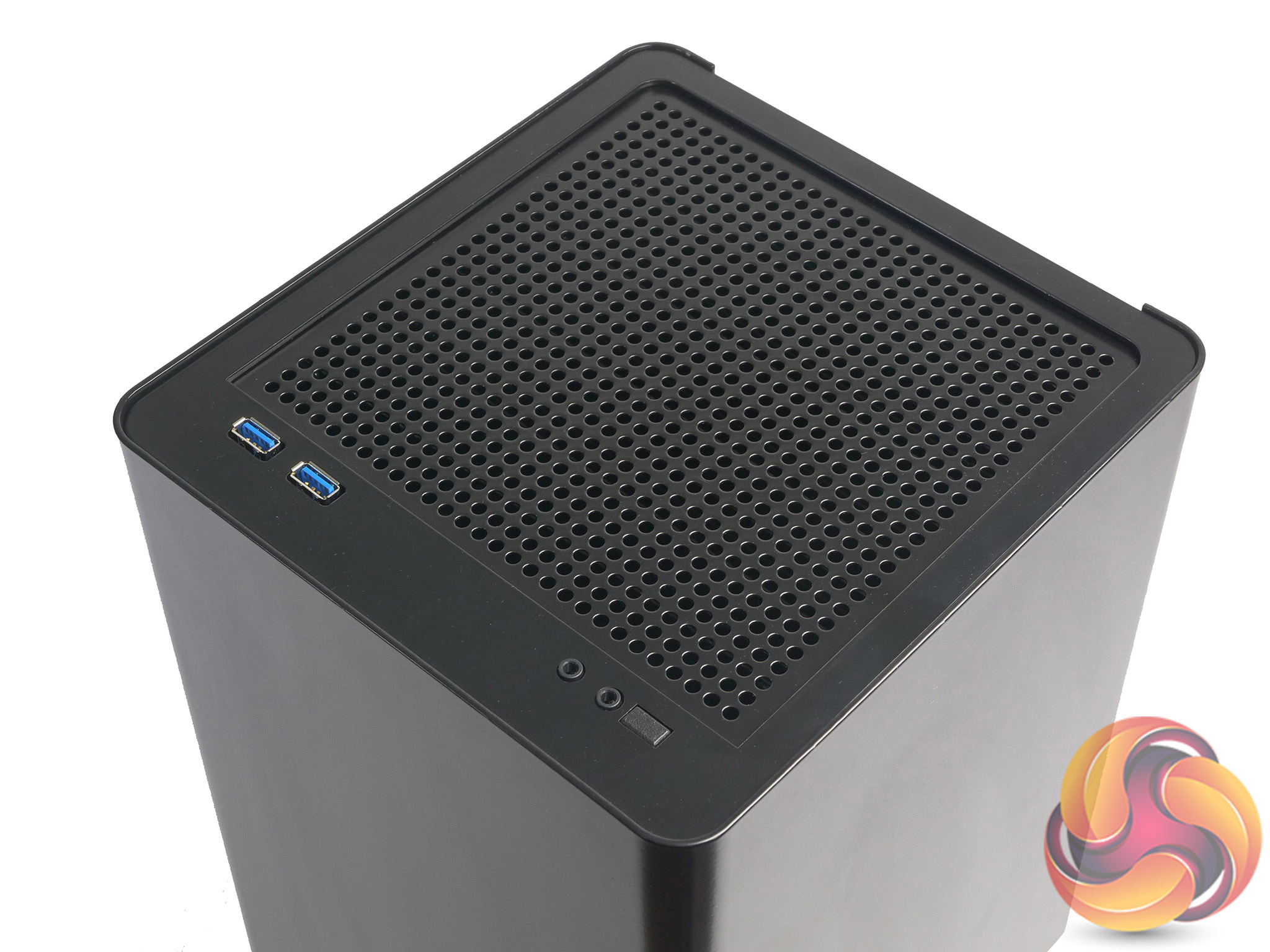
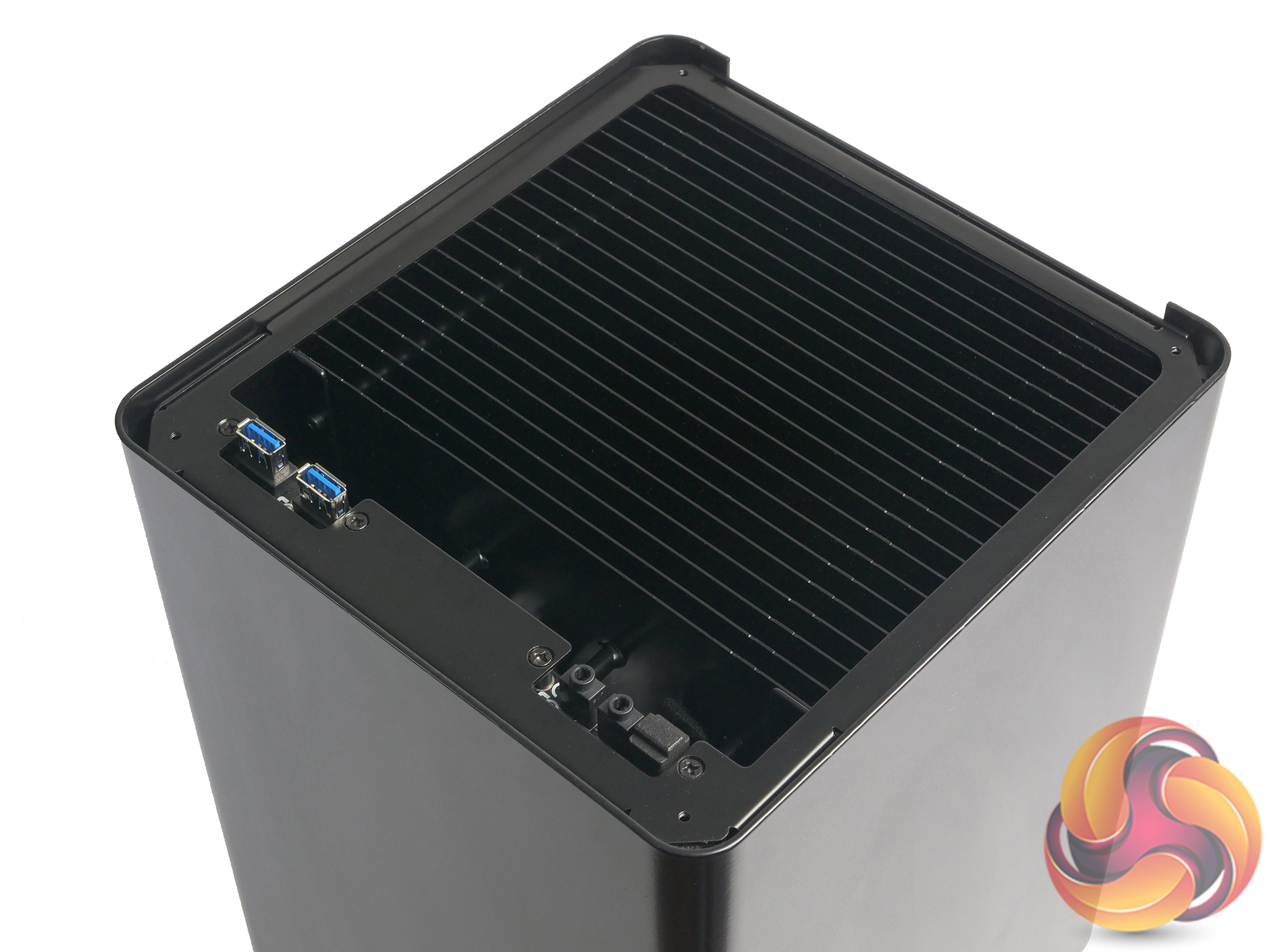
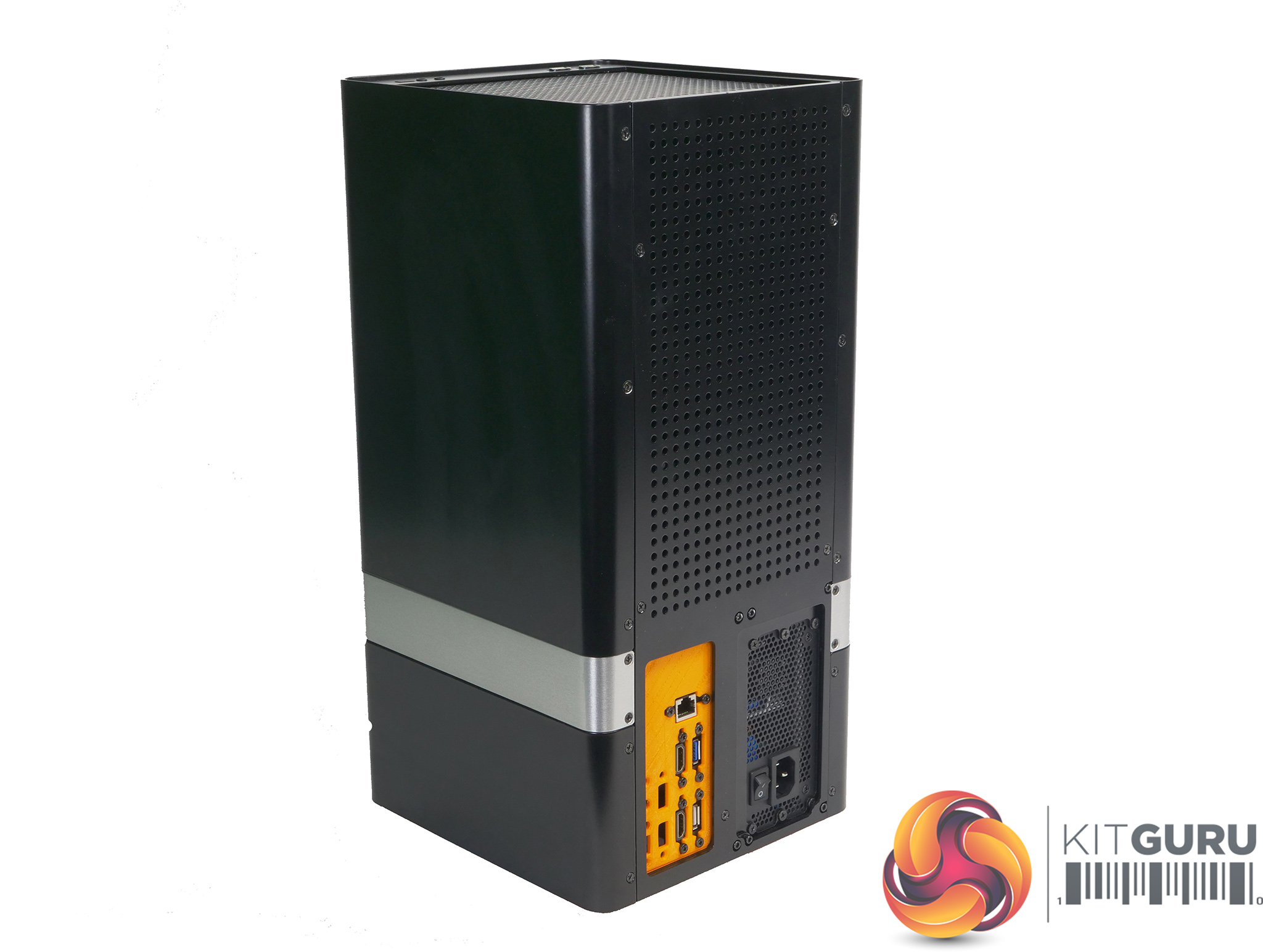
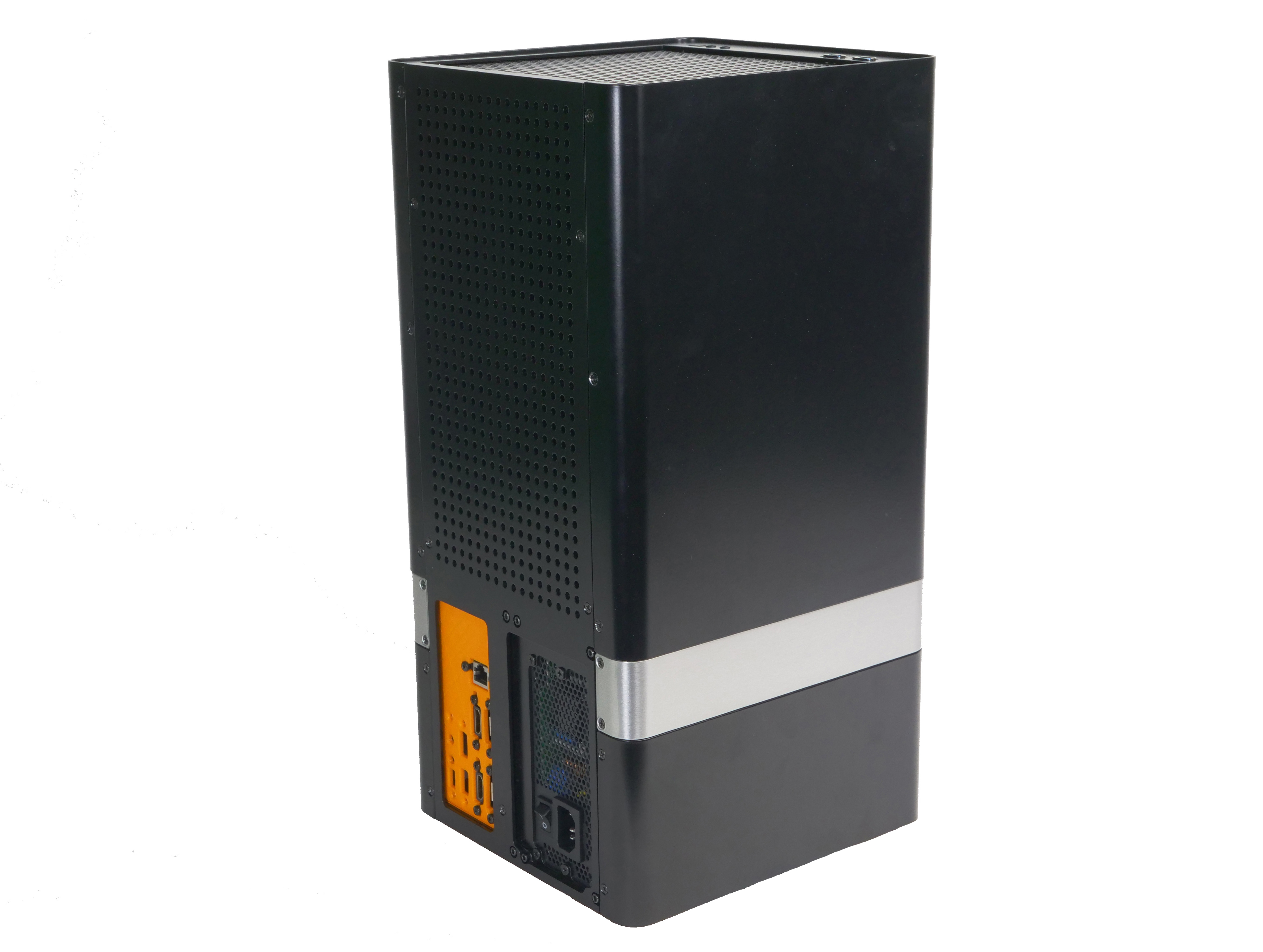
Note: if the above images are not displaying properly, you may need to disable Ad Block as it is known to interfere with our display code
Specification:
- Motherboard support: Mini-ITX.
- Included fans: Premium Package includes 1x 140mm Noctua.
- Fan mounts: 1x 120/140mm.
- Radiator mounts: None.
- Fanless configuration: CPU 100W, GPU 120W.
- Active configuration: CPU 140W, GPU 160W.
- 5.25-inch optical drive bays: None.
- Internal drive bays: 1x 3.5-inch, 3x 2.5-inch.
- Power supply: ATX, SFX-L, SFX (Max. length 160mm)
- Dimensions: 430mm H x 205mm D x 215mm W.
You can buy MonsterLabo’s Basic Package for €369 that consists of the chassis and passive cooling system, or you can pay €429 for The First Premium Package that comes with a 140mm Noctua fan, a PCI Express riser cable and some anti vibration mounts.
The key technical feature of the chassis is the amount of power and heat it can dissipate in different configurations. We were given these figures by MonsterLabo:
- Passive configuration: CPU 100W, GPU 120W
- Active configuration: CPU 140W, GPU 160W
The First does not support Intel HEDT LGA2011/2066 and there is no such thing as Mini-ITX Threadripper, so your CPU choices are AMD AM4 and Intel LGA115x. As for graphics, stock RTX 2070 has a TDP of 175W, so it seems that is the highest-end GPU that the First can realistically support in the Active configuration. Alternatively, you can go for something like a GTX 1660 Ti with its 120W TDP, and for that the passive configuration would do the job fine.
Whichever configuration you choose, you will also require a number of extras, such as the PCI Express riser, and you will also need passthrough cables to connect your motherboard to the I/O panel as we demonstrate in our video.
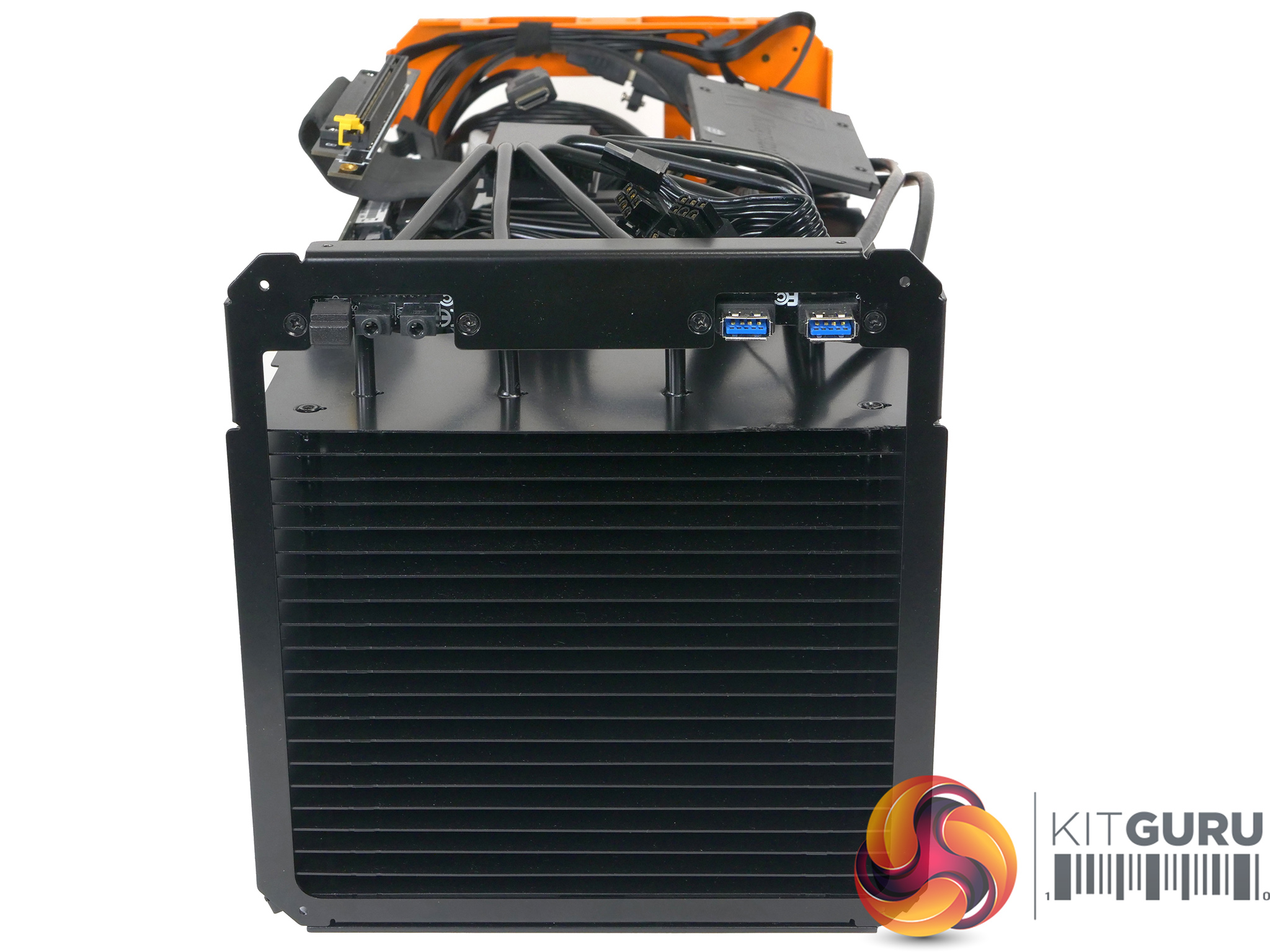
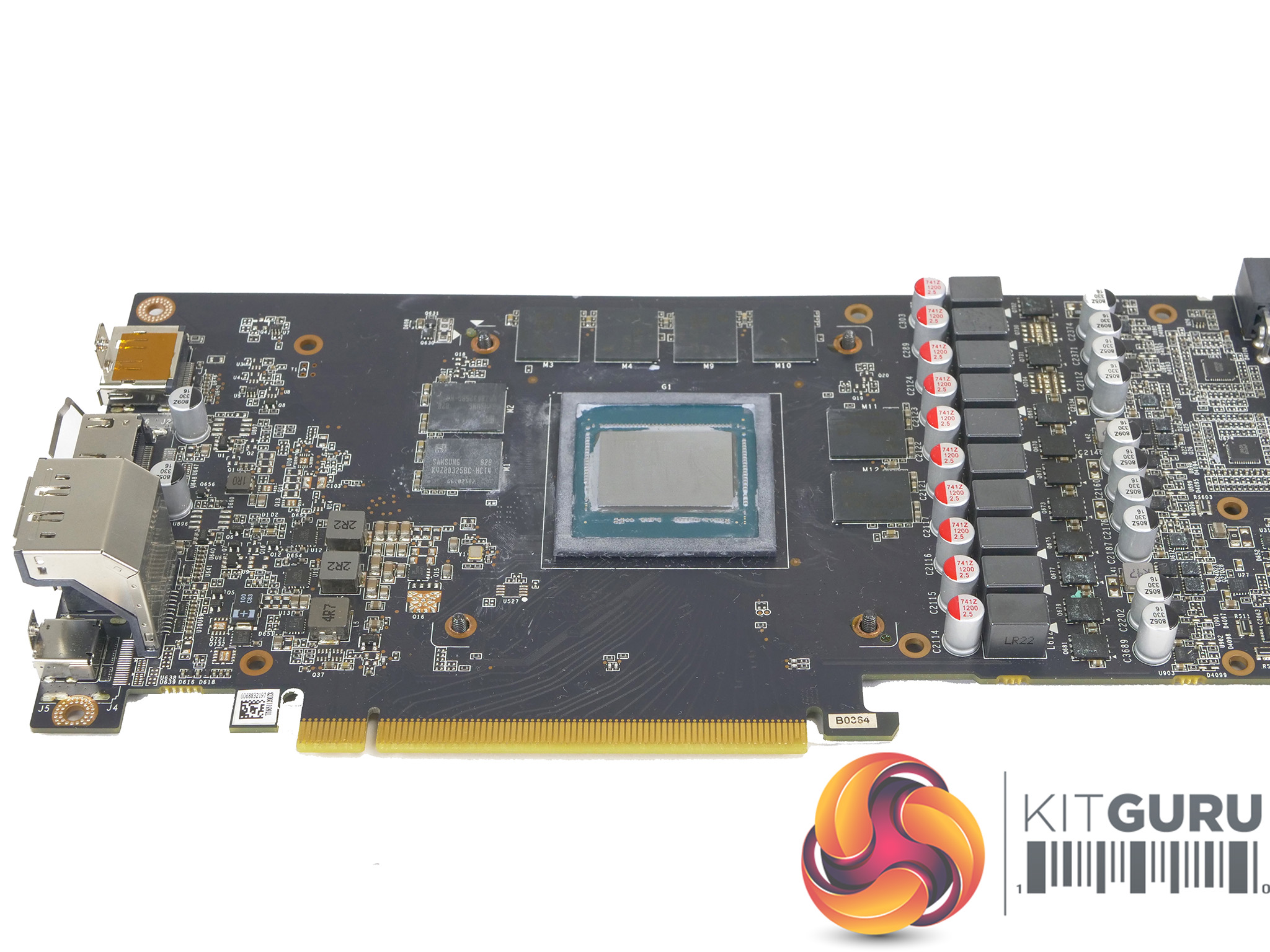
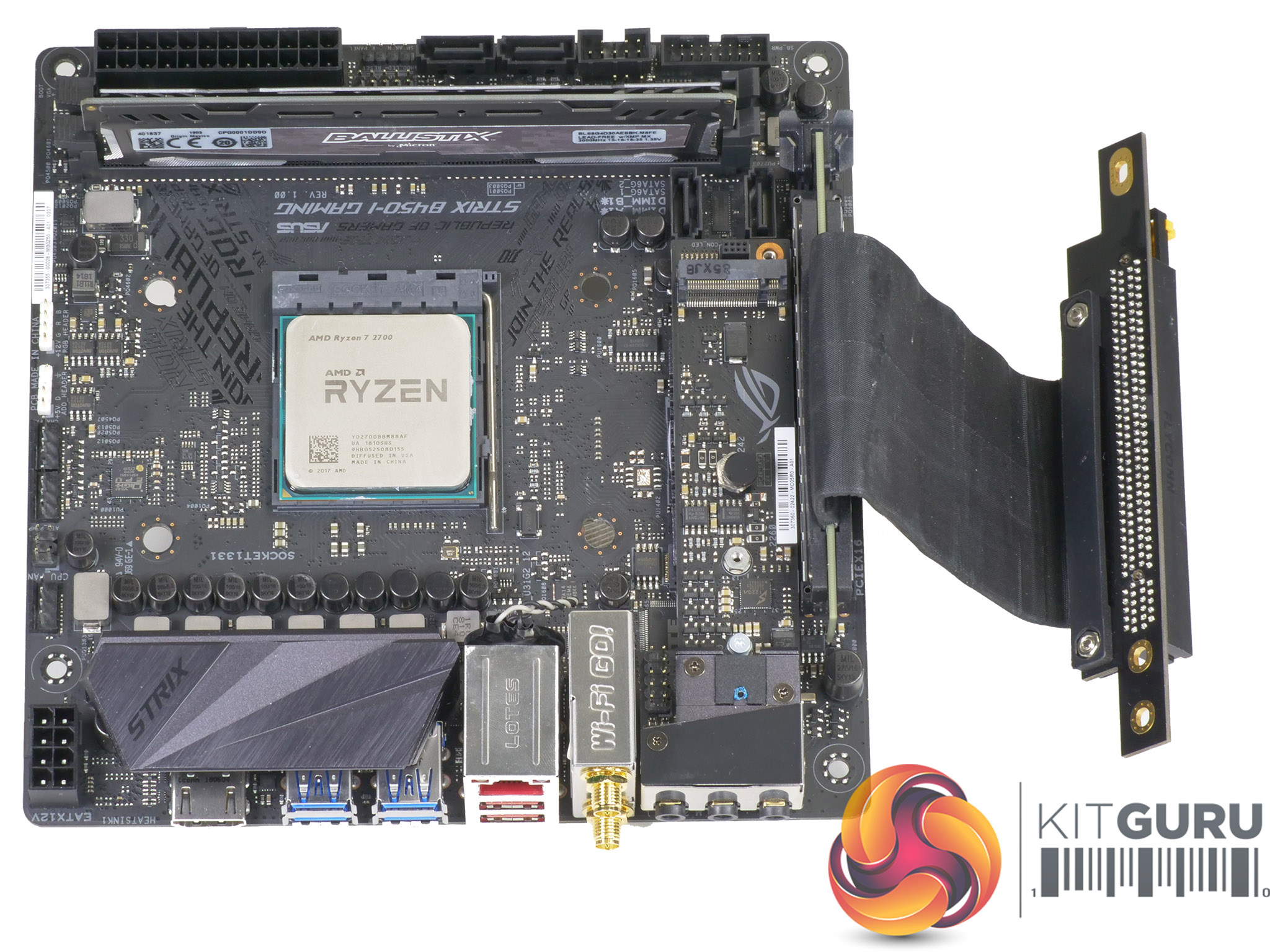
As we explain in our video MonsterLabo sent us The First as a pre-built system, and you can buy it as a pre-built machine as well, with two configurations listed on their website:
- 1,390 Euros: AMD Ryzen 7 and GTX 1660 Ti
- 1,890 Euros: Intel i5-9600K and RTX 2070
The system we received is a hybrid of the two, employing a Ryzen 7 2700 CPU with RTX 2070 graphics.
Testing
To put this case through its cooling paces we will be using a test system consisting of an AMD Ryzen 7 2700 and RTX 2070 graphics. This system allows us to produce a substantial amount of heat and effectively test the MonsterLabo The First‘s cooling capabilities. For stress testing we use Blender to stress the CPU and 3D Mark to create a hybrid workload that stresses both the CPU and GPU.
Test System:
- Processor: AMD Ryzen 7 2700 (3.3GHz all cores)
- Motherboard: Asus ROG Strix B450-I GAMING
- CPU cooler: MonsterLabo passive cooling
- Fan: Noctua NF-A14 PWM
- Memory: Crucial Ballistix Sport 8GB DDR4-3000MHz
- Graphics card: Zotac GeForce RTX 2070 Blower
- Power supply: Seasonic Focus SGX 650 80 Plus Gold
- Storage drive: 120GB Kingston SSD
- OS: Windows 10
Cooling Performance
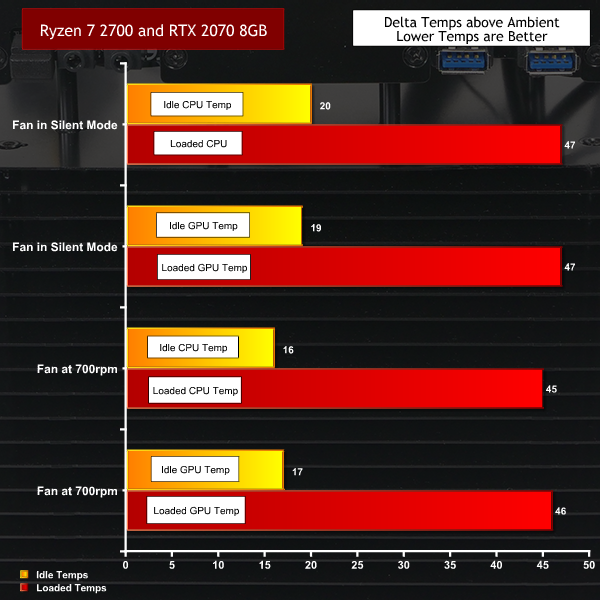
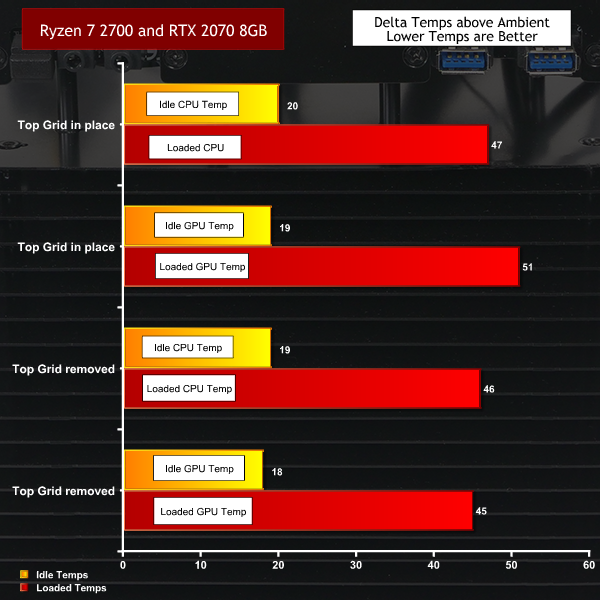
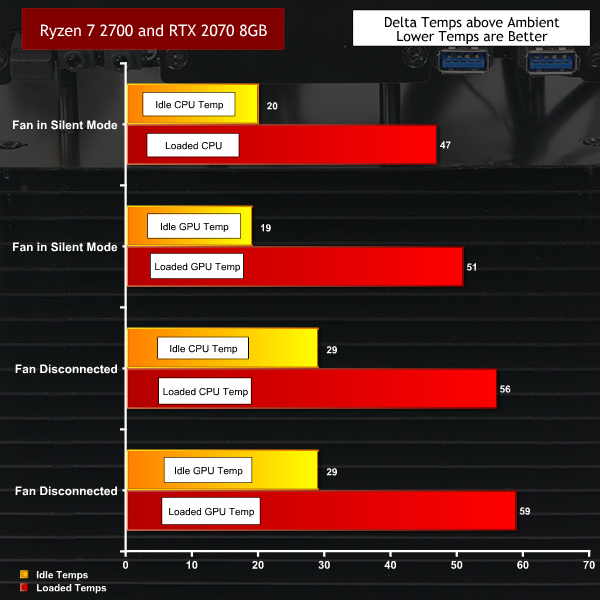
As you will have seen in our video we tested three distinct configurations of the cooling system.
First we increased the fan speed from 300rpm (very low and slow) to a fixed 700rpm, which was still effectively silent.
After that we ran the fan at low speed and removed the top grid cover on the chassis to assist air flow.
Finally we disconnected the fan header to mimic passive operation. This is not entirely accurate as the fan was still installed, however it gave us a good idea of how the chassis behaves in this configuration.
Cooling Performance Overview
Idle system power draw is 43W at the mains plug. In an application such as Blender the CPU draws 75W and the whole system pulls 117W. Under load the RTX 2070 graphics draw 185W, and in a mixed test such as 3D Mark the system power draw is 250W.
These are significant numbers yet the cooling system in The First does a good job. Air flow is clearly important in this chassis, however it is less critical than you might expect. We found that running a fan at a very low speed is useful, but increasing the speeds makes very little difference. Removing the top grid also helps air flow, just as you would expect, but again it is more of a detail than a requirement. Disconnecting the fan altogether makes the system run about ten degrees hotter, and we would be perfectly happy playing games with the system in passive mode.
Acoustics Performance Overview.
When we received The First we initially thought it was passively cooled as it was effectively silent. We quickly realised the version we had been sent used a 140mm Noctua fan that was very quiet indeed. In any practical sense the PC gave no audible indication that it was running and to our ears that means ‘effectively silent’ – but not quite actually silent.
Disconnecting the fan (or removing it entirely) means the system is completely silent and in the case of our test PC we suffered no coil whine or other nasty noises so it was truly silent.
We are impressed by the heart of The First which is an enormous heatsink with two cold plates for the CPU and GPU and two sets of six heatpipes. Preparing your motherboard/CPU/RAM and graphics card and installing them on the cold plates is fairly straightforward. Adding the other pieces of hardware that connect the system together, and which turn it into a functioning PC such as the struts/studs and pass through cables, requires more work and thought.
Once you have finished building The First and it is running, you will doubtless be happy that your new PC is either silent or very quiet. The likely problems lie in the details. For example, you may well lose out on a full set of USB ports on the I/O panel, and you may not be able to connect multiple monitors, depending on the passthroughs that you choose to employ. Many motherboards come with Wi-Fi on the I/O panel and we cannot see how you would use this feature in The First as there seems to be no space for the antennae.
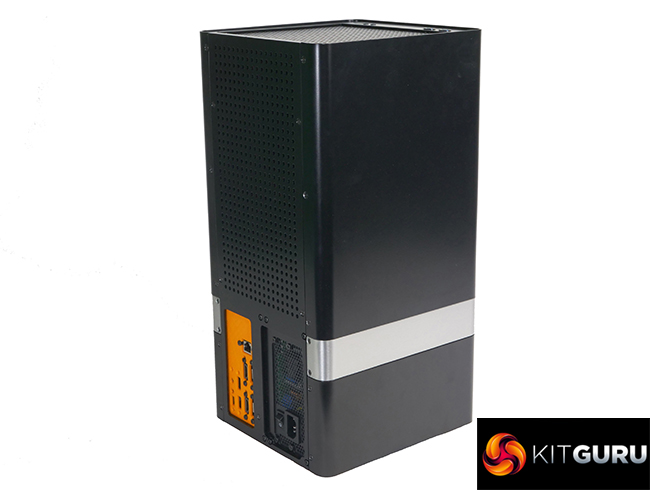
If you want to drastically reduce how much noise your PC makes, then The First is likely to be of interest, and you can still build a competent gaming PC inside it – we saw RTX 2070 and Ryzen 7 2700 running without problems. That said, it is the little details which hold it back, meaning it's worth a look if you really want a very quiet/silent PC – but if you can live with a little bit of fan noise, there are better (and cheaper) options out there.
You can buy MonsterLabo The First Premium for €369/429 (depending if you want the Basic or Premium package) at the MonsterLabo store HERE.
Pros:
- The system is effectively silent and can be made truly silent.
- Cooling performance is impressive.
- Compact footprint.
Cons:
- There is no user guide or manual.
- I/O is handled by passthroughs that may limit the number of I/O ports.
- Hardware compatibility is a key factor – refer to MonsterLabo’s compatibility lists.
- PCI Express riser cable is required so the Premium package is pretty much mandatory.
KitGuru says: It takes a lot of work to make a PC truly passive and silent.