 KitGuru KitGuru.net – Tech News | Hardware News | Hardware Reviews | IOS | Mobile | Gaming | Graphics Cards


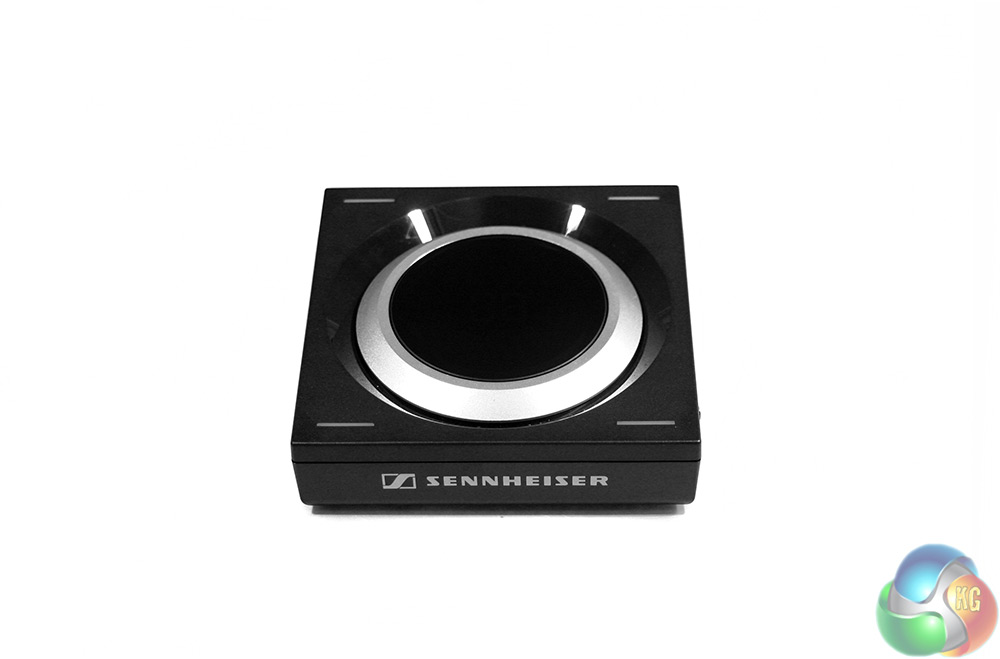
The Sennheiser GSX 1000 is a sleek looking, matt and glossy black device. It has a large, central volume wheel, which has a touch display in its centre for various indicators, which lights up when powered on.
The only other style point are four translucent strips in each corner, which also light up red when the amp is plugged in and turned on.


The aluminium disc which dominates the design rotates and acts as the device's volume wheel.
One downside of the touch screen system is of course that it does suffer from fingerprints.
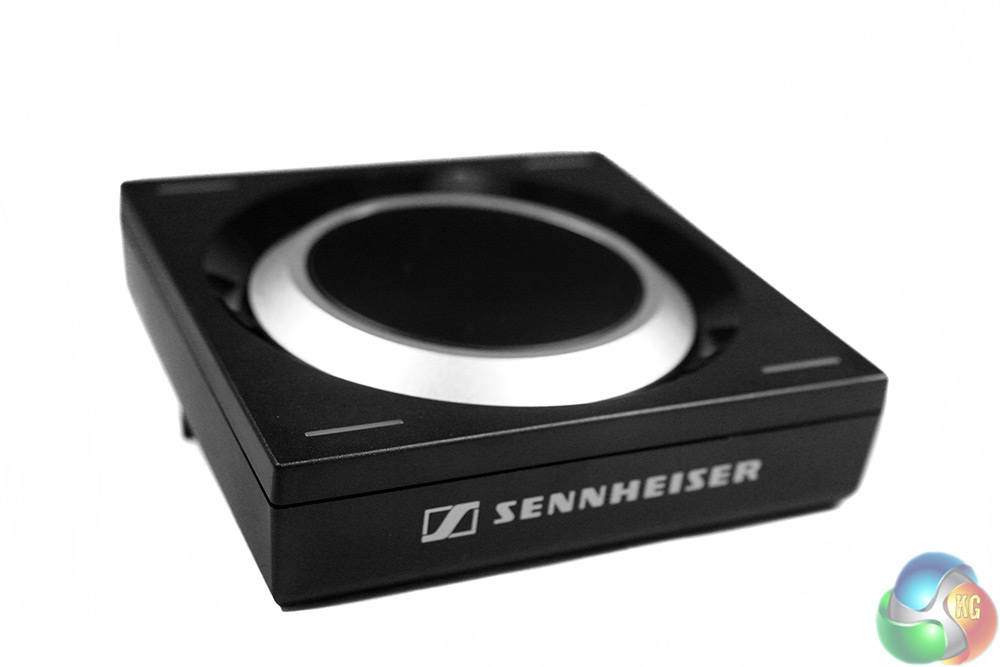
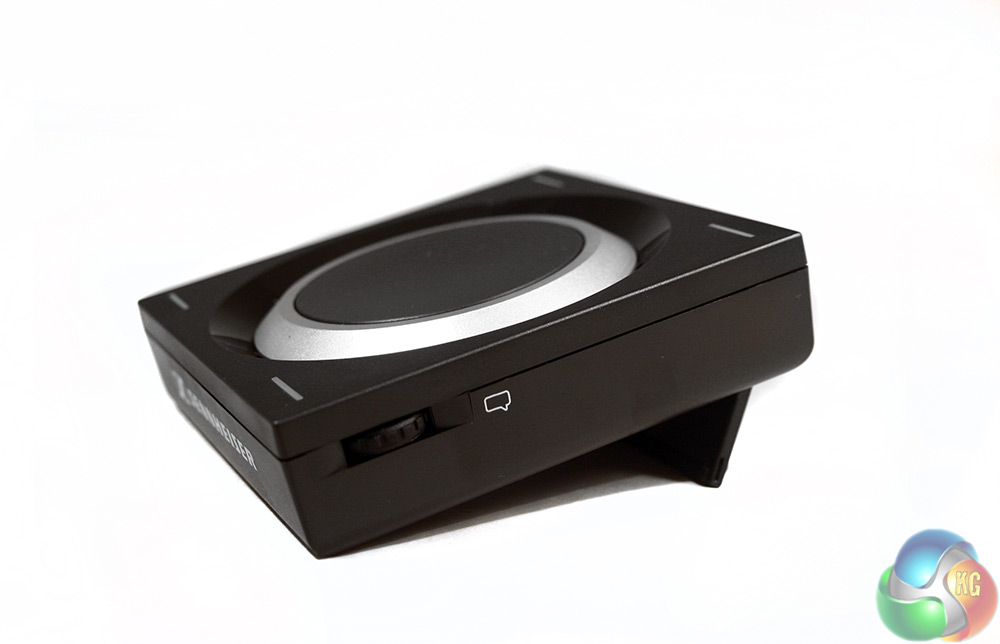
The front panel has a Sennheiser logo on it, while the right hand side has a dedicated volume dial for chat, letting you control how loud you are.

At the rear of the amplifier are four ports for various connections. The micro-USB port is what provides data and power for the device and plugs directly into your PC's USB port. Next to it are 3.5mm ports for your speakers, as well as microphone and stereo headphones.
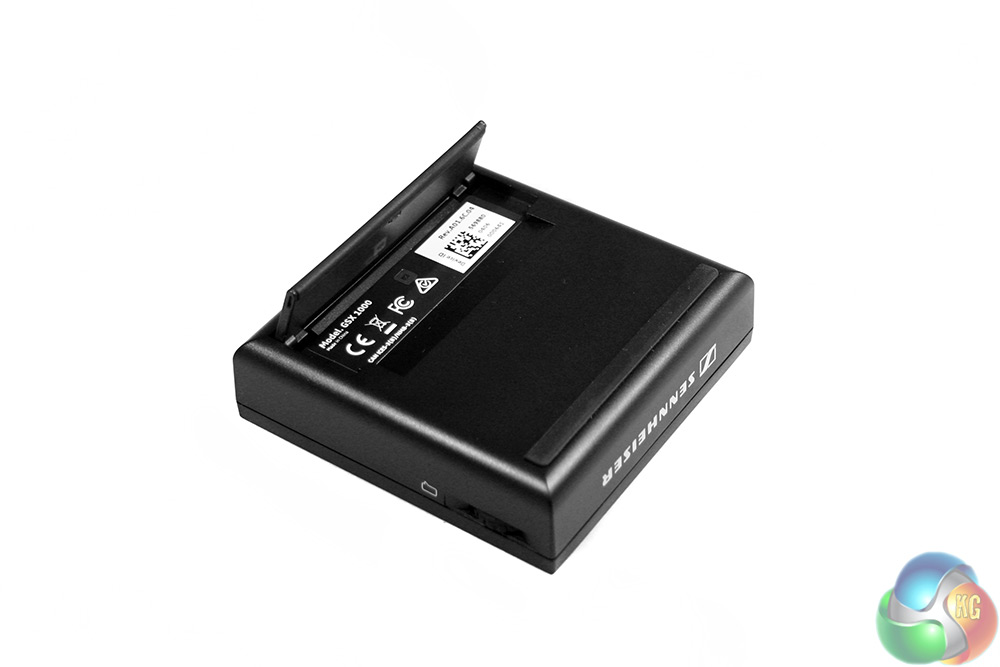
The underside of the amp features a small flip-out riser, which lets you angle the device for easier use if needed.

Hey Jon! Interesting product. I’m wondering if purchasing this amp would make sense for someone like me who has a pair of Philips Fidelio X1 cans plugged into an Asus Xonar STX sound card. What are your thoughts on this? I assume that this amp would then effectively replace the sound card then, as it uses the USB port for data?
“it has the best virtual surround sound of any solution out there” –> wrong, you should check out the Realiser A8 or A16. Of course price is way higher too.
Google is paying 97$ per hour! Work for few hours and have longer with friends & family! !mj254d:
On tuesday I got a great new Land Rover Range Rover from having earned $8752 this last four weeks.. Its the most-financialy rewarding I’ve had.. It sounds unbelievable but you wont forgive yourself if you don’t check it
!mj254d:
➽➽
➽➽;➽➽ http://GoogleFinancialJobsCash254MarketHouseGetPay$97Hour… ★★✫★★✫★★✫★★✫★★✫★★✫★★✫★★✫★★✫★★✫★★✫★★✫★★✫★★✫★★✫★★✫★★✫★★::::::!mj254d:….,……
My gaming headset is A Sony MDR1-A which I drive through my Asus Z170 Gene. Sorry for the wall of text but would I benefit from a product like the GSX1000 when the board already has a ESS9023P Sabre DAC? £200 is slightly more than I paid for the whole motherboard.
ESS ES9023P digital-to-analog converter (DAC) with Hyperstream™ technology, ultra-low-jitter clock, Nichicon capacitors, 2Vrms headphone amp, and Sonic SenseAmp that automatically detects and optimizes any headset (32-600 ohms) for purest sound quality. SupremeFX 2015 also features intuitive Sonic Studio II for you to apply and enjoy different audio effects for perfect entertainment.