KitGuru KitGuru.net – Tech News | Hardware News | Hardware Reviews | IOS | Mobile | Gaming | Graphics Cards


Ubisoft has been putting microtransactions into its large single-player titles for years now, often selling batches of premium currency that can be used to obtain in-game resources to accelerate your progress. In unsurprising news, Ubisoft plans to continue monetising its single-player games, including major licensed titles like Avatar: Frontiers of Pandora and the publisher's upcoming Star Wars game.
Ubisoft Massive, the studio behind The Division and the same studio now working on Avatar: Frontiers of Pandora and a new open-world Star Wars game, has posted new job listings (via exputer) seeking a ‘monetisation specialist' to “contribute to the financial success” of upcoming titles and “boost profitability” while “respecting players and the essence of each game”.
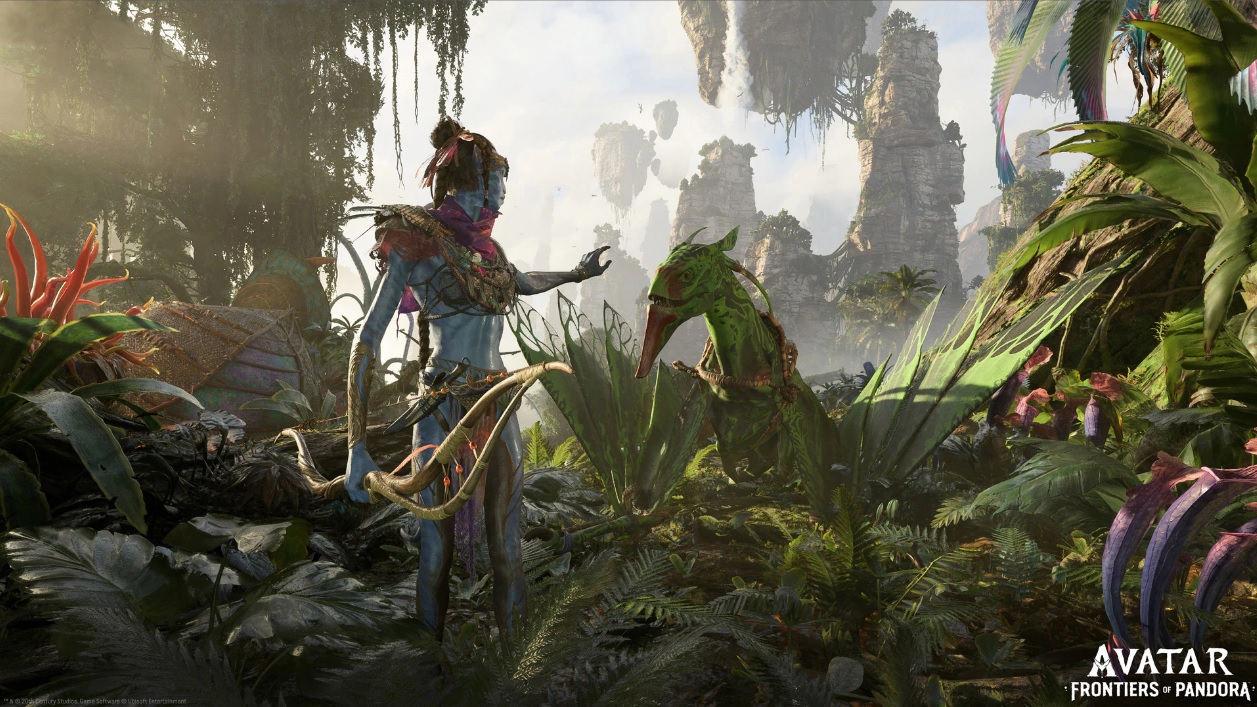
While this job isn't specifically aimed at one of these projects, ‘monetisation specialists' in Ubisoft's Fast Track program are hired and set to work on potentially multiple projects while they get to grips with the job. As the listing is for Ubisoft Massive, it is likely that whoever is hired will end up working on Avatar, or the studio's upcoming Star Wars game, as well as any potential unannounced projects.
If you've played any Ubisoft game over the past decade, this shouldn't come as a surprise. Ubisoft has often engaged in microtransactions for single-player titles, billing them as ‘time-saving' options. Still, these options are usually hidden away in a separate menu and aren't heavily advertised.
Discuss on our Facebook page, HERE.
KitGuru Says: Avatar: Frontiers of Pandora is supposedly going to release this year, so we should get our first look at gameplay later this year. As for Ubisoft's Star Wars title, that one is still years away.