KitGuru KitGuru.net – Tech News | Hardware News | Hardware Reviews | IOS | Mobile | Gaming | Graphics Cards


First announced back in 2021, the much-anticipated Star Wars: Knights of the Old Republic remake has suffered from a number of setbacks including a change in development studio, rumours of its cancellation and more. While the game was recently confirmed to be “alive and well” it seems as though Sony no longer have any interest in the project.
As reported by industry insider Jeff Grubb, in response to a question by one fan who asked “What in the world is going on with KotOR?”, Grubb took to Twitter, claiming:
“My understanding is that Sony wants nothing to do with [KOTOR Remake] anymore, which is why I thought it was dead. Obviously, though, Saber still seems very determined. And I have a lot of trust in Saber.”
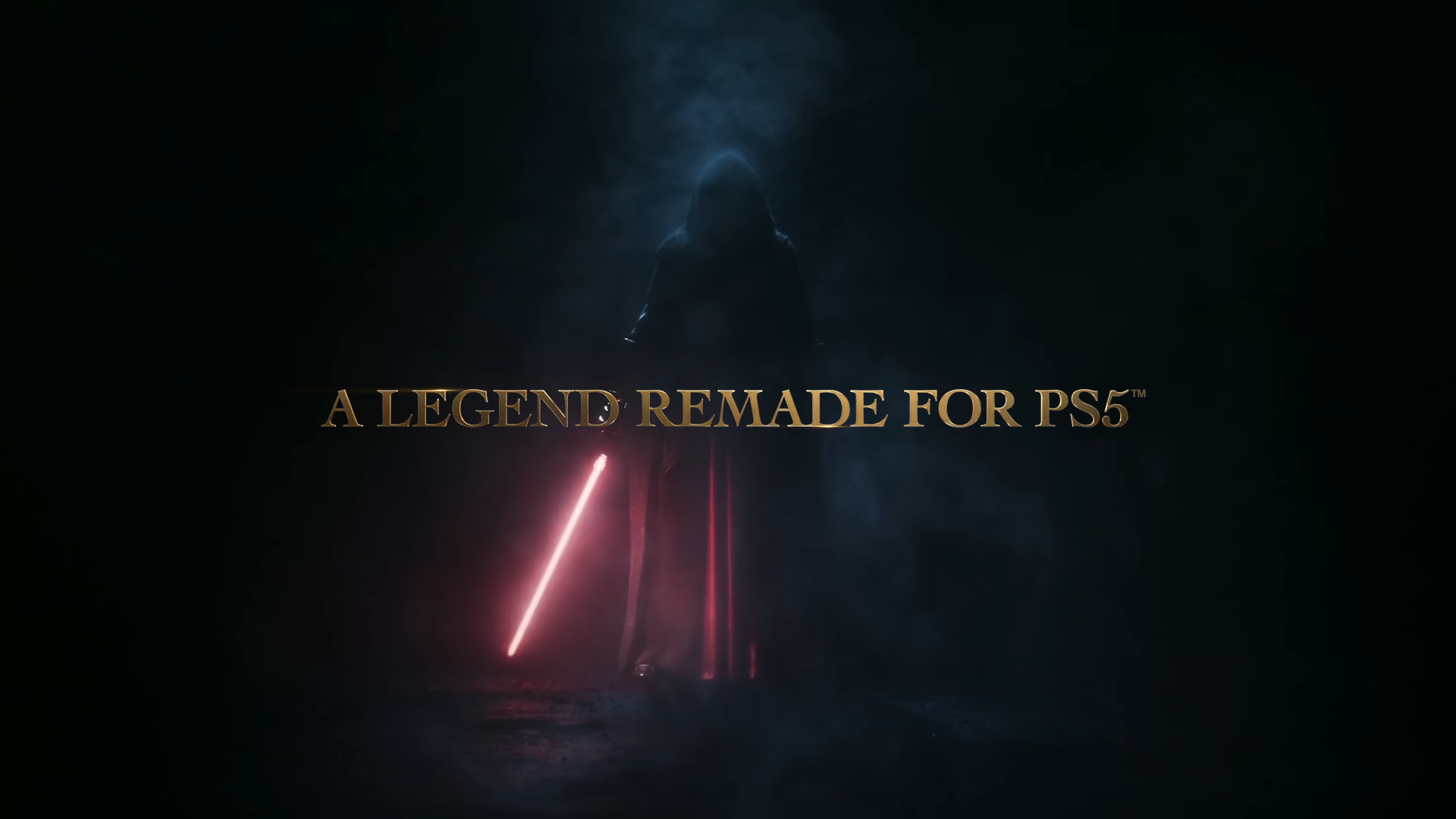
For the uninitiated, the KOTOR remake was first announced by Sony during its 2021 PlayStation Showcase – in which the game was revealed to be a PS5 console exclusive. While this may still be the case, Grubb claimed that prior to his latest statements “Sony was publishing it. It was an SIE production” – suggesting that publishing duties may now fall to someone else.
Star Wars: Knights of the Old Republic is a gaming classic and as such the remake requires quite a lot of work in order to ensure it lives up to the original. We will have to wait and see how this all turns out.
KitGuru says: What do you think of the KOTOR situation? Is Sony backing away a bad sign? Can the remake ever live up to the original? Let us know down below.