KitGuru KitGuru.net – Tech News | Hardware News | Hardware Reviews | IOS | Mobile | Gaming | Graphics Cards


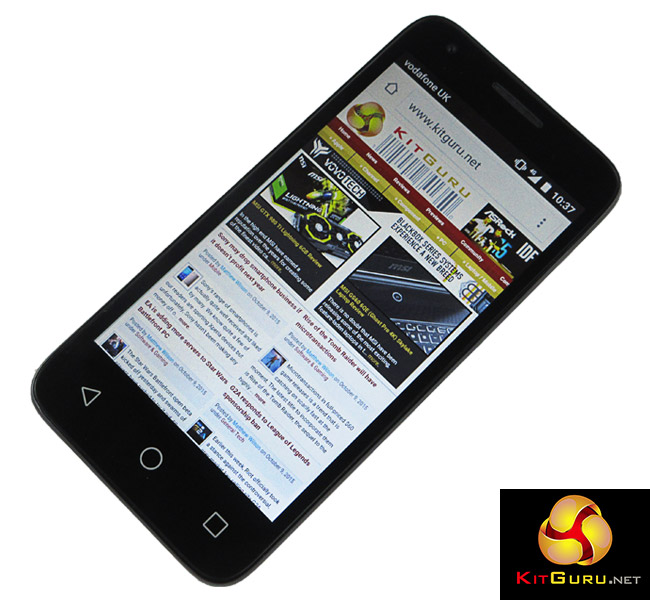
When I recently reviewed the Vodafone Smart First 6, I thought it was the last in a new range of smartphones from Vodafone. However, Vodafone has released yet another budget smartphone, this time named the Smart Speed 6, and costing £50. We will see how it compares with Vodafone's other budget offerings.
Vodafone have released several devices in recent months, so it may be worth clarifying the full contingent of Vodafone products – as there are now 5 devices all bearing the ‘Smart' family name. At £125, there is the Smart Ultra 6. At £80, there is the Smart Prime 6, while the Smart First 6 costs just £30. The only ‘Smart' tablet – the Smart Tab 6 – costs £150.
As you can see, Vodafone have released a number of devices across a range of prices, yet they are all affordable options. It is, however, going to be a challenge for the Smart Speed 6 to justify its position in between the First 6 and the Prime 6.
Features
- 4.5-inch, 480×854 display.
- Quad-core Mediatek MT6735M CPU, 1.0GHz.
- 1GB RAM.
- 8GB internal storage.
- Android Lollipop 5.1.
- 5MP primary camera, 2MP secondary camera.
- 1780 mAh battery.
- 4G ready.
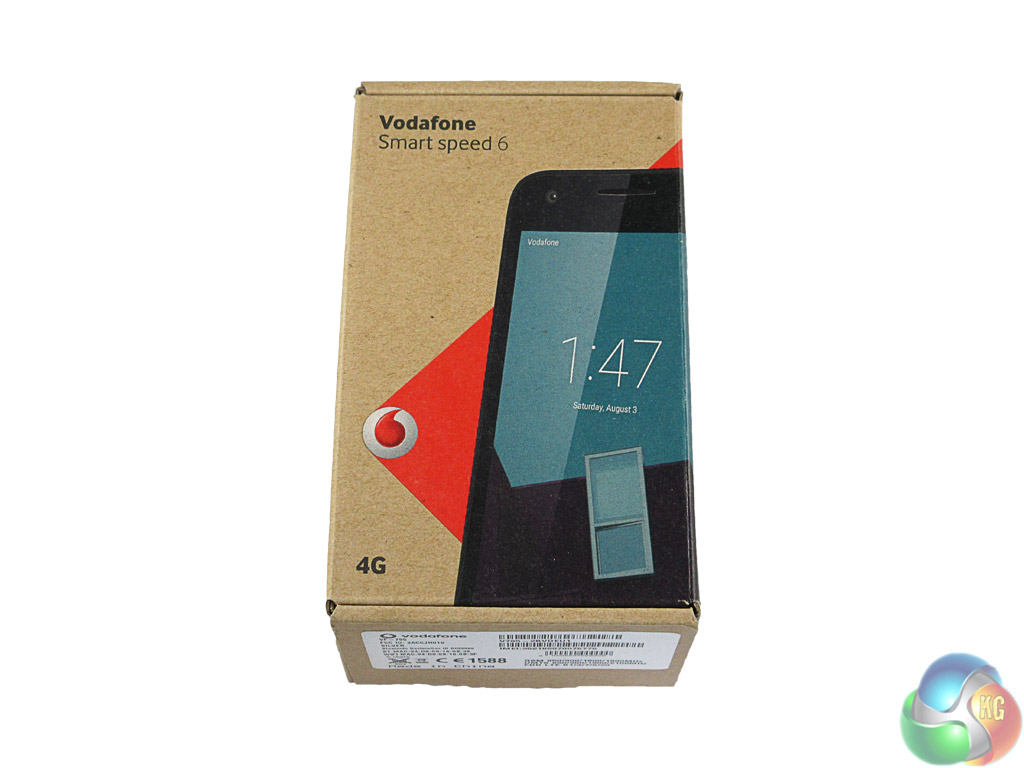
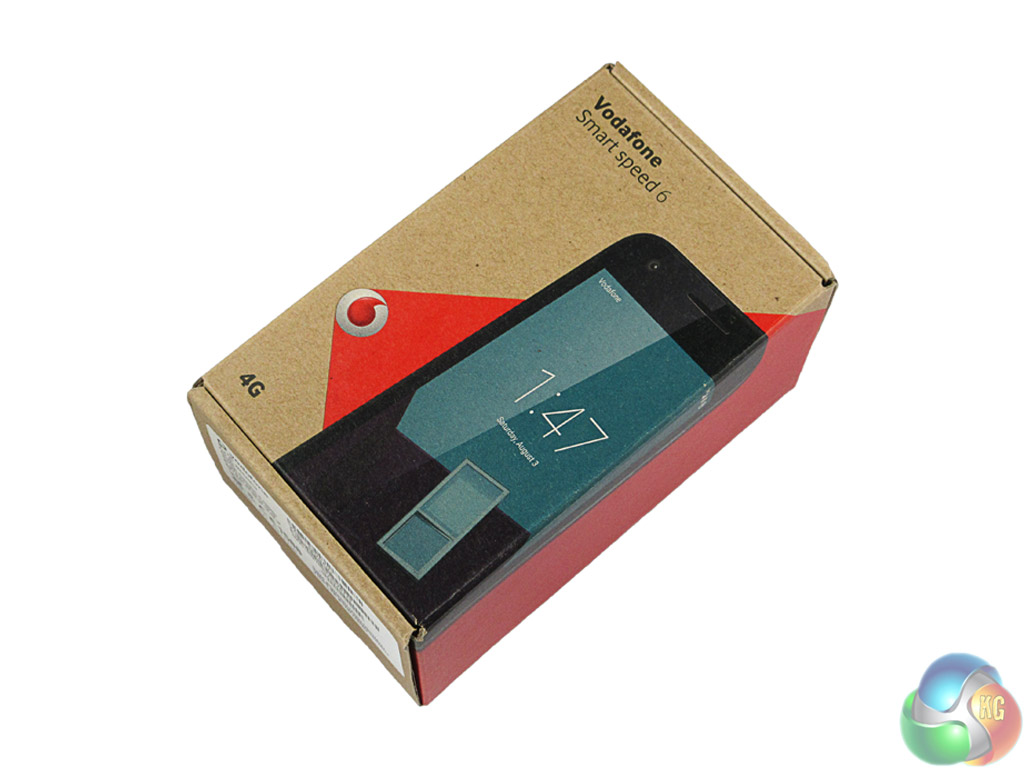
Just like all the other ‘Smart' devices, the Smart Speed 6 (which I will refer to as the Speed 6 from here on) ships in a recycled cardboard box. A photo of the smartphone adorns the front and right-hand side of the box, while the left-hand side is left bare.
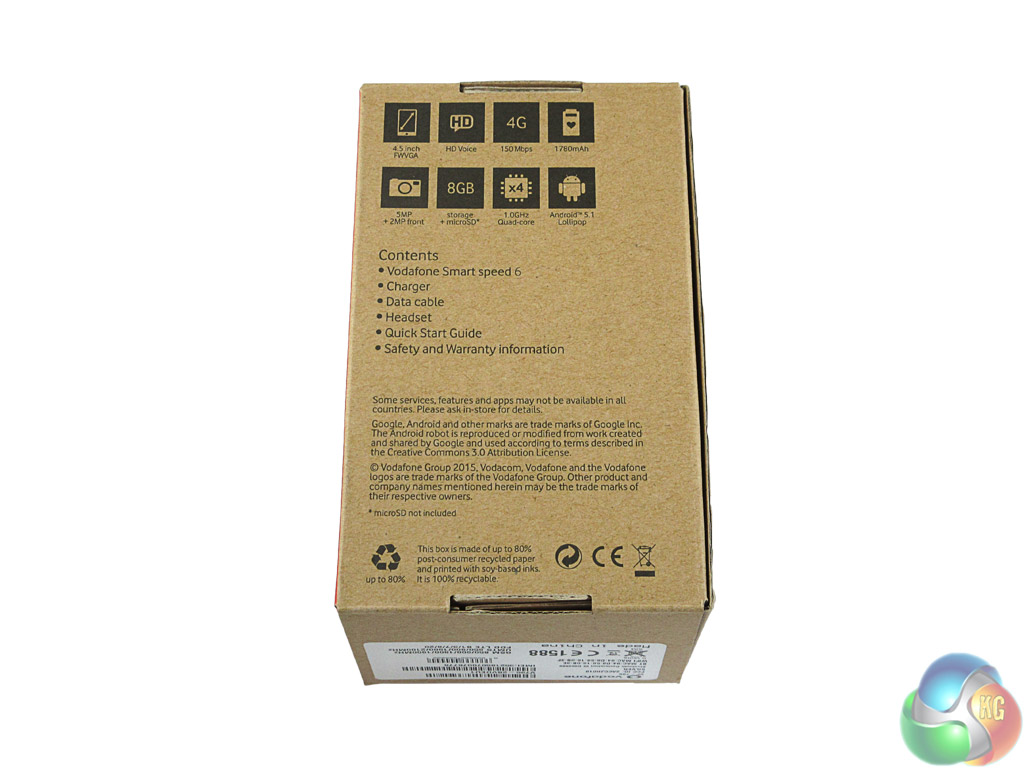
On the back, things are as we expect. There are 8 ‘key specifications' shown, as well as a box contents list.
Inside, users will find the smartphone itself, as well as an AC adapter, microUSB cable (still type-B), headset and quick-start guide.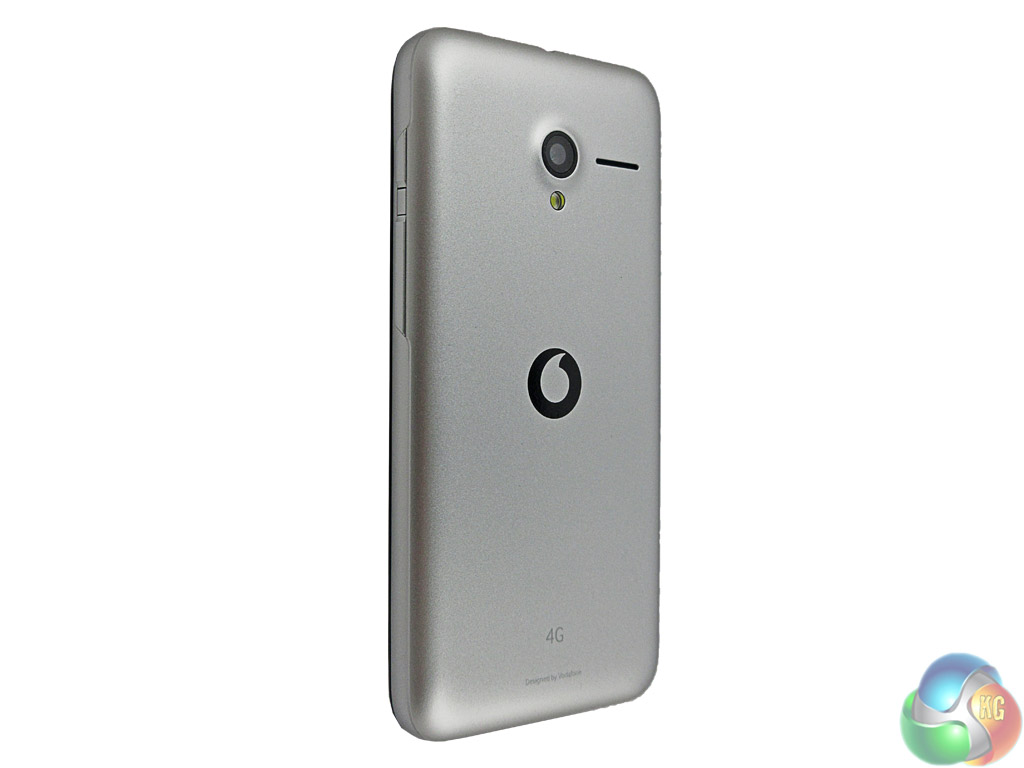
The design aspect of the ‘Smart' devices has been criticised by some journalists – principally for being plain and boring. Certainly, the Speed 6 is not going to turn any heads. However, it does offer functionality at a great price – which I think means we must adjust our expectations.
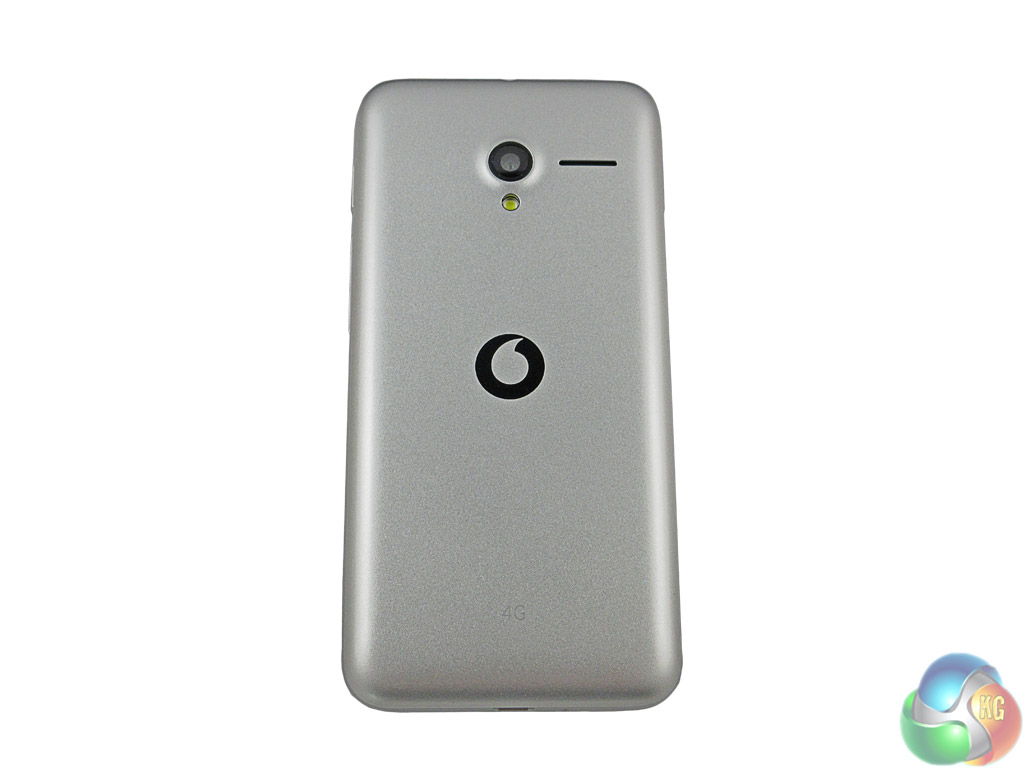
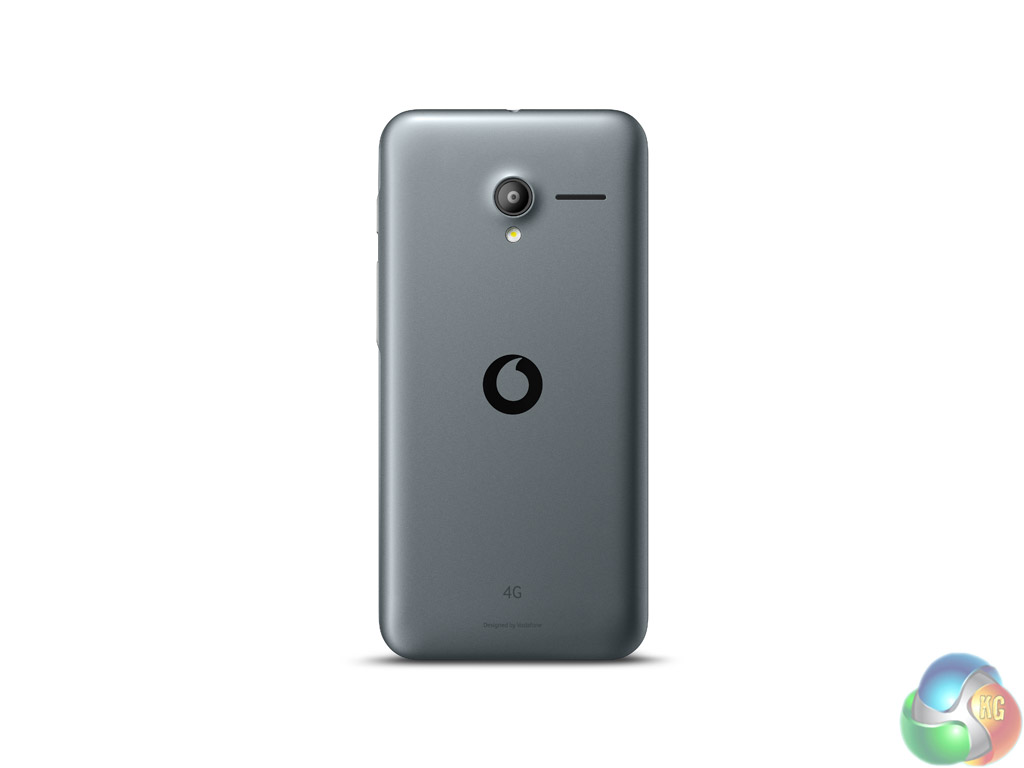
Silver (left) compared with the grey colour option
The simplicity of the Speed 6's design starts with just 2 colour options – silver or grey. Even then, they are both fairly similar – and the colour only affects the back of the device, as the front is black no matter what colour option you choose.
Of course, as it costs £50, the Speed 6 is made entirely from plastic. Accordingly, the Speed 6 is not the most satisfying smartphone to hold, and you certainly won't be turning it over and admiring the construction.
What Vodafone has done, though, is to create a design that prioritises functionality over aesthetics.
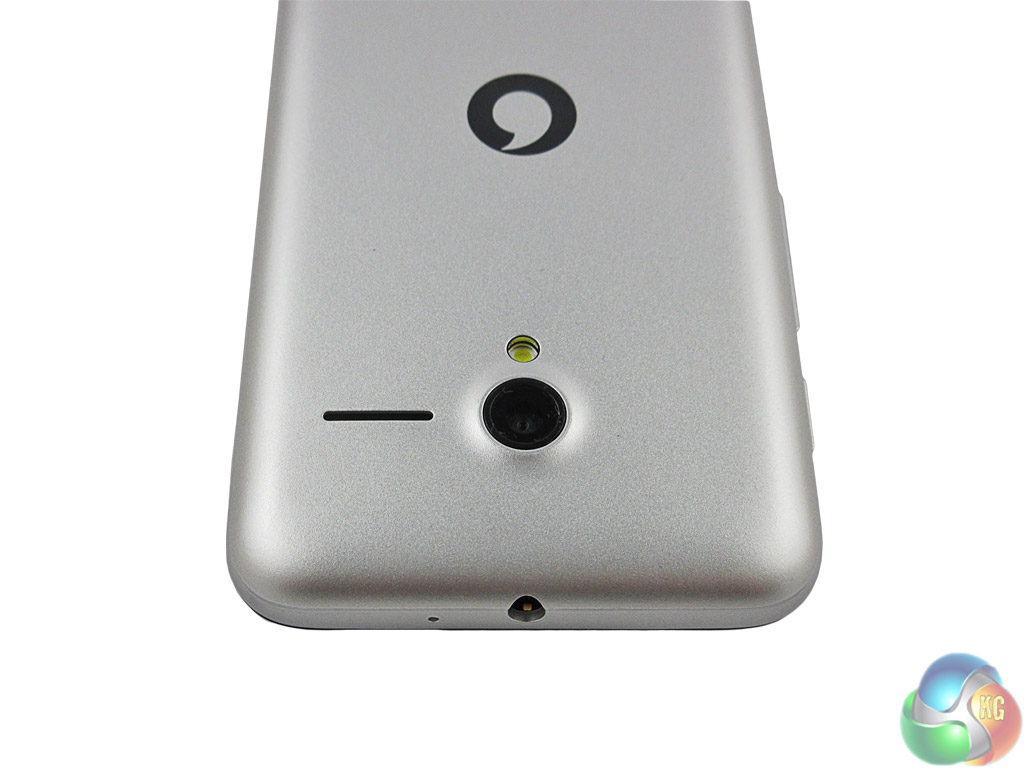
This is made evident by the placing of the power button and volume rocker on the top of the right-hand edge. This positioning means both buttons are within easy reach of your thumb at all times. The home buttons, too, are fitted on the bezel – rather than being on-screen ‘soft' buttons. This is potentially easier to understand and use for a consumer who has just bought his/her first smartphone.
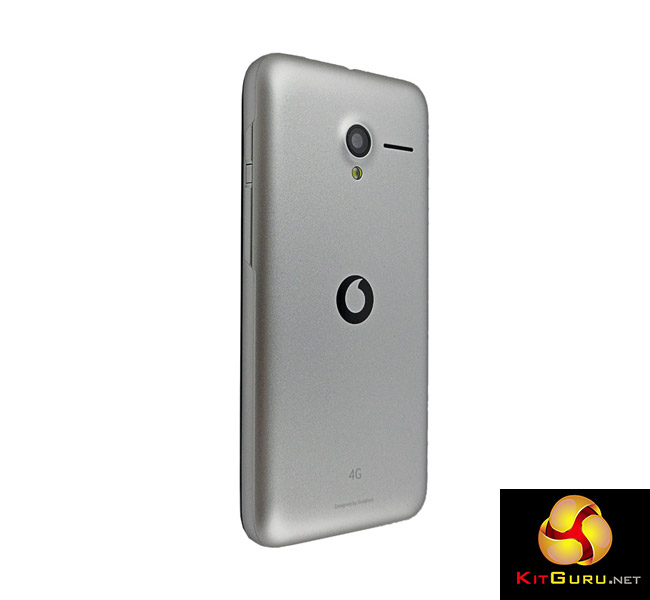
A headphone jack is located centrally at the top of the Speed 6, while at the bottom is the microUSB port. The (silver, in this case) back is bare, other than the camera and Vodafone logo.
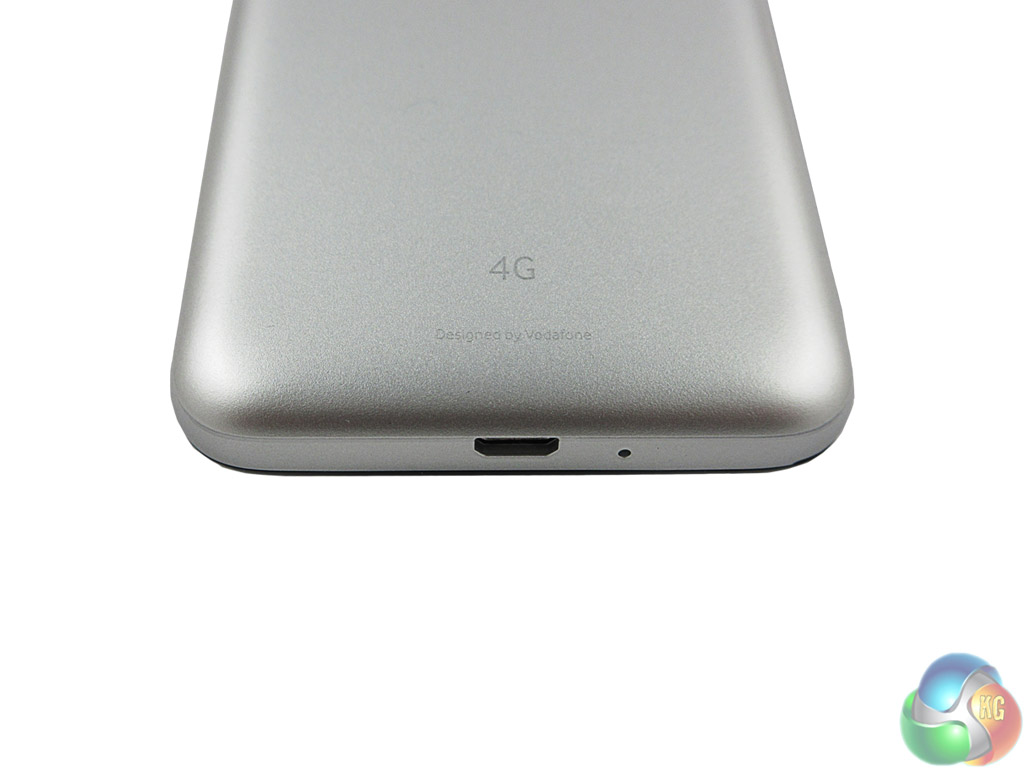
Essentially, the design is gimmick-free. It is just meant to be usable at an affordable price, and I think that is certainly achieved.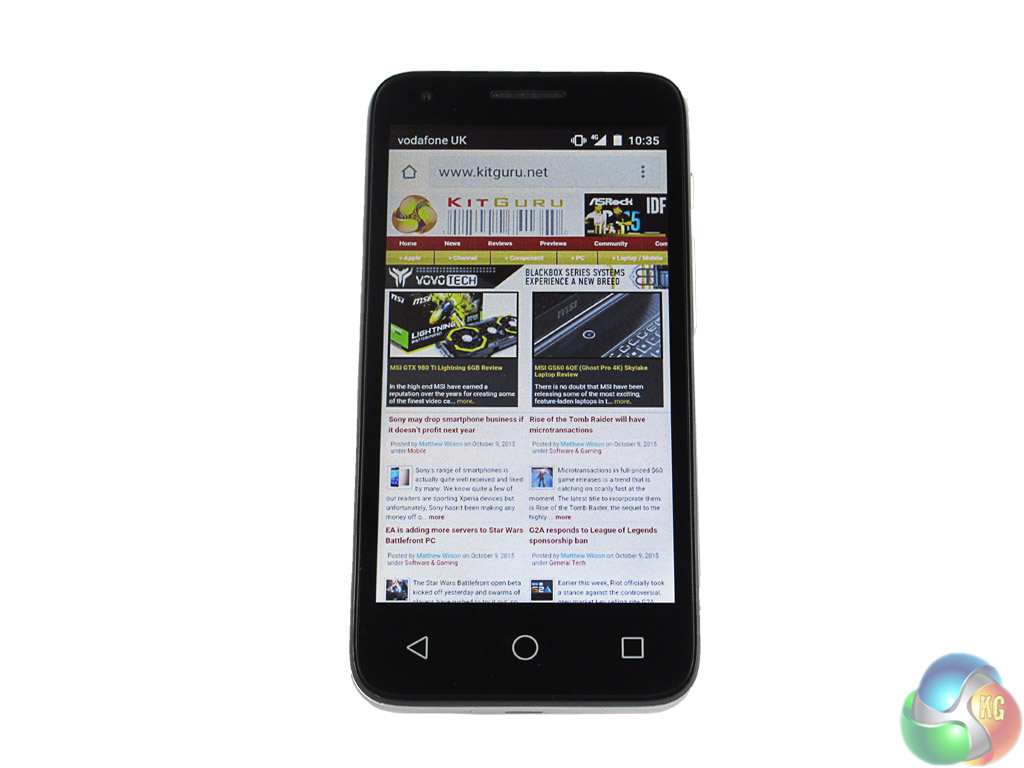
The more expensive ‘Smart' devices have all had good screens, particularly the Ultra 6 with its FHD panel. The Speed 6 is smaller with a 4.5-inch display, and a lower resolution of 480×854. This works out at 218 PPI, which is not especially sharp. It is usable, however, and consumers considering the Speed 6 will probably not be overly concerned by the lesser resolution.
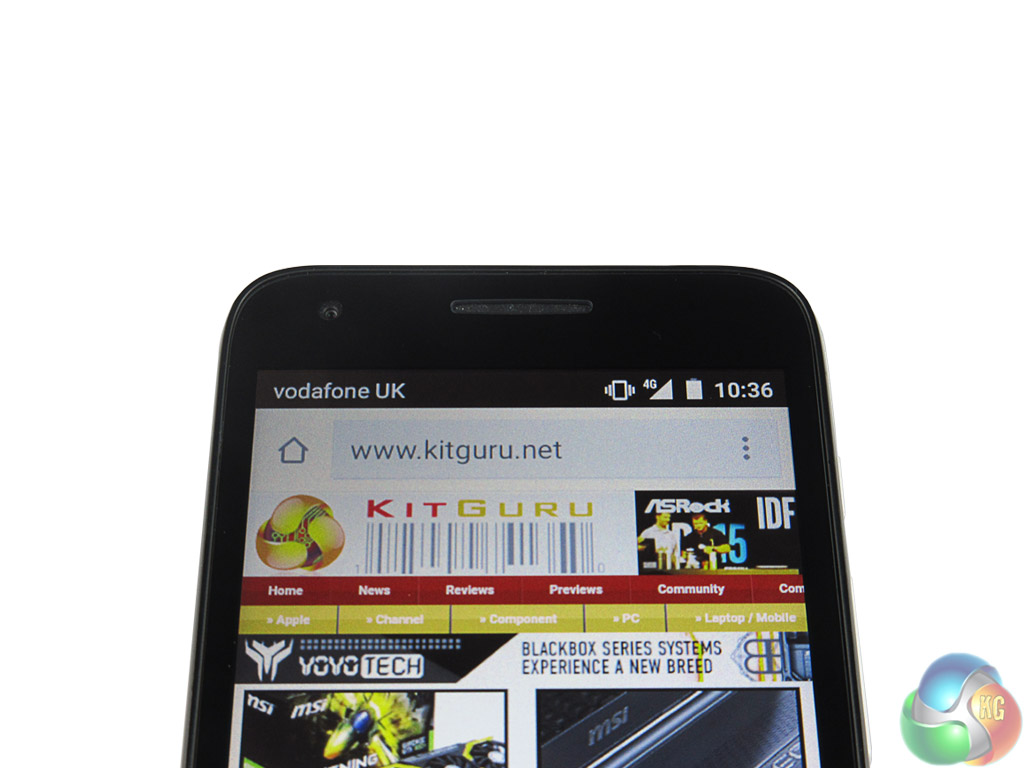
The display does not use IPS technology either, meaning viewing angles are relatively weak. Moving from side to side does not affect the image, it is just when moving the phone vertically that problems start to arise. Still, in normal circumstances this did not prove problematic for me, as the display is still perfectly usable.
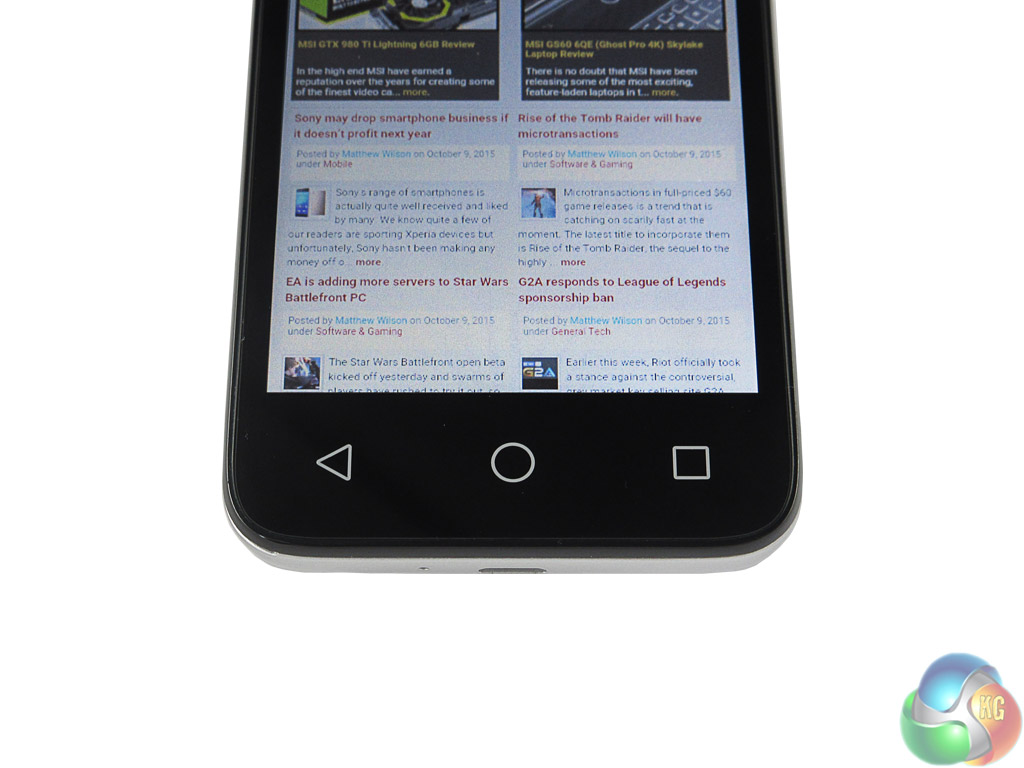
Display brightness is my biggest concern for the Speed 6's screen. It is fine for indoor usage, but outdoors it struggles even at full brightness. Admittedly, it is usable (with a fair amount of squinting) but it is still a challenge.
How bright a screen we should expect for £50 is a tough call – especially as some £500 flagships I have used are still not bright enough outdoors. My gut instinct is to say that Vodafone have prioritised other areas of the device (as you will see later on in the review) opting to save costs by adopting a lesser quality screen. Still, for £50 it is usable and I think that is probably the key consideration at this price.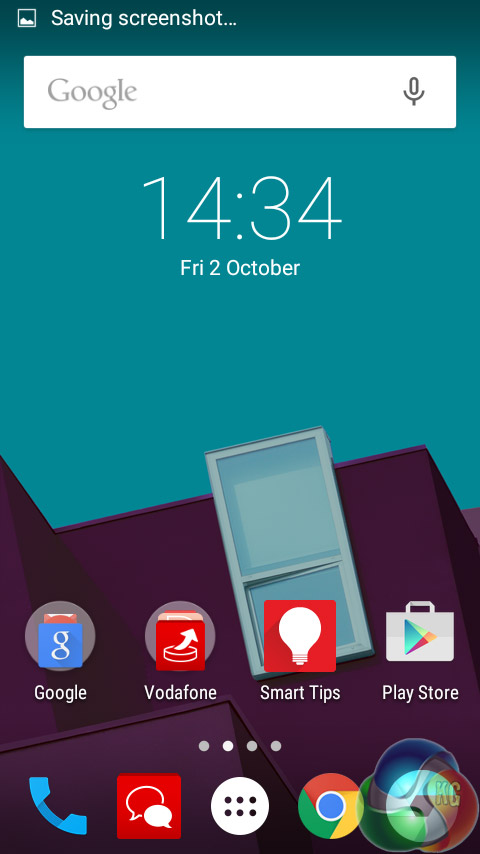
In my review of the Smart First 6, I commented on how the phone ran Android KitKat, rather than Lollipop. My opinion was that KitKat is a simpler (in terms of appearance, at least) mobile OS than Lollipop, thus making it more appropriate for first-time smartphone users. However, with the Speed 6, Vodafone have decided to include Lollipop 5.1 – which was until recently the latest Android version.
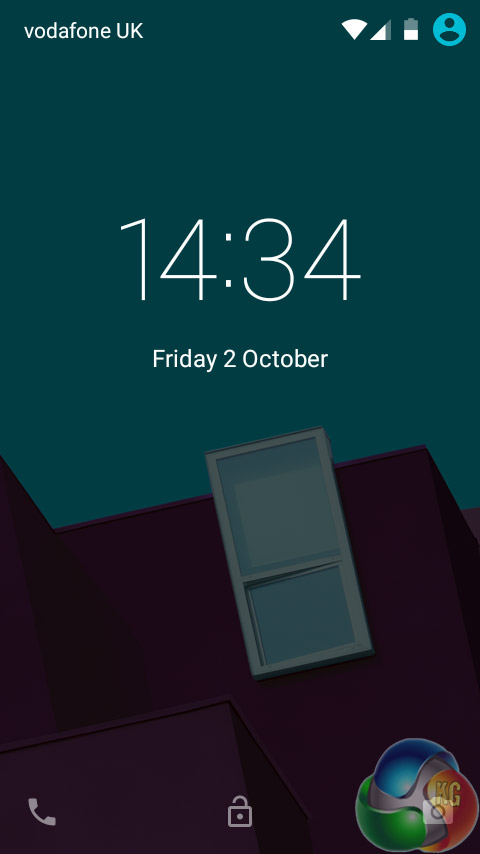
Despite this, I do not think it will be long before Marshmallow rolls out to existing Vodafone devices. That is because all of the Vodafone ‘Smart' devices run essentially stock Android. Theoretically, this means it should be much easier for Vodafone's software engineers to get a working Marshmallow OS pushed to current ‘Smart' devices. Still, we shall have to wait and see.
As this is essentially the same OS as included with 3 other ‘Smart' devices, I will not repeat myself unnecessarily, so please check back on my review of the Ultra 6 for a greater overview of Vodafone's mobile OS.
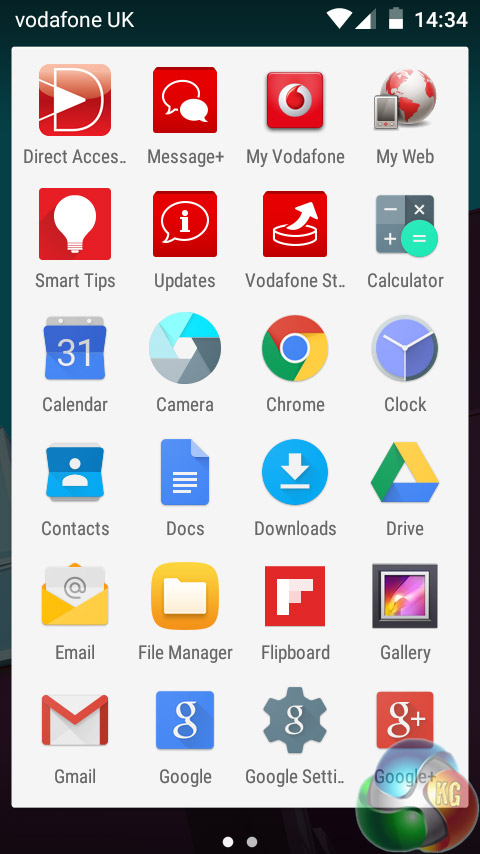
Still, despite being stock Lollipop, there remains one issue with the OS which is particularly annoying, and I know many of our readers will feel the same. That problem is bloatware. Vodafone include 7 of their own apps with the Speed 6 – as you can see above.
As far as I am concerned, only the ‘updates' app is actually necessary. This is especially a problem as there is only about 3.2GB of usable storage space after Android is installed.
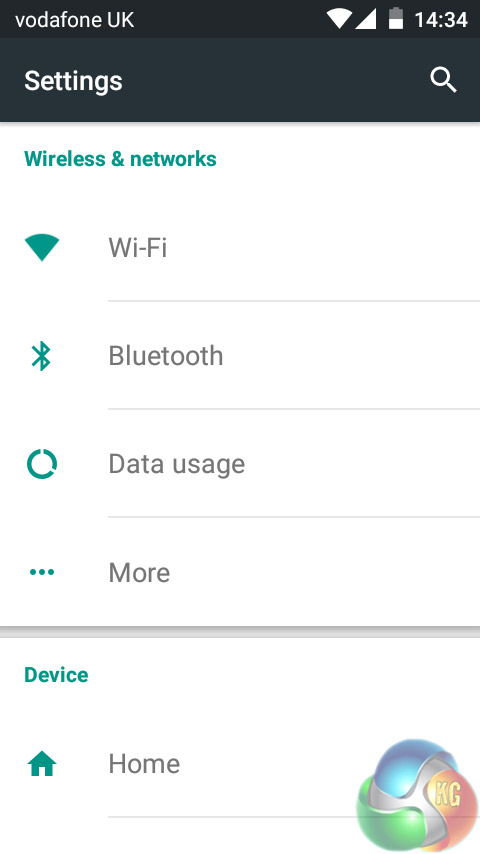
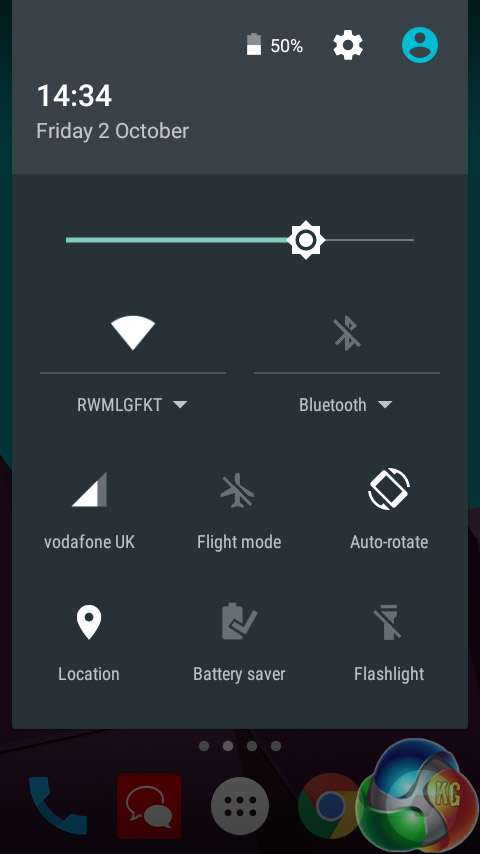
Other aspects of the OS are great, however. The settings menu is clean and uncluttered, and the notification panel is quick and easy to use. Vodafone clearly listened to the discontent voiced over the past few years when manufacturers meddled with Android.
The only thing preventing this from being a perfect OS is the amount of bloatware preinstalled.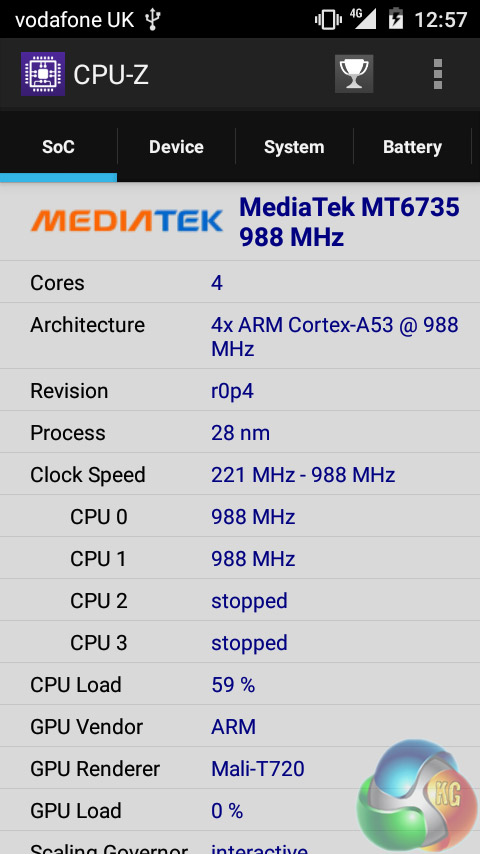
With a name like ‘Smart Speed 6', Vodafone clearly have confidence in the MediaTek MT6735M CPU, which is paired with 1GB of RAM. We will look at both synthetic benchmark scores as well as real-world usage of the Speed 6.
After previously reviewing the First 6, with a slower MT6572M CPU and 512MB RAM, the jump in performance was immediately noticeable. Apps opened rapidly, games (Stick Hero, Temple Run 2) ran well and OS animations were nice and smooth. I found there was the occasional incident where the keyboard would freeze up, or the device would take several seconds to respond to a press on the home buttons. On the whole, though, everyday performance is very good for the price.
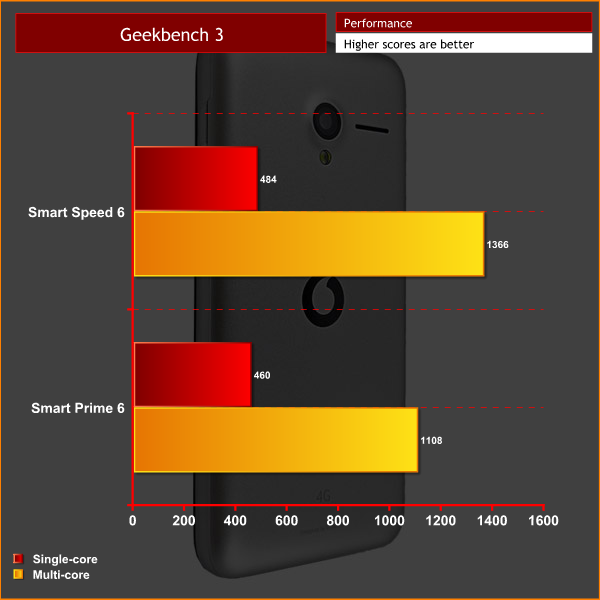
When it came to the benchmarks, I was rather surprised. That is because the Speed 6 actually trumped the Prime 6 with its Geekbench 3 scores – the Prime 6 costing £30 more and packing a Snapdragon 410 CPU.
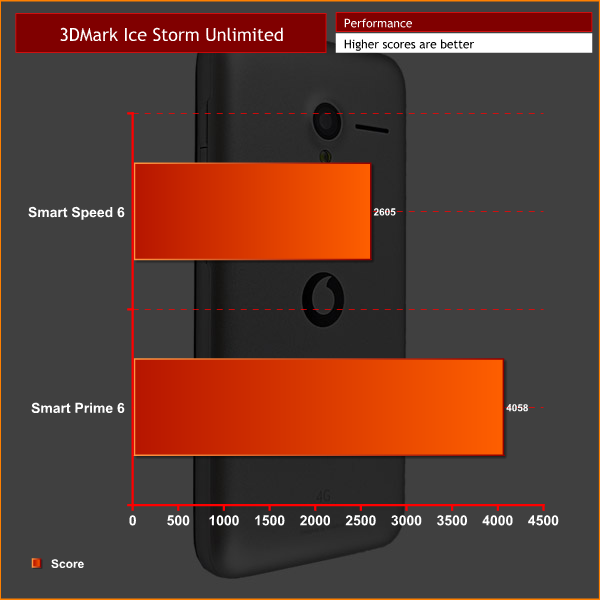
Despite this, the Prime 6 proved the more powerful device in the Ice Storm Unlimited test, by a fairly significant margin. The obvious conclusion to draw from both tests is that the processing power of the Speed 6's MT6735M CPU is greater than its graphical power by some way.
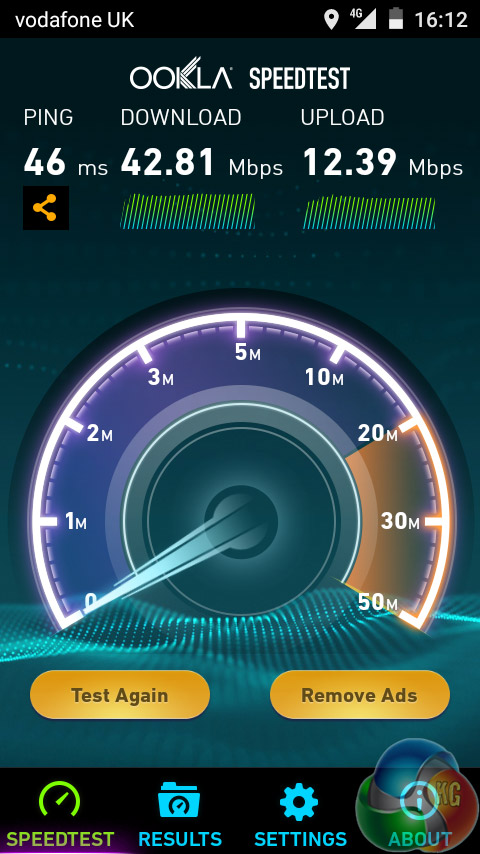
Finally, the name ‘Speed 6' also lends itself to the idea that we can expect fast mobile data speeds. On Vodafone's 4G network, that is certainly the case with download speeds in the region of 40mbps.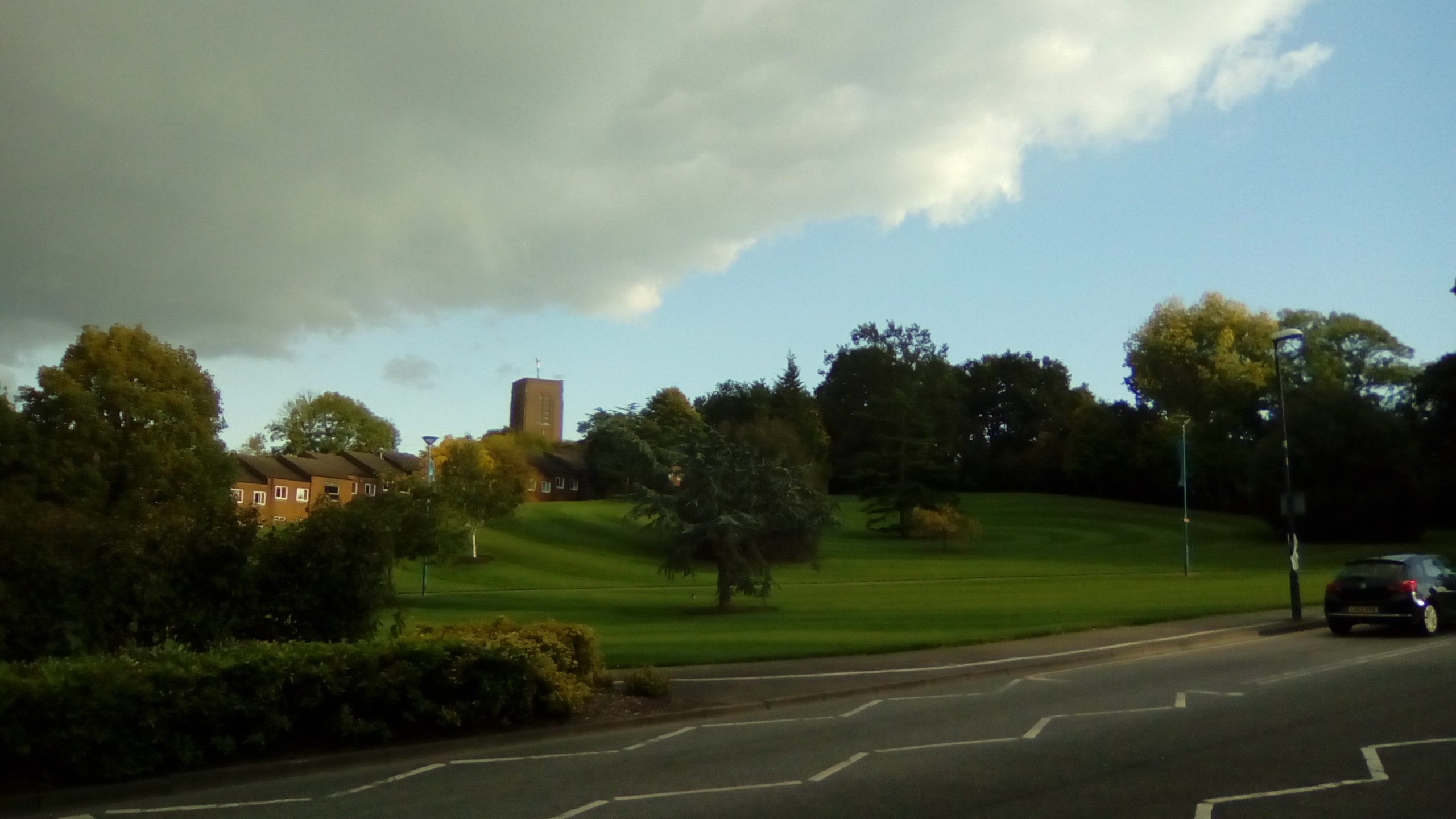
The Smart First 6 included just a 2MP primary camera – so it is good to see Vodafone have upped this to 5MP (2560×1440) with the Speed 6. There is also a 2MP secondary camera on the front.
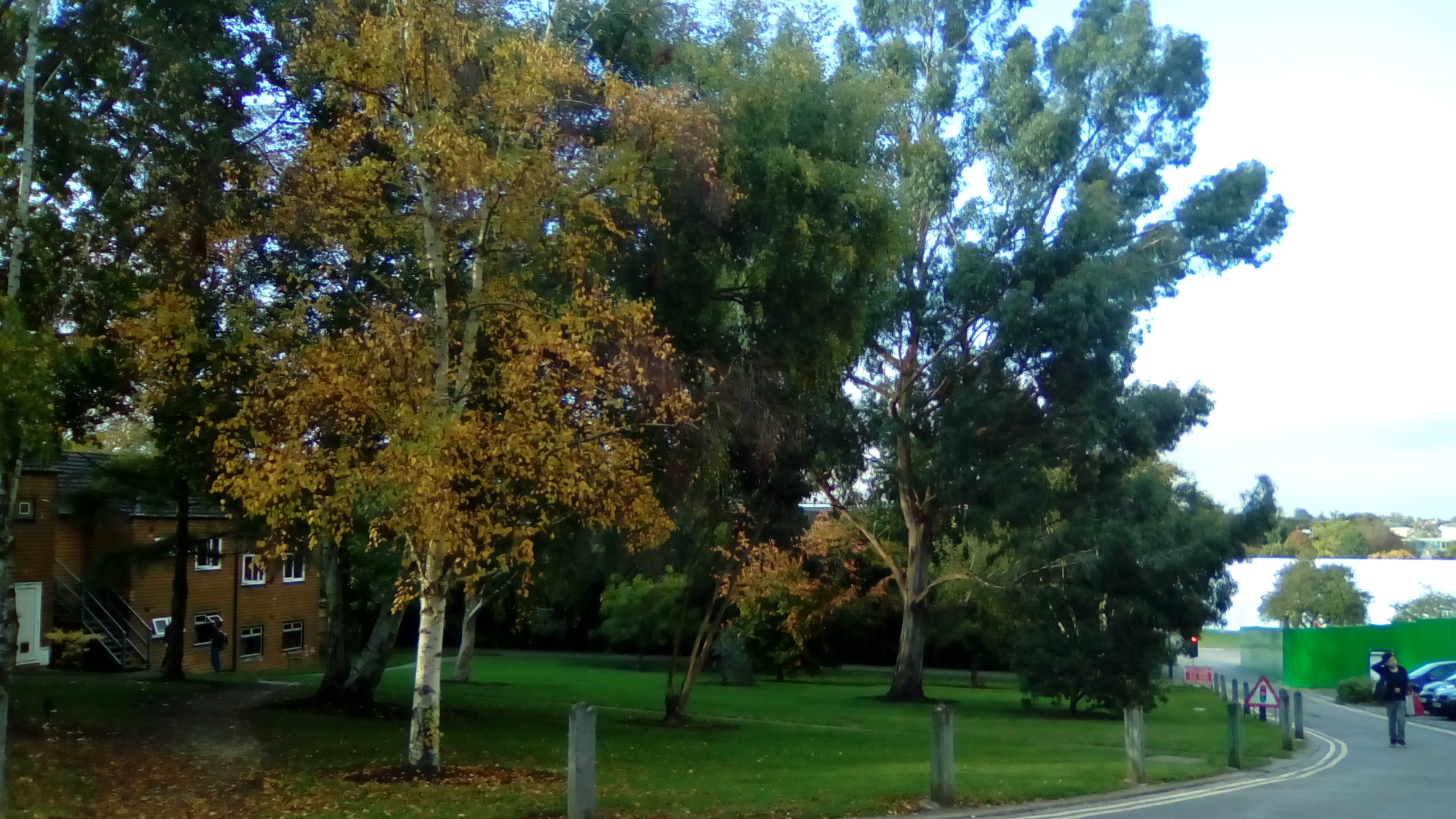

As you were probably expecting, the camera is nothing special. There is obviously superior detail in the shots compared to the First 6's camera, but there is still no touch-to-focus option which is mystifying. This means users can only point and shoot, hoping that the image is in focus.
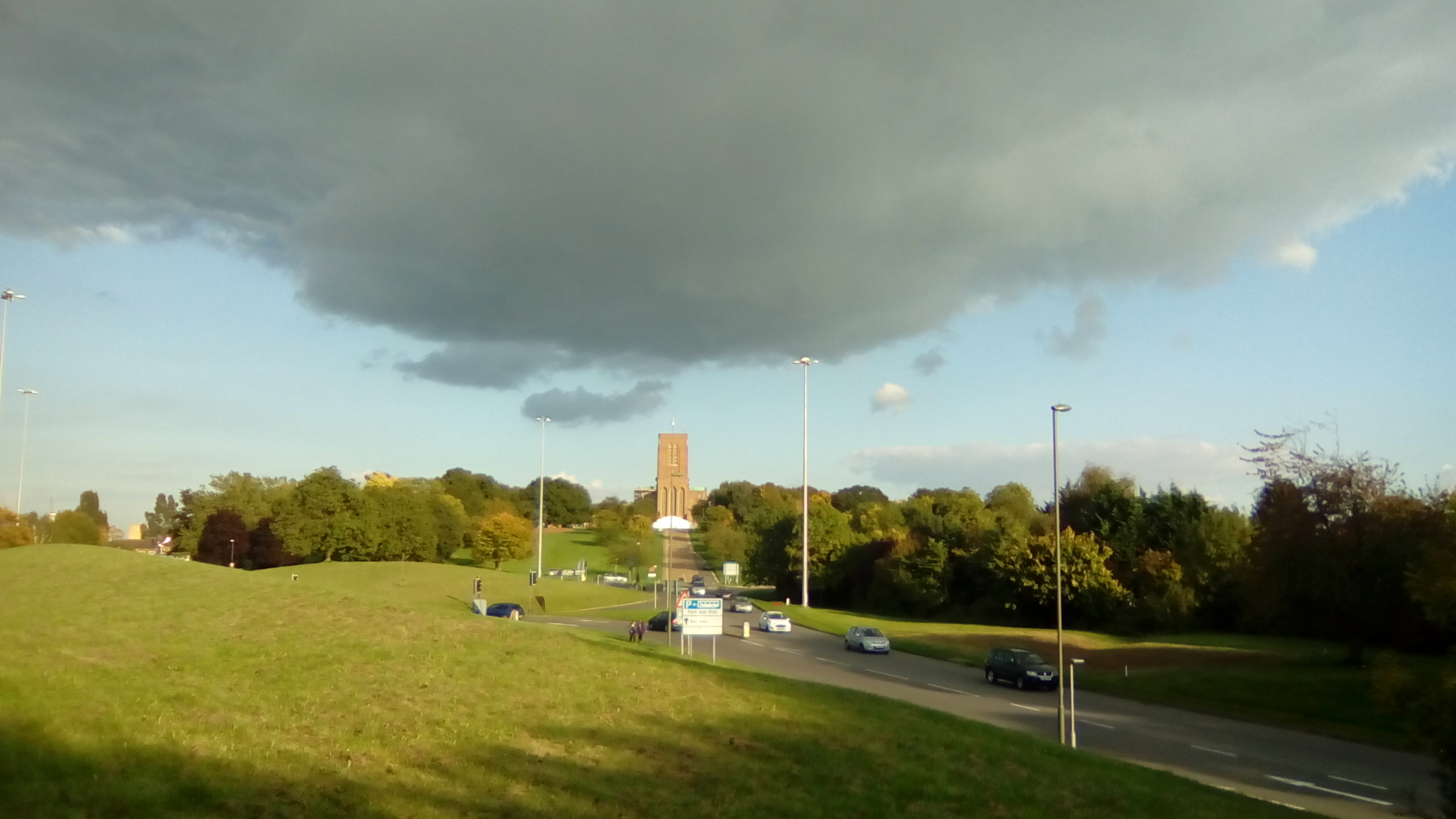
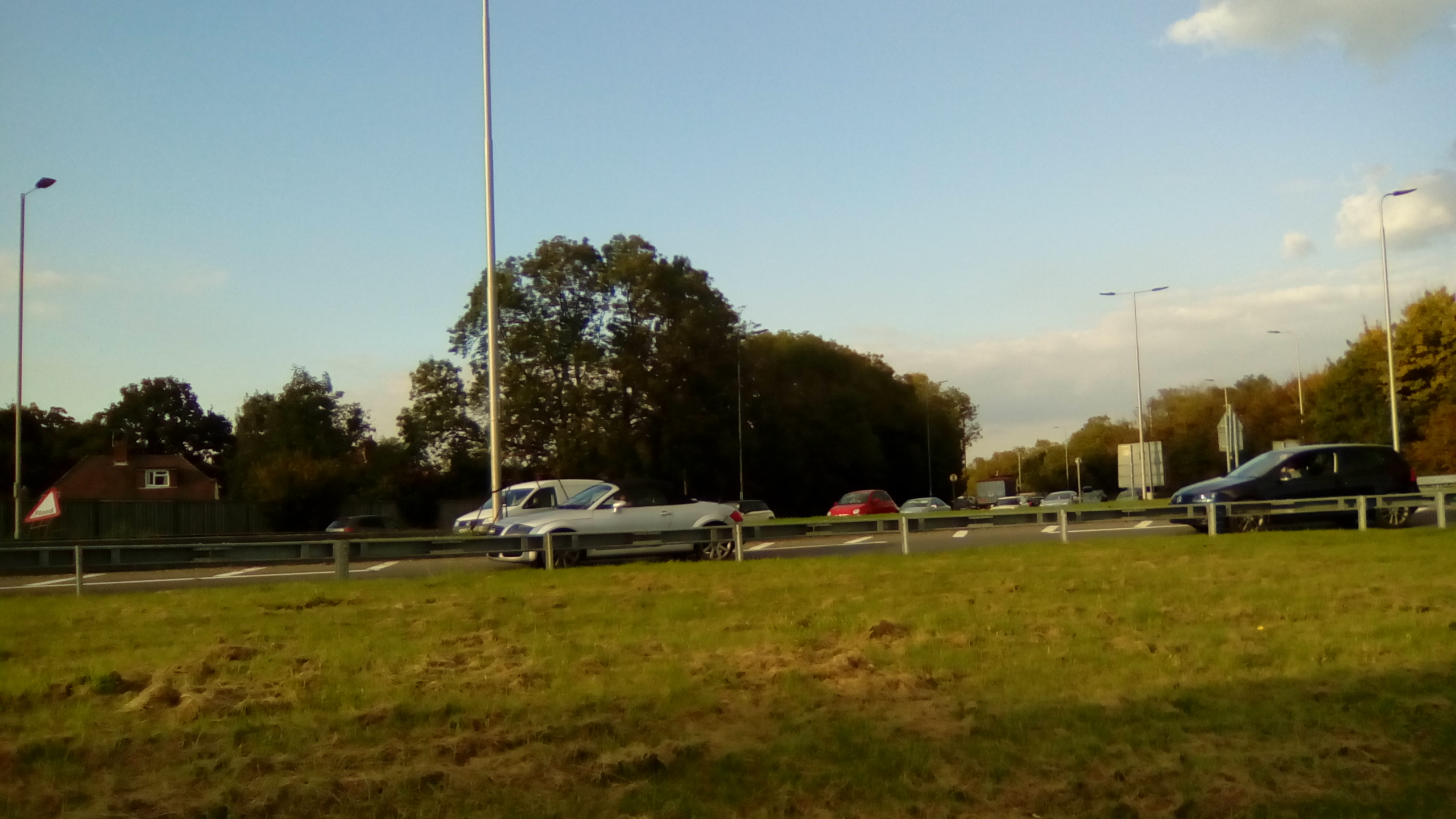
Colours seem a bit warm, and images have a tendency to be darker than I would like – even when shot in sunlight. Despite this, 5MP is a fair amount of detail for £50, and most users contemplating a £50 smartphone will not be too fussy.
At the end of the day, it is a functioning camera at a low cost – I would not expect glorious photos from it, but it can do a job.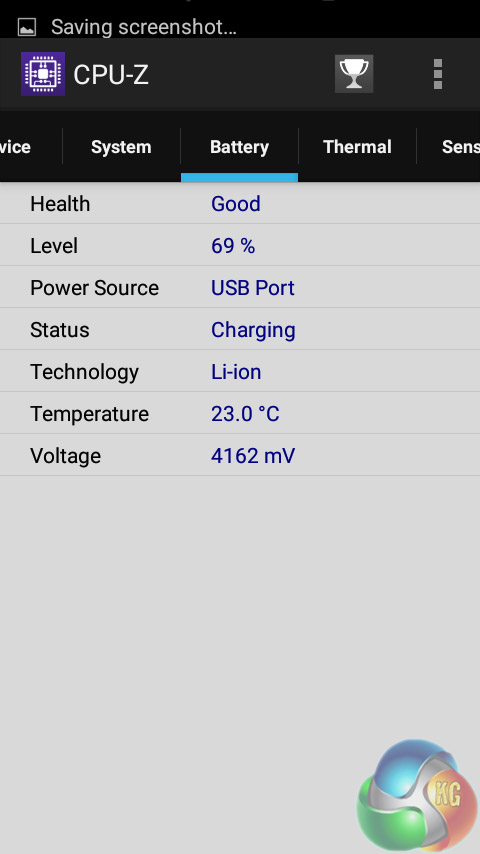
Previous ‘Smart' devices have impressed me with their battery lives, and the Speed 6 is no different.
It runs off a 1780 mAh capacity battery, which may not sound especially impressive. However, it is worth remembering the 480×854 screen resolution is not very power-hungry, so the smaller battery capacity reflects that.
In real world terms, I would expect the Speed 6 to last two days for most users. That is certainly what I found with the Speed 6, with mobile data always on and screen brightness high. What impressed me most is its ability to hold a charge when left on standby – after being on and unused for hours, the battery had dropped by just a couple of percentage points.
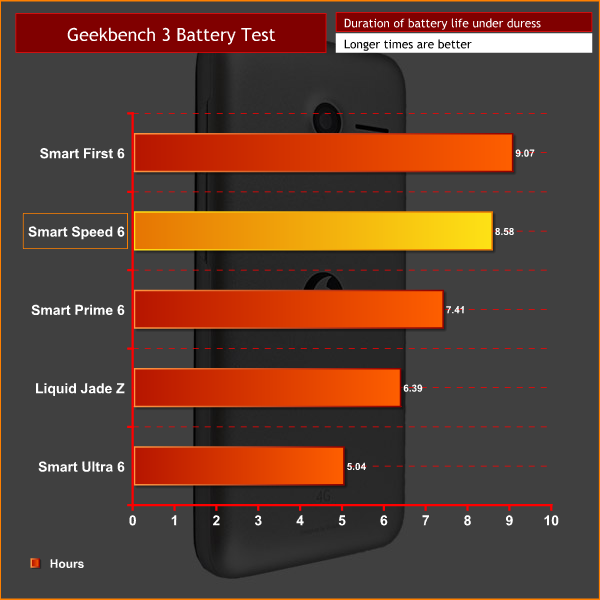
This is confirmed by the Geekbench 3 battery score, with a time of just under 9 hours placing the Speed 6 at the upper end of our chart. Clearly, the Speed 6 will not disappoint with its battery life.While I was initially surprised to hear of a new Vodafone ‘Smart' device, the Smart Speed 6 certainly has its own place within the product family.
The Speed 6 is essentially a smaller version of the Prime 6, with a simple and ‘no-frills' approach to its design. Some may call this boring and a weakness, but to my mind Vodafone have clearly focused on other areas – such as processing power. Because of this, the design of the Speed 6 is certainly simple, but it is also functional – and at £50 we need to set realistic parameters.
The same can be said of the Speed 6's display. It has a relatively low, 480×854 resolution across 4.5-inches. Brightness is not remarkable but it is just about usable outdoors, which is all we can really ask. The display is serviceable, and for the target audience it will be perfectly acceptable.
Like previous ‘Smart' devices, the Speed 6 runs stock Lollipop 5.1. This is exactly what we have come to expect from Vodafone, and it should hopefully mean Android Marshmallow can be pushed to existing customers soon.
The main issue with the OS, though, is bloatware. There is only 3.2GB usable storage space, and there are some completely pointless apps using up some of that valuable space. Until Vodafone can release a phone bloatware-free, I will continue to criticise this negative aspect of their devices.
However, the main strength of the Speed 6 is its relative processing prowess. Vodafone have correctly identified that budget phone users prioritise performance over all else, and so have included the MediaTek MT6735M CPU. It is a solid CPU, and I found it is even faster the Snapdragon 410 in the Smart Prime 6 (in Geekbench 3, at least.)
Battery life is another success, and I would be surprised if you could not manage 2 days on a single charge. The power efficiency exhibited when the phone is on standby is particularly impressive.
It is also good to see an improved camera included with the Speed 6. It has a 5MP sensor, but still lacks touch-to-focus functionality, meaning it is somewhat of a lottery to get a good, sharp image. Still, the camera is not a priority for the Speed 6 so it is hard to complain for the price.
On the whole, then, the Speed 6 is a good addition to the ‘Smart' family. It boasts good performance, solid battery life and a very affordable price tag. For £50, you cannot go wrong.
You can buy the Smart Speed 6 directly from Vodafone for £50, here.
Pros
- Good performance.
- Excellent battery life.
- Improved 5MP camera.
- Very affordable.
Cons
- Screen brightness is lacking.
- Design lacks a wow factor.
- No touch-to-focus camera functionality.
KitGuru says: If you are looking to buy a smartphone at or around £50, look no further than the Speed 6. If you can stretch to the £80 Prime 6, however, you are rewarded with a sharper display and a much better camera.