KitGuru KitGuru.net – Tech News | Hardware News | Hardware Reviews | IOS | Mobile | Gaming | Graphics Cards


Nvidia has updated its DLSS/RTX guidelines for game developers to help them integrate the recently launched DLSS 4 and Reflex 2 technologies into their titles. These revised standards mandate that developers ensure full support for all user-activated features within their game interfaces. Still, the most interesting part is that the guidelines state that Reflex Low Latency technology doesn't support other frame generation technologies except DLSS.
Reflex 2 uses Reflex Low Latency and the new Frame Warp, with the latter being exclusive to the RTX 50 series and thus only supported in the more recent drivers. On the other hand, Reflex Low Latency enjoys broad compatibility, extending back to Nvidia's Maxwell architecture and starting with the GeForce 455+ drivers.
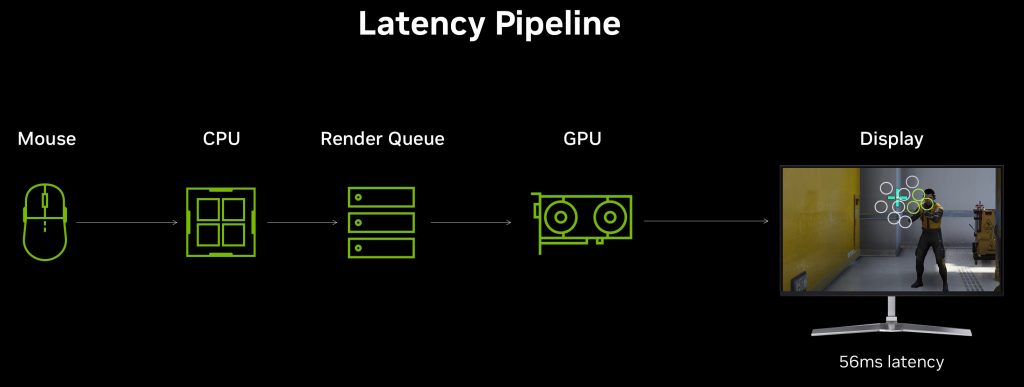
Nvidia promotes Reflex technology alongside DLSS Frame Generation and DLSS Upscaling to minimise system latency by synchronising game rendering tasks. However, the latest developer guidelines (via Reddit) state that Reflex Low Latency is incompatible with other frame generation techniques, such as AMD's FSR.
While developers haven't typically provided an in-game toggle to enable Reflex when using alternative frame generation methods, workarounds exist through third-party tools like RivaTuner. However, based on what Nvidia says, forcing Nvidia Reflex via this third-party software while playing games using frame generation technologies other than DLSS may not give you any advantage.
Discuss on our Facebook page, HERE.
KitGuru says: Do you force-enable Reflex using third-party tools? Have you ever noticed a difference when gaming with Reflex turned on via third-party software?