KitGuru KitGuru.net – Tech News | Hardware News | Hardware Reviews | IOS | Mobile | Gaming | Graphics Cards


UL has recently announced 3DMark Solar Bay, a new benchmark designed to assess ray-traced graphics performance across Windows PCs and high-end Android devices. This new benchmark comes as a complimentary update to the 3DMark (standard and Professional editions) and 3DMark Android App.
Developed using the Vulkan 1.1 API, Solar Bay offers two tests that support ray tracing: a quick benchmark that assesses immediate performance, as well as a stress test that gauges device performance using a heavy workload during extended periods. The former measures a device's ability to deliver instantaneous performance for short bursts, resembling the gameplay loop of many mobile games. Upon completion of the Solar Bay benchmark, it generates four scores. One is the overall score, and the other three are sub-scores corresponding to each ray tracing section.
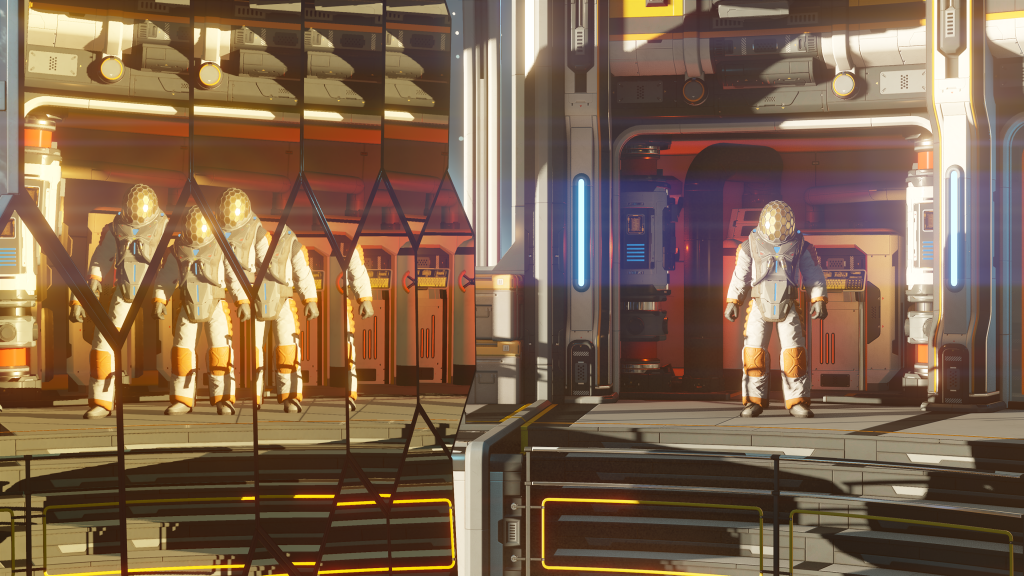
The Solar Bay stress test is an extended evaluation showcasing how a device maintains performance during prolonged gaming sessions with ray tracing enabled. This test runs the Solar Bay workload for 20 minutes, producing a chart that illustrates performance fluctuations throughout the test. A consistent set of results indicating minimal performance throttling is the optimal outcome.
Solar Bay is now available for Android devices on the Google Play Store for free and for Windows platforms on Steam, Epic Games, or directly from UL Solutions for $34.99.
Discuss on our Facebook page HERE.
KitGuru says: Do you find UL's new 3DMark Solar Bay benchmark useful? Are you planning to try it?