KitGuru KitGuru.net – Tech News | Hardware News | Hardware Reviews | IOS | Mobile | Gaming | Graphics Cards


Logitech is expanding its line-up of gaming headsets this week with a new mid-range offering, the G435. While this is a more affordable headset, Logitech has still managed to pack in some of the features from its flagship headsets, including Lightspeed wireless technology for lag-free audio.
Compatible with PC, Mac, PlayStation 4 and PlayStation 5, the Lightspeed technology employed in the G435 increases battery life and keeps the headset connected to a device for up to 10 meters. Even if the source device doesn't support Lightspeed technology, you can still use Bluetooth instead, although you'll gain some wireless latency.
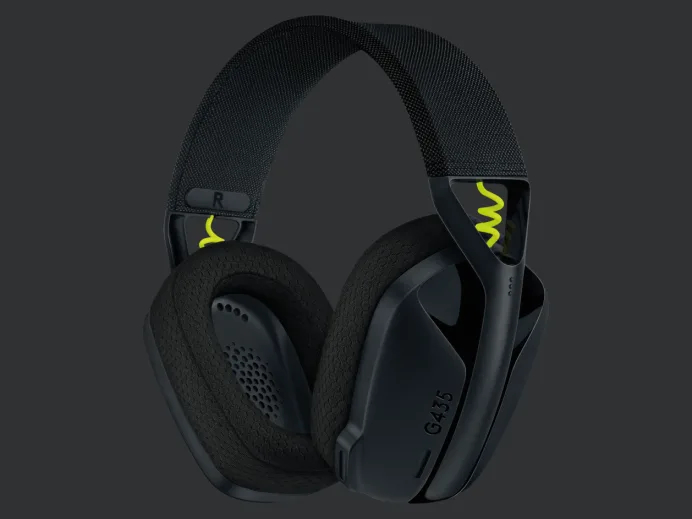
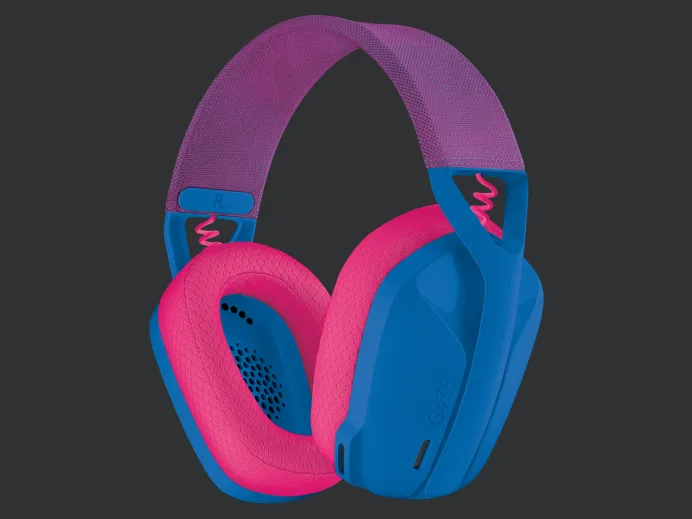
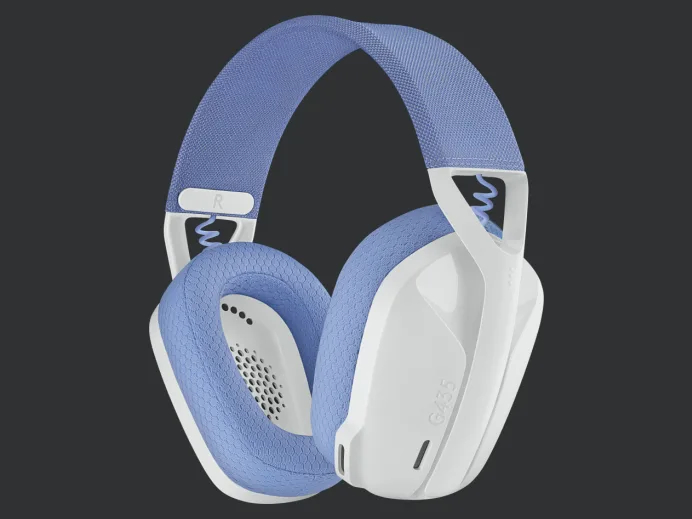
Weighing 165g and with up to 18 hours of battery life in a single charge via USB-C, the G435 should be a good daily driver. For the microphone, Logitech is using a “virtual boom arm”, which consists of dual beamforming mics on the right ear cup.
Audio is played through two 40mm drivers with a frequency response of 20Hz to 20KHz. The G435 support multiple sound-enhancing technologies, including Dolby Atmos, Tempest 3D AudioTech and Windows Sonic Spatial Sound. Available in white and lilac, blue and raspberry or black and yellow, the Logitech G435 is now available to pre-order for £69.99.
Discuss on our Facebook page, HERE.
KitGuru says: If you were looking for a new wireless headset at a reasonable price, it might be worth checking the Logitech G435. Looking at its specifications, it should do the job, but only after testing, we can be sure of its quality.