KitGuru KitGuru.net – Tech News | Hardware News | Hardware Reviews | IOS | Mobile | Gaming | Graphics Cards


Mass Effect: Legendary Edition released earlier this year to a positive reception. We're approaching the six month milestone for the remastered trilogy, and now, it looks like it could be coming to Xbox Game Pass and EA Play very soon.
The rumour began when the Xbox Store updated, listing Mass Effect: Legendary Edition as part of Game Pass. Given the timing of this update, it seems very likely that the game will soon be available to Game Pass subscribers – although not all of them.
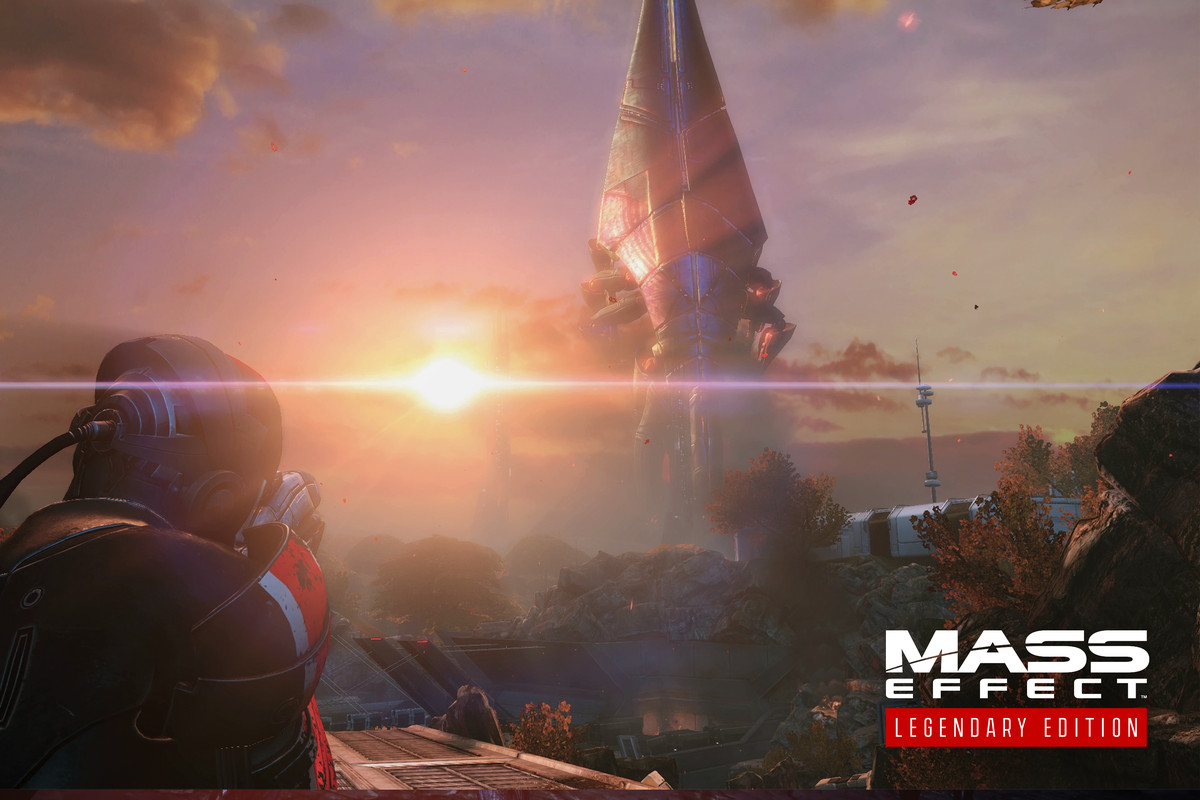
Typically, EA brings its newly released games to its own subscription service, EA Play, between 6 and 12 months after release. Mass Effect: Legendary Edition released roughly six months ago now, which means it is due to join the EA Play library very soon.
Xbox Game Pass Ultimate and Xbox Game Pass for PC subscribers get EA Play included with their subscription, so Mass Effect: Legendary Edition will be available on Game Pass via this deal. EA Play is not included with the base Xbox Game Pass for Console subscription, so that smaller set of subscribers will be left out unless Microsoft and EA hammer out a separate deal for this game specifically.
Discuss on our Facebook page, HERE.
KitGuru Says: Mass Effect: Legendary Edition was a decent enough remaster and will be well worth playing once it joins the EA Play/Game Pass library.