KitGuru KitGuru.net – Tech News | Hardware News | Hardware Reviews | IOS | Mobile | Gaming | Graphics Cards


Following the release of the 590 driver branch, which formally ended “Game Ready” support for the GTX 900 and 10 series GPUs, Nvidia has been forced to issue a correction regarding its supported hardware list. Initially, the release notes revealed that the Titan GTX and several Pascal-based mobile GPUs were still listed as supported, but that is no longer the case.
Nvidia has since removed all mentions of the MX and Titan GTX GPUs in the list of supported hardware, as noted by VideoCardz. The company has updated its documentation to confirm that all Pascal-based GPUs are indeed moving to legacy status. This correction hits the entry-level laptop segment particularly hard, wiping out almost the entire MX lineup. The only survivor is the MX450, which remains supported solely because it is built on the newer Turing architecture (TU117S), unlike its Pascal-based predecessors.
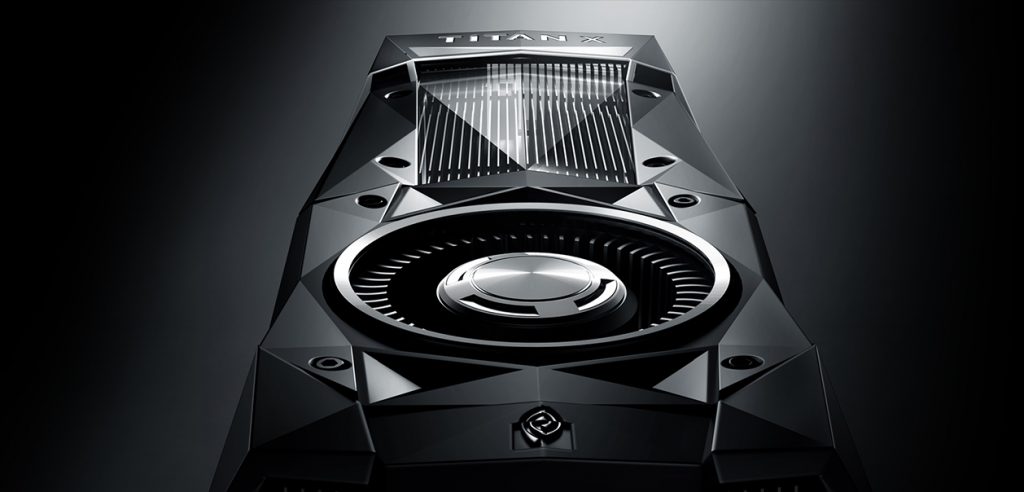
The transition to the 590 branch also marks the end of an era for the Titan family. With the deprecation of Maxwell, Pascal, and Volta, the support list has been decimated. The Titan X, Titan XP, and Titan V are no longer supported. This leaves the Turing-based Titan RTX as the sole remaining member of the family with active driver support.
Note that, as these GPUs will be moved to legacy, they'll still receive critical security updates via a dedicated branch.
KitGuru says: Do you own a Titan GTX or a mobile MX GPU? Are you planning to upgrade those systems, given they're about to be considered legacy?