KitGuru KitGuru.net – Tech News | Hardware News | Hardware Reviews | IOS | Mobile | Gaming | Graphics Cards


Earlier this year, Blizzard began closed playtests for Diablo II: Resurrected and sure enough, some people took those files and modified the game to be playable offline. These offline patches were hosted on GitHub, but a DMCA wave has taken them all down.
As reported by TorrentFreak, Activision Blizzard has sent a cease and desist order to the original developer of the offline patch, as well as issuing takedown notices to GitHub for a number of mirrors and forks still containing the patch. Aside from making the game playable offline, the patch also allowed players to play the alpha version of Diablo II: Resurrected without an official invite.
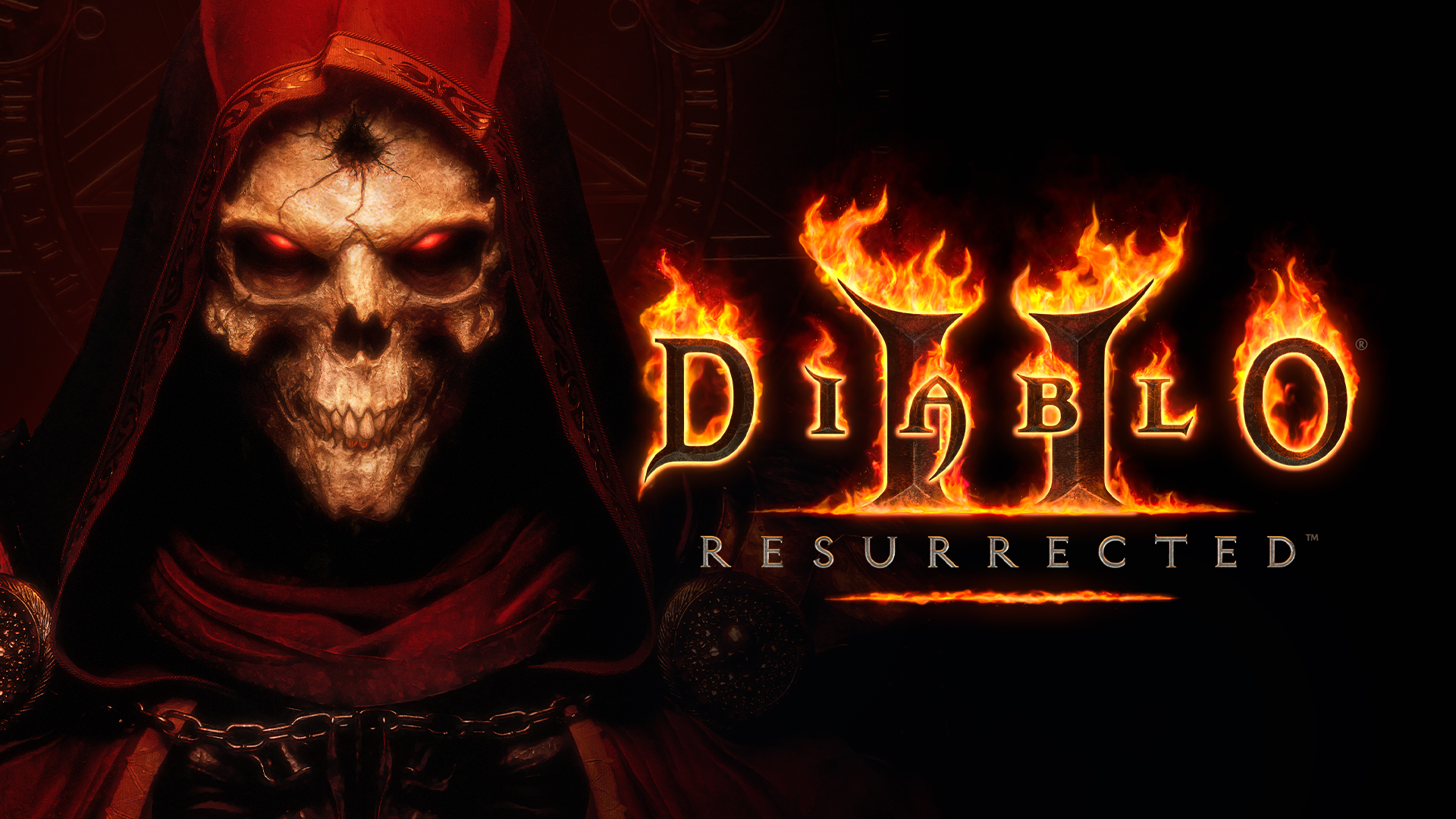
The DMCA takedown notice sent to GitHub on behalf of Activision Blizzard reads: “The project at issue is designed to circumvent Blizzard’s technological protection measures by allowing for the bypassing of the CRC32 integrity checks. These integrity checks are there to scan memory regions of the game in order to check whether the code for the game has been modified before it is executed/ran”.
There is already some doubt as to how effective these takedowns will be, as the files required have already been downloaded and shared a number of times.
KitGuru Says: Given that Diablo II: Resurrected hasn't even released yet, I can see why Blizzard has been quick to try and get this unofficial patch taken down. Exactly how successful this strategy will end up being still remains to be seen. Diablo II: Resurrected is due to release later this year.