 KitGuru KitGuru.net – Tech News | Hardware News | Hardware Reviews | IOS | Mobile | Gaming | Graphics Cards


With the release of the most recent version of its DLSS plugin for Unreal Engine, Nvidia has full support for DLSS 4 in Unreal Engine 5.6. With the help of this updated SDK, developers can more easily incorporate Nvidia's state-of-the-art AI-powered upscaling and frame generation technologies into games and apps created using the game engine from Epic Games.
As of right now, this plugin works with Unreal Engine versions 5.2 through 5.6; official support for earlier versions is no longer offered. This release comes after Unreal Engine 5.6 made its debut last month, and the first DLSS UE5 plugin was released in February. Recall that Unreal Engine 5.6 was used for The Witcher 4 tech demo, demonstrating the engine's new version capabilities. Comparisons between the Paris Tech demo built with UE 5.2 and 5.6 have also been made, where we can see notable FPS (average and low) improvement.
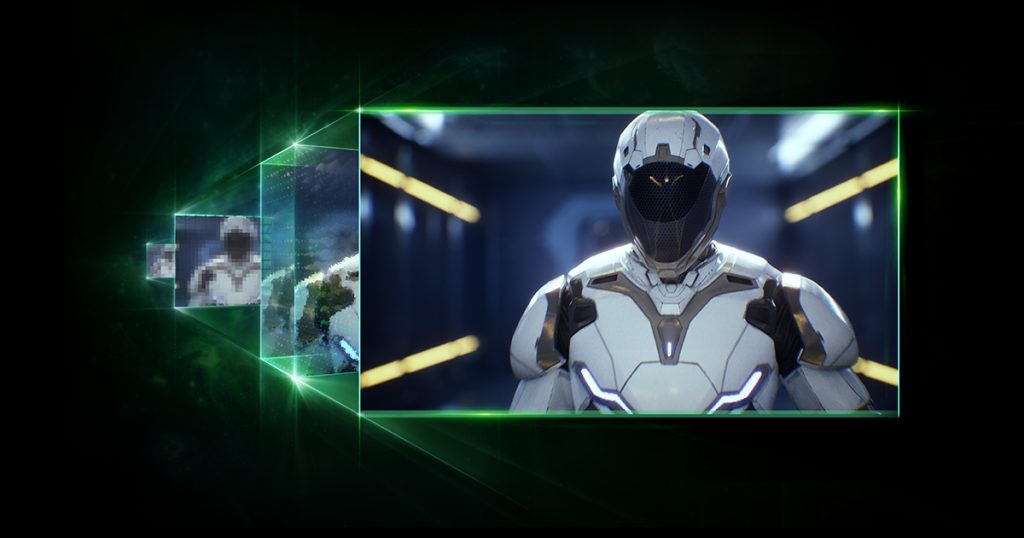
A wide range of features are supported by the DLSS plugin, such as Deep Learning Anti-Aliasing (DLAA), Ray Reconstruction, Super Resolution, Multi-Frame Generation, Transformer upscaling model, and standard Frame Generation. With the help of the plugin, developers can now easily incorporate these DLSS features into their Unreal Engine projects. It is important to note that the GPU architecture of the player will determine whether or not each particular DLSS feature is available.
Discuss on our Facebook page, HERE.
KitGuru says: Most games in development using Unreal Engine 5.6 are likely still a long way from release. Still, given Nvidia already launched this plugin, there's a good chance they'll come out supporting DLSS 4 at launch.
